How to Grow an Avocado Plant From a Seed, Step by Step
Published How we research
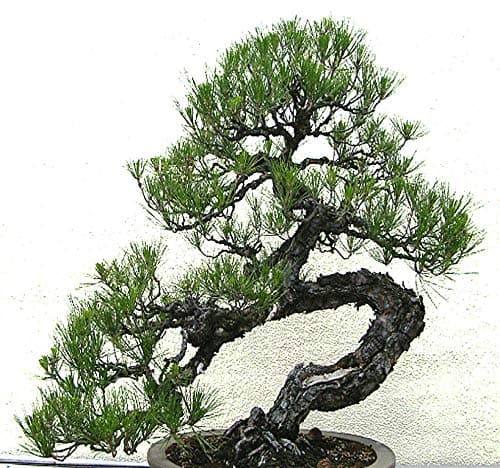
To grow an avocado plant from a seed, clean the pit, suspend it broad end down with the bottom half in water (or plant it half buried in soil), and keep it warm and bright until roots and a shoot appear, usually in 2 to 8 weeks. Once the root is a few inches long and the stem has leaves, pot it in a free-draining mix and pinch the top to force branching. The same seedling can be kept compact and shaped as an informal bonsai, with some limits that are worth knowing before you start.
Products from this article
The highest-scoring picks from the buying guides this article links to. Scores are our editorial assessment, not customer ratings.
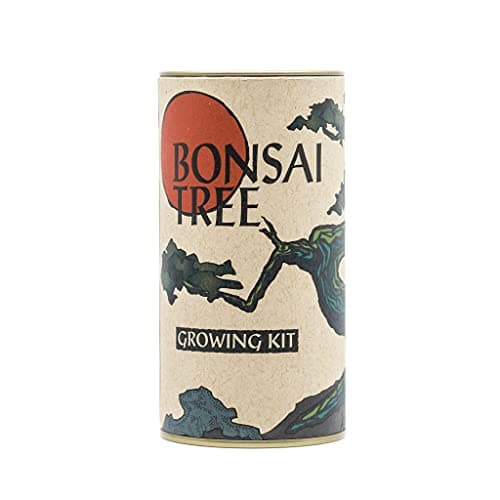
+ Includes seeds, growing medium, a mini-greenhouse and detailed instructions, so nothing else is needed to start
From our guide: Best Bonsai Seeds for Growing Trees From Scratch
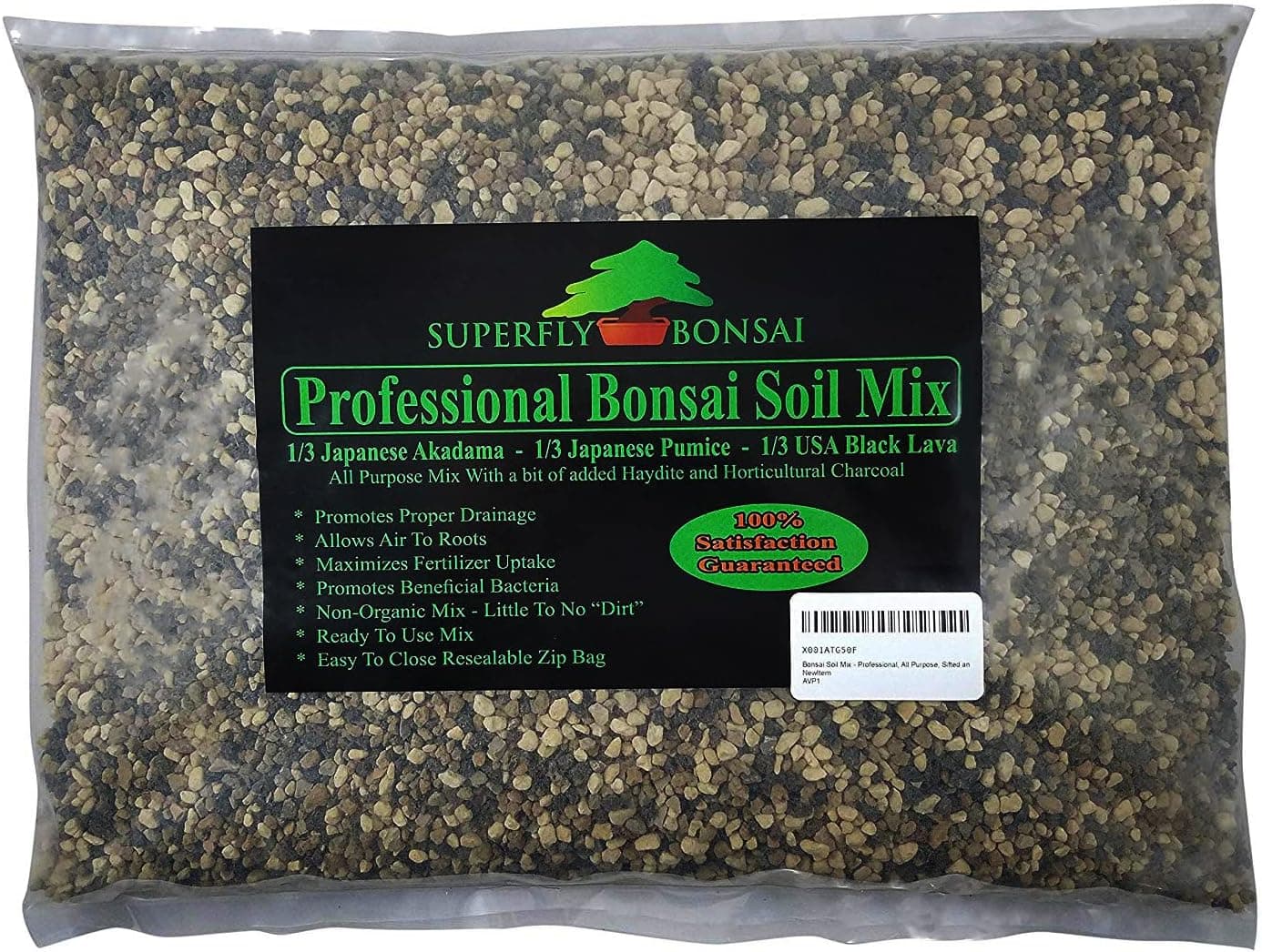
+ 6 quart bag lowers the cost per quart for bigger collections
From our guide: Best Premixed Bonsai Soil
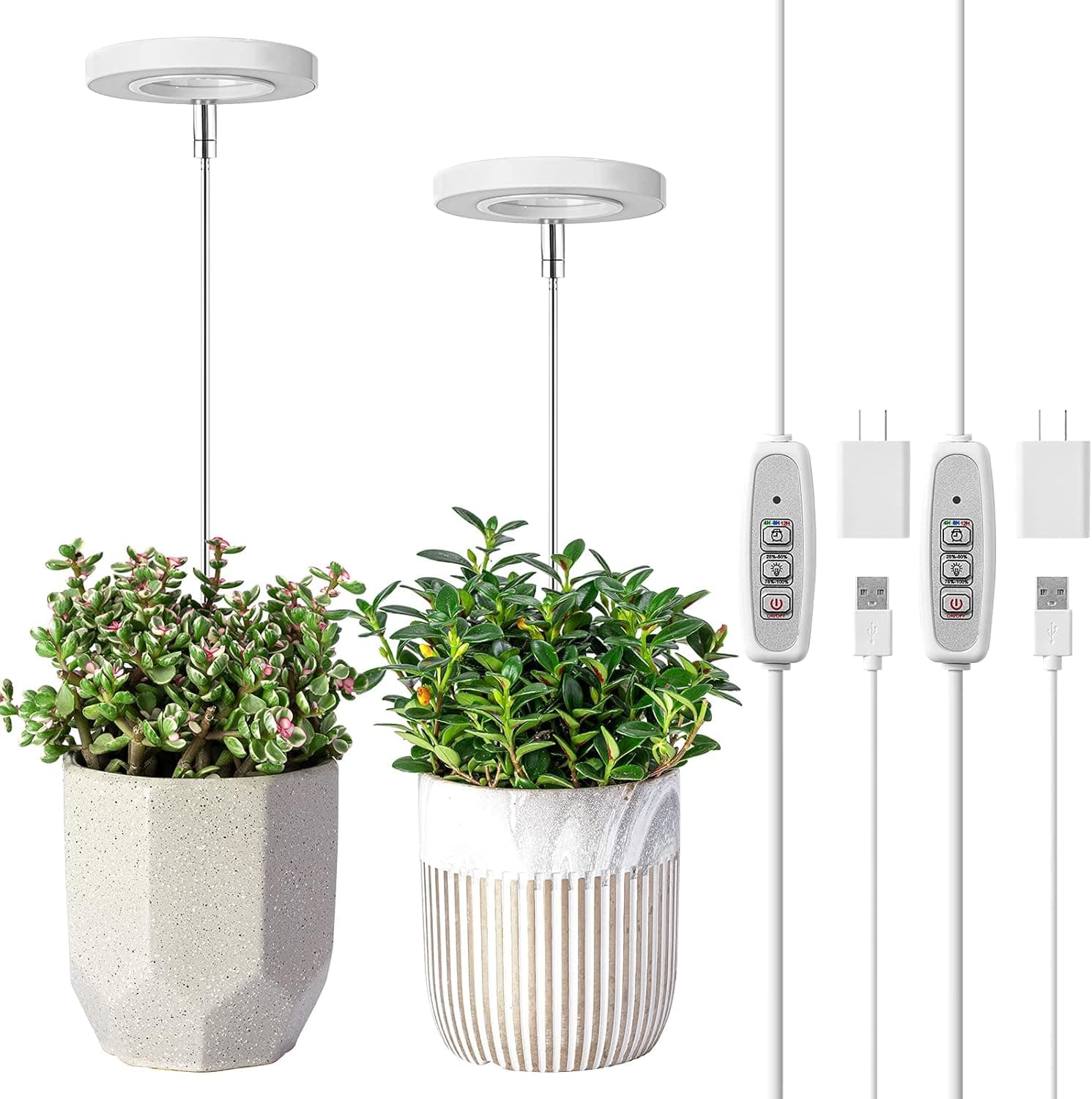
+ 2 lights cover two trees or one tree from both sides
From our guide: Best Grow Lights for Bonsai
+ 150 seeds in one pack, enough to sow a whole tray and select the seedlings with the best low growth and root spread
From our guide: Best Bonsai Seeds for Growing Trees From Scratch
Start with the right pit
Use the pit from a ripe avocado and handle it gently. Rinse off all the flesh under lukewarm water, but leave the thin brown seed coat in place, since peeling it can damage the seed. Any variety grown for eating works, though Hass pits are the most common and perfectly fine for a seedling plant.
Look at the shape. One end is broad and flat, and the other is slightly pointed. Roots emerge from the broad end and the shoot grows from the pointed end, so you need to know which is which before you put it in water or soil. Plant it soon after removing it from the fruit, because a pit that dries out for days is much less likely to sprout.
The water method: toothpicks and a glass
Push three or four toothpicks into the pit around its middle, angled slightly downward, so the pit can rest on the rim of a glass or jar. Fill the glass so the water just covers the bottom third to half of the pit, with the broad end down. Set it somewhere warm and bright, out of harsh direct sun.
Change the water every week, or sooner if it turns cloudy, to keep mold and rot away. The seed coat will dry and split first, then a taproot appears, followed by a shoot from the top. Timing varies a lot: some pits root in two weeks, others take two months. If nothing has happened after about eight weeks, or the pit turns soft and smells bad, start over with a fresh one.
The soil method and potting up
You can skip the water stage by planting the pit directly in a pot with drainage holes, broad end down, with the top third to half of the seed above the soil line. Keep the mix lightly moist, not wet. This avoids the shock of moving a fragile water root into soil, but you cannot watch progress.
If you started in water, pot up when the root is about 3 to 4 inches long and the stem has produced a few leaves. Use a pot 6 to 8 inches wide with drainage and a loose, fast-draining mix rather than dense potting soil. A blend of potting soil with extra pumice or perlite works, and a bonsai-style mix drains even faster. See our guide to [premixed bonsai soil](/best/best-premixed-bonsai-soil) if you want a ready-made option. Keep the top of the seed exposed, never buried.
Cover the drainage holes with mesh so the mix stays in and water runs out freely, as described in our [drainage mesh guide](/best/best-drainage-mesh).
Light, water and temperature
Avocados are tropical to subtropical and want as much bright light as you can give them, ideally several hours of direct sun from a south or west window. Without enough light, seedlings stretch into tall, thin stems with sparse leaves. A [grow light](/best/best-grow-lights-for-bonsai) can fill the gap in winter. Keep them above roughly 50 F and away from cold drafts, and move them outdoors only after nights are reliably warm.
Water when the top inch or so of the mix feels dry, and let the excess drain away. Overwatering is the most common way to lose a seedling: yellowing leaves and a drooping plant in wet soil point to root trouble. Brown, crisp leaf tips usually come from salt buildup or dry air, so flush the pot with plenty of water now and then and feed lightly in the growing season.
Pinching for a compact, branched tree
Left alone, an avocado seedling grows one tall stem with leaves only near the top. When it reaches about 6 to 8 inches, cut or pinch the top back to roughly 3 to 4 inches, just above a leaf node. This feels harsh, but it triggers side shoots and gives you a fuller plant. Repeat the pinch each time a new shoot gets to 6 inches or so.
A seedling grown this way stays bushy and manageable on a windowsill for years. Do not expect fruit. Avocados from seed do not come true to the parent, and indoor plants rarely flower, if they do at all, until they are many years old.
Can you turn it into a bonsai?
Yes, within limits. Avocado leaves are large and do not shrink much with pot restriction, so the result is more of a miniature tree with a defined trunk than a classic small-leaf bonsai. The usual route is to let the seedling grow in a larger pot for a few years to thicken the trunk, then cut it back hard and begin shaping with pruning and light wiring while the wood is still young and flexible.
Repot every one to two years in spring or early summer, trimming back the roots by a fraction, and move into a shallower pot gradually. Our article on [growing bonsai from seed](/blog/growing-bonsai-from-seed-realistically) explains how long this kind of project takes, and the [bonsai seeds guide](/best/best-bonsai-seeds) covers species that suit the method better.
Frequently asked questions
How long does an avocado pit take to sprout? Most take 2 to 8 weeks to show a root, and some take longer. Warmth and a fresh pit help. If there is no change by about 8 weeks, try a new pit.
Which end of the avocado pit goes down? The broad, flatter end goes down, into the water or soil. The pointed end faces up, and that is where the shoot grows.
Will an avocado grown from a seed give fruit? Rarely. Seedling trees take many years, often a decade or more, to flower, and indoor plants may never fruit. Grow it for the foliage.
Should I use water or soil? Both work. Water lets you watch the root and shoot develop, while soil avoids a transplant step. Pot up from water once the root is 3 to 4 inches long.
Popular right now
- Common Bonsai Styles Explained and When to Use ThemArticle
- Bonsai Wire Gauge ChartArticle
- How to Bring Tropical Bonsai Indoors for WinterArticle
- One-third rule explainedGlossary
- Guy wire anchoring explainedGlossary
- Best Bonsai Tool SetsBuying guide
Based on the last 28 days of search and visitor data.