How to Bring Tropical Bonsai Indoors for Winter
Published How we research
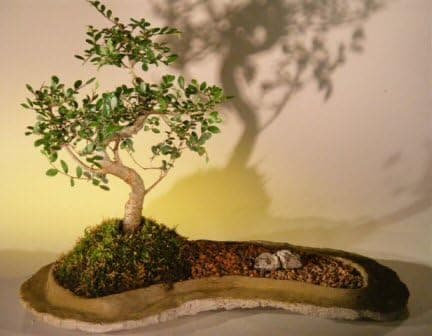
Many tropical and subtropical bonsai, such as ficus, jade, serissa and fukien tea, grow best outdoors in summer, where they get strong light and fresh air. When autumn arrives, they need to come back indoors before cold nights damage them. The move from bright outdoor conditions to a heated home is a big change, and doing it carefully prevents pests hitching a ride and reduces leaf drop.
Watch night temperatures
Tropical bonsai generally dislike cold nights, and many growers bring them in once night temperatures regularly fall below about 50-55°F (10-13°C). Check care guidance for each species, since some, like ficus and jade, tolerate cooler conditions better than delicate tropicals.
Do not wait for the first frost warning. Moving trees before the weather turns cold gives them time to adjust while indoor and outdoor conditions are still fairly similar.
Inspect for pests before moving
Trees that spent the summer outside can carry insects such as aphids, spider mites, scale and mealybugs, which multiply quickly in warm indoor air. Inspect the undersides of leaves, branch junctions and the soil surface carefully.
Rinse foliage with water and treat any pests with an appropriate horticultural product before moving trees inside. Keeping newly moved trees slightly apart from houseplants for a couple of weeks helps catch problems early.
Clean pots and soil surface
Remove fallen leaves, weeds and debris from the soil surface, which can harbour pests and fungal spores. Check drainage holes are clear and pots are clean.
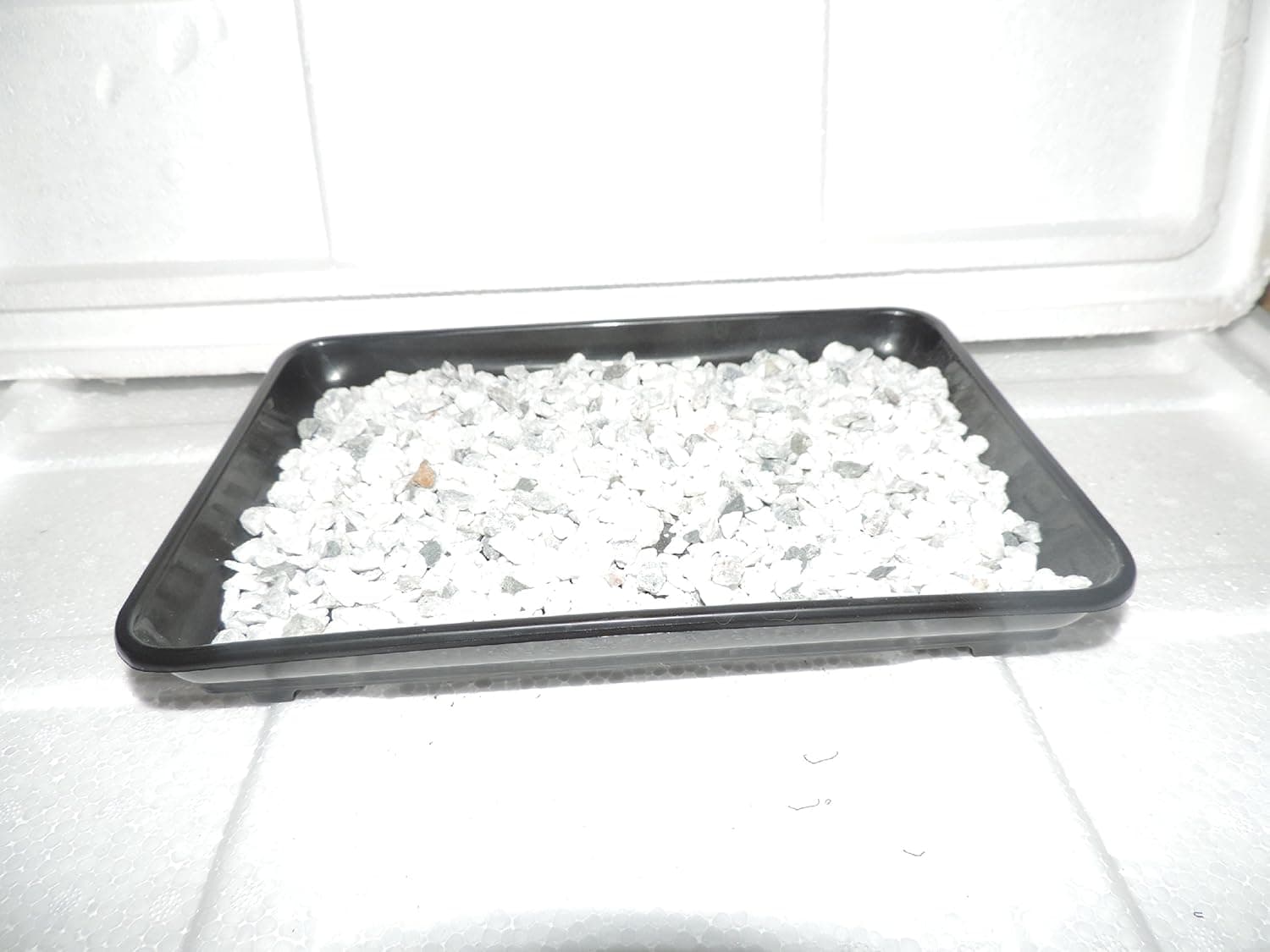
Place pots on humidity trays or saucers to protect indoor surfaces from drips. Avoid leaving pots standing in water.
Find the brightest indoor spot
Indoor light is far weaker than outdoor sunlight, and many tropical bonsai drop leaves as they adjust. Place them near the brightest window, away from cold drafts.
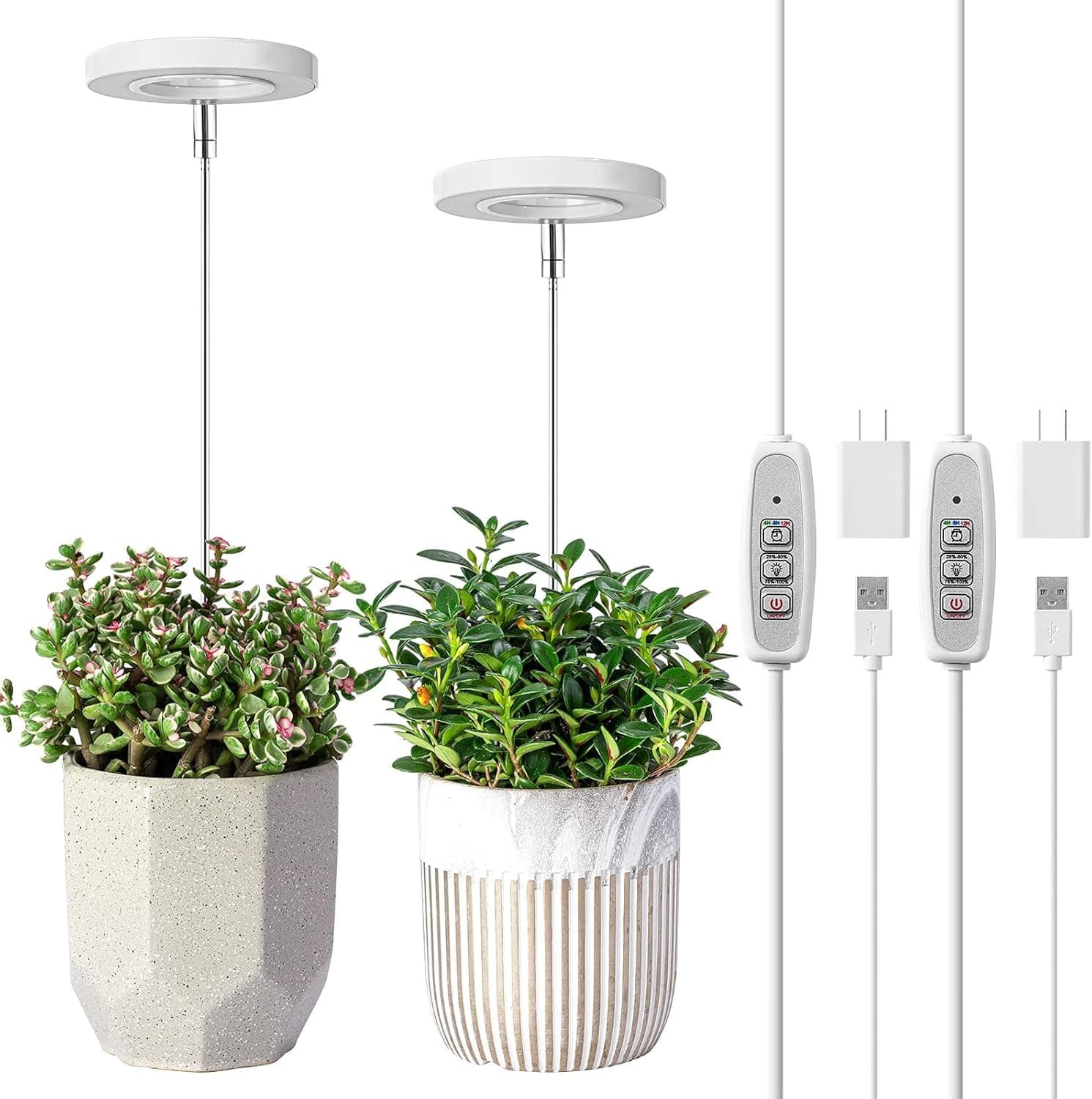
Grow lights help maintain healthy growth through short winter days. Position lights close enough to be effective and run them on a timer.
Adjust watering and feeding
Indoor conditions change how quickly soil dries. Heated rooms may dry soil fast, while cooler rooms slow drying. Check soil moisture regularly rather than following summer routines.
Reduce fertilising as growth slows in lower light. Resume normal feeding when growth increases in spring.
Manage humidity and heat
Heating dries the air, which can stress tropical trees. Use humidity trays and keep trees away from radiators and heating vents.
Keep temperatures stable and avoid placing trees in cold windowsills at night. Stable, bright conditions make winter indoors much easier.
Products from this article
The highest-scoring picks from the buying guides mentioned above. Scores are our editorial assessment, not customer ratings.
+ Chinese elm is one of the most forgiving species for indoor growers
From our guide: Best Indoor Bonsai Trees
+ 2 lights cover two trees or one tree from both sides
From our guide: Best Grow Lights for Bonsai
+ Pebbles are included, so the tray works as a humidity tray right away
From our guide: Best Humidity Trays for Bonsai
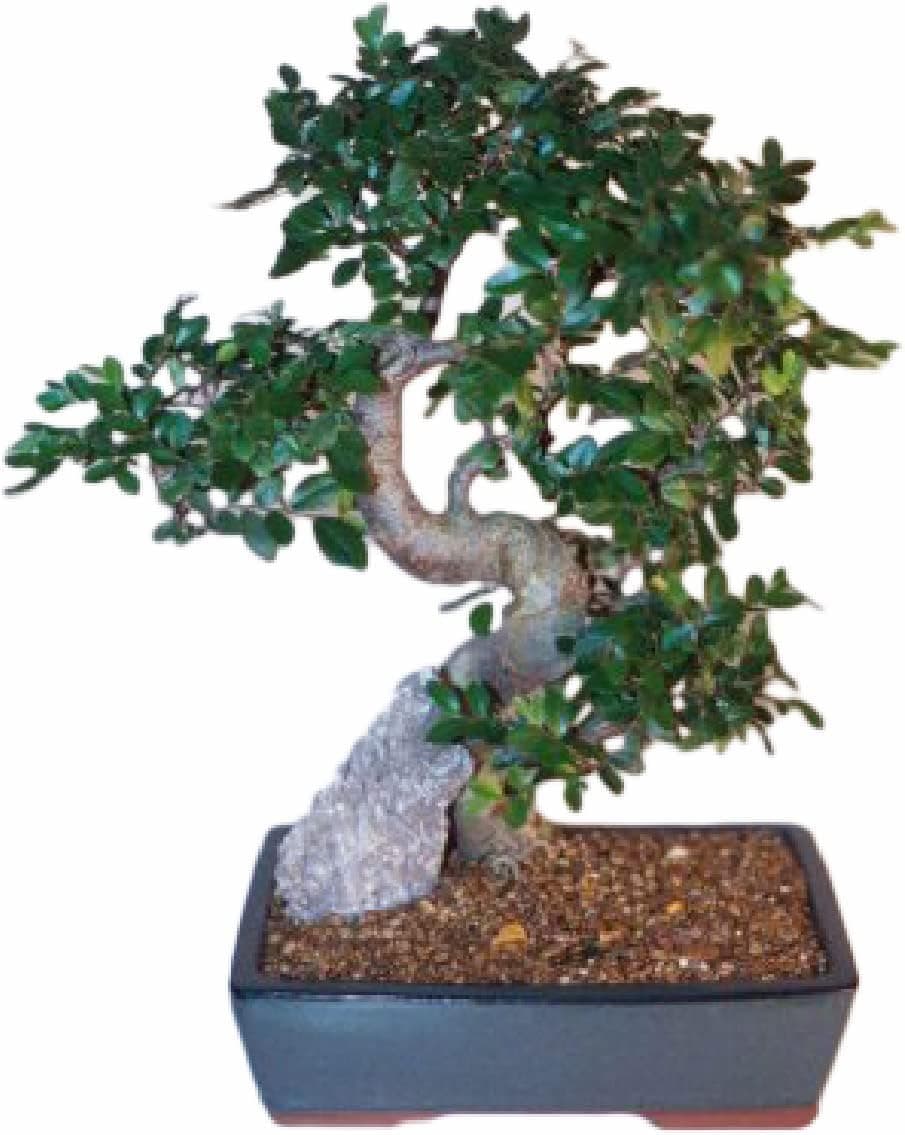
+ Curved trunk and 14 years of growth give a mature, styled appearance
From our guide: Best Indoor Bonsai Trees
Popular right now
- Choosing the Right Bonsai Pot for Your TreeArticle
- Best Raffia and Wrapping for BonsaiBuying guide
- Bonsai Display and Presentation Basics at Home and at ShowsArticle
- Moss and Accent PlantingArticle
- Best Bonsai Seed KitsBuying guide
- Pinching vs CuttingArticle
Based on the last 28 days of search and visitor data.