Indoor vs Outdoor Bonsai
Published How we research
The single most damaging myth in bonsai is that it is an indoor hobby. Bonsai are ordinary trees, and most of the species used are temperate: junipers, pines, maples, elms, larches, and their relatives evolved to stand outside through summer heat and winter cold. Bringing one into a heated living room removes the light it needs, removes the seasonal cues it depends on, and dries the air around its foliage. It rarely dies quickly, which is precisely what makes the mistake so common. It fades over a few months while the owner assumes something else is wrong.
Temperate trees need a genuine dormant period. As days shorten and temperatures fall, they slow down, drop leaves if deciduous, and rest. That rest is not optional decoration in their life cycle. It is when the tree recovers and resets for the next flush of growth. A juniper kept at a steady twenty degrees all year never gets that rest, and it gradually exhausts itself. If you own a temperate species, plan for it to live outdoors permanently, with winter protection appropriate to your climate rather than a move indoors.
That said, indoor bonsai is entirely legitimate if you choose species that come from climates without a cold season. Ficus is the workhorse: retusa, microcarpa, and benjamina all tolerate indoor conditions, recover from mistakes, and thicken reasonably fast. Chinese elm sits on the boundary and does well either indoors in a bright spot or outdoors in mild climates. Jade and portulacaria afra are succulent and thrive on the dry indoor air that kills other species. Carmona, serissa, and fukien tea are sold as indoor trees but are considerably fussier and are best left until later.
Light is the limiting factor indoors, and people consistently underestimate the gap. A bright-looking room may deliver a small fraction of the light available on a shaded patio, because our eyes adjust and the numbers do not. Place indoor trees directly at the brightest window you have, usually south facing in the northern hemisphere, with no curtain between the tree and the glass. If foliage becomes sparse, leaves grow unusually large and thin, or internodes stretch long between leaves, the tree is telling you it is reaching for light. A simple full-spectrum grow lamp on a timer for ten to twelve hours a day solves this cheaply.
Humidity and air movement are the second pair of problems. Heated indoor air is dry, and still air encourages both weak growth and pest populations. A humidity tray, which is a shallow dish of pebbles and water that the pot sits above rather than in, raises local humidity a little. Grouping plants together helps more. Cracking a window when weather allows, or running a small fan on low nearby, discourages spider mites, which love hot dry stagnant conditions and are the most common indoor bonsai pest by a wide margin.
A useful middle path is to treat indoor trees as summer visitors to the outdoors. Ficus and jade both benefit enormously from spending late spring through early autumn outside, where real sunlight and wind produce compact growth that indoor conditions never match. Move them out gradually over a week or two once nights are reliably warm, starting in shade so the foliage is not scorched, and bring them back in before nights turn cold. The tree will put on more useful development in one outdoor summer than in three indoor years.
Decide the location first, then choose the species to match. Working the other way round, by falling for a tree and then hoping your home suits it, is how most beginners lose their first bonsai.
Products from this article
The highest-scoring picks from the buying guides mentioned above. Scores are our editorial assessment, not customer ratings.
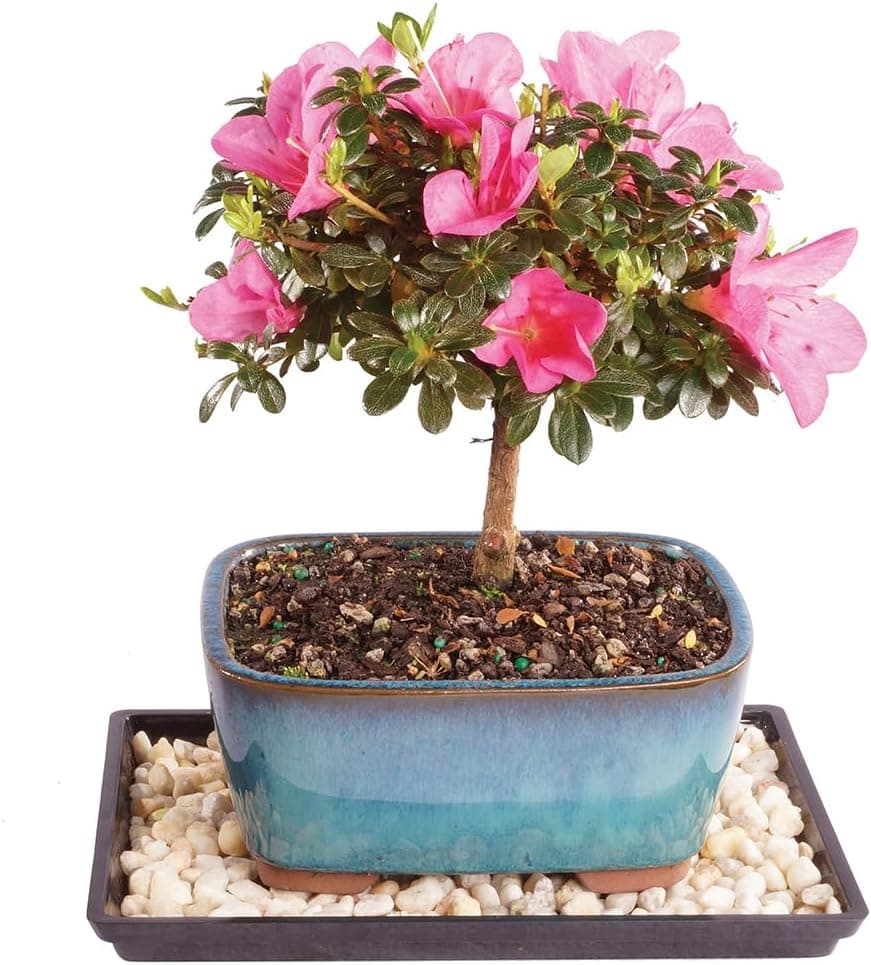
+ Medium size shows off more flowers than the small version
From our guide: Best Outdoor Bonsai Trees
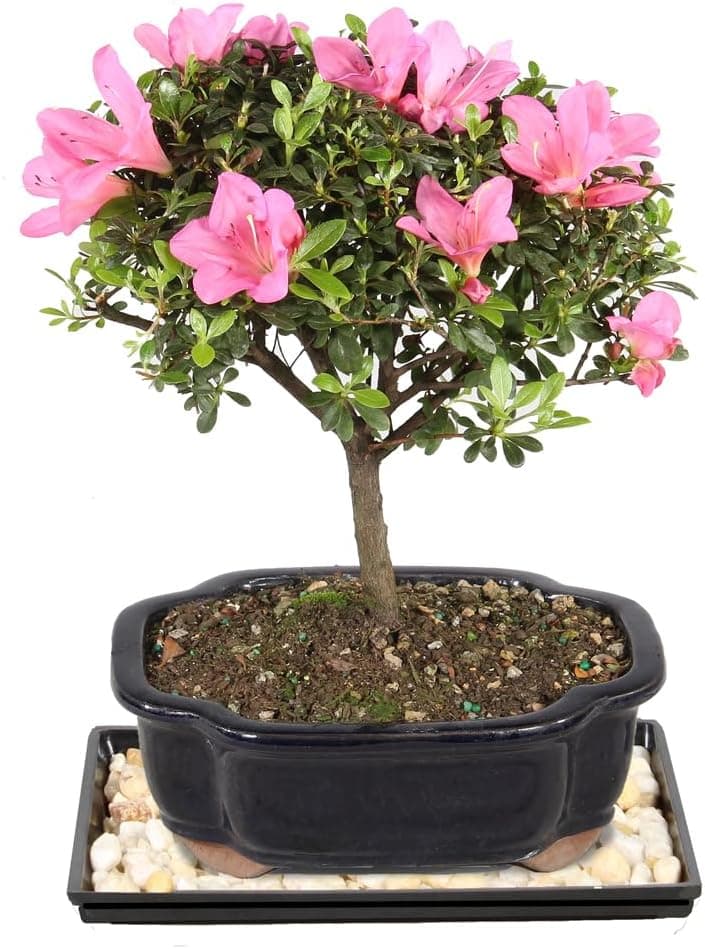
+ Chinese elm is one of the most forgiving species for indoor growers
From our guide: Best Indoor Bonsai Trees
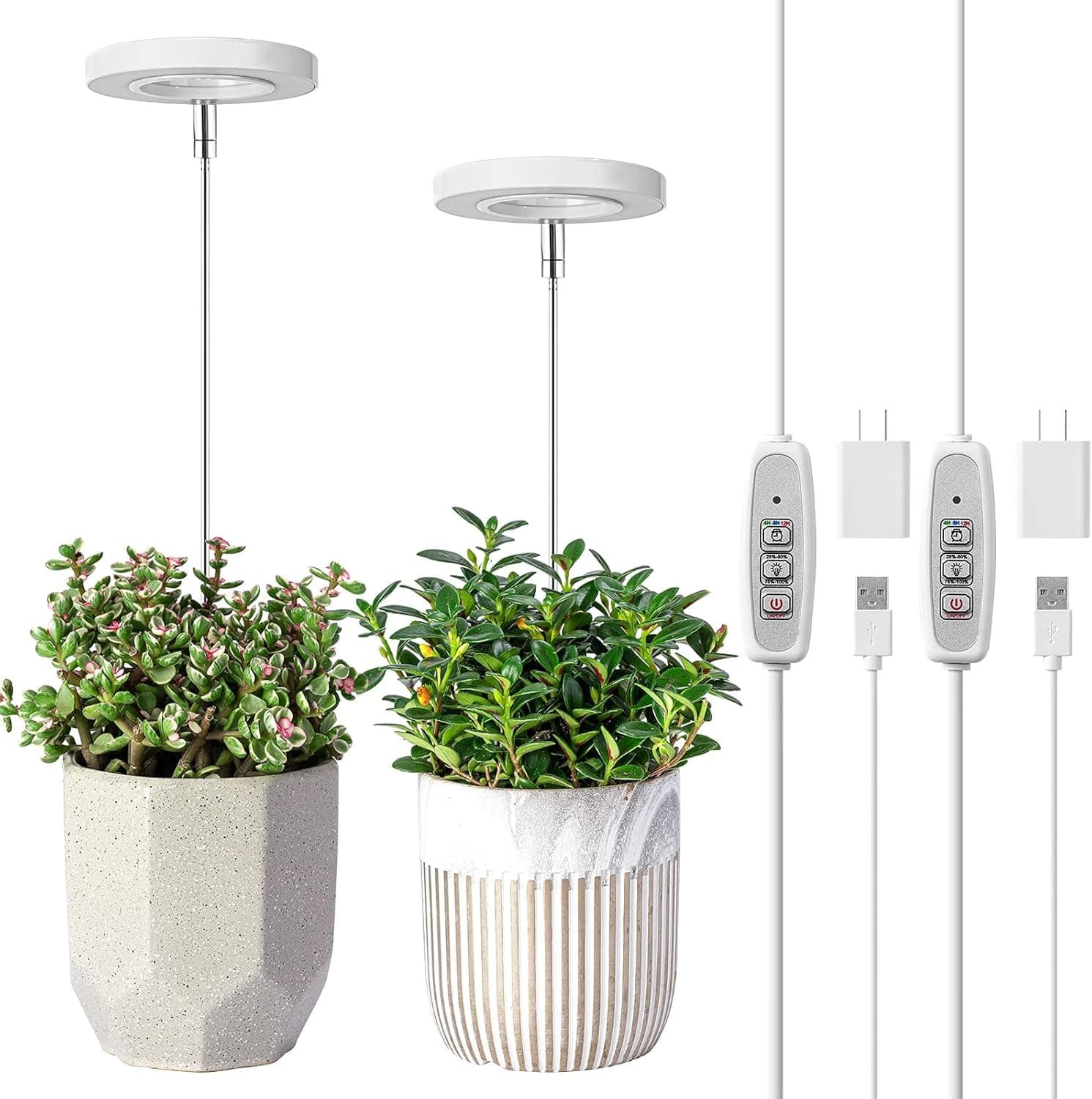
+ 2 lights cover two trees or one tree from both sides
From our guide: Best Grow Lights for Bonsai
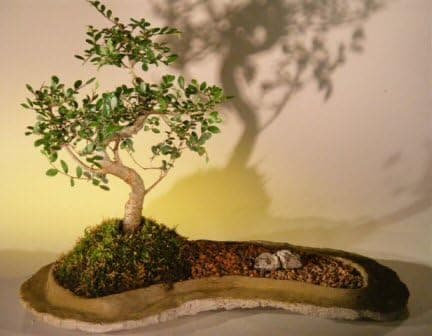
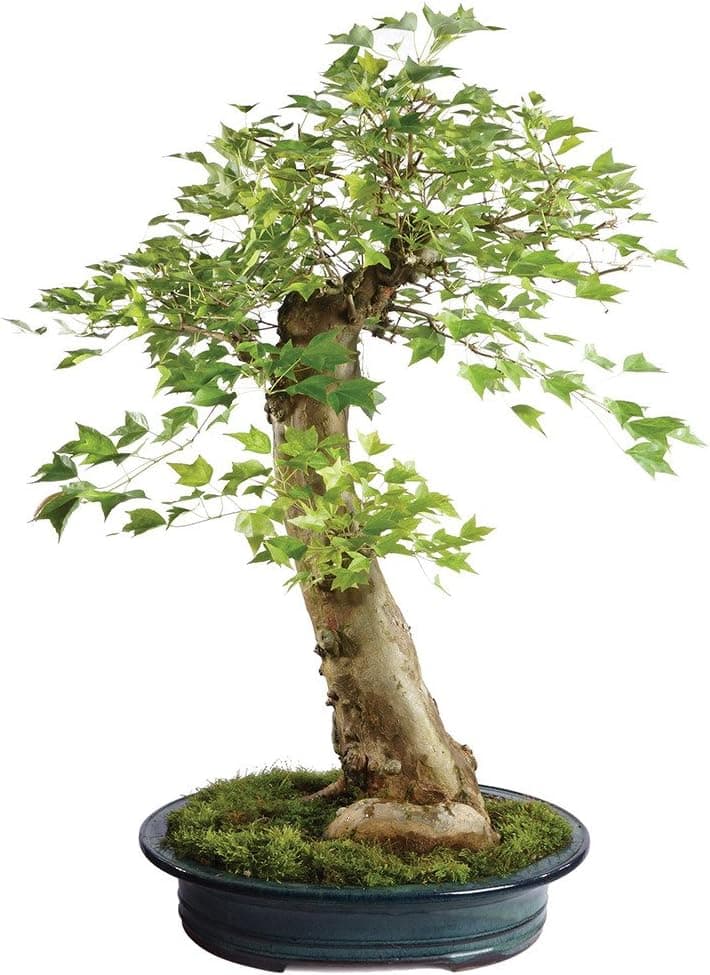
+ 45 years old specimen has a thick trunk and mature root flare
From our guide: Best Outdoor Bonsai Trees
At a glance: Indoor bonsai vs Outdoor bonsai
| Indoor bonsai | Outdoor bonsai | |
|---|---|---|
| Species | Ficus, jade, Schefflera, Carmona | Juniper, maple, pine, elm |
| Light | Brightest window or grow light | Full outdoor light |
| Winter | Warm and bright year round | Needs cold dormancy |
| Growth | Slower indoors | Vigorous in season |
| Common failure | Too little light | Keeping them indoors |
| Best for | Apartments without outdoor space | Patios, balconies and gardens |
Choose Indoor bonsai if
- You have no outdoor space
- You live in a cold climate with no balcony
- You want a tree on a desk or windowsill
Choose Outdoor bonsai if
- You have a balcony or garden
- You want traditional species
- You can protect roots in winter
Bottom line: Junipers sold as indoor bonsai usually decline indoors. Match the species to where it will actually live and it will do far better.
Popular right now
- Choosing the Right Bonsai Pot for Your TreeArticle
- Best Raffia and Wrapping for BonsaiBuying guide
- Bonsai Display and Presentation Basics at Home and at ShowsArticle
- Moss and Accent PlantingArticle
- Best Bonsai Seed KitsBuying guide
- Pinching vs CuttingArticle
Based on the last 28 days of search and visitor data.