Common Bonsai Styles Explained and When to Use Them
Published How we research
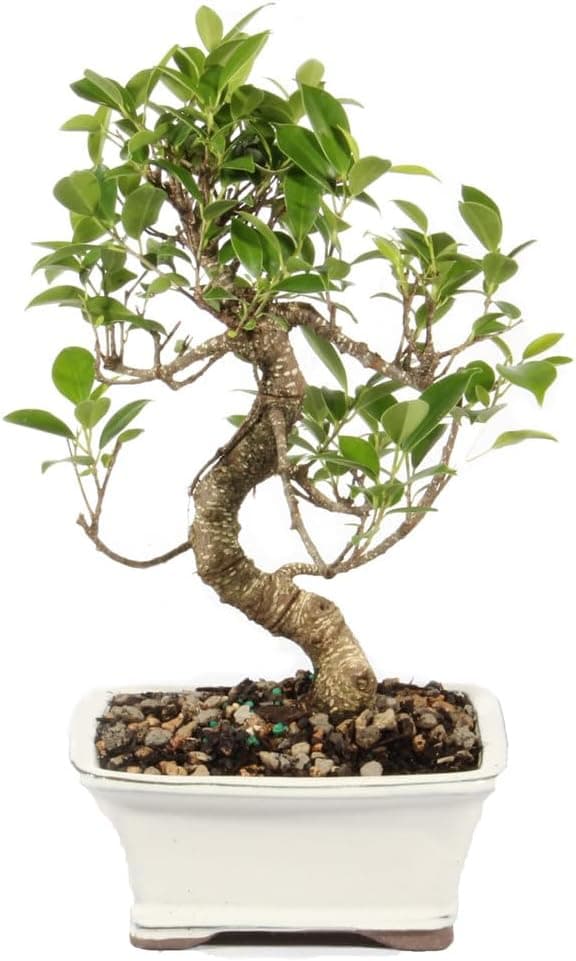
Bonsai styles are a diagnostic vocabulary, not rules: look at your tree's trunk and ask which style it's already close to. Upright styles range from the unforgiving formal upright (chokkan) to the beginner-friendly informal upright (moyogi). Leaning and windswept styles narrate a tree shaped by circumstance, while cascade styles depict cliff-dwelling trees, needing deep pots and vigilance about vigor. Twin trunk, forest, and root-over-rock styles are defined by trunk count or origin. Literati and broom sit apart, each with distinct proportion rules. Choose the style requiring the least change from what the material already shows. The traditional bonsai styles are not a set of rules to obey. They are a shared vocabulary for describing shapes that occur in nature, developed so that growers can discuss a tree without pointing at it. Knowing them is useful for two reasons: it gives you language, and it gives you a starting point when you are staring at a shapeless nursery shrub with no idea what to do. The best use of the style list is diagnostic. You look at the trunk you have and ask which style it is already close to, rather than choosing a style you like and forcing the tree into it.
The upright styles are defined by the trunk
The upright styles are defined by the trunk. Formal upright, chokkan, has a perfectly straight vertical trunk with even taper and branches decreasing in size toward the apex. It suggests a tree that grew in ideal open conditions with no competition, and it is unforgiving, because any flaw in a straight trunk is obvious. Informal upright, moyogi, is the workhorse of the hobby: the trunk rises broadly upright but curves, with the apex generally positioned over the base and branches placed on the outside of curves. Most nursery material can be developed toward informal upright, and most beginner trees end up there.
The leaning and windswept group suggests circumstance
The leaning and windswept group suggests trees shaped by circumstance. Slanting, shakan, has a straight or gently curved trunk leaning clearly to one side, as if it grew toward light or was pushed by prevailing conditions, with roots on the opposite side visibly gripping to balance the lean. Windswept, fukinagashi, takes this further: all branches sweep to one side as though the tree has spent its life in constant wind. Both styles read as narrative, and both need the whole tree to commit to the story, including the root spread and the angle of the foliage.
Cascade styles depict trees on cliffs and slopes
Cascade styles depict trees on cliffs and slopes. Semi-cascade, han-kengai, has a trunk that grows out and then down, with the lowest foliage falling below the rim of the pot but not below its base. Full cascade, kengai, drops below the base of the pot entirely and is displayed on a stand for that reason. Both use deep pots for visual balance, and both require attention to vigour, because a tree's energy naturally moves upward and the lowest cascading growth tends to weaken while an upward shoot near the base tries to take over.
Several styles are defined by trunk count or origin
Several styles are defined by trunk count or origin rather than direction. Twin trunk, sokan, has two trunks from one root base, one clearly dominant. Clump and forest plantings use multiple trees or trunks to suggest a grove, and depend on varied heights and thicknesses to look natural rather than planted in rows. Raft style comes from a fallen trunk whose branches have become individual trees. Root over rock, where roots grip a stone before entering the soil, and growing in a rock crevice are both ways of adding a second element to the composition.
Two styles sit apart from the rest
Two styles sit apart. Literati, bunjingi, is a tall slender trunk with dramatic movement and very little foliage, usually only near the top, evoking a tree that survived in poor conditions among competitors. It breaks most conventional proportion rules deliberately and depends entirely on the quality of the trunk line. Broom style, hokidachi, is the opposite: a straight trunk dividing into a dense, evenly radiating crown, which suits fine-twigged deciduous species such as zelkova and looks best in winter with the branch structure exposed.
Let the material lead when choosing a style
When choosing, let the material lead. Look at the trunk's thickest and most interesting movement, find the front that shows it best, and pick the style that requires you to change the least. A tree fighting its own natural direction almost never convinces, while a modest tree developed sympathetically along the line it already has will look like a tree rather than a project.
Frequently asked questions
What is the difference between formal and informal upright bonsai? Formal upright (chokkan) has a perfectly straight vertical trunk with even taper, unforgiving of any flaw, while informal upright (moyogi) curves broadly and is far more forgiving, which is why most nursery material and beginner trees develop toward it.
What is the difference between semi-cascade and full cascade bonsai? Semi-cascade (han-kengai) has foliage falling below the pot's rim but not below its base, while full cascade (kengai) drops below the base of the pot entirely and is displayed on a stand.
What is literati style bonsai? A tall, slender trunk with dramatic movement and very little foliage, usually only near the top, evoking a tree that survived in poor conditions among competitors, breaking most conventional proportion rules deliberately.
How do I choose the right bonsai style for my tree? Look at the trunk's thickest and most interesting movement, find the front that shows it best, and pick the style that requires you to change the least, since a tree fighting its natural direction rarely convinces.
Products from this article
The highest-scoring picks from the buying guides mentioned above. Scores are our editorial assessment, not customer ratings.
+ Ficus tolerates indoor conditions far better than juniper, so it suits apartments
From our guide: Best Pre-Bonsai Stock to Buy
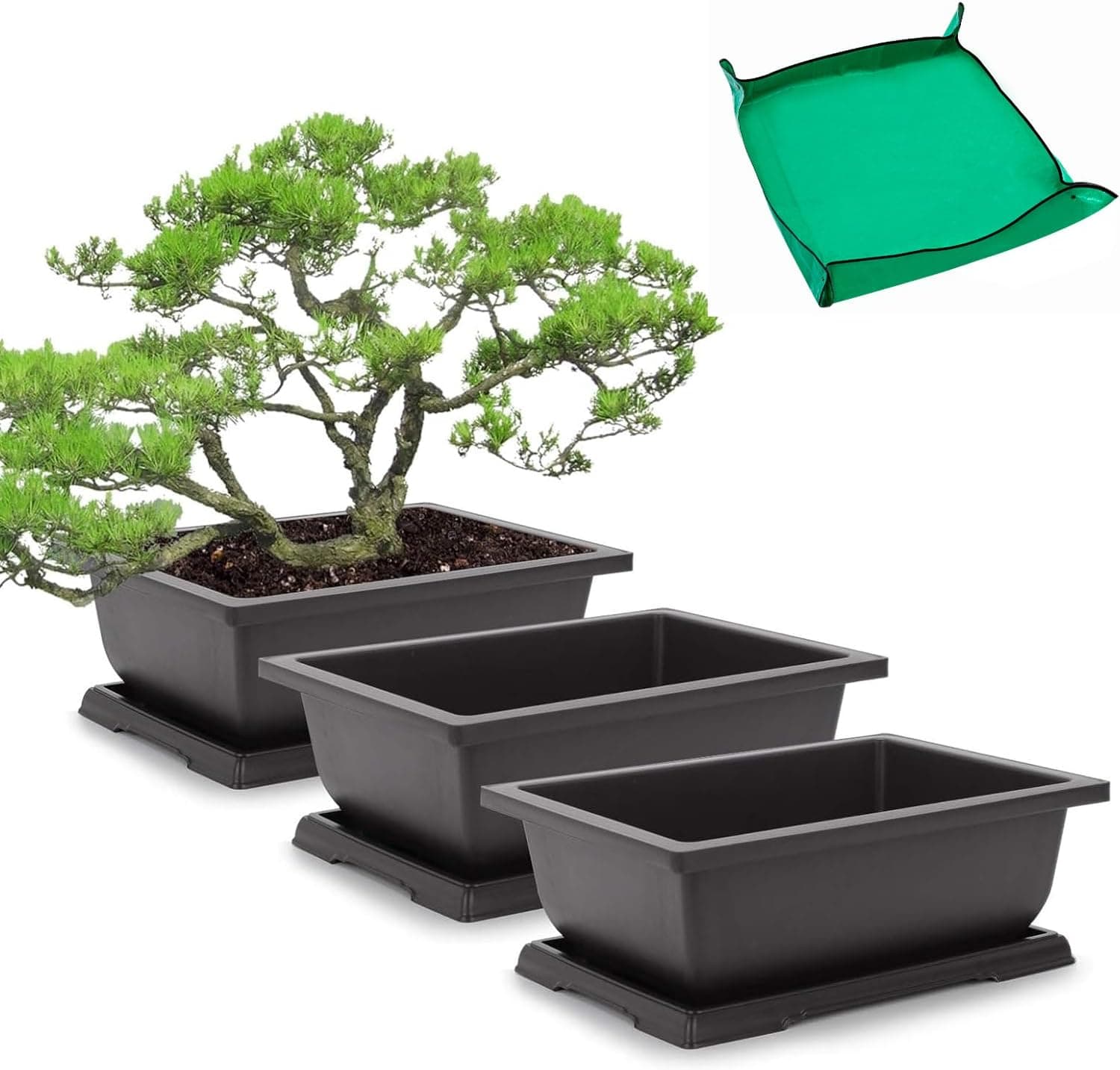
+ Repotting mat keeps soil contained when working indoors
From our guide: Best Bonsai Pots
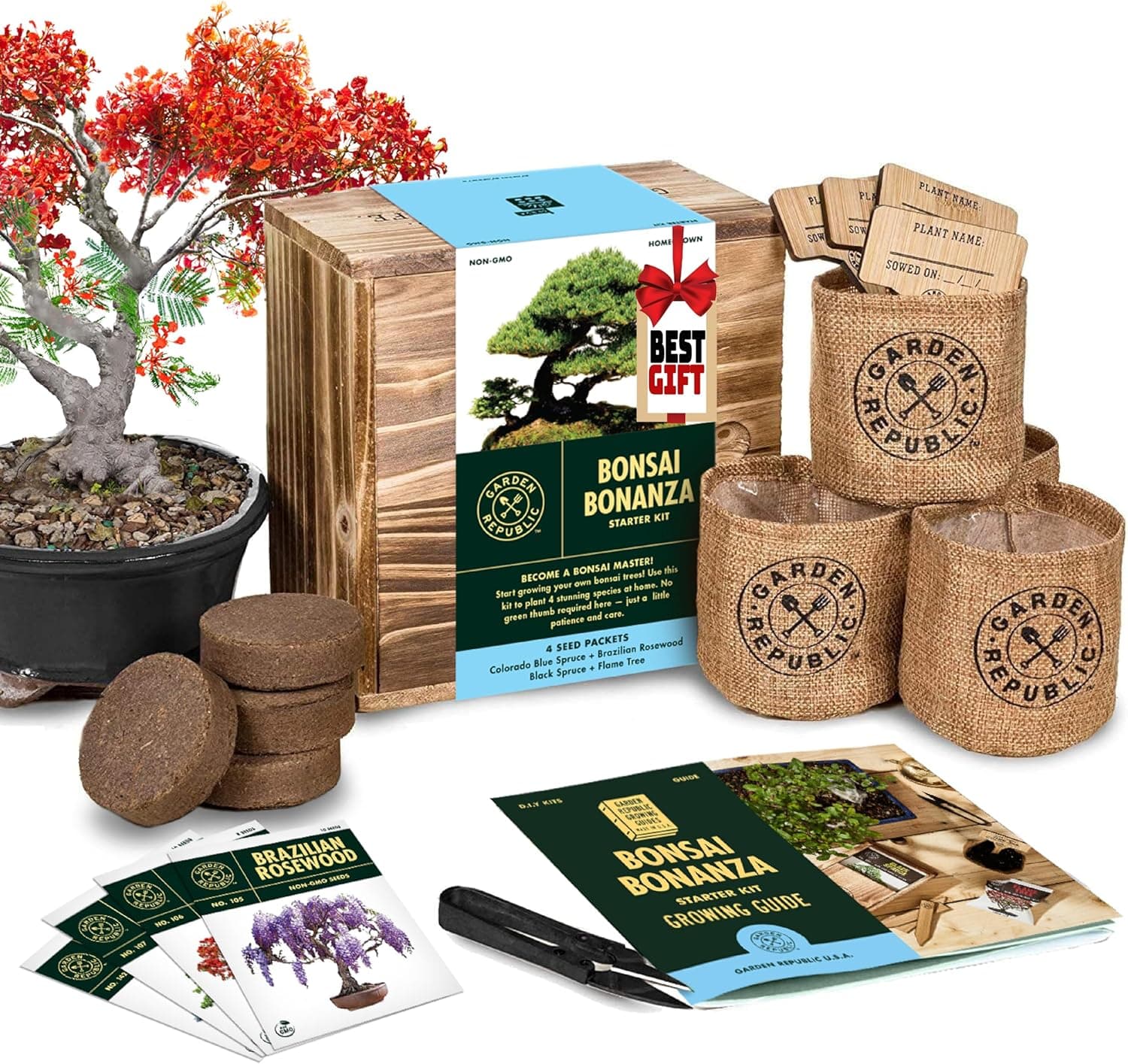
+ Plant markers help track which seedling is which as they sprout
From our guide: Best Bonsai Seed Kits
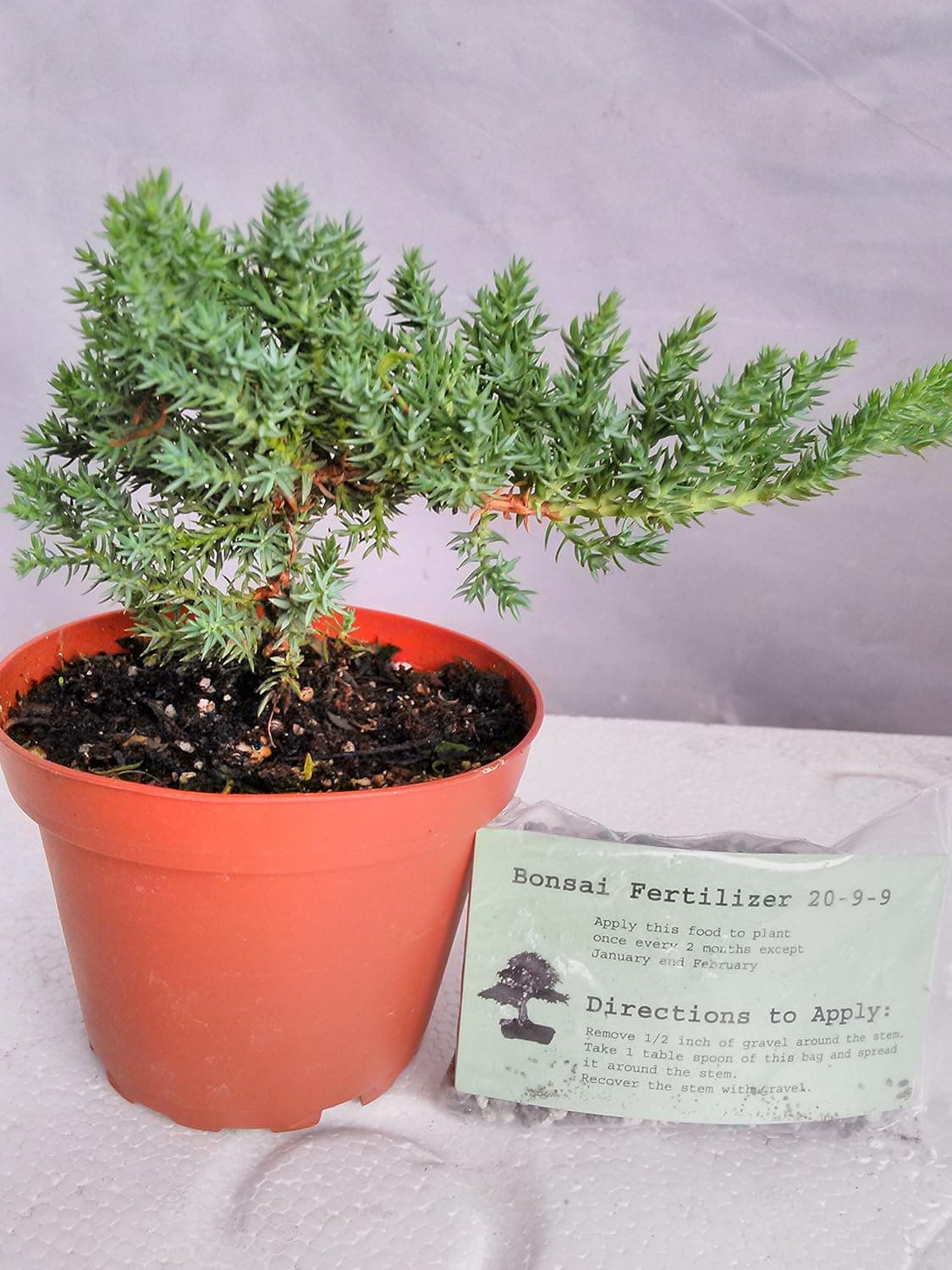
+ Named cultivar Juniperus procumbens Nana tells you exactly what you are getting
From our guide: Best Pre-Bonsai Stock to Buy
Popular right now
- Choosing the Right Bonsai Pot for Your TreeArticle
- Best Raffia and Wrapping for BonsaiBuying guide
- Bonsai Display and Presentation Basics at Home and at ShowsArticle
- Moss and Accent PlantingArticle
- Best Bonsai Seed KitsBuying guide
- Pinching vs CuttingArticle
Based on the last 28 days of search and visitor data.