How Long Do Bonsai Trees Live? Lifespan and What Affects It
Published How we research
A well-kept bonsai can live for decades, and some famous specimens are reported to be several centuries old. A store-bought bonsai that is neglected can die within a year or two. The difference has little to do with the tree being fragile. A bonsai is a normal tree in a small pot, so its lifespan depends on the species and on how reliably you handle water, light, winter and repotting. Here is what to expect and what shortens a tree's life.
Products from this article
The highest-scoring picks from the buying guides this article links to. Scores are our editorial assessment, not customer ratings.
As an Amazon Associate we earn from qualifying purchases. This does not change our picks. Affiliate disclosure
New to Prime? Try Prime free for fast, free shipping on eligible items.
+ Dwarf jade tolerates dry indoor air and missed waterings very well
From our guide: Best Bonsai Starter Trees for Beginners
+ Classic pumice, lava and clay blend gives fast drainage
From our guide: Best Premixed Bonsai Soil
+ 1.5oz fabric weight is stated, giving a clear warmth level
From our guide: Best Winter Protection Supplies for Bonsai
+ Named cultivar Juniperus procumbens Nana tells you exactly what you are getting
From our guide: Best Bonsai Starter Trees for Beginners
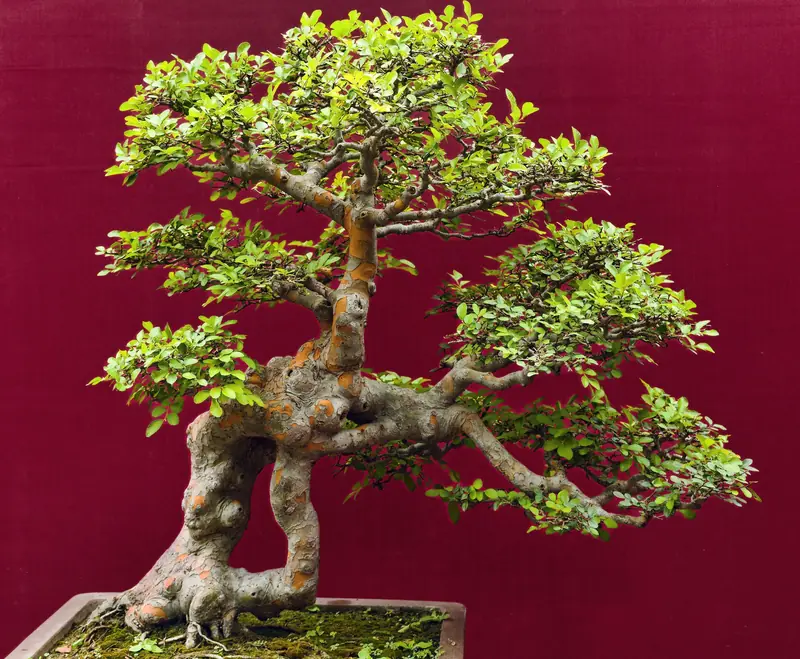
A realistic range for lifespan
There is no guaranteed number. Many species used for bonsai live for a long time in nature, and potted trees can keep going for decades with good care. Reports of very old bonsai exist, but ages quoted for individual trees are often estimates, so take the biggest figures with some caution.
For a typical beginner tree, the realistic goal is simply to keep it healthy through the first few years. Once you have a routine for watering and seasonal care, the tree is usually past the stage where most early losses happen.
It helps to separate the tree's biological lifespan from the lifespan of a particular container planting. Trees in pots are usually repotted, refreshed and sometimes restyled, so a bonsai that is decades old has typically been looked after by several people or by one grower with a steady routine.
Why many bonsai die young
The most common cause is watering. Too little water dries the roots in a shallow pot within a day or two in hot weather, while too much keeps the soil waterlogged and the roots can rot. Both mistakes look similar from above, with yellowing or dropping leaves.
The second cause is the wrong location. A temperate species such as juniper kept indoors year round never gets the cold rest it needs, and gradually weakens. A tropical species left in a draft or a cold window in winter can also decline quickly.
Third is the planting medium. Standard potting mix can hold too much water in a small container, and old, compacted soil restricts the roots. Many early deaths trace back to a tree that was never repotted into suitable soil.
Neglect over a vacation is a quieter cause. A shallow pot can dry out completely in a few hot days, so arrange for someone to water the tree or move it to a shaded spot before you leave.
Species matter: tropical and temperate trees age differently
Some species are simply more forgiving. Many indoor figs tolerate a range of conditions and recover from mistakes, which makes them popular for first trees. Slower outdoor trees such as junipers and pines are often described as long-lived in cultivation, but they are less forgiving about being kept indoors.
Check whether your tree is a tropical species that wants warmth or a temperate one that expects seasons. Matching the tree to your climate and home is the single best step you can take for its long-term survival.
Size and age are not the same thing either. A thick trunk suggests age, but fast-growing species can thicken quickly, and a small tree may be very old if it was kept slow. Do not judge a tree's remaining life by its looks alone.
Habits that help a bonsai live longer
Check the soil every day in warm weather and water when it begins to dry, soaking until water runs from the drainage holes. Give the tree the light its species needs, and add a grow light if your window is dim.
Repot on a sensible schedule. Young, fast-growing trees are often repotted more often than older, slower ones, and the timing depends on the species. Refreshing the soil and trimming the roots keeps the root system healthy and prevents the pot from becoming a solid mass.
Feed during the growing season following the fertilizer directions, and watch for pests so you can deal with them early rather than after the damage is done.
Keep simple notes on watering changes, repotting dates and any pruning. A written record makes it much easier to work out what went wrong if the tree declines, and what went right if it thrives.
Winter and weather: the hidden risks
Outdoor trees face their own risks. In a pot, the roots are more exposed to freezing than they would be in the ground, so many growers protect the pot in hard frost. A tree that survived summer can still be lost over winter if the roots freeze solid or the soil stays soaked.
Hot spells are also dangerous. A small pot in full afternoon sun can heat up and dry quickly, so shade or relocate the tree during extreme heat. Planning for the weather in your region is part of long-term care.
Stress from moving is another factor. Trees adapt to their light and temperature, so a sudden change, such as moving a tree from a sunny nursery to a dim room, can trigger leaf drop. Introduce changes gradually and the tree usually settles.
Signs your tree is on the way out and what to do
Early warning signs include leaves that wilt even when the soil is moist, sudden heavy leaf drop, shriveled twigs and a trunk that feels dry or brittle. Check the roots if you can do so safely, because rotten roots look dark and mushy while healthy roots are firm.
Do not panic and change everything at once. Correct the most likely cause, whether that is watering, light or drainage, and give the tree time to respond. Many weakened trees recover over a full growing season.
If a tree is truly beyond saving, treat it as a lesson. Note what went wrong, choose a species better matched to your conditions and try again. Experience with one tree carries over directly to the next.
Popular right now
- Common Bonsai Styles Explained and When to Use ThemArticle
- Bonsai Wire Gauge ChartArticle
- How to Bring Tropical Bonsai Indoors for WinterArticle
- One-third rule explainedGlossary
- Guy wire anchoring explainedGlossary
- Best Bonsai Tool SetsBuying guide
Based on the last 28 days of search and visitor data.