Repotting Bonsai
Published How we research
Repotting is the most invasive thing you will routinely do to a bonsai, and it is also what keeps the tree healthy for decades. Over time the pot fills with roots, the soil breaks down, water stops penetrating properly, and growth slows. Repotting resets all of that. Done at the right moment with reasonable care, the tree barely notices. Done in the wrong season, it can be a serious setback or worse.
Timing is dictated by the tree, not the calendar on your wall. For most temperate species the window is early spring, when buds have begun to swell and show colour but before they have opened into leaf. At that point the tree is mobilising energy and will push new roots quickly into fresh soil. Repot too early, while it is fully dormant and cold, and cut roots sit inert in wet soil. Repot too late, once leaves have fully expanded, and the tree is spending reserves on foliage it can no longer support with a reduced root system. Tropicals such as ficus are more flexible and are best repotted in warm weather, typically late spring through summer.
Frequency depends on species, age and vigour rather than a fixed interval. Young, fast-growing deciduous trees may need it every one to two years. Mature conifers and refined trees in developed pots often go three to five years or longer. The signals to look for are water sitting on the surface instead of draining away, roots circling visibly at the pot edge or escaping the drainage holes, and a general loss of vigour that has no other explanation. Lifting the tree out for a look costs nothing and tells you more than guessing.
Prepare everything before the tree leaves its pot, because exposed roots should not sit drying while you hunt for supplies. Have fresh sieved soil ready, the pot cleaned with mesh fixed over the drainage holes, anchoring wire threaded through, a root hook or chopstick, sharp scissors, and a watering can filled. Working in shade out of wind makes a real difference, since fine root hairs die within minutes in sun and breeze.
To lift the tree, run a sickle or old knife around the inside edge of the pot, cut any anchoring wire, and ease the root ball out whole. Then comb the roots outward from the centre with a hook or chopstick, working from the underside and the outer edges, teasing away old soil rather than tearing. How much you remove depends on the tree: healthy deciduous species tolerate having a third or more of the root mass combed out and trimmed, while pines and other conifers depend on beneficial root fungi and should be treated far more conservatively, keeping much of the original soil intact. Cut back thick roots cleanly, shorten the outer ring, and keep the fine fibrous roots that actually feed the tree.
Settle the tree into a shallow layer of fresh soil, positioning it slightly off centre and at the height you want, then work more soil in among the roots with a chopstick until there are no air pockets. Air pockets are a genuine hazard, since roots crossing them dry out and die. Tie the tree down firmly with the anchoring wire so it cannot rock, because movement shears off new roots as fast as they form. Then water thoroughly until the runoff is clear.
Aftercare is simple and mostly consists of restraint. Keep the tree in shade and out of wind for two to four weeks, water carefully without letting the soil dry, and skip fertiliser until you see new growth, since cut roots cannot use it and strong feed can burn them. Do not prune, wire, or otherwise stress the tree in the same season if you can avoid it. Give it the summer to rebuild its root system, and it will be far stronger for the work you want to do next year.
Products from this article
The highest-scoring picks from the buying guides mentioned above. Scores are our editorial assessment, not customer ratings.
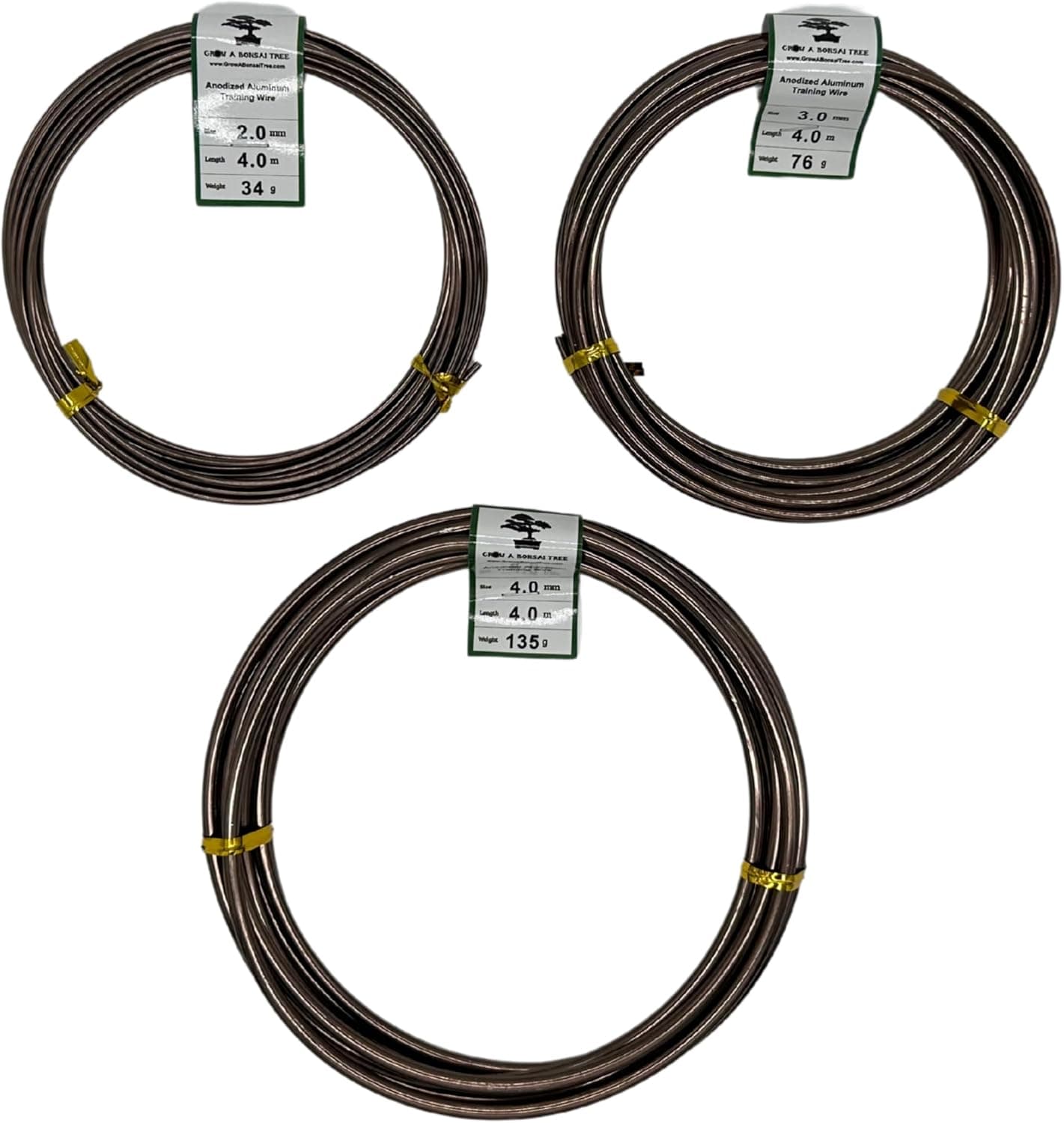
+ 5 gauges let you pick the right wire for each anchor or branch
From our guide: Best Anchor Wire for Repotting Bonsai
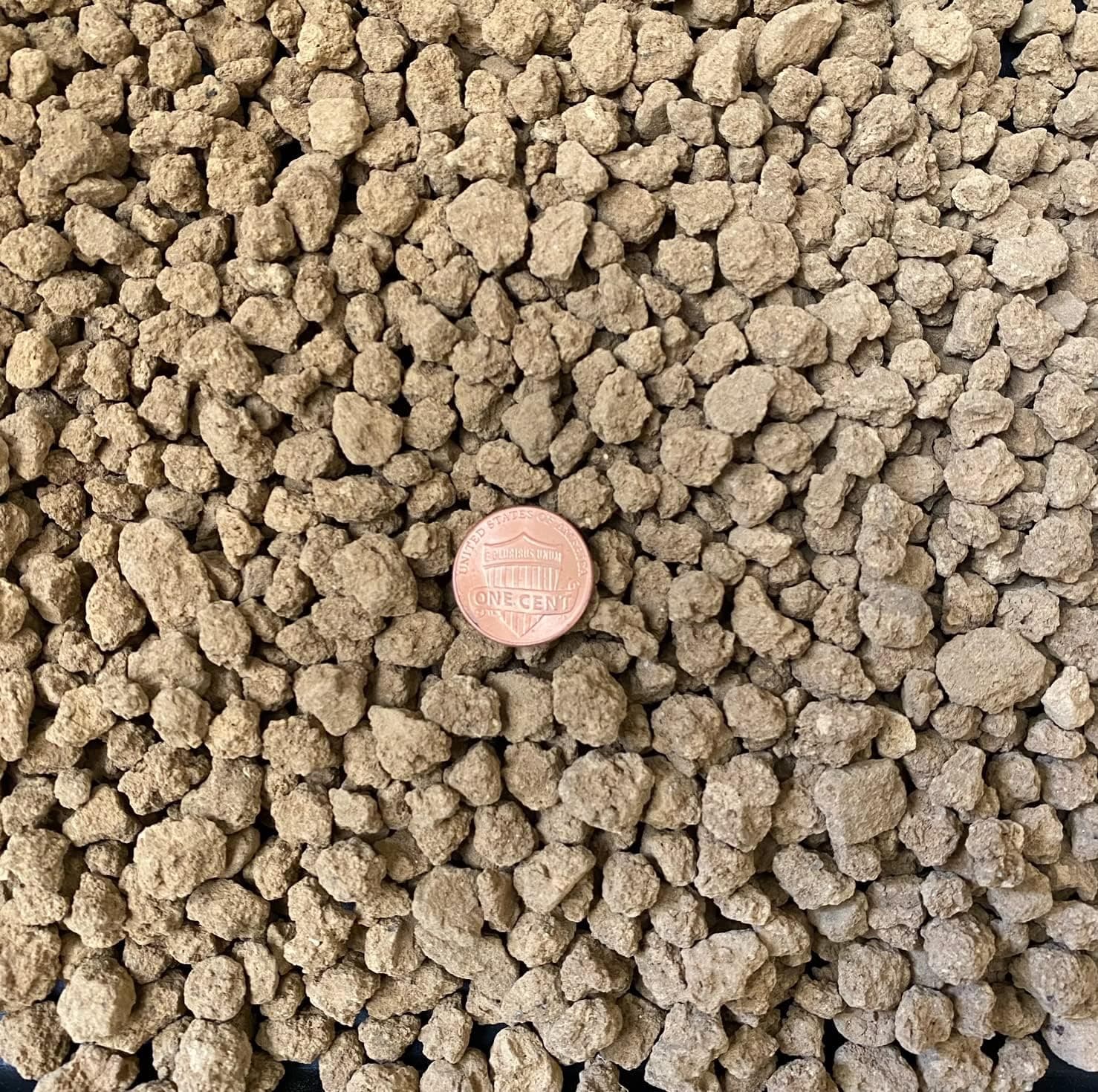
+ 14 liter bag covers many trees in a single repotting season
From our guide: Best Akadama for Bonsai Soil
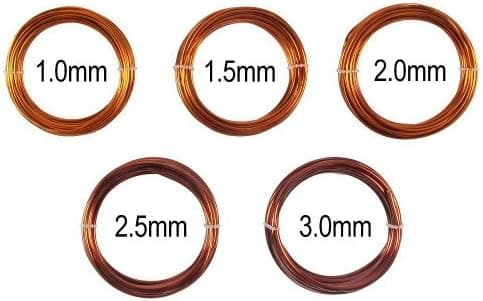
+ 5 gauges up to 3.0mm cover fine twigs to medium branches
From our guide: Best Copper Bonsai Wire
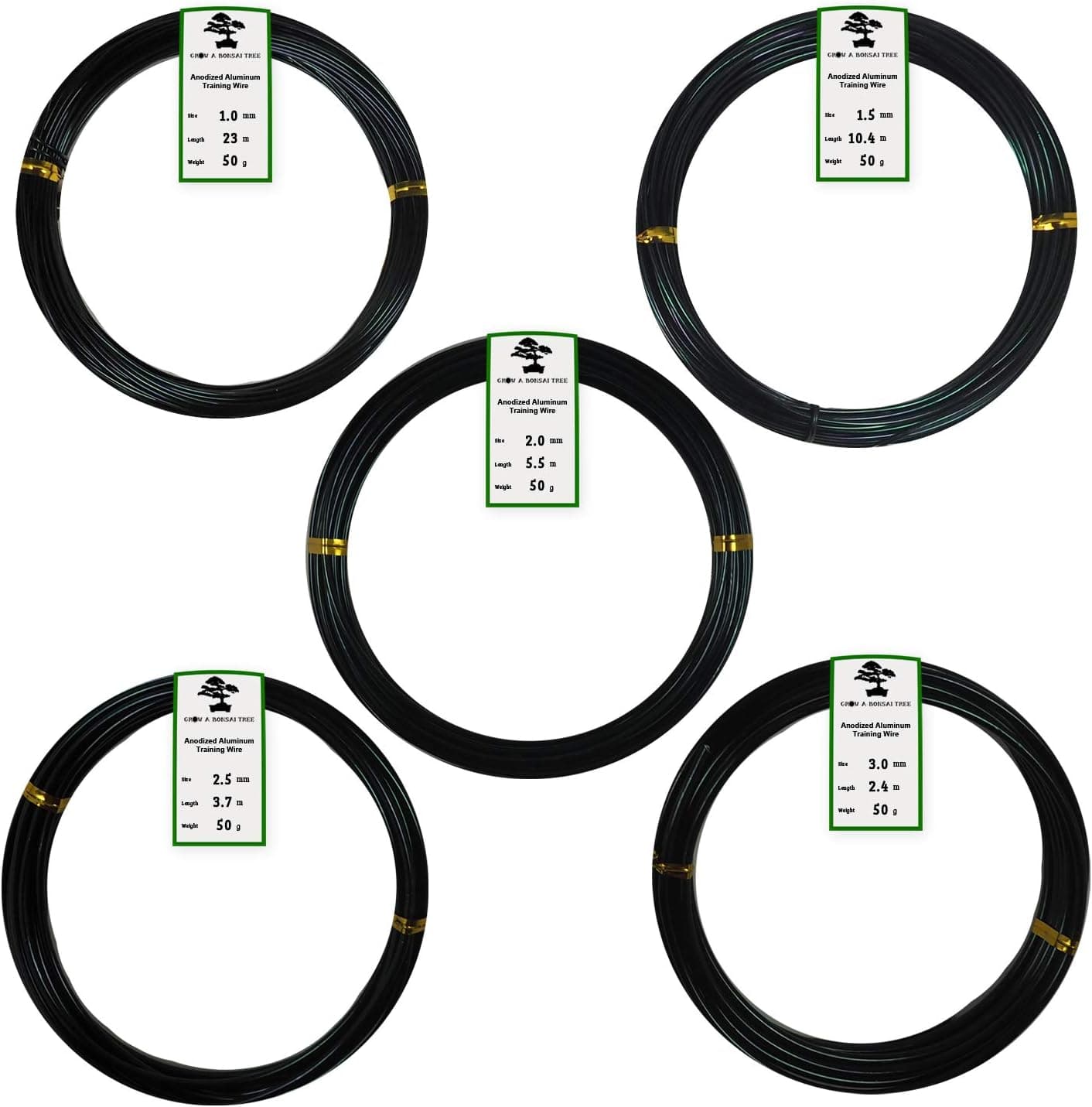
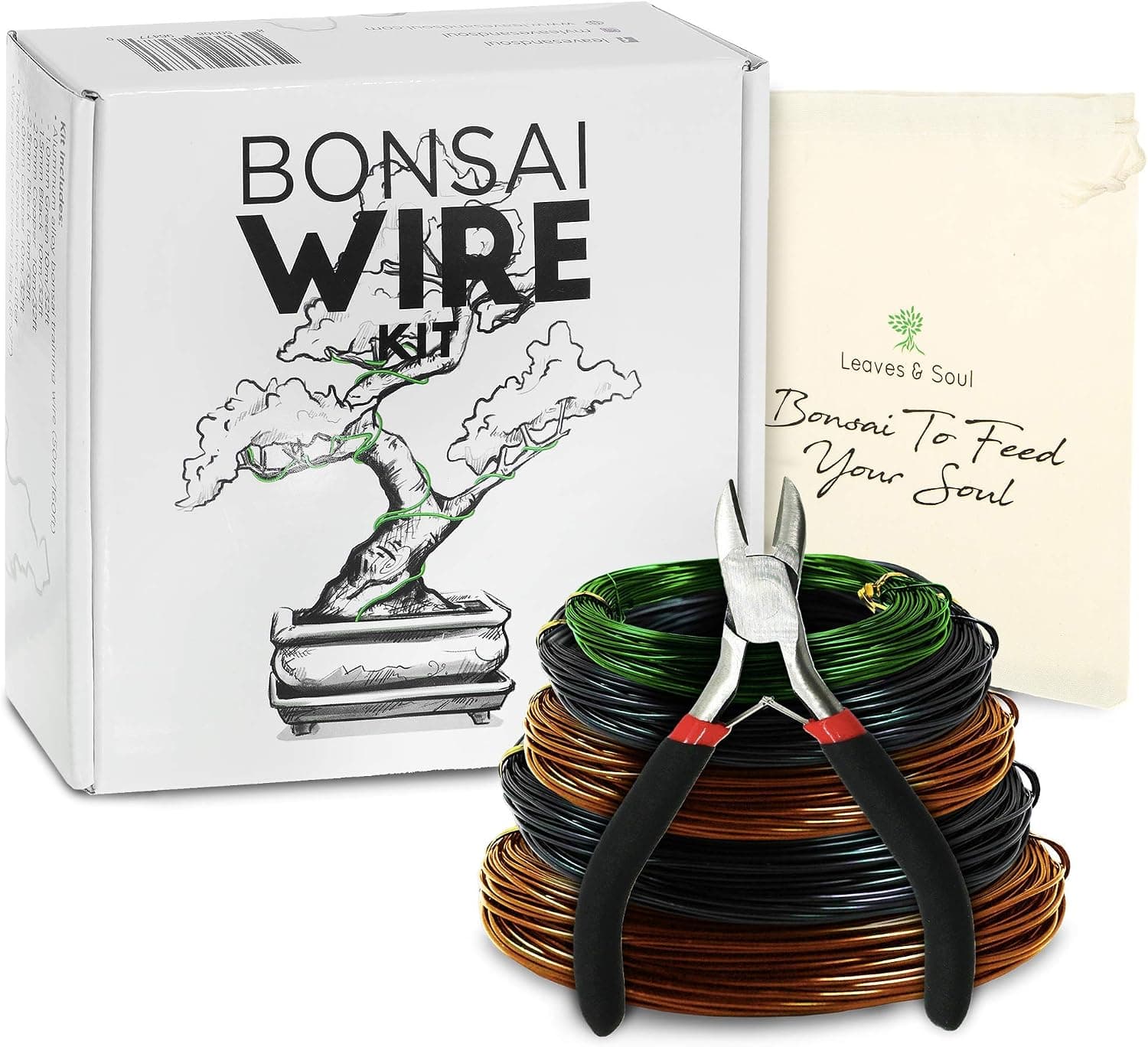
+ 160ft across 5 rolls covers tie-downs and branch wiring alike
From our guide: Best Anchor Wire for Repotting Bonsai
Popular right now
- Choosing the Right Bonsai Pot for Your TreeArticle
- Best Raffia and Wrapping for BonsaiBuying guide
- Bonsai Display and Presentation Basics at Home and at ShowsArticle
- Moss and Accent PlantingArticle
- Best Bonsai Seed KitsBuying guide
- Pinching vs CuttingArticle
Based on the last 28 days of search and visitor data.