Reviving a Neglected Bonsai Step by Step
Published How we research
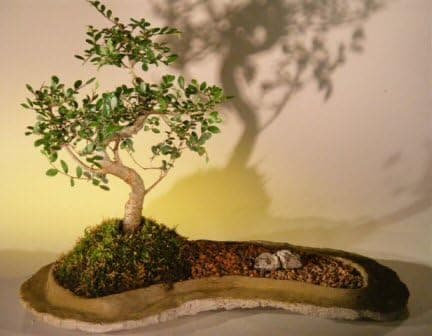
Neglected bonsai turn up constantly. They are inherited, rescued from clearance racks, given as gifts and forgotten, or simply left too long by an owner who got busy. Many are recoverable, and the process of bringing one back teaches more about how trees actually work than years of routine maintenance. The essential discipline is to resist doing everything at once. A weak tree can survive being ignored for a while longer, but it often cannot survive an enthusiastic rescue.
Start by confirming the tree is alive, because a green-looking juniper can be dead for weeks. Scratch a small patch of bark with a fingernail or knife on a lower branch and then on the trunk. Living tissue is green and slightly moist underneath. Brown and dry means that section is dead. Work downward until you find green, which tells you how much of the tree is still viable. Flexible twigs that bend rather than snap are another good sign. If the trunk is brown right down to the base, the tree is gone, and knowing that quickly saves months of hoping.
Next, diagnose rather than guess. Lift the tree from its pot and look at the roots. Healthy roots are firm and light coloured. Dark, mushy roots that smell sour indicate rot from overwatering or dense compacted soil. Dry, brittle, shrivelled roots in a solid mass indicate the opposite problem. Check the soil itself: if water runs straight off the surface without penetrating, the root ball has become hydrophobic and the tree has been effectively unwatered even if it was watered often. Look for pests on the foliage and in the soil. Most neglected trees turn out to have one dominant cause, and treating the wrong one wastes the tree's remaining reserves.
Stabilise before you restore. For a dehydrated tree, rehydrate the root ball by standing the pot in a basin of water until the surface is damp all the way through, then move the tree into shade with shelter from wind and keep the soil evenly moist. For a waterlogged tree with rotten roots, the intervention is more serious: remove the rotted material, cut back to firm tissue, and repot into fresh open granular soil so the surviving roots get air. That is the one case where an out-of-season repot is justified, because leaving roots in rotting soil guarantees the outcome anyway.
Then do almost nothing for a long time. Put the tree somewhere sheltered with good light but not harsh midday sun, water attentively, and leave it alone. Do not fertilise a weak tree; feed cannot repair damage and concentrated nutrients stress compromised roots. Do not prune for shape, because the tree needs every leaf it has to rebuild. Do not wire. Do not repot again. The temptation to keep intervening is strong precisely because you care about the outcome, and it is the main reason rescues fail.
The one exception is removing what is definitively dead. Dead branches serve no purpose and can harbour disease, so cutting them off once you are certain is fine. Be conservative about what counts as certain, since trees regularly push new growth from apparently bare wood, particularly deciduous species. Wait until you have seen a full growing season before writing off any branch that still scratches green.
Recovery is measured in seasons. Expect the first visible sign, usually a flush of small new shoots, to arrive within weeks in warm weather or after the next spring if the tree was found in autumn. Once the tree is pushing growth reliably, begin light feeding and gradually return it to normal conditions. Only after a full year of healthy growth should you start any real work on it: repotting properly, then pruning, then styling in subsequent seasons. A tree that has been brought back slowly is often stronger than it ever was, and the restraint that got it there is the same restraint that will keep your other trees healthy.
Products from this article
The highest-scoring picks from the buying guides mentioned above. Scores are our editorial assessment, not customer ratings.
+ Chinese elm is one of the most forgiving species for indoor growers
From our guide: Best Indoor Bonsai Trees
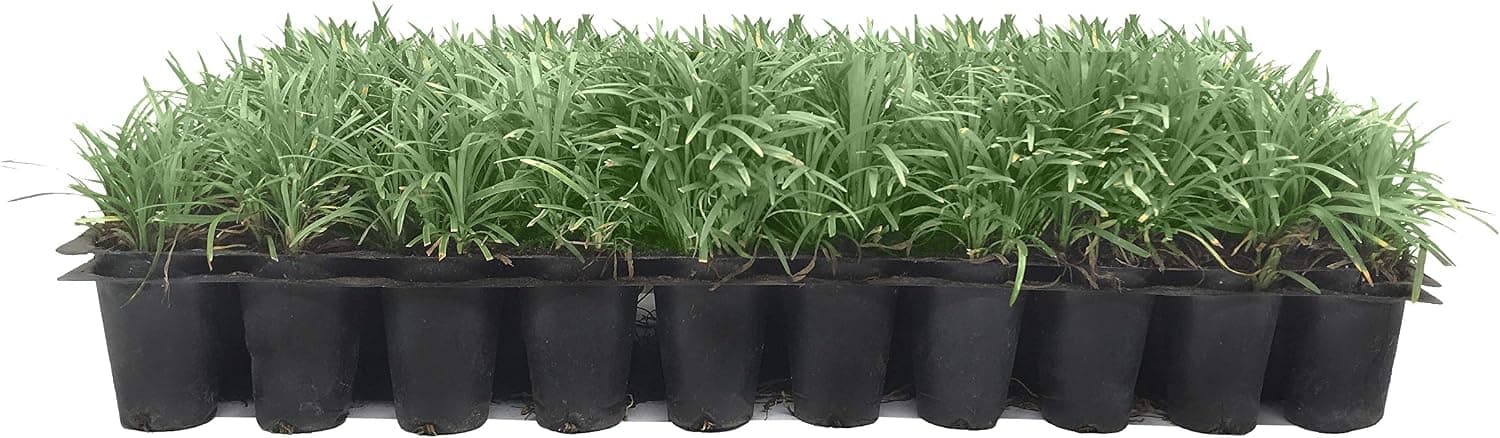
+ 20 live plants give plenty of divisions for accent pots
From our guide: Best Accent Plants and Kusamono
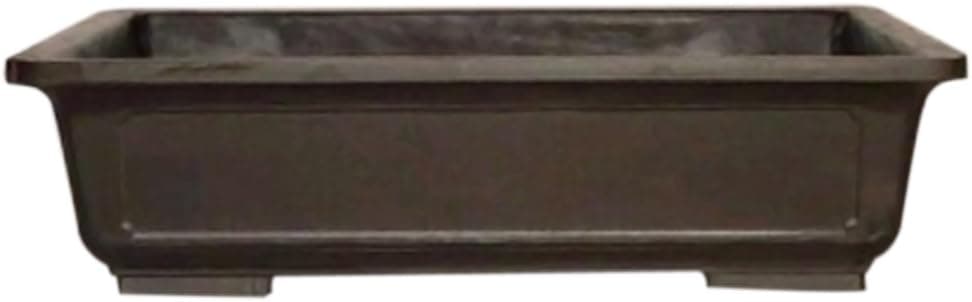
+ 12.25 x 8.75 inch size fits medium junipers, elms and maples
From our guide: Best Mica Bonsai Pots
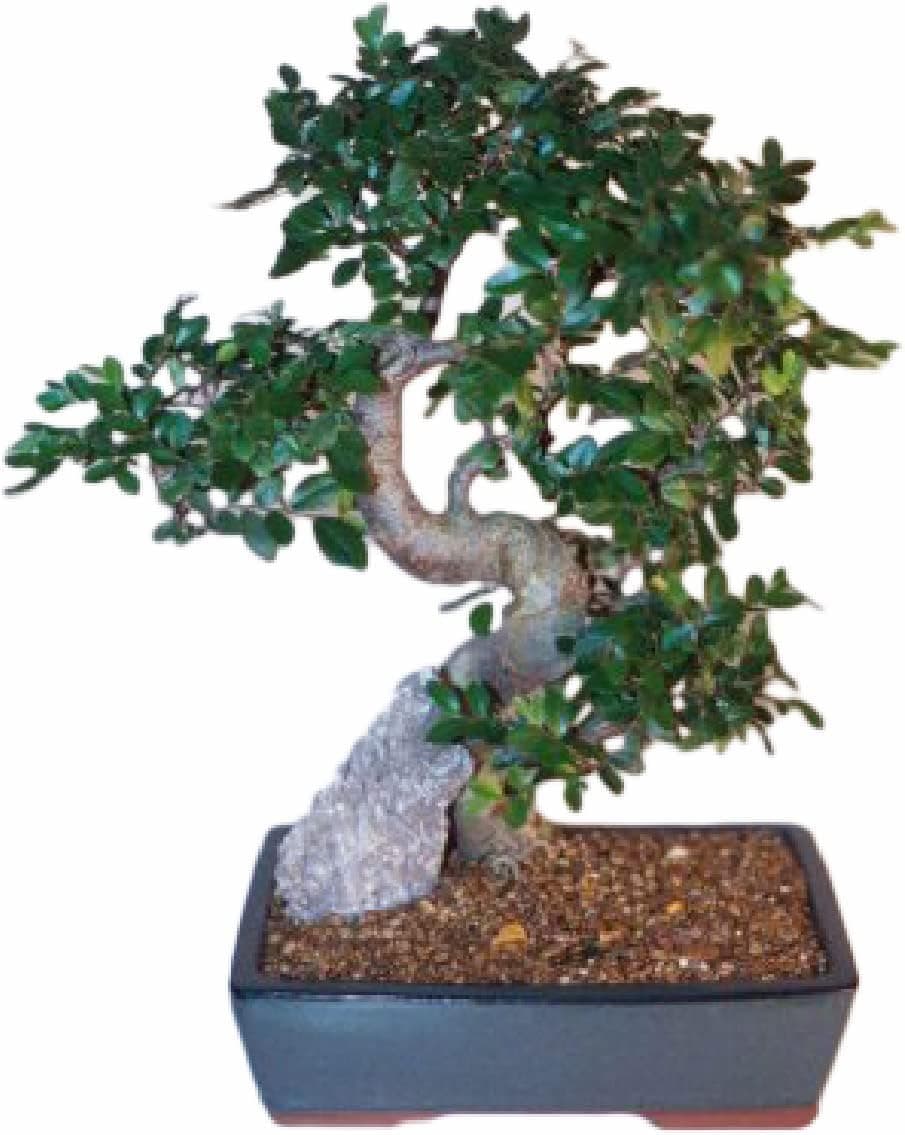
+ Curved trunk and 14 years of growth give a mature, styled appearance
From our guide: Best Indoor Bonsai Trees
Popular right now
- Choosing the Right Bonsai Pot for Your TreeArticle
- Best Raffia and Wrapping for BonsaiBuying guide
- Bonsai Display and Presentation Basics at Home and at ShowsArticle
- Moss and Accent PlantingArticle
- Best Bonsai Seed KitsBuying guide
- Pinching vs CuttingArticle
Based on the last 28 days of search and visitor data.