How to Water Bonsai Correctly
Published How we research
More bonsai die from watering errors than from every other cause combined, and the errors run in both directions. Underwatering kills quickly and visibly. Overwatering kills slowly by suffocating roots and inviting rot, and its early symptoms of yellowing and droop look enough like thirst that panicked owners often respond by watering more. Getting this right is not complicated, but it does require replacing the idea of a schedule with the habit of checking.
A bonsai pot holds very little soil relative to the tree standing in it. That soil is deliberately coarse and free draining, so water passes through fast and air reaches the roots. The consequence is that a bonsai can go from adequately moist to dangerously dry in a single hot afternoon, while a houseplant in a deep pot of peat would take a week. Any fixed rule like watering every three days will be wrong most of the year, because the correct interval swings with temperature, wind, sunlight, humidity, pot size, species, and how much foliage the tree is carrying.
Check before you water, every time. Push a finger a centimetre into the surface and feel whether it is still damp below the top layer. Learn the weight of the pot when freshly watered and again when it needs water, then lift it briefly as a quick test. Some growers push a wooden skewer into the soil and pull it out to read the moisture, which works well for larger pots where the surface tells you little about the interior. Whichever method you adopt, the goal is the same: water when the soil has begun to dry but before it has dried out completely.
When you do water, water properly. A splash across the surface wets the top centimetre and leaves the root ball dry underneath, which trains roots to stay shallow and leaves the tree vulnerable. Use a can with a fine rose or a hose with a soft breaker so the stream does not wash the soil out, and water the whole surface until it runs freely from the drainage holes. Then wait a moment and do it again. The first pass wets the soil enough to accept water; the second pass actually soaks the root ball. Dry bonsai soil can initially repel water, so this double pass matters more than it sounds.
Timing and water quality make smaller but real differences. Early morning is the best time, since it fills the tree ahead of the day's demand. Evening is a fine second choice in hot weather. Midday watering in strong sun is not harmful in the way folklore suggests, but water evaporates faster and you may need to repeat sooner. Tap water is acceptable almost everywhere; if your water is very hard you may see white mineral deposits on the soil and pot over time, and collected rainwater is a pleasant alternative when available.
Seasons change everything. In midsummer a small pot in full sun may need water twice a day, and missing one of those can be fatal. In late autumn and winter, a dormant deciduous tree with no leaves transpires very little and may go a week or more between waterings. The most frequent winter mistake is continuing summer habits and keeping a resting root ball permanently saturated, which rots roots at exactly the time the tree cannot regrow them.
If you must travel, arrange real coverage rather than hoping. Move trees into shade to slow drying, group them together, and if possible ask someone to water thoroughly rather than lightly. Automatic drip systems on a timer work well and are worth setting up for anyone with more than a handful of trees. Whatever you arrange, test it for a few days while you are still home, because a system that fails silently in your absence is worse than no system at all.
Products from this article
The highest-scoring picks from the buying guides mentioned above. Scores are our editorial assessment, not customer ratings.
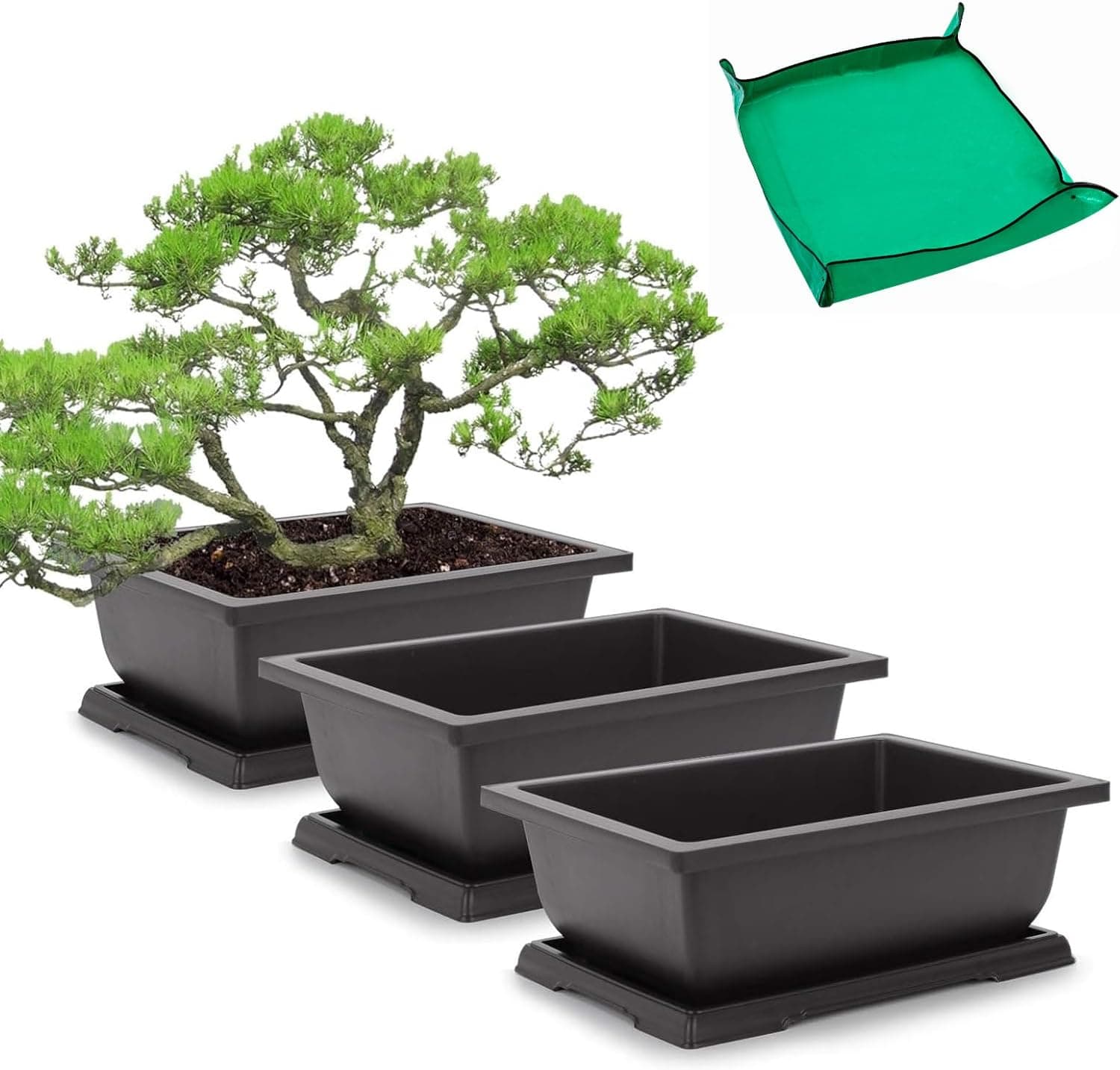
+ Repotting mat keeps soil contained when working indoors
From our guide: Best Bonsai Pots
+ Chinese elm is one of the most forgiving species for indoor growers
From our guide: Best Indoor Bonsai Trees
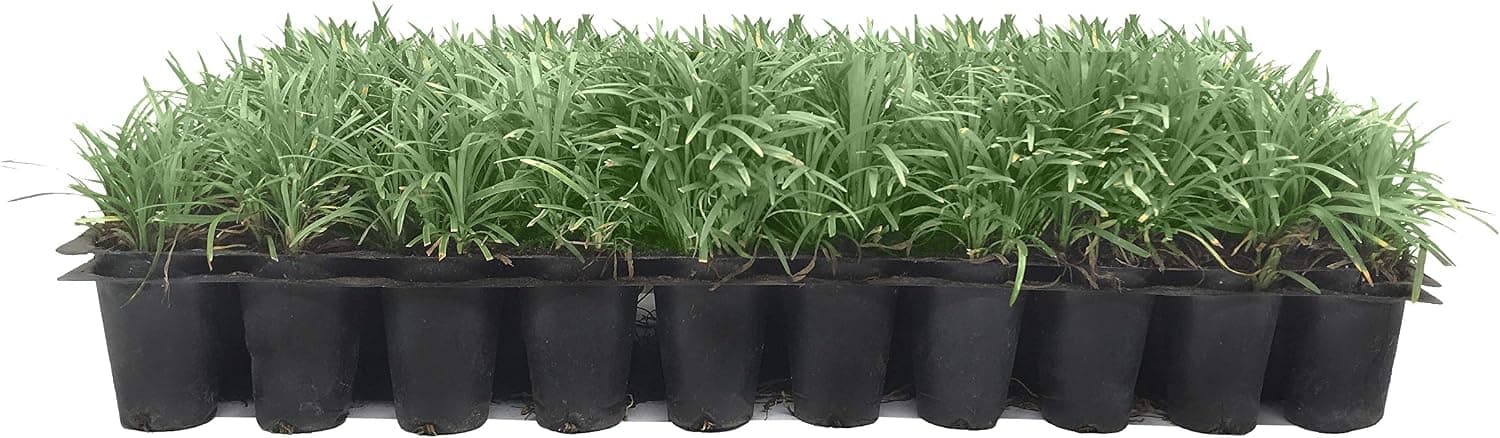
+ 20 live plants give plenty of divisions for accent pots
From our guide: Best Accent Plants and Kusamono
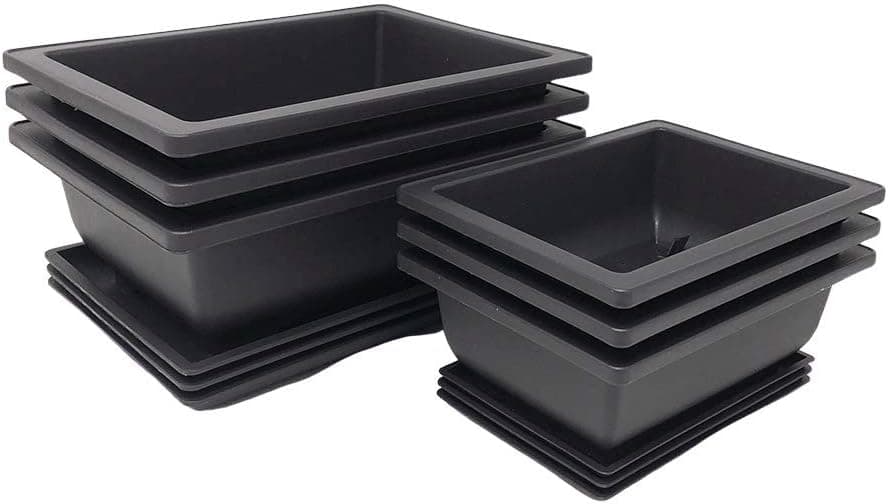
+ Mixed 6 inch and 8 inch sizes let you pot trees at different stages
From our guide: Best Bonsai Pots
Popular right now
- Choosing the Right Bonsai Pot for Your TreeArticle
- Best Raffia and Wrapping for BonsaiBuying guide
- Bonsai Display and Presentation Basics at Home and at ShowsArticle
- Moss and Accent PlantingArticle
- Best Bonsai Seed KitsBuying guide
- Pinching vs CuttingArticle
Based on the last 28 days of search and visitor data.