Overwintering Outdoor Bonsai
Published How we research
Winter care confuses beginners because it seems to contradict everything else they have learned. Temperate trees need cold, and taking them indoors to protect them does far more harm than leaving them outside. Yet a bonsai genuinely is more vulnerable to winter than the same species growing in the ground. Resolving that apparent contradiction comes down to one fact: the danger is to the roots, not the branches.
A tree in the ground has its root system insulated by a large mass of earth that changes temperature slowly and rarely freezes deeply. A bonsai has its roots in a few centimetres of soil in a ceramic pot sitting in open air, where temperature swings fast and the whole root ball can freeze solid. Roots are considerably less cold hardy than the trunk and branches of the same tree, so a species that shrugs off a hard frost in the garden can be killed in a pot by the same weather. Protection is therefore about moderating what happens below the rim, not about keeping the tree warm.
How much protection you need depends on your climate and your species. In mild regions with only light frosts, most hardy trees need nothing beyond being moved to a sheltered spot away from wind. Where winters are properly cold, the standard approaches are to sink pots into the ground or into a bed of mulch up to the rim, to group trees together in a sheltered corner and pack mulch or straw around the pots, or to move them into an unheated space such as a cold frame, unheated greenhouse, garage or shed. The aim in every case is to keep the root zone cold but stable, avoiding both deep freezing and repeated freeze-thaw cycles.
Unheated is the operative word for indoor shelters. A garage or shed that stays a few degrees above freezing is ideal. A heated room is not, because warmth breaks dormancy and the tree begins pushing growth it cannot support with the low light of winter. If trees are in a dark garage, that is generally fine for deciduous species that have dropped their leaves and need no light while dormant, but evergreens keep photosynthesising slowly and prefer somewhere with at least some light.
Winter watering is the quiet killer. Owners either forget entirely, on the assumption that a dormant tree needs nothing, or continue their summer habits and leave the root ball saturated. Both cause damage. A dormant tree uses very little water, but the root ball must never dry out completely, and trees under a shelter get no rain at all. Check every week or two, water when the soil has begun to dry, and do it on a mild day so the water does not sit and freeze. Never water a frozen root ball; wait until it has thawed.
Wind and winter sun deserve specific mention. Cold dry wind pulls moisture from foliage and bark faster than frozen roots can replace it, which is why evergreens sometimes brown badly over winter despite adequate cold hardiness. Bright winter sun on a cold day has a similar effect and can also warm one side of a pot enough to trigger a thaw-freeze cycle. A position that is sheltered, shaded and stable is better than one that is sunny and exposed, which reverses the summer priority and surprises many beginners.
Timing the move matters at both ends. Bring trees into protection once they are genuinely dormant and the first real frosts have arrived, not at the first cold night, because the cold itself is what triggers proper dormancy and hardening. Move them back out in spring gradually, once hard frosts have passed, and be prepared to give temporary cover if a late frost is forecast while buds are opening. Trees that have started into growth in a sheltered space are soft and can be damaged by conditions they would have handled easily a month earlier.
Products from this article
The highest-scoring picks from the buying guides mentioned above. Scores are our editorial assessment, not customer ratings.
+ Chinese elm is one of the most forgiving species for indoor growers
From our guide: Best Indoor Bonsai Trees
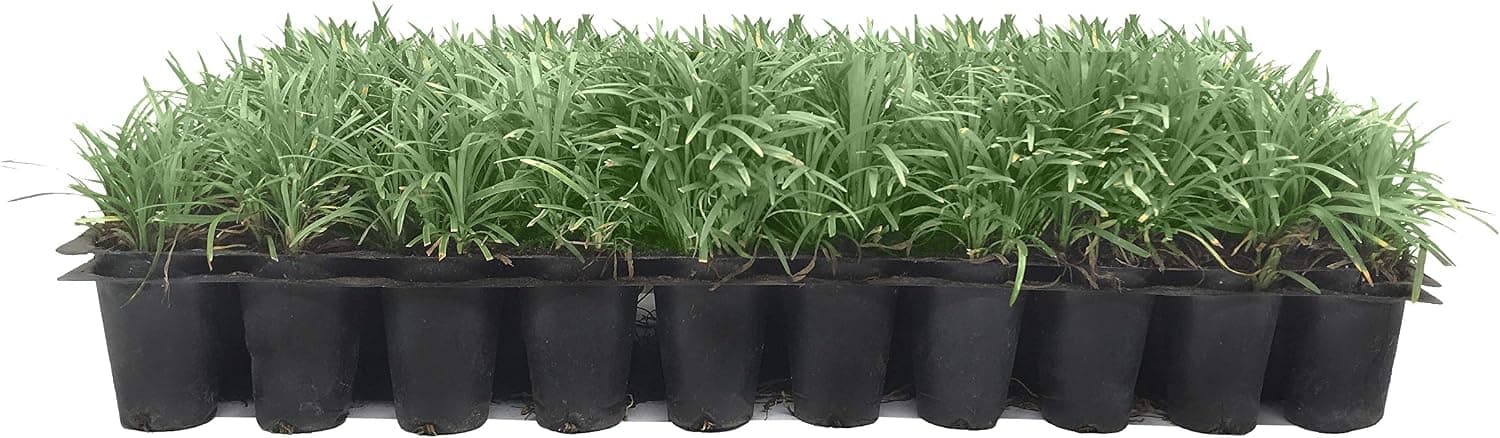
+ 20 live plants give plenty of divisions for accent pots
From our guide: Best Accent Plants and Kusamono
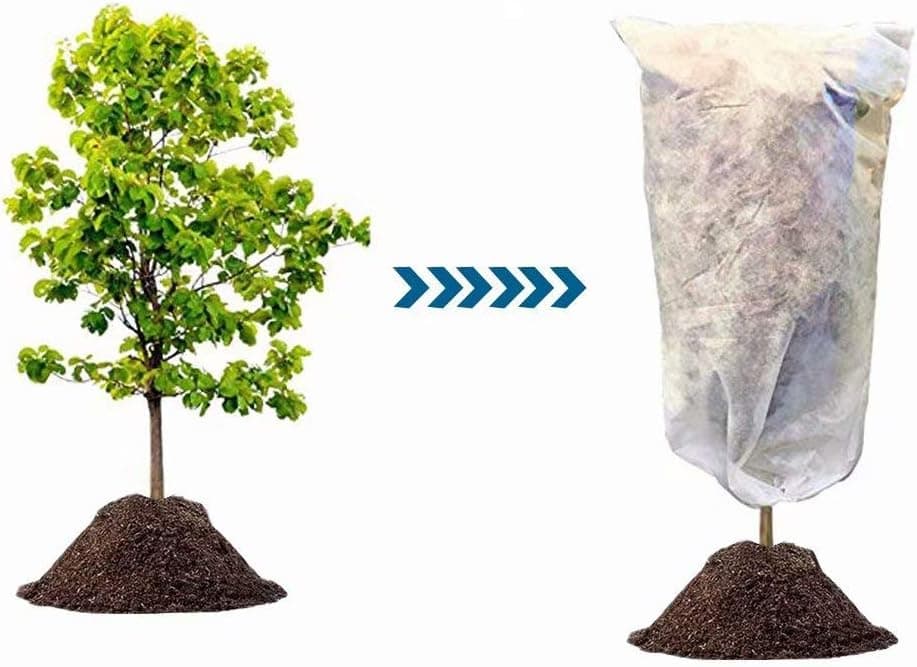
+ 1.5oz fabric weight is stated, giving a clear warmth level
From our guide: Best Winter Protection Supplies for Bonsai
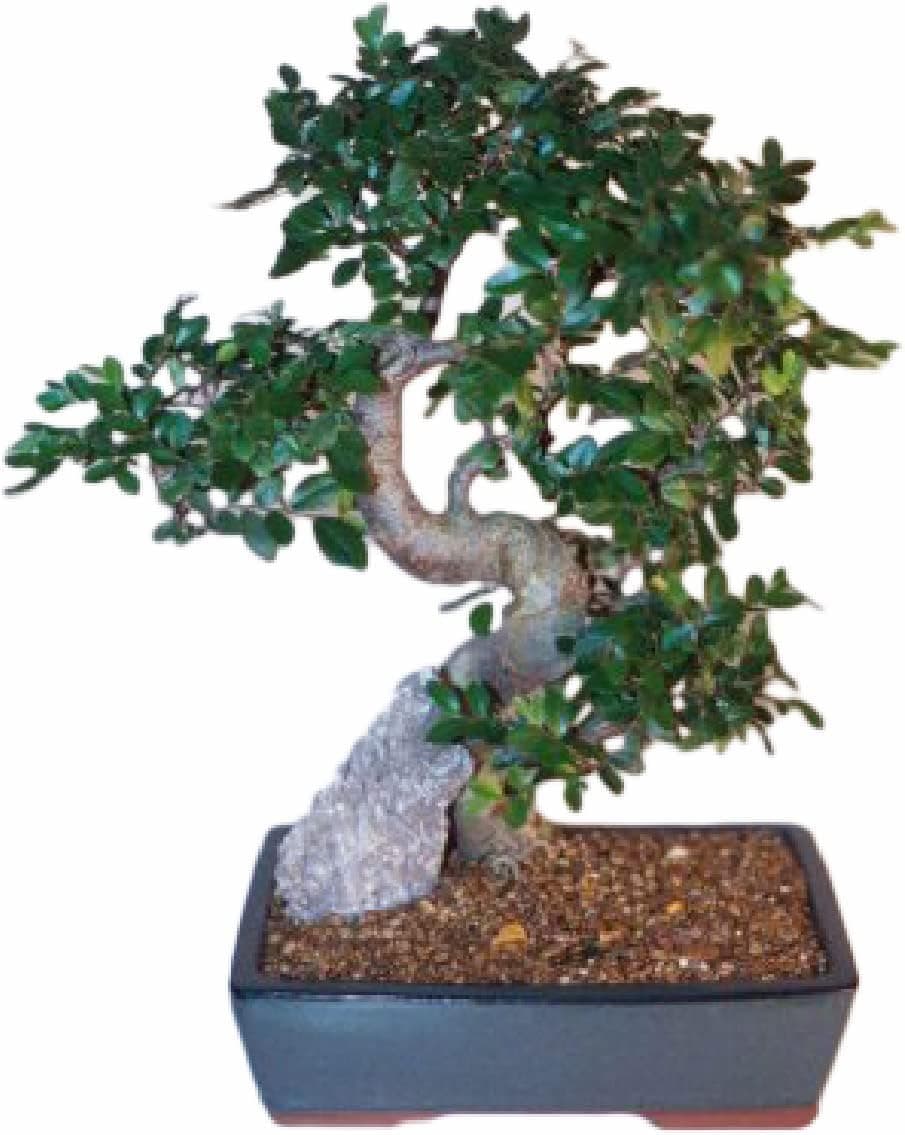
+ Curved trunk and 14 years of growth give a mature, styled appearance
From our guide: Best Indoor Bonsai Trees
Popular right now
- Choosing the Right Bonsai Pot for Your TreeArticle
- Best Raffia and Wrapping for BonsaiBuying guide
- Bonsai Display and Presentation Basics at Home and at ShowsArticle
- Moss and Accent PlantingArticle
- Best Bonsai Seed KitsBuying guide
- Pinching vs CuttingArticle
Based on the last 28 days of search and visitor data.