Chinese Elm Bonsai Care: Light, Water, Pruning and Winter
Published How we research
Chinese elm is a favorite beginner bonsai because it is tough, grows quickly and forgives many mistakes. It has small leaves, develops fine branching and responds well to pruning. It also seems to confuse people, because it is sold both as an indoor and an outdoor tree. In general it does best with plenty of light, regular watering and some outdoor time in the growing season, while its winter needs depend on your climate and the form of the tree. Here is how to handle each part of its care.
Products from this article
The highest-scoring picks from the buying guides this article links to. Scores are our editorial assessment, not customer ratings.
As an Amazon Associate we earn from qualifying purchases. This does not change our picks. Affiliate disclosure
New to Prime? Try Prime free for fast, free shipping on eligible items.
+ Chinese elm is hardy outdoors and forgiving of pruning mistakes
From our guide: Best Outdoor Bonsai Trees
+ Chinese Elm is described with a sturdy, winding trunk and delicate branches with small oval leaves
From our guide: Best Indoor Bonsai Trees
+ Micro serrated blades grip stems and avoid slipping on cuts
From our guide: Best Bonsai Shears
+ Satsuki azaleas give large spring flowers in striking colors
From our guide: Best Outdoor Bonsai Trees
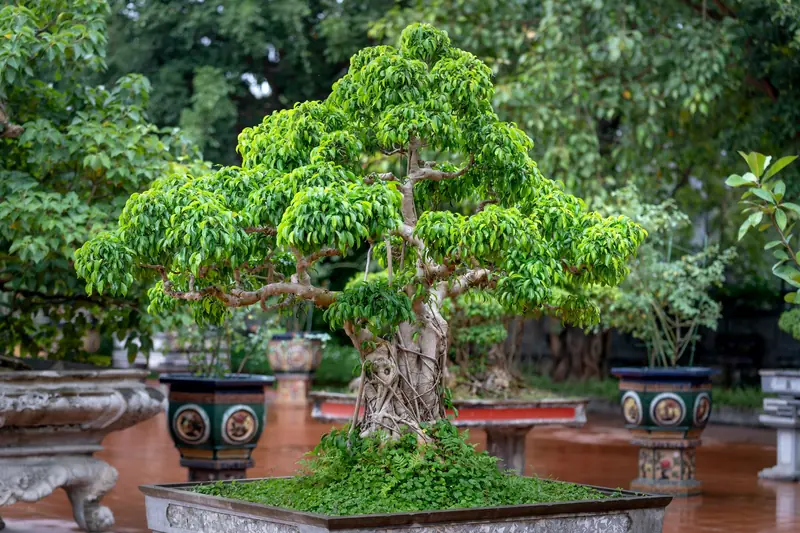
Where to keep a Chinese elm
Chinese elm is often described as flexible about location. Many growers keep it outdoors in the growing season for strong light and fresh air, and it generally thrives in a bright, sunny spot. Indoors, give it the brightest window you have.
Whether it should stay outside through winter depends on the climate and the tree. Some forms keep their leaves in mild winters while others drop them, and hard freezes can damage the roots in a pot. Check what your local winters are like and learn how your specific tree behaves.
Whatever you decide, avoid sudden changes. Moving a tree from a bright outdoor spot to a dim room can cause leaf drop within days, so make the shift gradually over a week or so and keep it away from heaters and cold drafts.
If you are unsure how your tree behaves, watch it through its first year. Note when it drops leaves, when it starts new growth and how it handles heat, and use those notes to plan the following season.
Watering
Water when the soil surface starts to dry and soak the pot thoroughly. Chinese elm grows fast in warm weather and can use water quickly, so a small pot in summer may need attention every day.
Avoid letting the tree dry out completely, because the fine twigs and leaves can wilt and brown. Equally, avoid constantly soggy soil, which leads to root problems.
Check the soil with a finger or a skewer pushed in near the edge of the pot. Learning the feel of the soil is more reliable than any rule about frequency, and it helps you spot a pot that drains too slowly.
Water the whole pot until it runs out of the drainage holes rather than giving small sips. A small sip wets only the top layer and leaves the deeper roots dry, which leads to uneven growth.
Pruning to build fine branching
Because it grows quickly, Chinese elm needs regular trimming. Let shoots extend several leaf pairs, then cut back to one or two pairs. This repeated cutting encourages new buds and builds the dense, fine twigs the species is known for.
Elm usually buds well from older wood, which makes it a good tree to learn on. Even so, avoid removing all the foliage at once, and keep the tree healthy before doing heavy work.
Use sharp, clean shears and take care with blades. Large wounds benefit from sealing with cut paste in many growers' routines.
Elm shoots are flexible when young and stiffen as they age, so shaping works best while the growth is still green. Plan your trimming around that window rather than waiting until the branches are woody.
Soil and repotting
Use a free-draining bonsai soil that holds a little moisture. A quality premixed bonsai soil is fine for most owners, and growers who mix their own often blend akadama, pumice and lava rock.
Chinese elm grows roots quickly and may need repotting every year or two when young. Repot in early spring as growth restarts, trim the roots and keep the tree out of harsh sun and wind for a short while afterward.
Fresh soil gives fine roots room to spread. A tree that has been in the same pot for years often shows slower growth, soil that sheds water and roots circling the pot edge, all of which are signs it is time to repot.
Feeding and training
Feed regularly during the growing season following the fertilizer directions. A well-fed elm grows quickly, which is useful for building a trunk but means more trimming later.
Wire works on young shoots, but elm bark can mark easily and branches thicken quickly, so check the wire often and remove it before it cuts in. Thick branches can be shaped over time with careful bending and guy wires rather than forced in one session.
Take care when feeding right after repotting. Wait until you see new growth before resuming fertilizer so the roots are not stressed. A weak tree needs recovery first and food later.
Common problems
Leaf drop in autumn is normal for deciduous forms. Leaf drop in the growing season usually points to watering extremes, a sudden move or low light.
Watch for aphids and scale on new growth, and treat early. Powdery or spotted leaves can appear in humid, still air, so provide airflow and avoid crowding the tree.
If a tree is struggling, correct one thing at a time and wait to see the result. Elm is resilient and often recovers if the basics are in place.
Pick the tree up and look at it from all sides now and then. Problems often start on the underside of leaves or deep in the canopy, where you will not see them from the front. A short weekly check catches most issues while they are still easy to fix.
Make a habit of looking at the tree closely once a week. Check the soil, the undersides of leaves, the tips of new shoots and the base of the trunk. Small changes, such as a few curled leaves or a patch of sticky residue, are much easier to deal with early than after they have spread through the whole canopy, and the habit also teaches you how a healthy tree looks.
Popular right now
- Common Bonsai Styles Explained and When to Use ThemArticle
- Bonsai Wire Gauge ChartArticle
- How to Bring Tropical Bonsai Indoors for WinterArticle
- One-third rule explainedGlossary
- Guy wire anchoring explainedGlossary
- Best Bonsai Tool SetsBuying guide
Based on the last 28 days of search and visitor data.