Pruning Bonsai for Shape
Published How we research
Pruning is where a shrub becomes a tree in miniature. Everything else you do supports the tree; pruning is what actually makes the image. The mental shift that helps most beginners is to stop thinking about removing what looks untidy and start thinking about deciding what stays. A finished bonsai is a small number of deliberately chosen branches with everything else edited away.
There are two distinct activities that both get called pruning. Structural pruning removes whole branches to establish the tree's skeleton, and it is done rarely, decisively, and with the tree's long-term design in mind. Maintenance pruning shortens shoots to build density and keep the silhouette in check, and it happens repeatedly through the growing season. Confusing the two leads to the common beginner pattern of nibbling constantly at the outline without ever making the hard decisions that give the tree structure.
Before cutting anything structural, sit with the tree and turn it slowly. Find the front, meaning the angle from which the trunk line is most attractive and the base spreads best. Decide which way the tree leans and where its apex will be. Only then start identifying branches. In general the lowest chosen branch is the thickest and longest, branches get shorter and finer as they rise, and they alternate around the trunk rather than stacking on one side. A branch pointing directly at the viewer breaks the illusion of depth and is usually removed or shortened hard.
Some removals are close to automatic. Take out branches that cross the trunk or another branch, bar branches that emerge opposite each other at the same height and create an unnatural symmetry, branches emerging from the inside of a curve, and whorls where several shoots radiate from one point and cause ugly swelling. Also remove downward-growing shoots on the underside of branches and vertical suckers shooting straight up, since neither fits the picture of a mature tree. Work in stages if the tree looks bare after this, but do not preserve a bad branch simply because the tree currently needs the volume.
Cut technique affects how the tree heals. Use concave cutters where you have them, since they leave a slightly hollow wound that heals flush instead of leaving a stub or a bump. Cut cleanly, never tear, and keep tools sharp. Larger wounds on species that heal slowly benefit from cut paste, which keeps the edges from drying and speeds callus formation. On some conifers a removed branch can be turned into a jin, a stripped and bleached deadwood feature, rather than cut flush, which suits the character of the species.
Timing matters and depends on what you are trying to achieve. Heavy structural pruning of deciduous trees is best done in late winter or very early spring, when the branch structure is visible and the tree is about to push growth that will heal the wounds. Light maintenance pruning happens throughout the growing season. Pruning very late in the year encourages soft growth that will not harden before frost. Conifers follow their own rules, with pines in particular being worked in specific windows tied to candle development.
One restraint underpins all of it: prune less than you want to, and never prune hard in the same season as a repot. The tree's foliage is its engine. Removing a large fraction of it at once, especially while the roots are also recovering, weakens the tree exactly when it needs strength. Good bonsai comes from many small correct decisions spread across years, not from one dramatic afternoon with a pair of cutters.
Products from this article
The highest-scoring picks from the buying guides mentioned above. Scores are our editorial assessment, not customer ratings.
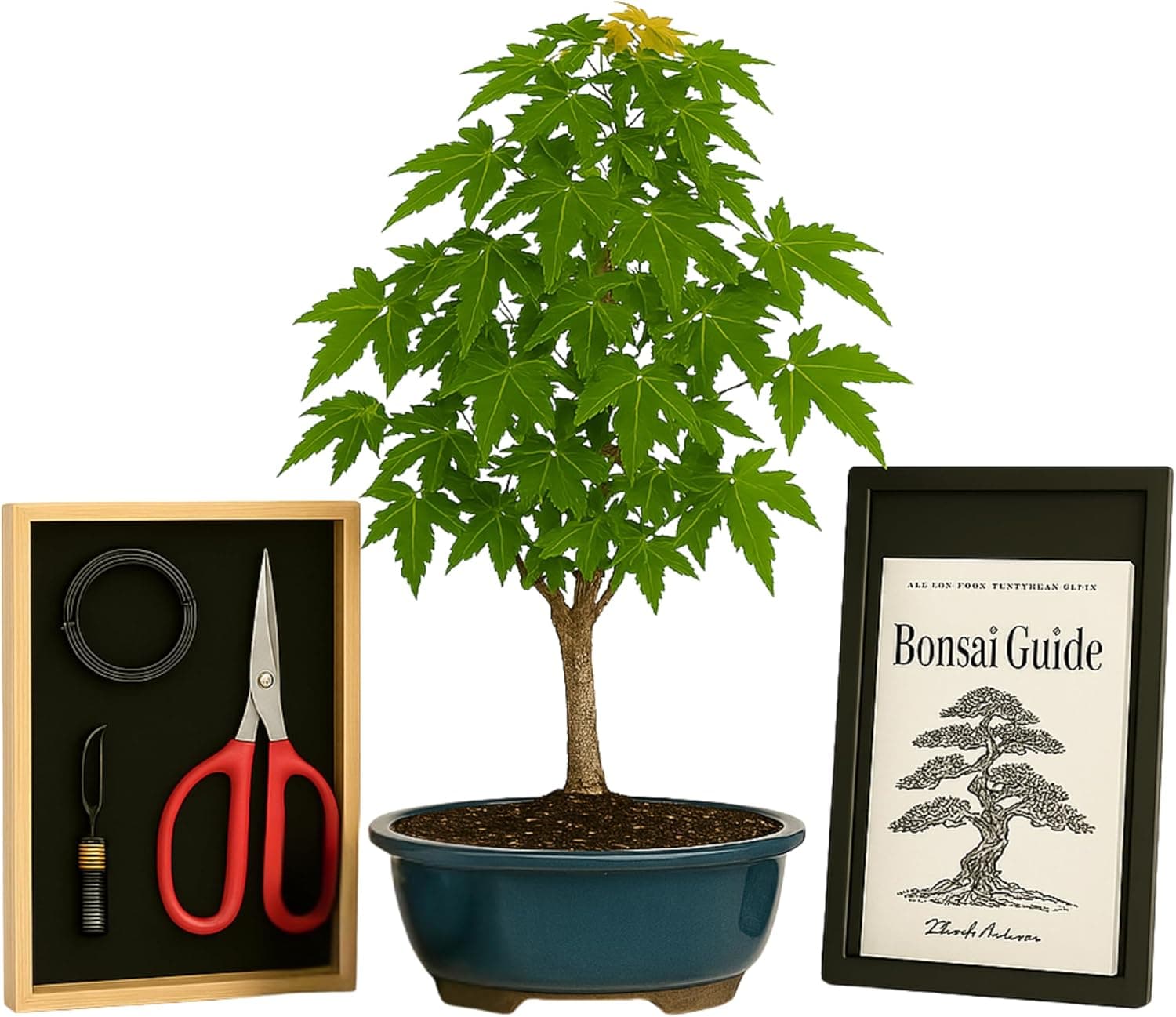
+ Trident maple is a vigorous outdoor species that recovers quickly from pruning
From our guide: Best Bonsai Starter Trees for Beginners
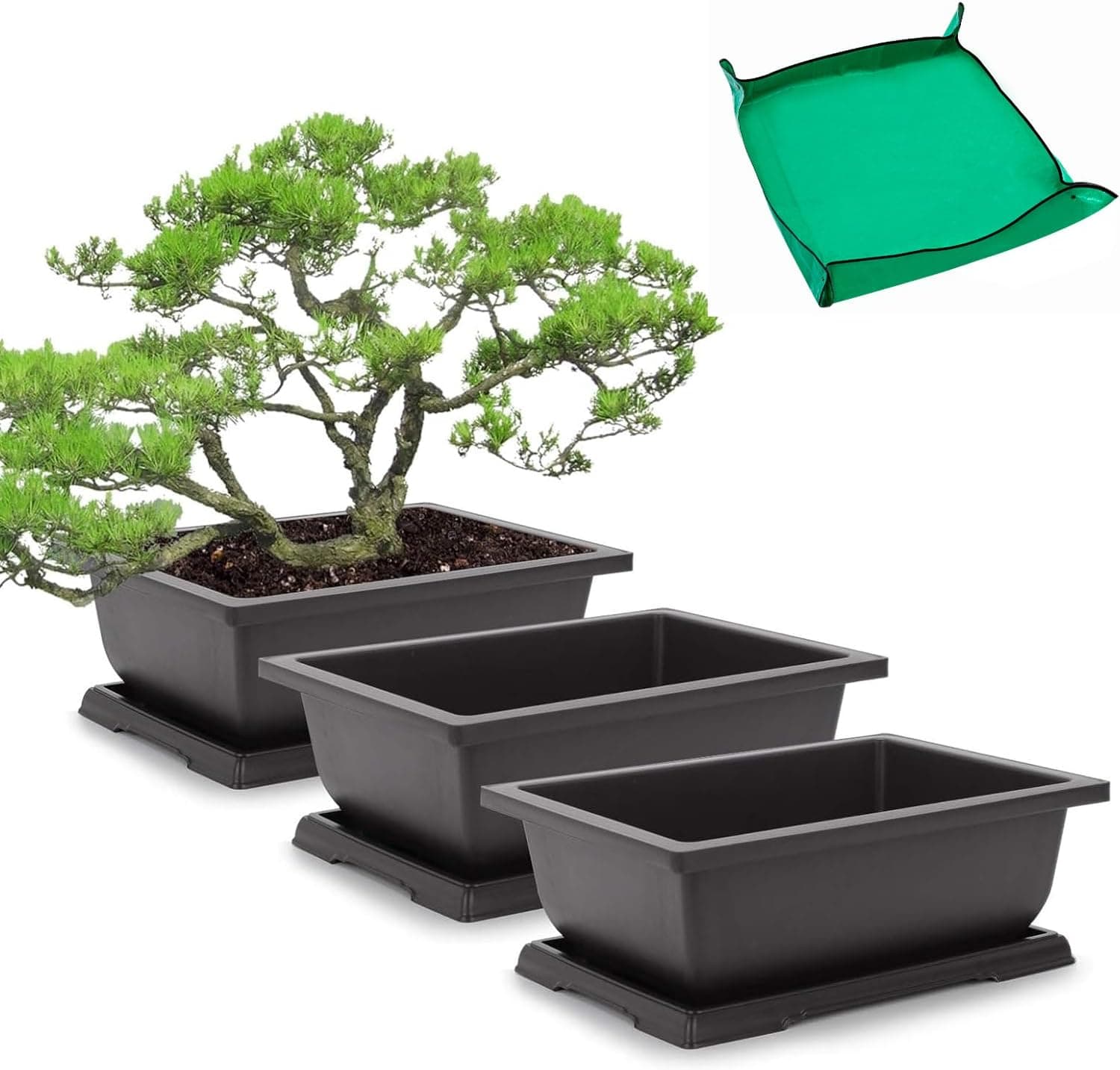
+ Repotting mat keeps soil contained when working indoors
From our guide: Best Bonsai Pots
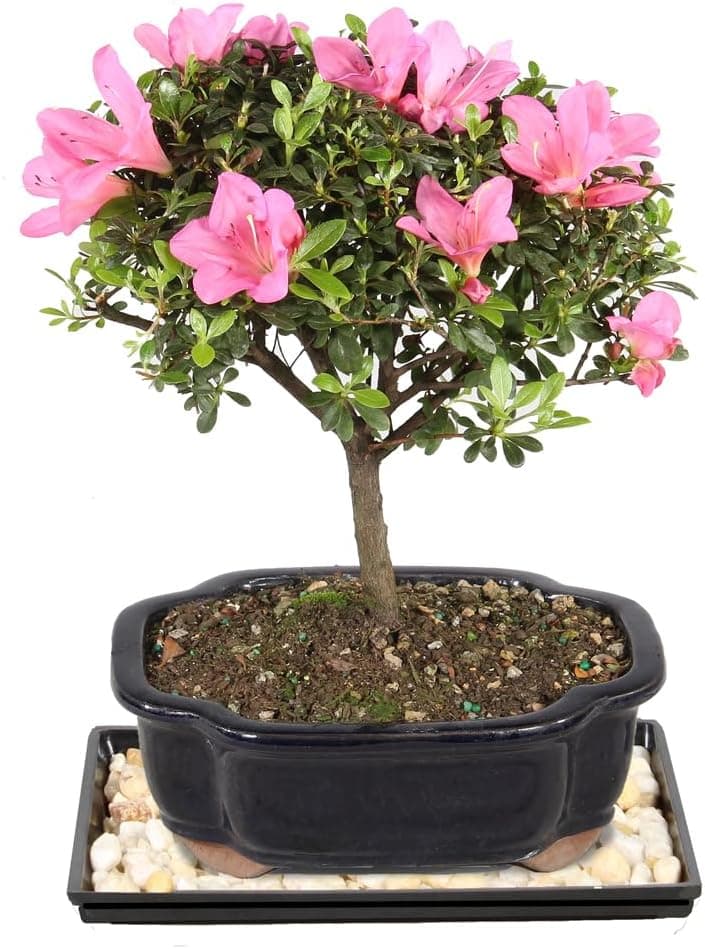
+ Medium size shows off more flowers than the small version
From our guide: Best Outdoor Bonsai Trees
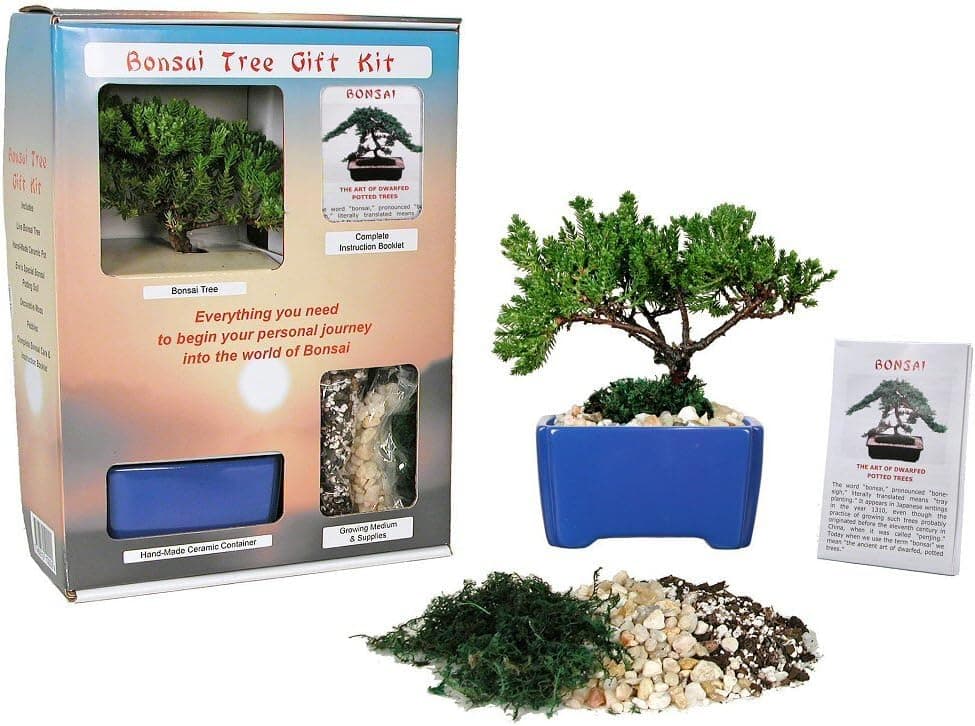
+ Starting with a live juniper skips the long wait of growing from seed
From our guide: Best Bonsai Starter Trees for Beginners
Popular right now
- Choosing the Right Bonsai Pot for Your TreeArticle
- Best Raffia and Wrapping for BonsaiBuying guide
- Bonsai Display and Presentation Basics at Home and at ShowsArticle
- Moss and Accent PlantingArticle
- Best Bonsai Seed KitsBuying guide
- Pinching vs CuttingArticle
Based on the last 28 days of search and visitor data.