TONMA Satsuki Bonsai Scissors Made in Japan Professional 8.5 inch Japanese Stainless Steel Hasami Pruning Scissors with Micro Serrated Mirror Finish Review (2026)
Updated September 14, 2026 · Research-based review
Our verdict
TONMA's 8.5 inch Satsuki scissors bring a micro serrated, mirror finished Japanese stainless steel blade to grip stems cleanly during pruning. The size suits growers working larger canopies, but the serration makes home resharpening harder and the price is steep for a single beginner tree.
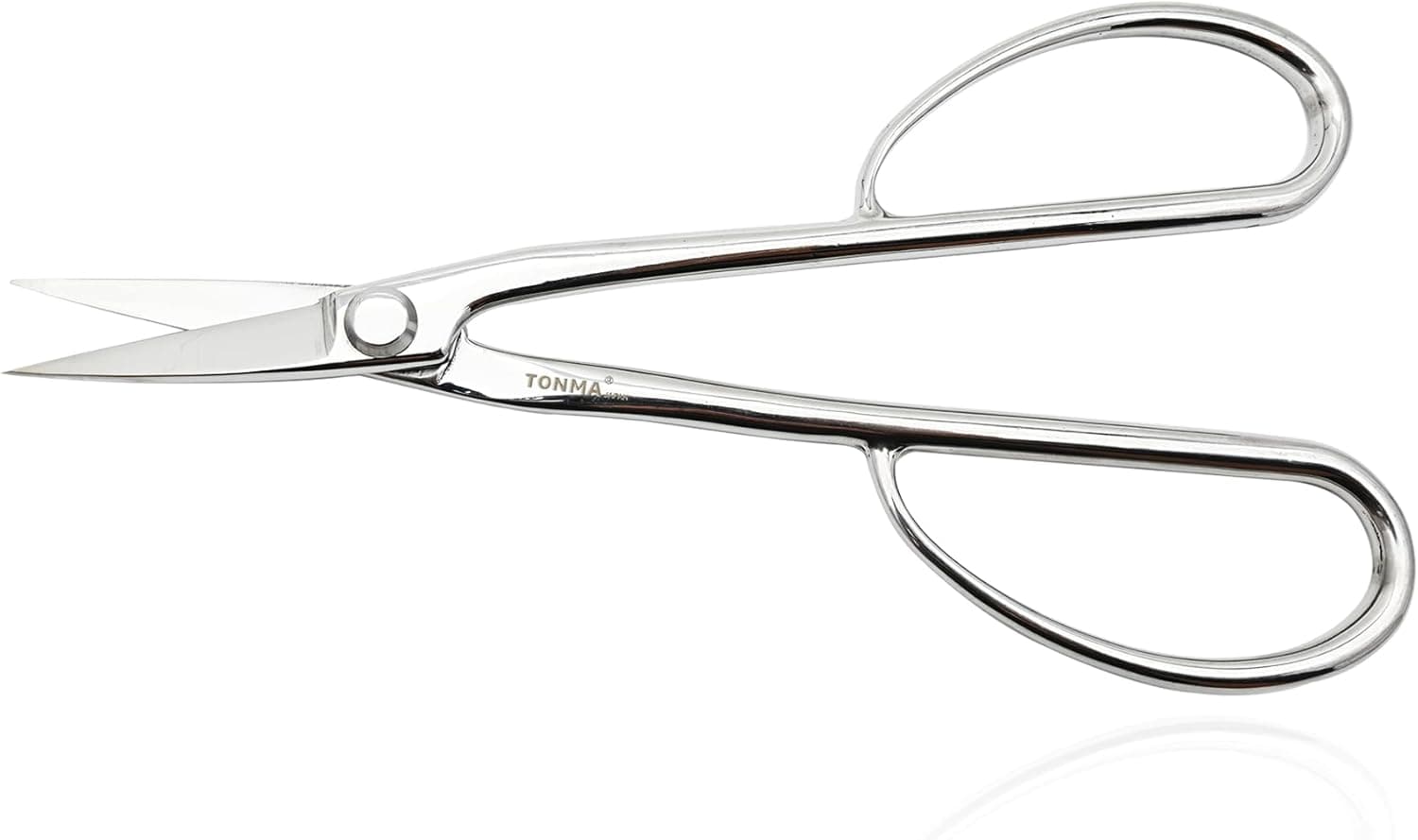
TONMA's Satsuki bonsai scissors made in Japan, 8.5 inch Japanese stainless steel hasami with a micro serrated edge.
Price range: $ (Budget)
What we liked
- + Micro serrated blades grip stems and avoid slipping on cuts
- + Made in Japan stainless steel resists rust with less upkeep
- + 8.5 inch Satsuki pattern reaches into crowded canopies
Trade-offs
- - Serrated edge is harder to resharpen at home
- - Premium price is high for beginners with a single tree
Who these scissors are for
This is a Satsuki style pruning scissor aimed at growers who prune regularly enough to want a purpose built tool rather than a generic garden snip. TONMA, a Japanese brand founded in 1998 that makes every tool in its own Japanese factory, builds these from AUS-8 tool grade stainless steel with a manufacturer rated hardness around HRC 59, which is hard enough to hold an edge through repeated cuts. At 8.5 inches, the scissors are sized for reaching into fuller canopies and cutting multiple stems in a session rather than fine detail work on a small shohin tree, so growers with larger material or several trees to maintain will get the most use from the extra reach. A beginner with one small tree may find the size and price harder to justify against a shorter, cheaper pair.
What the micro serration and finish do
The blade edge is micro serrated and finished with a mirror polish process, a combination meant to grip plant stems during the cut so the blade does not slip off smooth or slightly wet bark before it closes. AUS-8 stainless steel is a mid range Japanese cutlery steel, chosen here for a balance of edge retention and corrosion resistance rather than the extreme hardness of harder tool steels, and the forged solid stainless handles are built to stay comfortable through longer pruning sessions. Because the whole tool is stainless rather than carbon steel, it resists rust better than carbon steel bonsai tools with only light care, though stainless still benefits from wiping down after use.
Living with the scissors day to day
TONMA recommends wiping the blade edge clean with a cloth after each use and applying a light coat of anti rust oil when available, which keeps the mirror finished edge from developing spots even with stainless steel's natural resistance. The serrated edge that helps grip stems during cutting is also the tool's main maintenance limitation, since a micro serrated blade is harder to restore at home with a standard flat whetstone than a plain edge, and most owners will eventually send a heavily used pair out for professional sharpening rather than trying it themselves. Stored dry in a tool roll or case between uses, the stainless construction should need little beyond the occasional wipe and oil.
How it compares with other bonsai shears
KAKURI's 7.5 inch bonsai scissors, built by a Japanese maker with over 70 years of history, use a plain Japanese stainless blade without serration in a shorter, lighter package aimed more at general pruning than the larger reach this Satsuki pair offers. Growers who want a serrated grip specifically will not find that feature on the KAKURI pair, while those who prioritize easier home sharpening over stem grip may prefer KAKURI's plain edge. Against lower cost generic stainless bonsai scissors from brands like CastleGreens or SKINNYBUNNY, this TONMA pair costs more but brings forged Japanese steel and a defined hardness rating that generic tools typically do not publish.
Verdict and who should pick something else
For growers who prune enough material to want a longer, serrated Satsuki scissor from a dedicated Japanese maker, this pair delivers grip and edge retention that match its site score of 8.6 out of 10, even though its value score sits lower at 7 out of 10 reflecting the price. The serrated edge is the clearest trade off, since it grips well during cuts but is not something most owners can resharpen themselves at home. A beginner with a single small tree, or anyone who wants an edge they can touch up on their own whetstone, would likely get better value from KAKURI's 7.5 inch plain edge scissors or another shorter, non serrated pair instead.
Frequently asked questions
What steel is used in the TONMA Satsuki scissors?
TONMA uses AUS-8 Japanese tool grade stainless steel, which the manufacturer rates at roughly HRC 59 hardness.
Can the serrated blade be sharpened at home?
A micro serrated edge is harder to restore with a standard flat whetstone than a plain blade, so many owners send heavily used pairs to a professional sharpener instead.
How should I care for these scissors between uses?
TONMA recommends wiping the blade clean after each use and applying anti rust oil when available, even though the stainless steel already resists corrosion better than carbon steel.
Are these scissors good for a beginner with one small tree?
The 8.5 inch size and serrated blade are aimed more at growers pruning larger or more frequent material, so a beginner with a single small tree may find a shorter, less expensive pair more practical.
Prices change often, so check the current price and availability on Amazon.
Check price on AmazonBonsai Nest may earn a commission from the link above.