When to Remove Bonsai Wire Before It Bites In
Published How we research
Wire has one job and a limited window in which to do it. Left on too long, it stops being a shaping tool and becomes a wound, cutting into expanding bark and leaving spiral scars that can take years to grow out or never disappear at all. Knowing when to take it off is as much a part of wiring as putting it on, and it is the part beginners most often forget until the damage is visible.
There is no fixed duration, because the timer is the tree's growth rate rather than the calendar. Fast-growing deciduous species such as elm, maple and ficus can thicken enough to need wire removed within a single growing season, sometimes in as little as two or three months during a strong summer. Junipers and pines grow far more slowly and often carry wire for a year or more. Young vigorous trees outgrow wire faster than old refined ones. A tree being fed heavily thickens faster than one on a light feeding regime.
The practical consequence is that you must inspect rather than rely on memory. Every few weeks during the growing season, look along each wired branch where the wire crosses the bark. On a branch with room to spare, there is a clear gap between wire and bark all the way round. When the bark begins to swell up against the wire so the gap closes, removal is due. Once you can see the wire starting to sink into the surface, you are already slightly late, and once bark is visibly bulging over the wire on both sides, scarring is happening.
Some scarring is survivable and some is not. On rough-barked conifers, light marks often disappear as bark plates develop, and deliberate slight biting is sometimes tolerated on heavy bends. On smooth-barked deciduous trees such as maple, beech and hornbeam, wire scars are highly visible and can ruin a trunk line for a decade. Treat smooth-barked species with much more caution and check them more often.
Removal technique matters more than people expect. The temptation is to unwind the wire the way it went on, which saves the wire and is exactly how branches get broken. Unwinding puts leverage on the branch, drags the wire along the bark, and snags on side shoots. The correct method is to cut the wire away in short segments with wire cutters, snipping at every turn and lifting each piece off cleanly. Aluminium is cheap and copper can be recycled, so the wire is not worth the risk. Use proper bonsai wire cutters with a rounded head that can sit flush against the branch without gouging it.
After removal, assess honestly. If the branch springs back toward its original position, the wood has not set and the branch needs rewiring, ideally with the coil running in the opposite direction so any new marks do not land in the old grooves. Partial set is common, and a second or third round of wiring over successive seasons is normal rather than a sign of failure. If light scarring has occurred, leave it alone; the tree will callus over time and picking at it does nothing useful.
Build a habit rather than trusting recall. Some growers keep a simple note of when each tree was wired, others do a full inspection round on the first weekend of every month through spring and summer. Whatever the system, the underlying discipline is the same: wire is a temporary intervention that you are responsible for undoing. The tree will not remind you, and by the time it looks like a problem, the problem has already happened.
Products from this article
The highest-scoring picks from the buying guides mentioned above. Scores are our editorial assessment, not customer ratings.
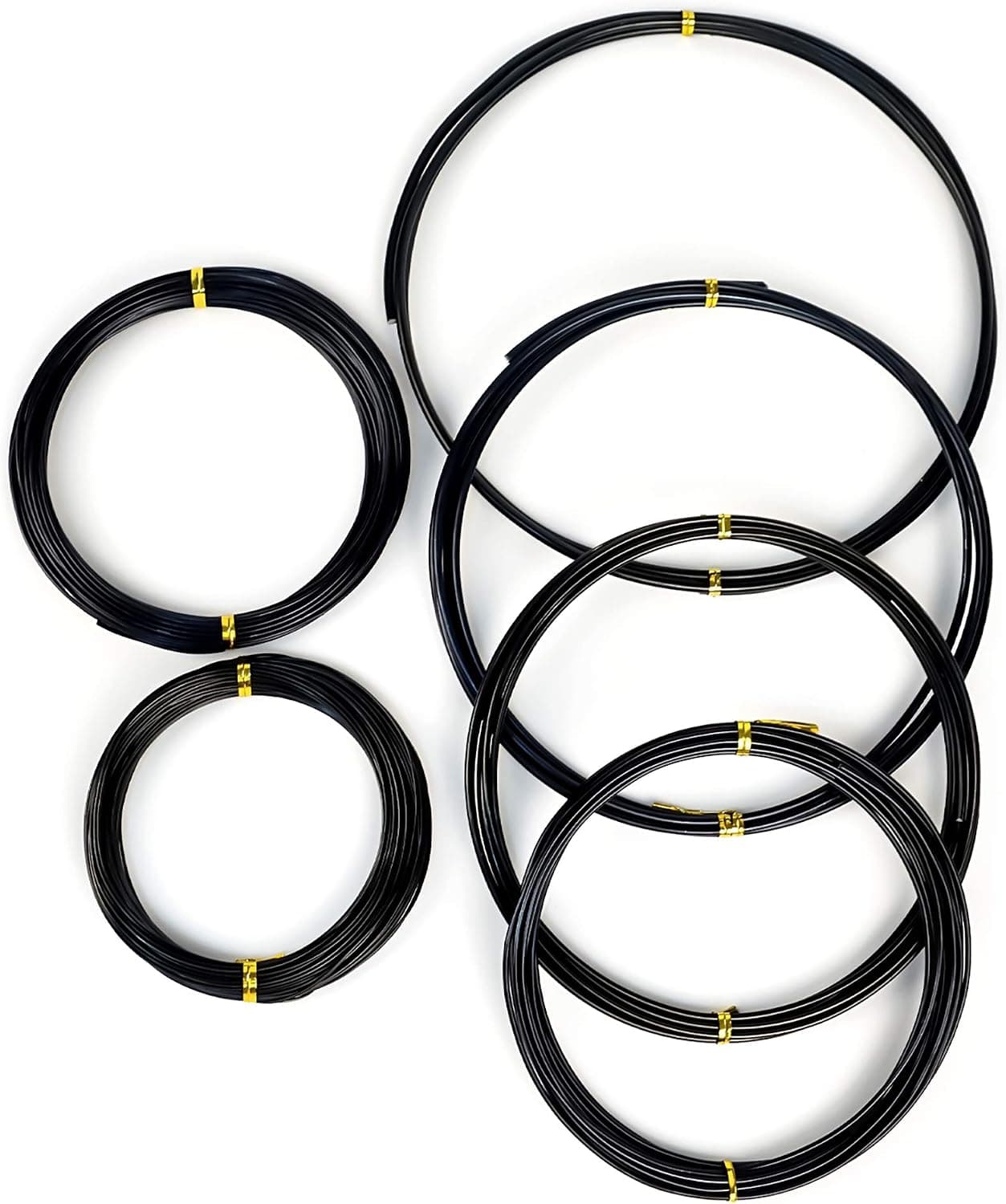
+ 6 gauges from 1mm to 4mm cover twigs through thick branches
From our guide: Best Bonsai Wire
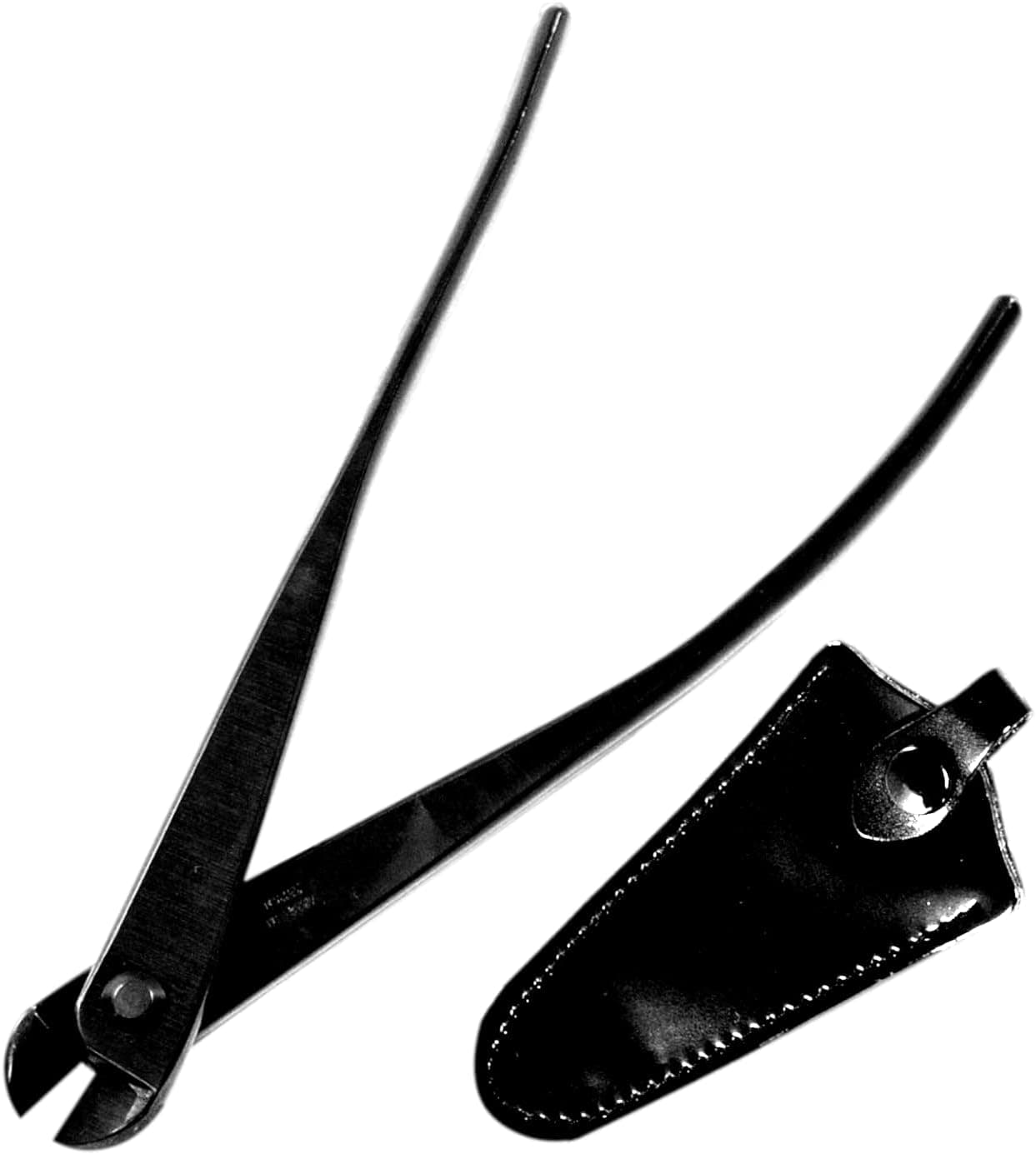
+ Rounded head cuts wire flush without nicking the bark
From our guide: Best Bonsai Wire Cutters
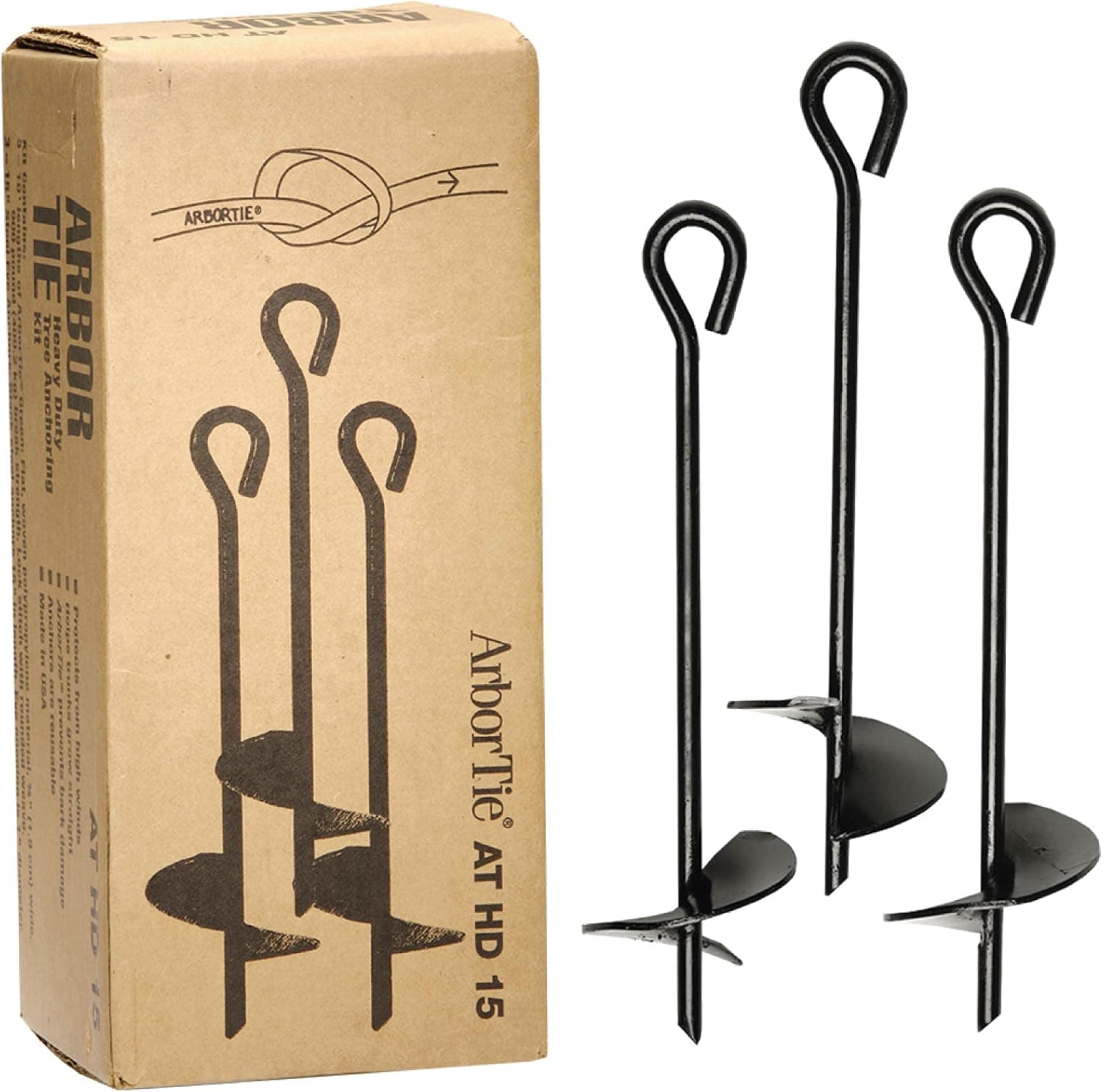
+ Steel eye earth anchors hold large in-ground trees securely
From our guide: Best Guy Wires and Anchors for Bonsai
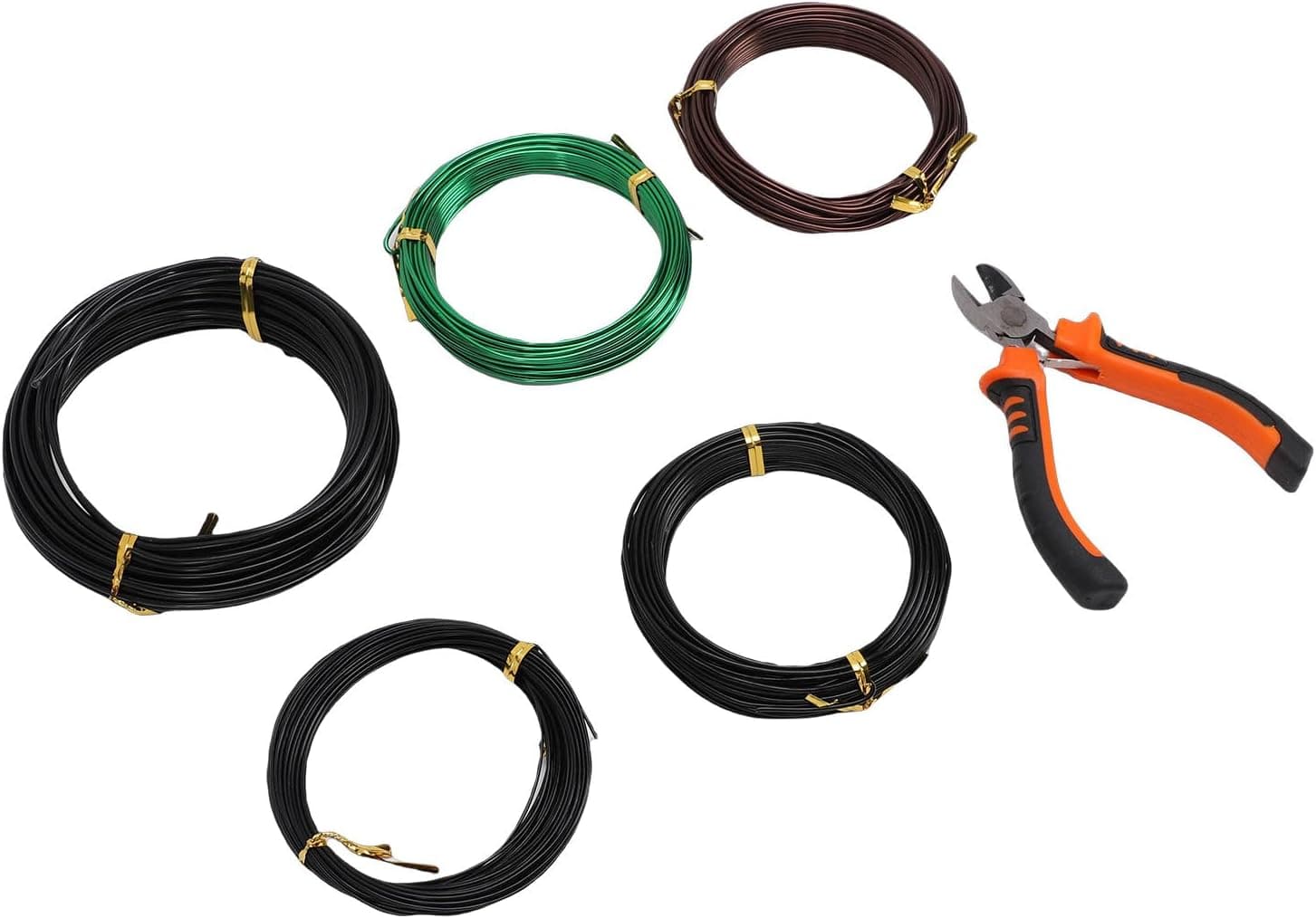
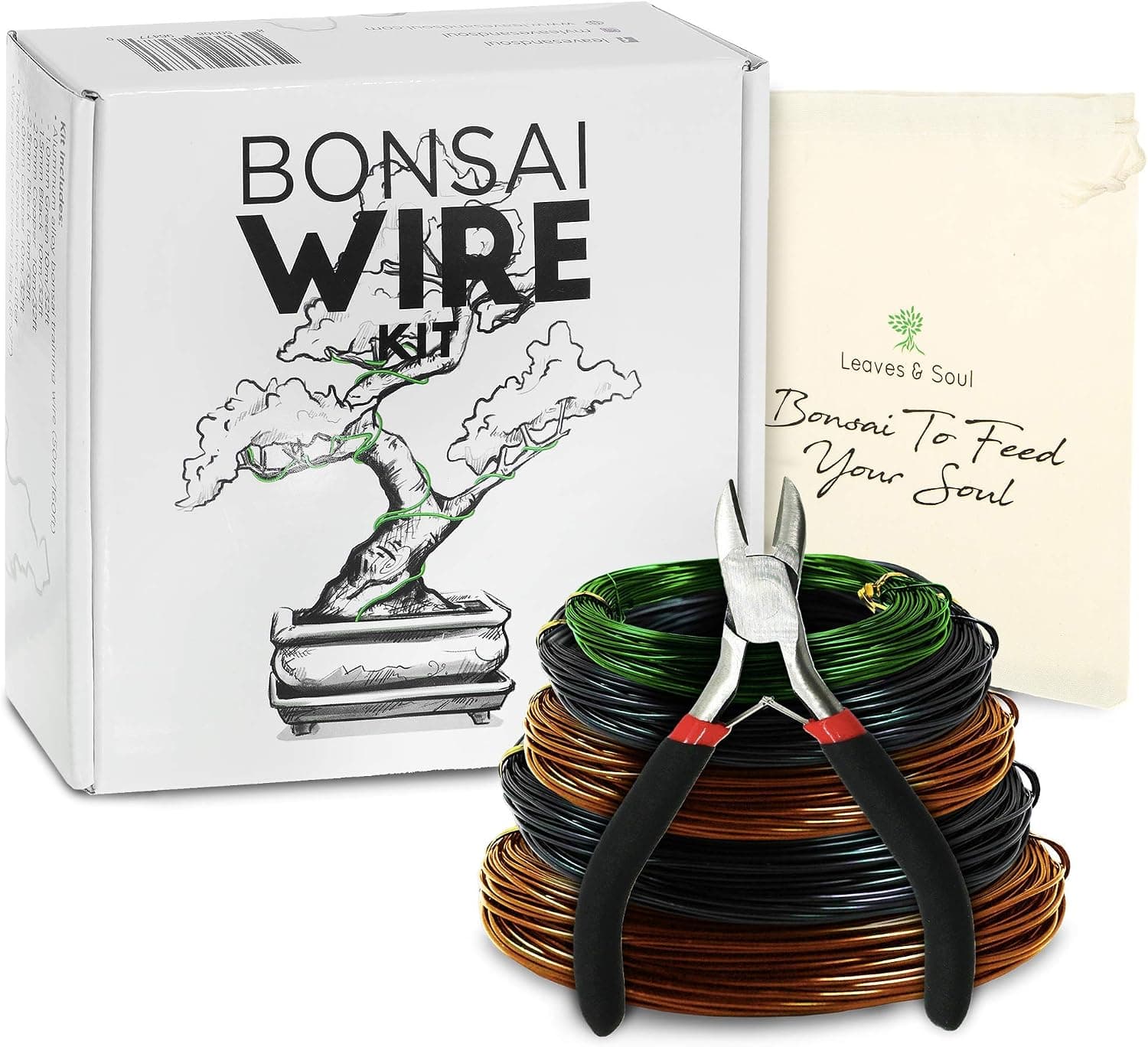
+ 160ft across 5 rolls covers tie-downs and branch wiring alike
From our guide: Best Bonsai Wire
Popular right now
- Choosing the Right Bonsai Pot for Your TreeArticle
- Best Raffia and Wrapping for BonsaiBuying guide
- Bonsai Display and Presentation Basics at Home and at ShowsArticle
- Moss and Accent PlantingArticle
- Best Bonsai Seed KitsBuying guide
- Pinching vs CuttingArticle
Based on the last 28 days of search and visitor data.