Why Bonsai Soil Is Different From Regular Potting Mix
Published How we research
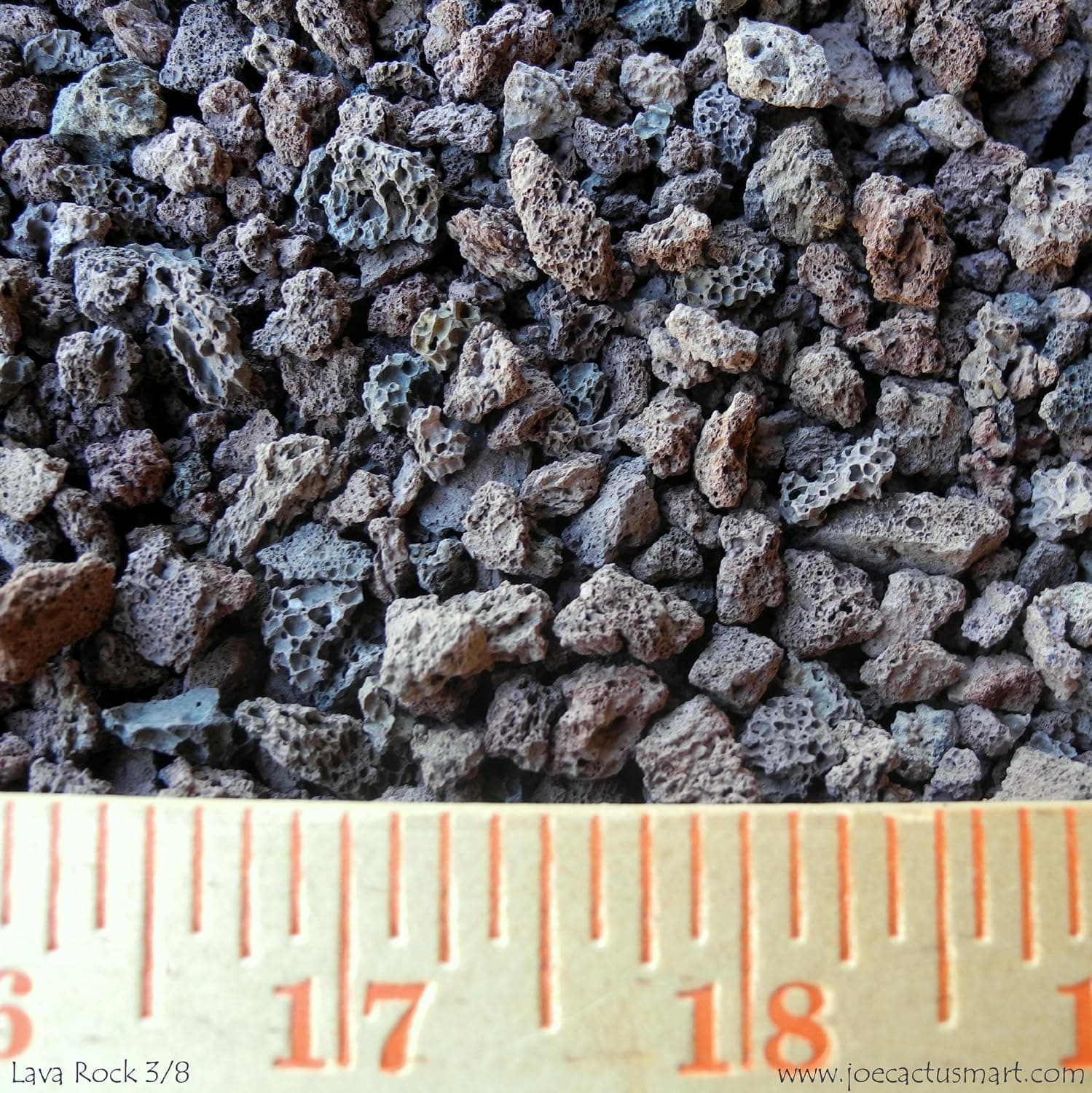
Open a bag of bonsai soil for the first time and it looks wrong. There is no dark crumbly compost in it, no peat, often nothing that resembles soil at all. What you get instead is a mix of hard granules that could pass for aquarium gravel. This is not tradition for its own sake. A tree in a shallow pot faces a physical problem that a tree in the ground never faces, and the granular mix is the solution to it.
Roots need water and air at the same time. In open ground, a deep column of soil drains by gravity, so the upper layers hold moisture while air refills the spaces between particles. A bonsai pot is only a few centimetres deep, and shallow containers hold on to water in a way deep ones do not. Fill that pot with fine compost and the lower half stays waterlogged almost permanently. Roots sitting in saturated, airless soil cannot take up oxygen, they begin to die back, and rot organisms move into the dead tissue. The tree wilts, the owner waters more, and the cycle accelerates.
Granular soil fixes this by building large air spaces into the mix. Water clings to and inside each particle, but the gaps between particles drain instantly and fill with air. The result is a medium that is simultaneously moist and well aerated, which is exactly what fine feeding roots want. It also means you can water generously and often without risk, which suits a tree that has very little soil to draw on during hot weather.
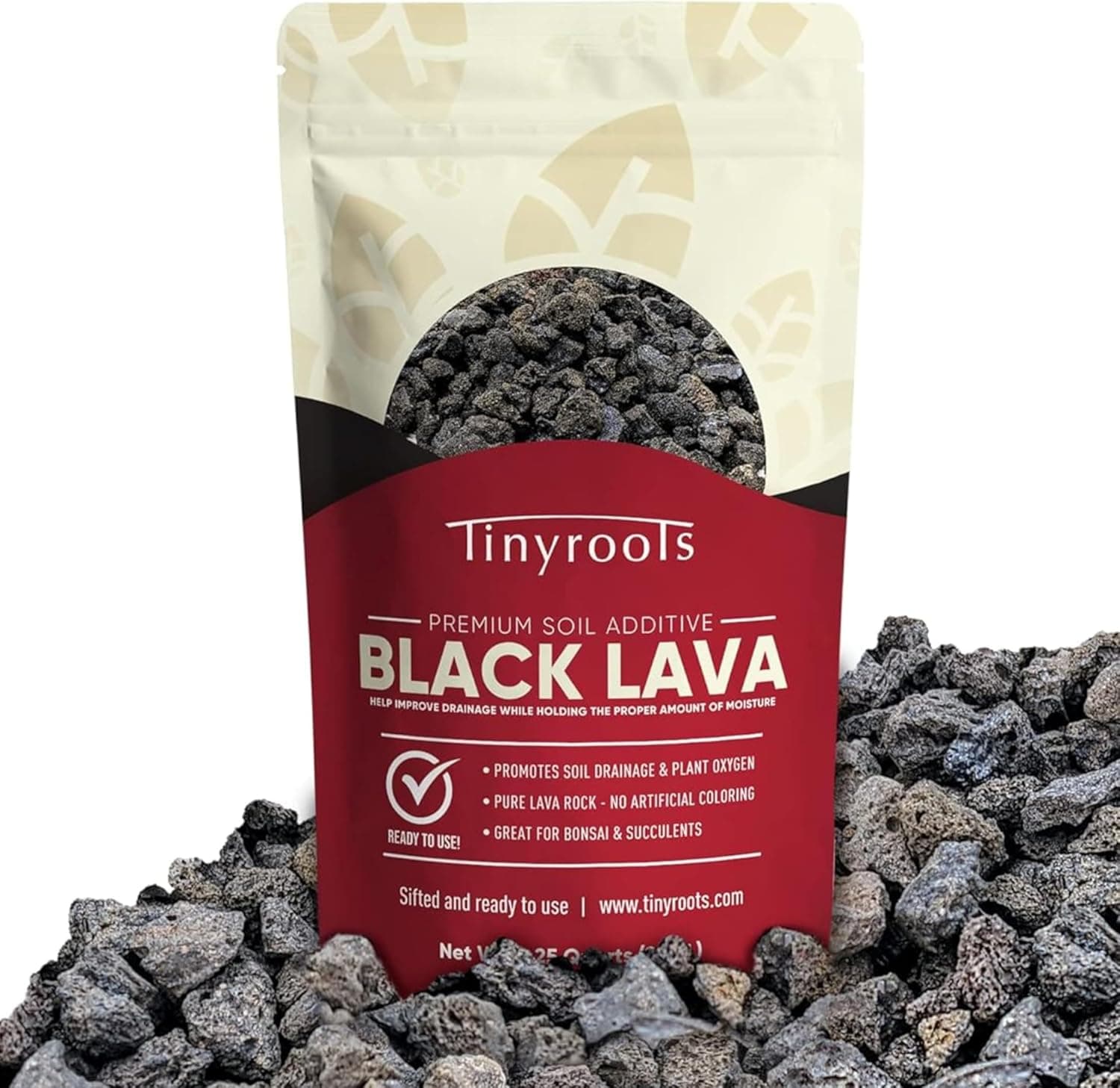
The three components you will meet most often are akadama, pumice, and lava rock. Akadama is a fired Japanese clay that holds water and nutrients well and breaks down slowly over a few years, which conveniently signals when a repot is due. Pumice is light, porous, and stable, and it holds moisture without compacting. Lava rock is hard and angular, adds structure, and keeps the mix open. A common general-purpose blend is roughly equal parts of all three, though growers adjust constantly. More pumice and lava for pines and junipers that want sharper drainage, more akadama or added organic matter for maples and other species that prefer steadier moisture.
Particle size matters as much as composition. Most mixes for standard-sized trees use particles between two and six millimetres, sieved to remove dust and fines. That dust is not harmless filler: it settles into the air gaps and gradually turns an open mix into a dense one, undoing the whole point. If you buy unsifted material, sieving it yourself over a bucket takes ten minutes and meaningfully improves the result. Smaller pots and shohin trees use finer grades, and very large containers can take coarser ones.
Regional availability varies, and there is no need to be dogmatic. Where akadama is expensive or hard to find, growers substitute calcined clay products sold as soil conditioner or absorbent granules, fired diatomaceous earth, expanded shale, or horticultural grit. The test is simple: the material should be hard enough not to crush between your fingers, porous enough to hold some water, and free of dust. Anything that turns to mush when wet will collapse in the pot and take the tree's root health with it.
One last point that trips up beginners: because granular soil holds few nutrients compared with compost, feeding becomes more important. Water passing through carries dissolved nutrients away, so a tree in bonsai soil depends on you to supply fertiliser regularly through the growing season. That trade is worth making. A well-fed tree in open soil grows vigorously and roots densely, while a starved tree in rich wet compost slowly declines regardless of how good the compost looked in the bag.
Products from this article
The highest-scoring picks from the buying guides mentioned above. Scores are our editorial assessment, not customer ratings.
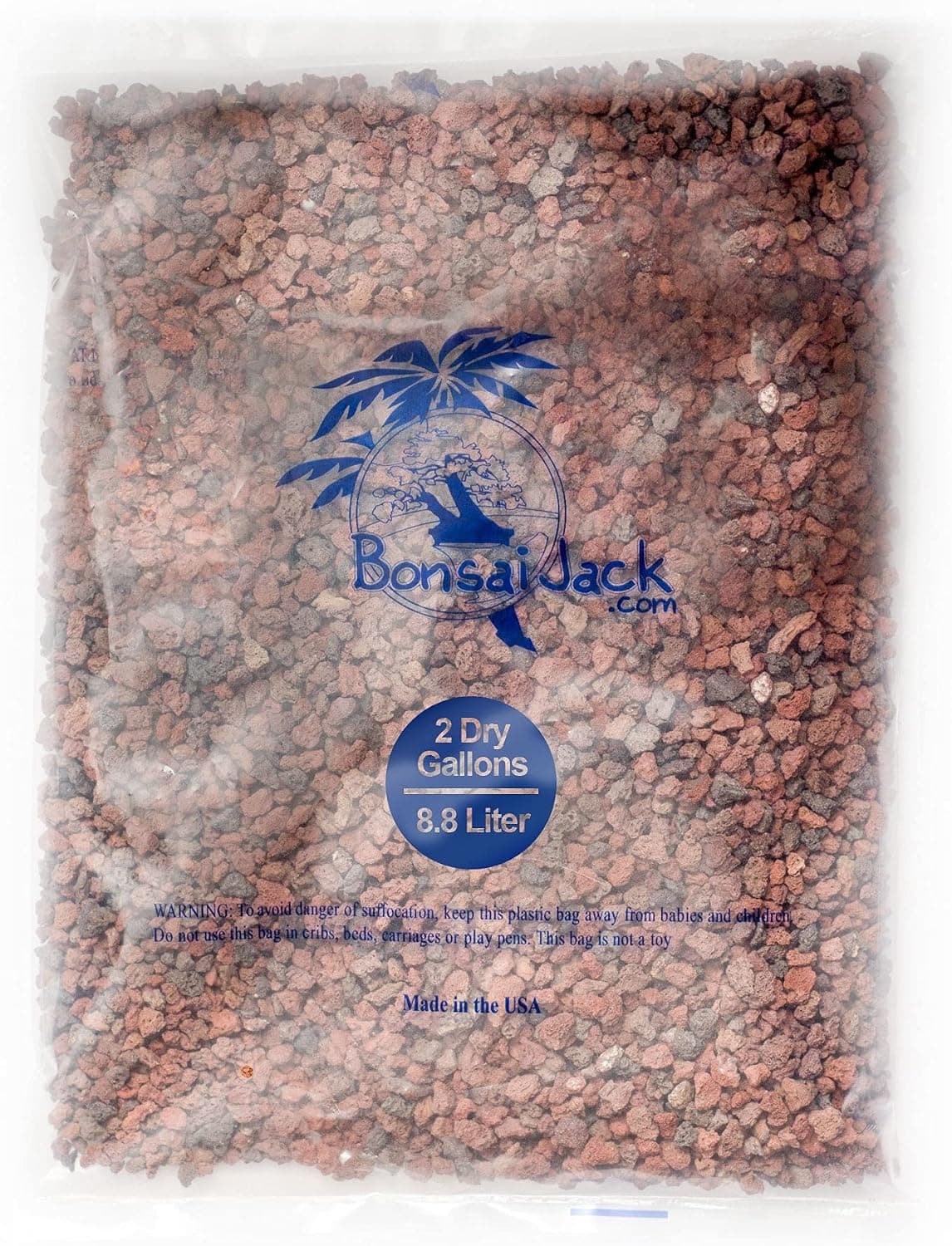
+ 2 gallons of screened 1/4 inch lava suits larger collections
From our guide: Best Lava Rock for Bonsai Soil
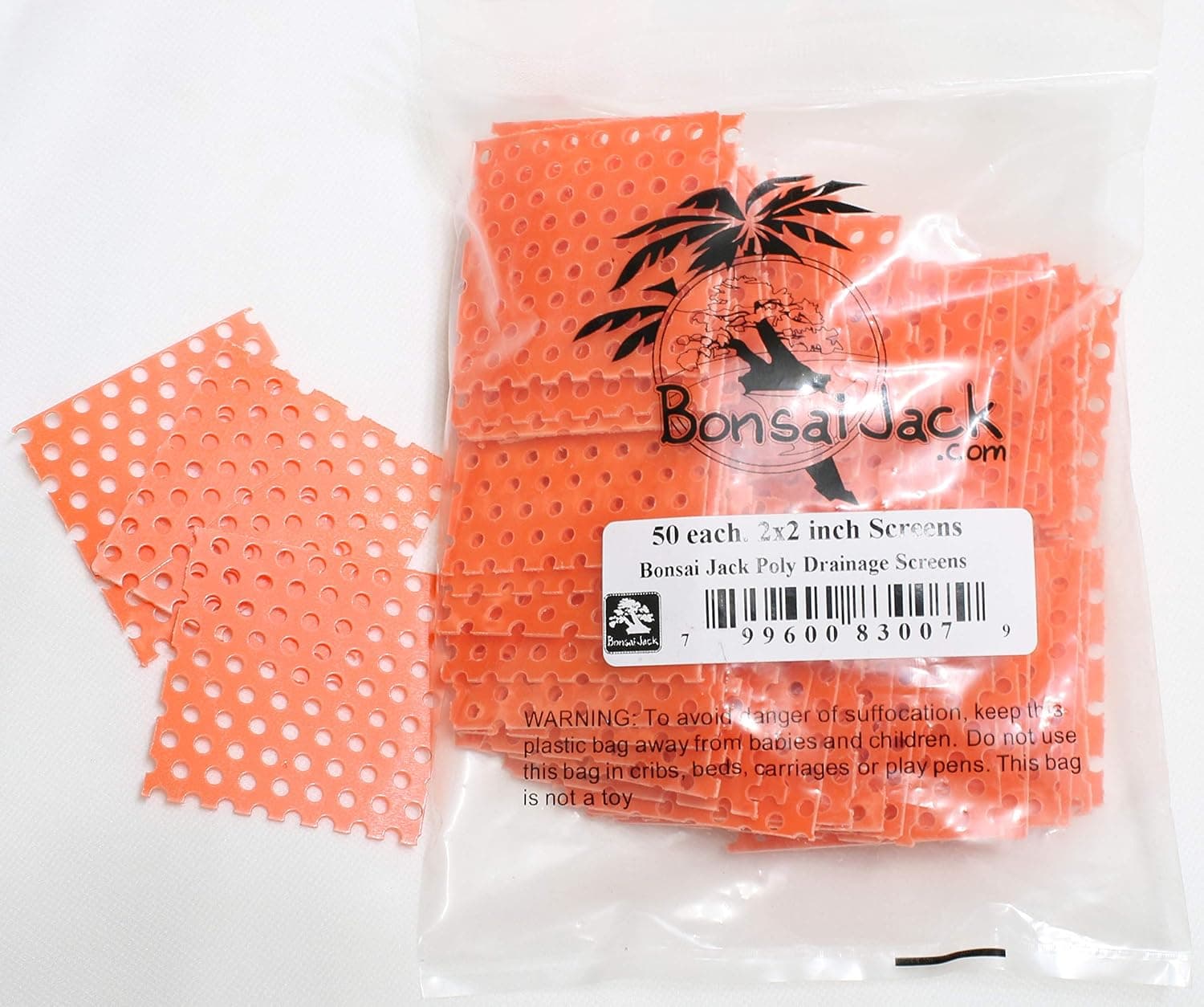
+ Ultra rigid screens stay flat and do not sag into drainage holes
From our guide: Best Bonsai Repotting Supplies
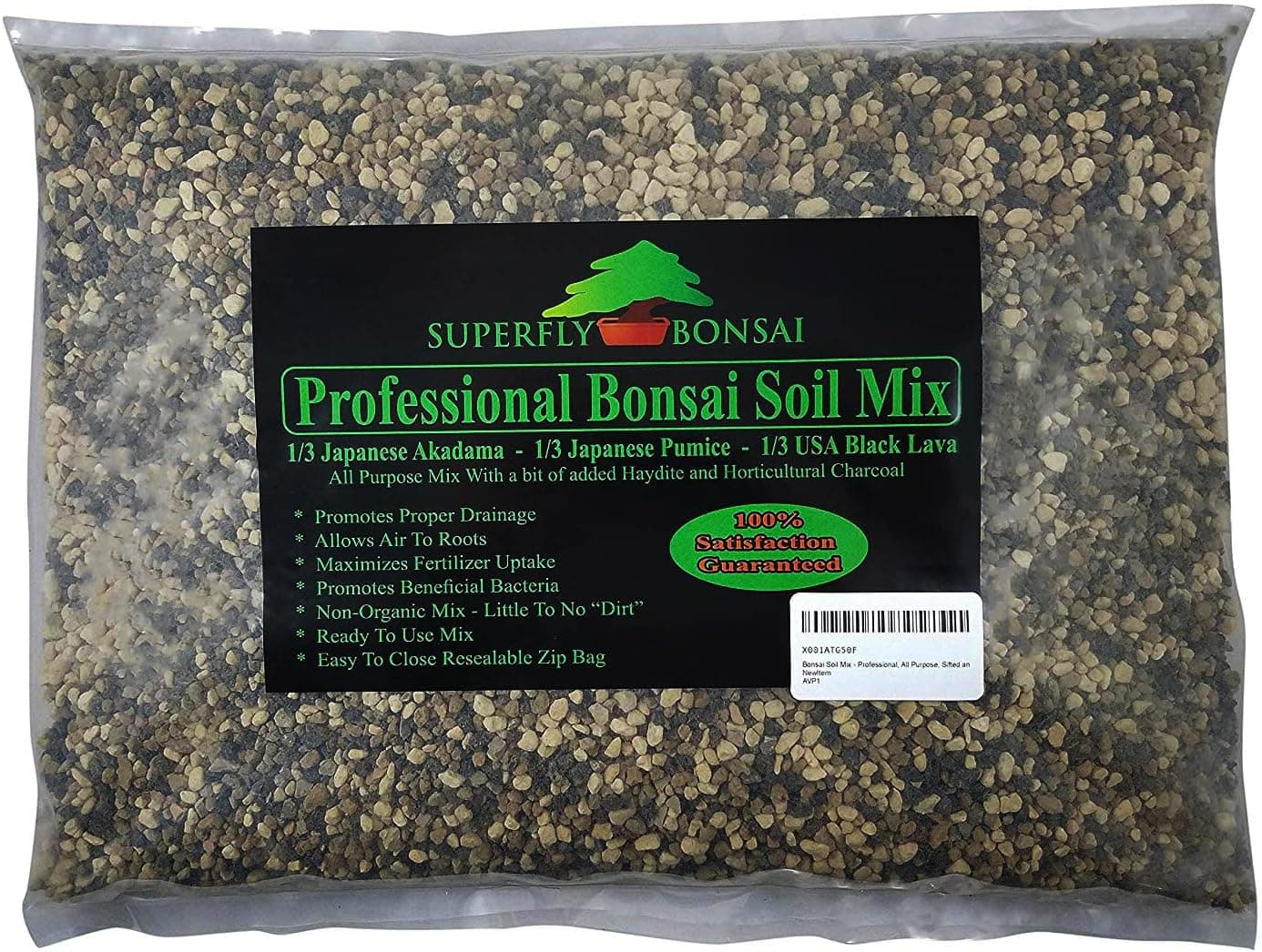
+ 6 quart bag lowers the cost per quart for bigger collections
From our guide: Best Premixed Bonsai Soil
+ 1/8 to 1/4 inch range suits small to medium bonsai pots
From our guide: Best Lava Rock for Bonsai Soil
Popular right now
- Choosing the Right Bonsai Pot for Your TreeArticle
- Best Raffia and Wrapping for BonsaiBuying guide
- Bonsai Display and Presentation Basics at Home and at ShowsArticle
- Moss and Accent PlantingArticle
- Best Bonsai Seed KitsBuying guide
- Pinching vs CuttingArticle
Based on the last 28 days of search and visitor data.