Root Pruning Basics
Published How we research
Root pruning is what makes bonsai possible. A tree confined to a shallow pot cannot support an ever-expanding root system, and left alone it will fill the container, strangle itself, and stagnate. By periodically cutting back roots you keep the system young, fibrous and efficient, and you shape it into a flat radial pad that fits the pot and feeds the tree far better than a tangle of thick woody roots ever could.
It helps to understand which roots do the work. Thick structural roots anchor the tree and transport water, but almost all actual uptake happens in the fine feeder roots and root hairs near the tips. In a pot, thick roots take up volume without contributing much, while fine roots are what you want in abundance. Cutting a thick root stimulates the tree to produce a cluster of new fine roots behind the cut, which is why systematic root pruning increases feeding capacity rather than reducing it, provided you do not overdo it in a single session.
How much you can remove varies enormously by species and by the tree's health. Vigorous deciduous trees such as elm, maple and cotoneaster commonly tolerate a third of the root mass being removed at a spring repot, and strong specimens handle more. Pines and junipers are considerably less forgiving, partly because they rely on mycorrhizal fungi living in the existing soil, so conifer root work is usually spread over several repots with a portion of the old root ball left undisturbed each time. A weak, sick, or recently stressed tree should get minimal root work regardless of species. When in doubt, remove less and repeat sooner.
The technique itself is patient rather than difficult. Comb roots outward from the base with a hook or chopstick so they radiate like spokes, working loose the old soil rather than ripping through the mass. Cut cleanly with sharp scissors, angling the cut so new growth is directed outward and downward into fresh soil. Remove roots growing straight down beneath the trunk, since a shallow pot has no room for them and they compete with the lateral roots you want. Remove crossing and circling roots that will eventually thicken and constrict others. Keep the fine fibrous material near the trunk intact wherever you can.
One root deserves special attention: the taproot. Seedlings and nursery stock often have a single dominant root plunging downward, and it prevents the tree from ever sitting properly in a shallow container. It is removed gradually, shortened at successive repots so the tree can compensate by developing lateral roots, rather than amputated in one go. The same gradual approach applies to any single root that is far thicker than its neighbours and unbalances the base.
The long-term goal is nebari: a flat spread of roots radiating evenly from the trunk in all directions, visible at the soil surface. Good nebari does more for the impression of age and stability than almost any other feature, and it is built slowly by encouraging surface roots and removing those that cross, dive or bunch on one side. Working the tree onto a flat surface, sometimes literally a tile placed under the root ball, encourages roots to run sideways rather than down.
After root pruning, treat the tree as a patient. Secure it firmly in the pot so nothing shifts, keep it sheltered from wind and direct sun for a few weeks, water attentively, and hold off on fertiliser until fresh growth appears. Resist the urge to also prune the top hard in the same season. The tree needs its foliage to power the regrowth of the roots you just removed, and taking both ends at once is the classic way to lose a tree that would otherwise have recovered fully.
Products from this article
The highest-scoring picks from the buying guides mentioned above. Scores are our editorial assessment, not customer ratings.
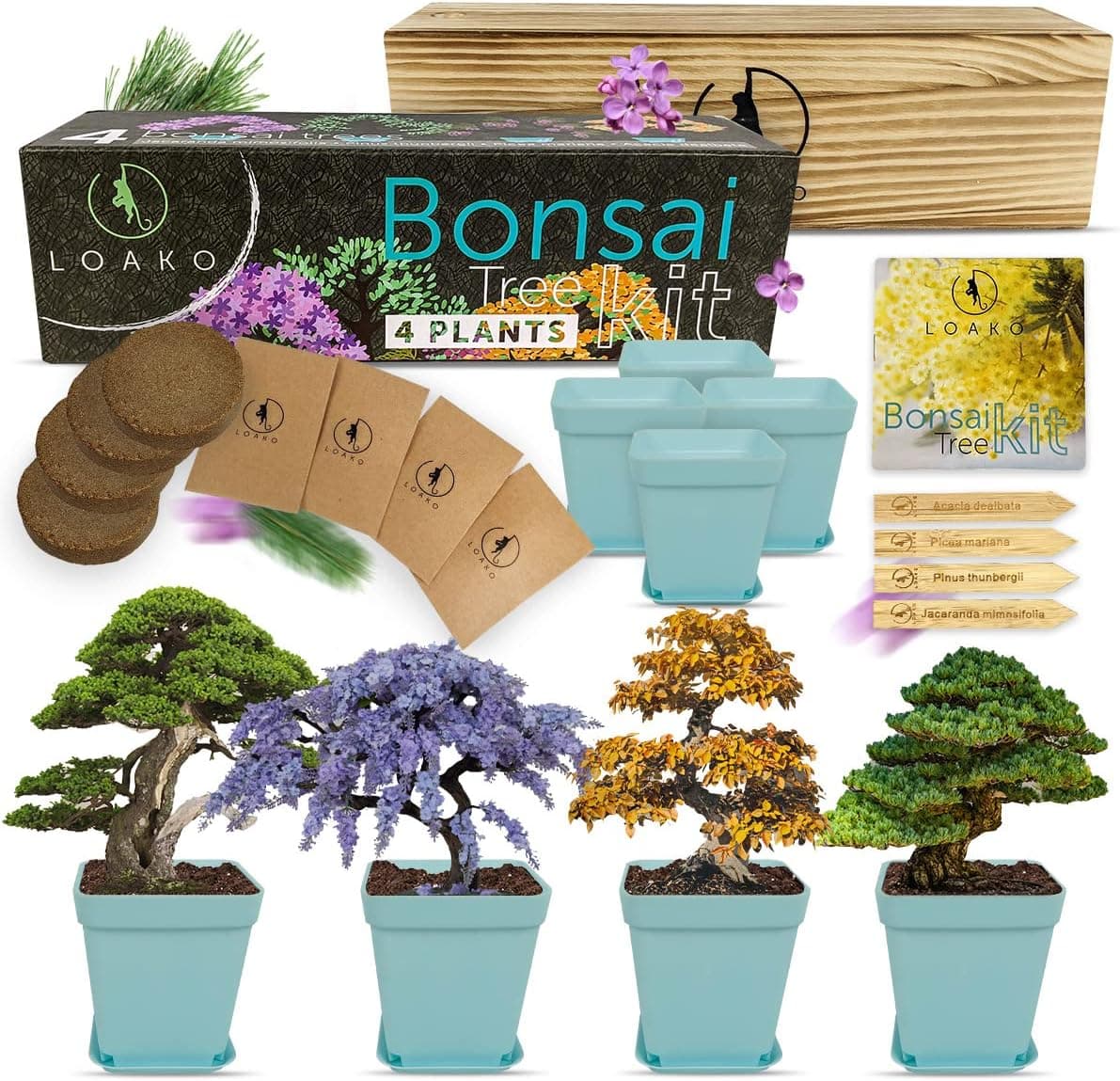
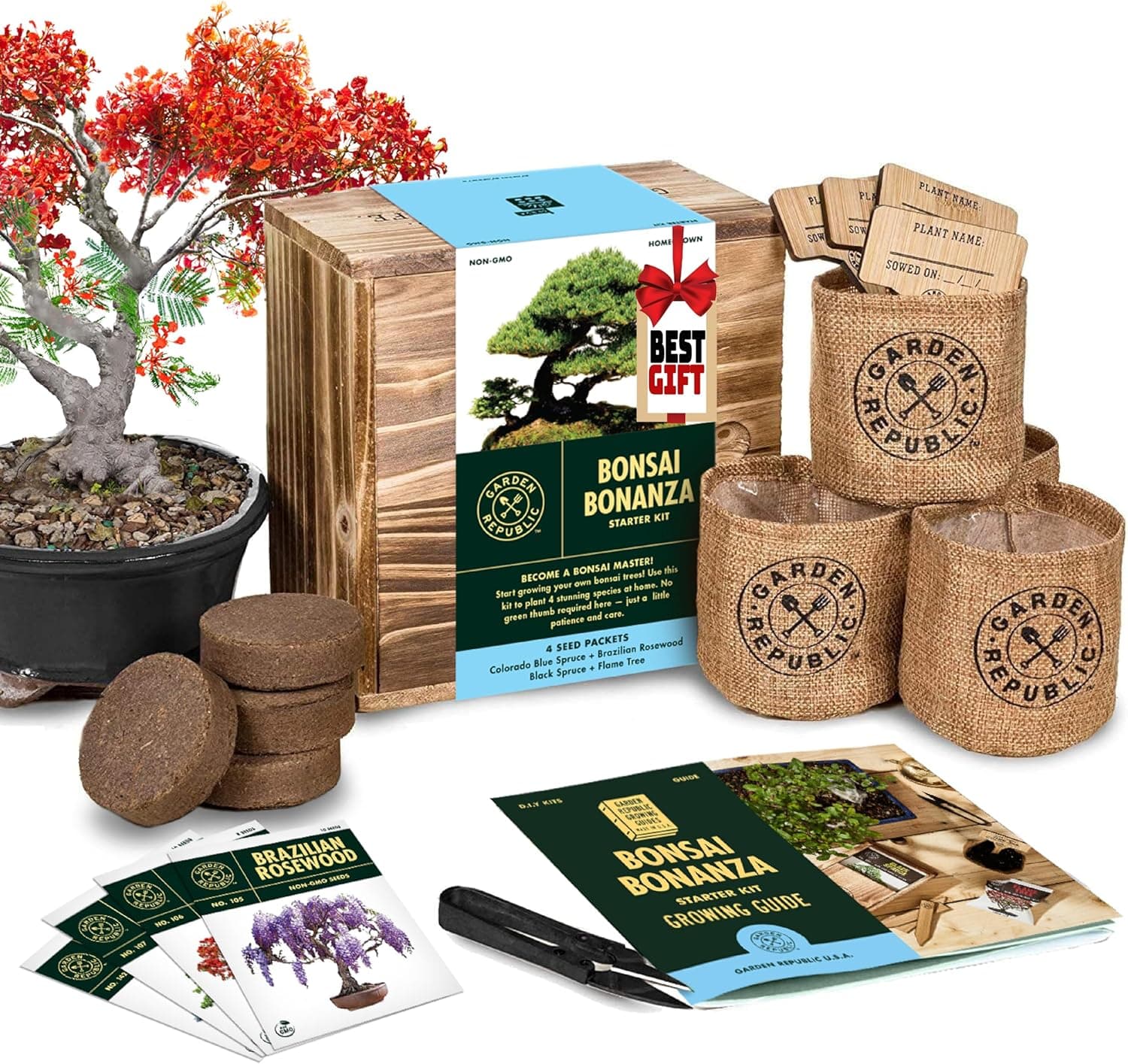
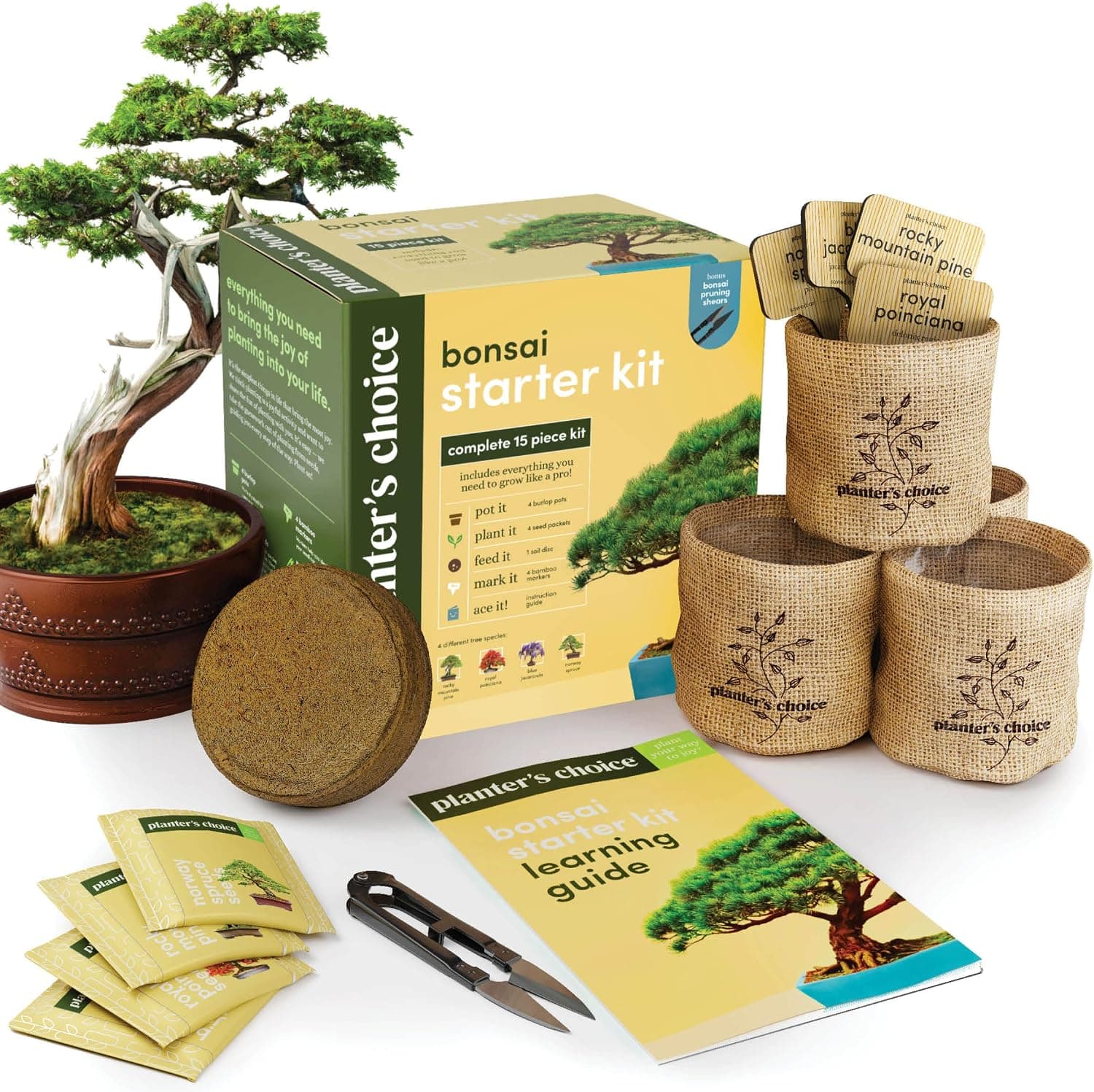
+ Plant markers help track which seedling is which as they sprout
From our guide: Best Bonsai Seed Kits
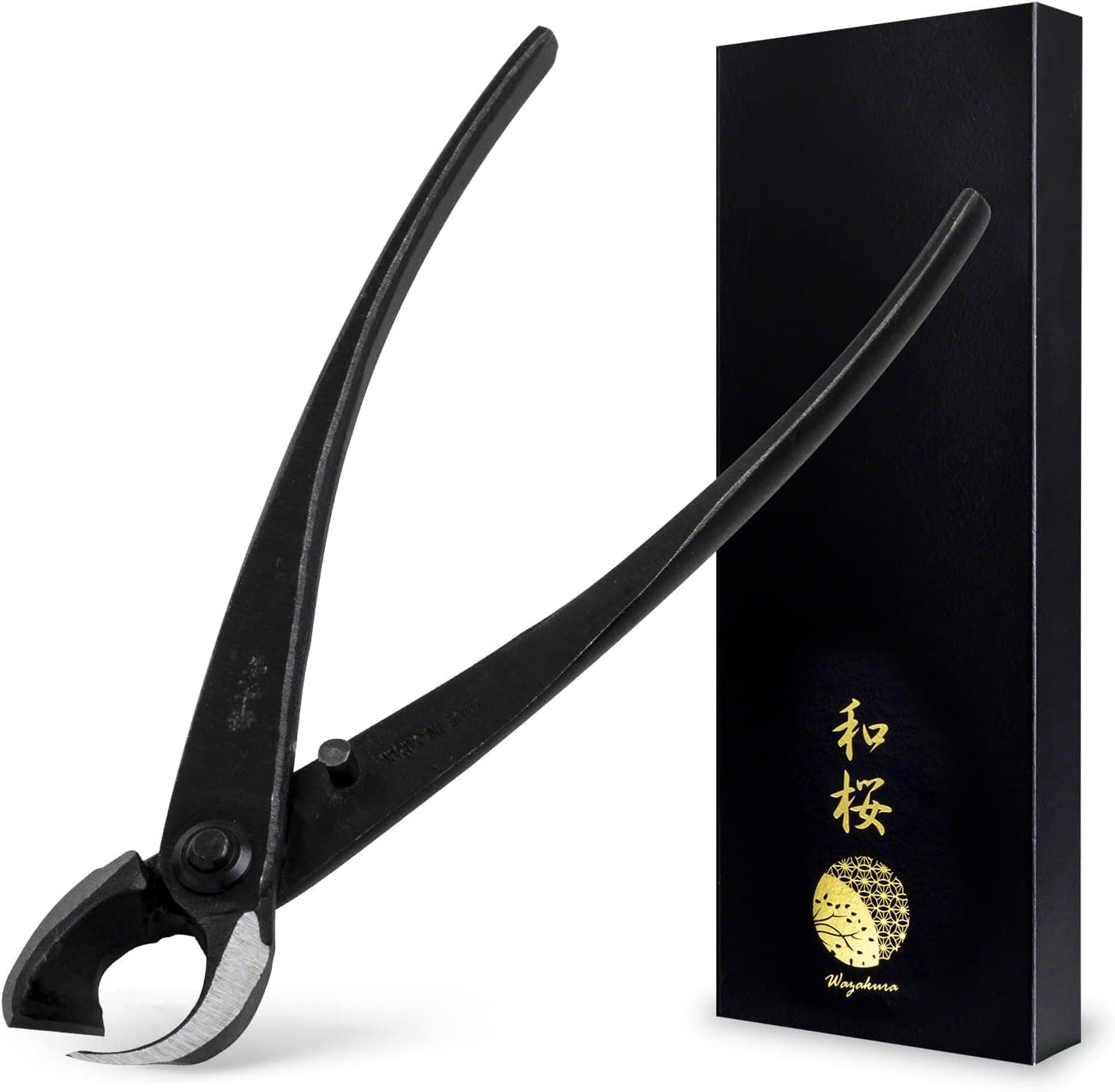
+ Hand forged Japanese steel keeps a keen edge for clean cuts
From our guide: Best Concave Cutters for Bonsai
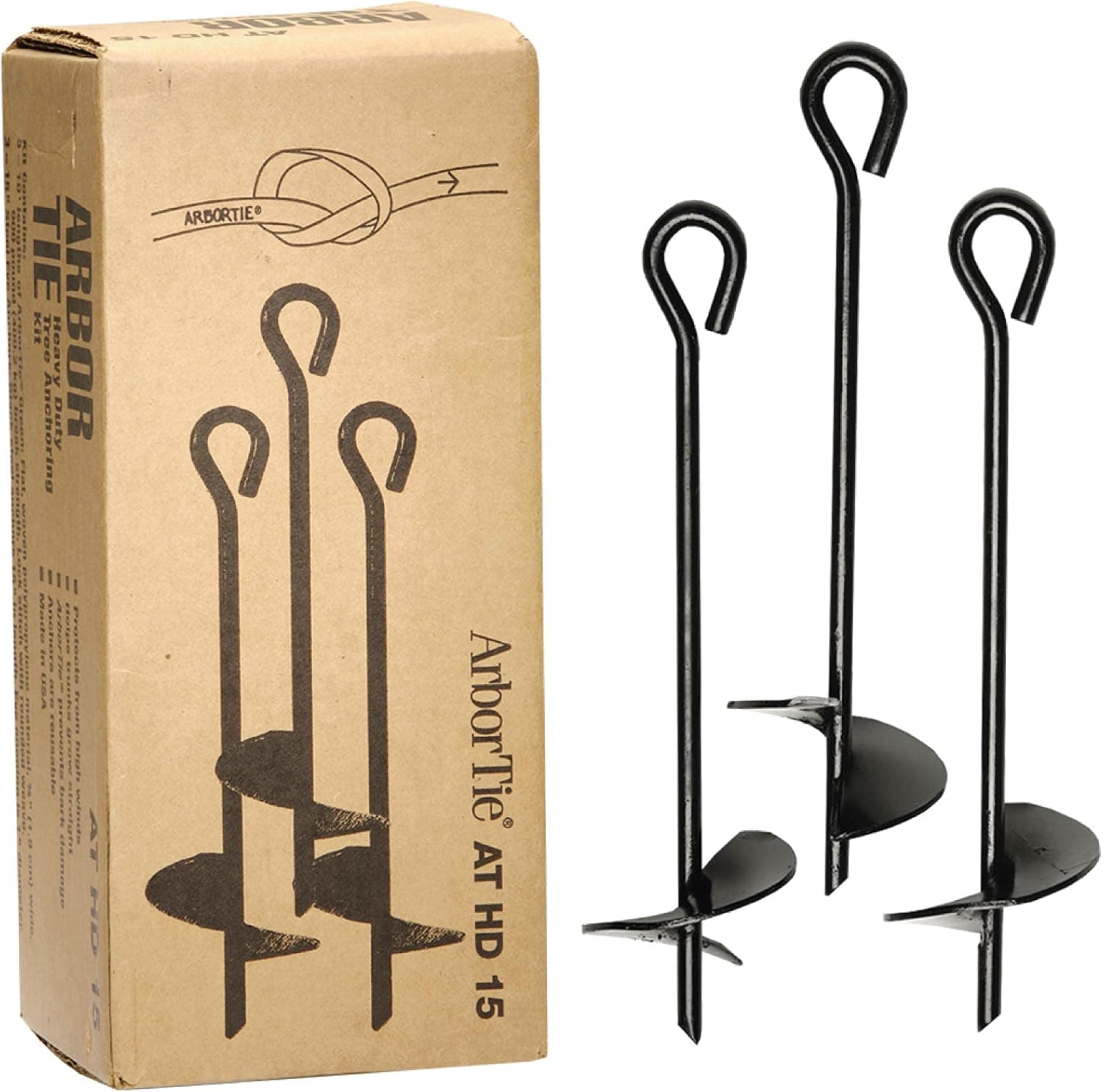
+ Steel eye earth anchors hold large in-ground trees securely
From our guide: Best Guy Wires and Anchors for Bonsai
+ Compressed soil disc expands with water, so setup is clean and simple
From our guide: Best Bonsai Seed Kits
Popular right now
- Choosing the Right Bonsai Pot for Your TreeArticle
- Best Raffia and Wrapping for BonsaiBuying guide
- Bonsai Display and Presentation Basics at Home and at ShowsArticle
- Moss and Accent PlantingArticle
- Best Bonsai Seed KitsBuying guide
- Pinching vs CuttingArticle
Based on the last 28 days of search and visitor data.