Getting Started With Bonsai
Published How we research
Bonsai is not a species of plant. It is a practice: growing an ordinary tree in a shallow container and shaping it over years so that it reads, at a glance, like a full-sized tree seen from a distance. That distinction matters more than almost anything else a beginner learns, because it reframes the whole hobby. You are not buying a finished object. You are entering into a slow working relationship with a living thing that will outlast most of your other possessions if you let it.
The first practical decision is where the tree will live. Most traditional bonsai species are temperate trees that need to be outdoors year round, including through a cold dormant winter. A juniper on a windowsill is a juniper that is dying slowly. If you have a balcony, a porch, a fire escape, or a patch of garden that gets several hours of direct sun, you can grow the classic outdoor species. If your only option is indoors, that is fine, but it narrows the list to tropical and subtropical trees such as ficus, jade, and Chinese elm, which tolerate year-round warmth and lower light.
The starter kit you actually need is smaller than the internet suggests. A tree, a watering can with a fine rose, a pair of sharp concave cutters or at minimum a decent pruning shear, and a bag of proper bonsai soil will carry you through the first year comfortably. Wire, jin pliers, root hooks, and turntables are all useful eventually, but buying them on day one tends to encourage doing things to the tree that it is not ready for. Money is better spent on a healthier tree than on a wider tool set.
Expect your first year to be mostly about keeping the tree alive and learning its rhythms. That sounds anticlimactic, and it is meant to. Beginners lose far more trees to overwork than to neglect. The most common failure sequence is buying a tree, repotting it immediately, pruning it hard the same week, and wiring the remaining branches, all within a month. Any one of those is a meaningful stress. Stacked together in the wrong season, they are frequently fatal. A tree that is watered correctly, fed sensibly, and otherwise left alone for twelve months will be in far better shape to be styled in year two.
Watering is the skill that separates people who keep bonsai from people who used to keep bonsai. It cannot be reduced to a schedule, because the correct frequency changes with the season, the weather, the pot size, the soil, and how much foliage the tree is carrying. The habit to build is checking rather than counting: push a finger into the surface, lift the pot to feel its weight, and water thoroughly when the top layer has begun to dry. Some summer days that means twice. Some winter weeks it means once.
The last thing worth internalising early is that bonsai runs on the tree's calendar, not yours. Repotting happens in a window of a few weeks in spring. Hard pruning suits particular points in the growth cycle. Wire goes on when the tree can afford it and comes off before it bites in. Learning to wait for the right moment, rather than acting when you happen to feel motivated, is the actual technique underneath all the other techniques.
Start with one tree, ideally a forgiving species bought from a nursery rather than a gift shop. Keep it alive through four seasons. Watch what it does when it is happy and what it does when it is not. Everything else in this hobby builds on that foundation, and there is no shortcut through it that does not cost you a tree.
Products from this article
The highest-scoring picks from the buying guides mentioned above. Scores are our editorial assessment, not customer ratings.
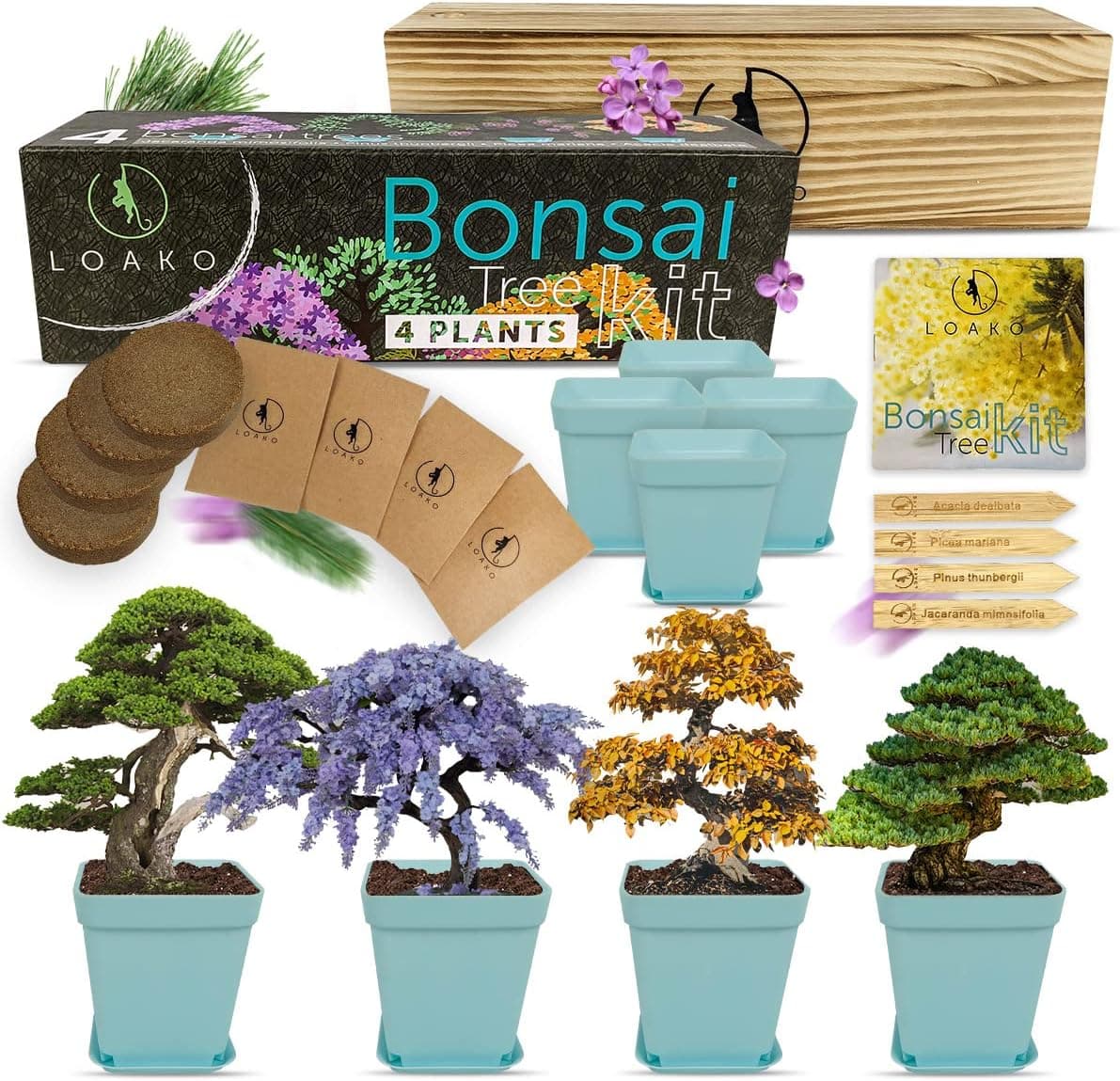
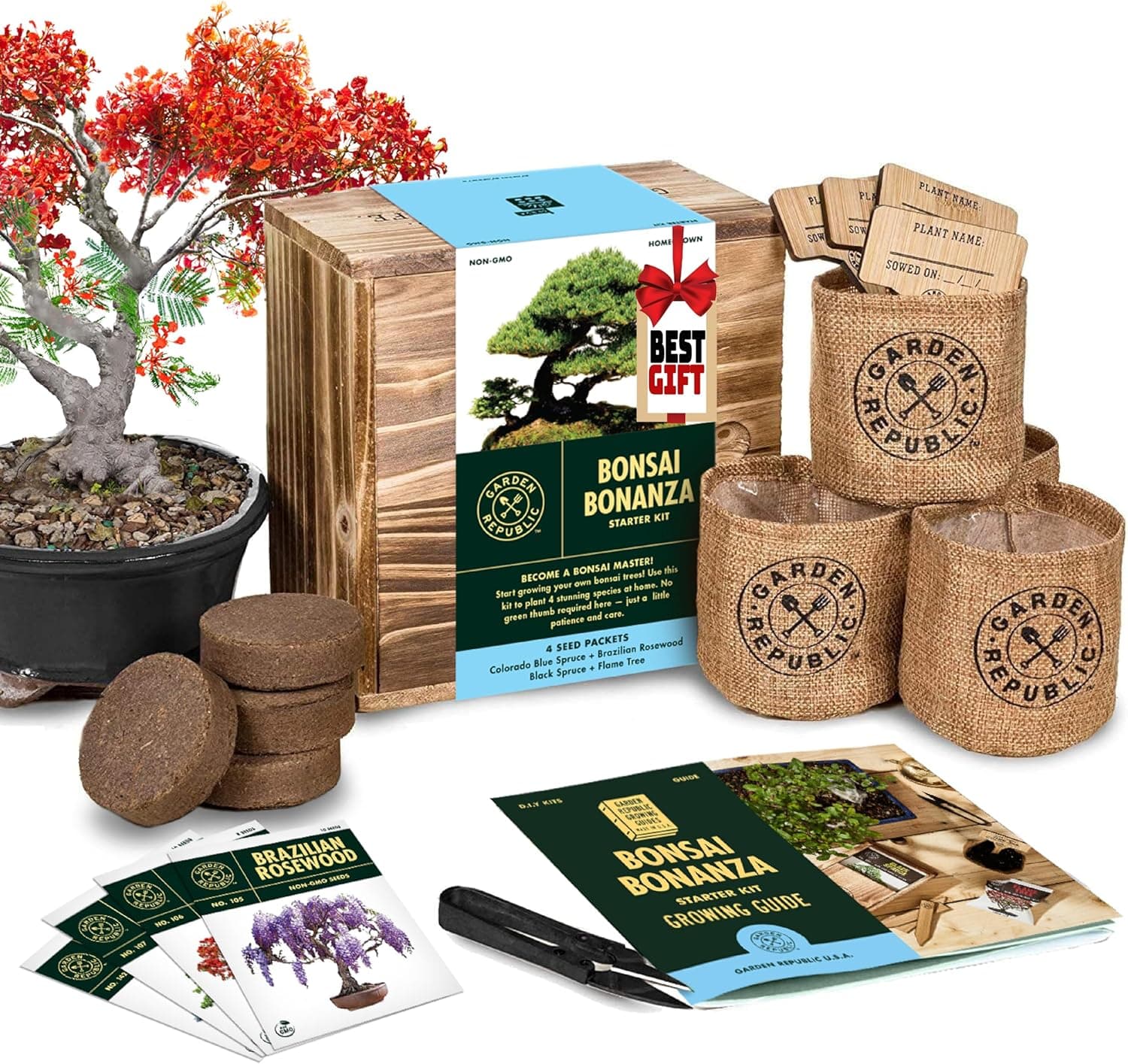
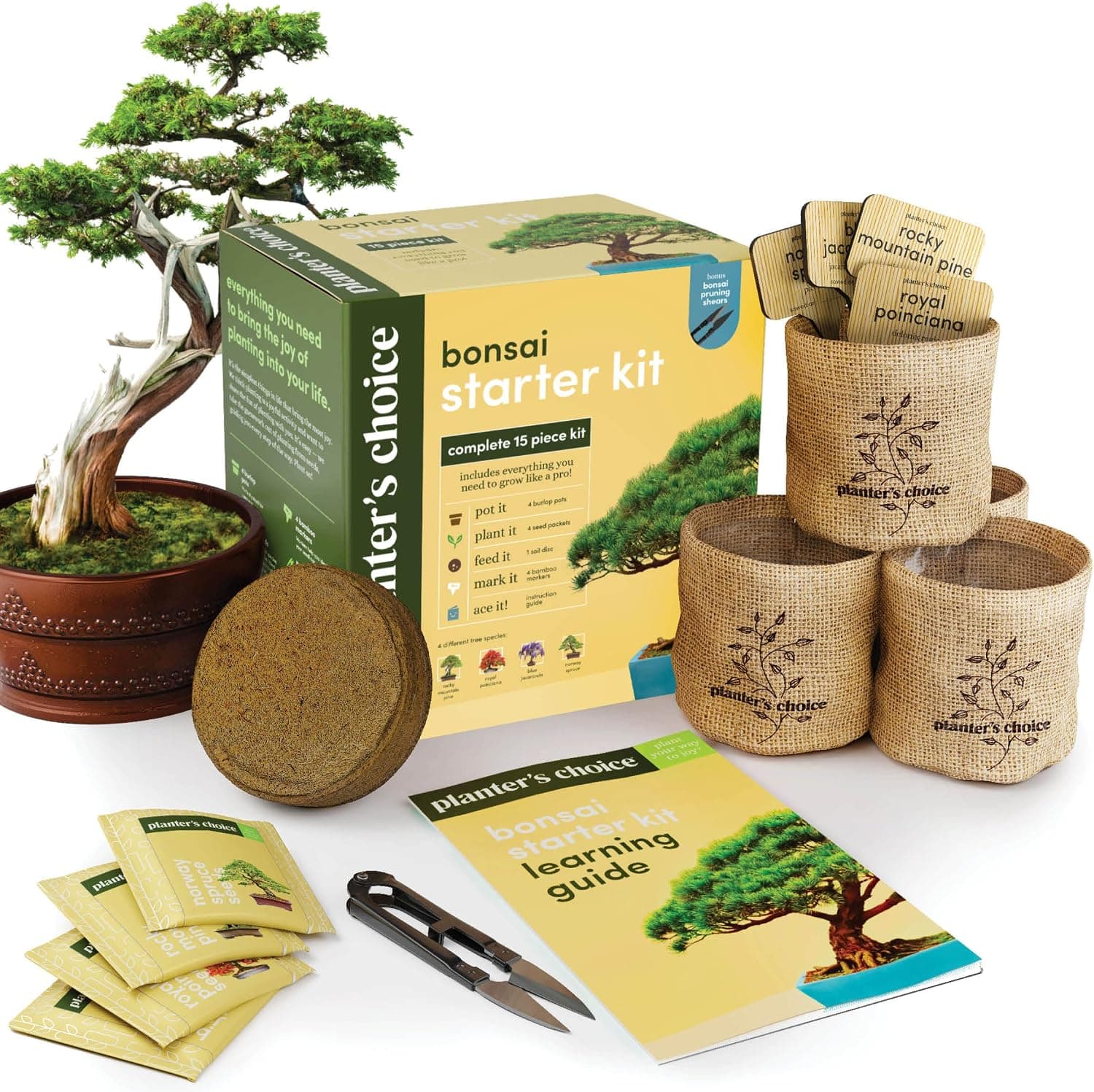
+ Plant markers help track which seedling is which as they sprout
From our guide: Best Bonsai Seed Kits
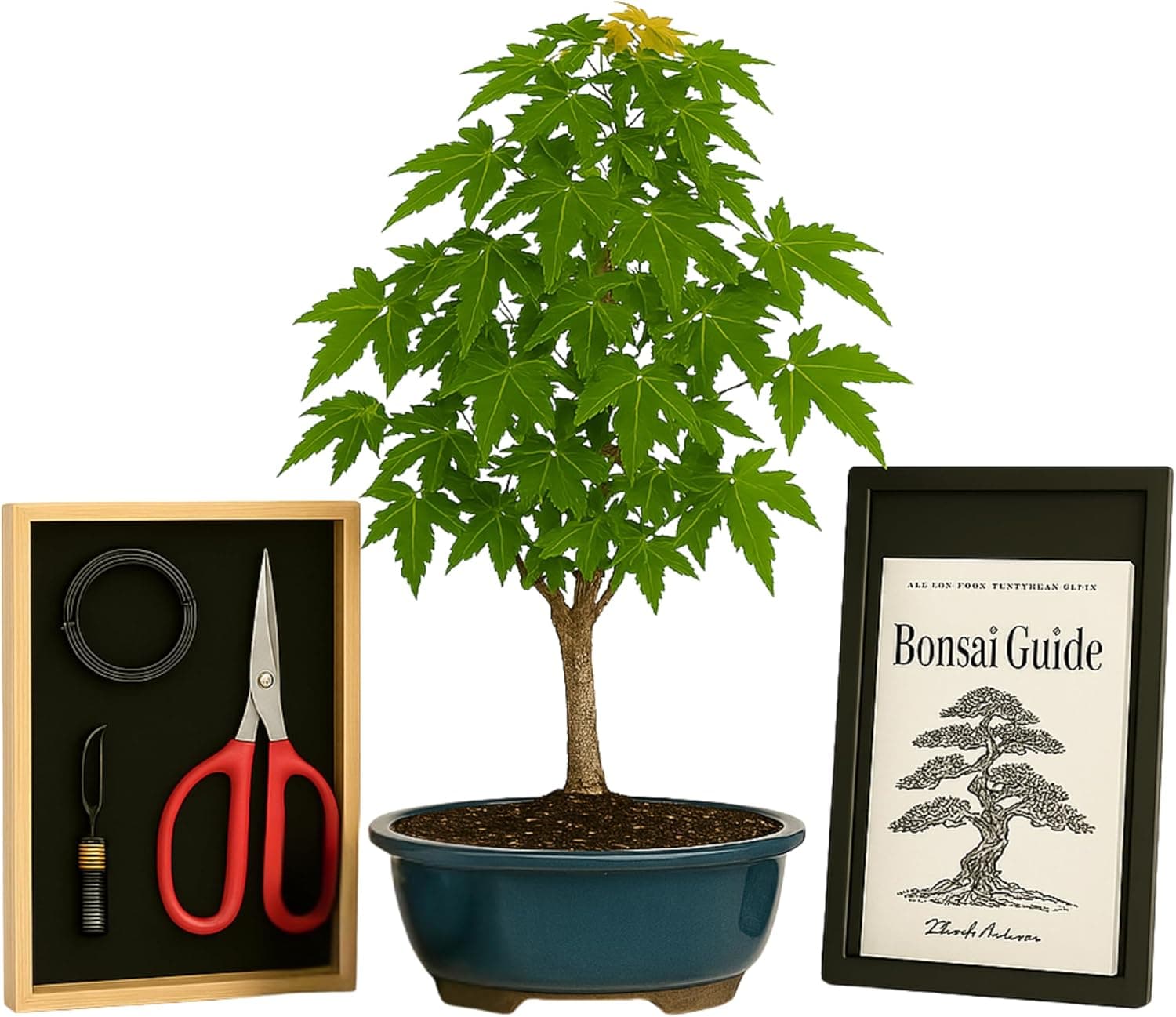
+ Trident maple is a vigorous outdoor species that recovers quickly from pruning
From our guide: Best Bonsai Starter Trees for Beginners
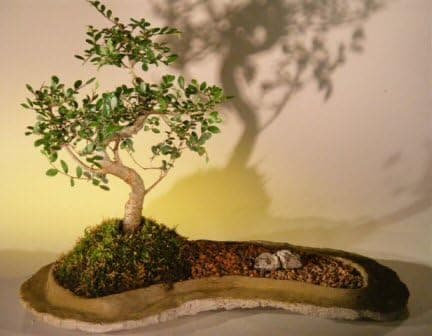
+ Chinese elm is one of the most forgiving species for indoor growers
From our guide: Best Indoor Bonsai Trees
+ Compressed soil disc expands with water, so setup is clean and simple
From our guide: Best Bonsai Seed Kits
Popular right now
- Choosing the Right Bonsai Pot for Your TreeArticle
- Best Raffia and Wrapping for BonsaiBuying guide
- Bonsai Display and Presentation Basics at Home and at ShowsArticle
- Moss and Accent PlantingArticle
- Best Bonsai Seed KitsBuying guide
- Pinching vs CuttingArticle
Based on the last 28 days of search and visitor data.