How to Grow a Bonsai From a Cutting, Step by Step
Published Updated How we research
Growing a bonsai from a cutting is faster than starting from seed and cheaper than buying a mature tree. You take a piece of a healthy parent plant, encourage it to form roots, then grow it on until the trunk is thick enough to style. Some species root readily, such as many figs, while others, including many pines and maples, are much harder. Success depends mostly on choosing the right species, taking the cutting at the right time of year and keeping it moist without letting it rot. This guide walks through the process and sets honest expectations.
Products from this article
The highest-scoring picks from the buying guides this article links to. Scores are our editorial assessment, not customer ratings.
As an Amazon Associate we earn from qualifying purchases. This does not change our picks. Affiliate disclosure
New to Prime? Try Prime free for fast, free shipping on eligible items.
+ Named cultivar Juniperus procumbens Nana tells you exactly what you are getting
From our guide: Best Pre-Bonsai Stock to Buy
+ 10 large oval pots handle a whole batch of nursery trees at once
From our guide: Best Bonsai Training Pots
+ Large 10-14 inch jade makes a bold succulent centerpiece
From our guide: Best Jade Bonsai Trees
+ Pre-bonsai stock gives more freedom to choose a style than a finished tree
From our guide: Best Pre-Bonsai Stock to Buy
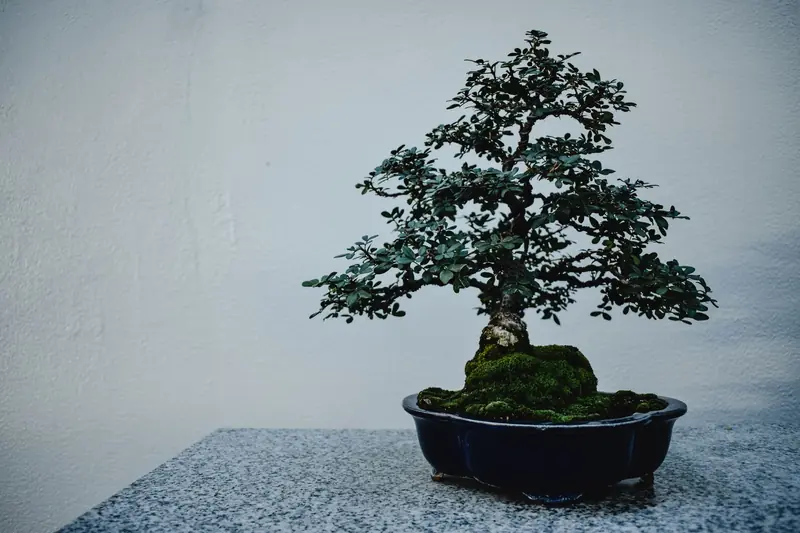
Which species root from cuttings
Ficus, jade (Portulacaria afra and similar succulents), many junipers, willow and some other fast-growing species are commonly rooted from cuttings. Figs and succulent jade are among the easiest, and are a sensible choice for a first attempt.
Other trees are much harder. Pines are generally grown from seed or nursery stock instead, and many maples need specific techniques such as air layering. If you want a particular species, check how it is usually propagated before you invest time.
Rooting success varies with the variety, the season and the conditions, so treat any success rate you hear with caution and take several cuttings rather than one.
Whichever species you choose, take cuttings from a plant you know is healthy and free of pests. A cutting carries any problems of the parent, and a weak shoot is less likely to root than a vigorous one.
When to take a cutting
Timing depends on the species. Many woody plants are cut in late spring or summer when new growth is firm but not fully woody, often called semi-hardwood. Some succulents can be cut almost any time during active growth.
Avoid cutting from a stressed or very young tree, and avoid taking cuttings in extreme heat or in the dormant season unless the species is known to root then. A healthy parent plant gives healthier cuttings.
How to take and prepare the cutting
Use a clean, sharp knife or shears and take care with blades. Cut a section of healthy shoot, often a few inches long, just below a node, which is where leaves join the stem. Remove the lower leaves so that no leaf will sit below the soil, and trim any large upper leaves to reduce water loss.
Some growers dip the cut end in rooting hormone, which is optional and should be used as directed on the product. Others skip it, especially with easy species such as many figs.
For succulent species, let the cut end dry for a day or so before planting, so it forms a callus instead of rotting in moist soil.
Keep the cut surfaces clean and plant the cuttings soon after taking them. A cutting left sitting in a warm car or on a bench loses water quickly, which lowers its chance of rooting.
Planting and caring for the cutting
Use a light, airy, well-draining mix, such as a blend of sand or perlite with a little organic material. Dense, wet soil encourages rot. Push the cutting a short way into the mix so it stands firmly, and water lightly to settle it.
Keep the cutting in bright, indirect light and out of hot sun, and keep the mix slightly moist but never waterlogged. A clear cover or bag can raise humidity for leafy cuttings, but open it regularly to let air in and avoid mold.
Do not pull the cutting up to check for roots. New leaf growth is a better sign that it has rooted. Many species take several weeks or longer, so be patient.
Growing the rooted cutting on
Once the cutting has rooted and is growing, move it to a slightly larger container with a good bonsai or well-draining mix. At this stage it is not yet a bonsai. It is a young plant that needs to grow and thicken.
Feed lightly during the growing season and give it good light. Let it grow freely for a while rather than pruning hard, since a thicker trunk comes from letting the tree extend. Many growers keep young trees in a training pot or a larger container for years before the real shaping begins.
How long that takes depends on the species and conditions. Fast growers like figs may reach a usable trunk sooner than slower species, but do not expect a styled tree in a single season.
Resist the urge to shape the young plant too early. Wire and heavy pruning slow a cutting that is still building roots, and the trunk will not thicken if you keep cutting the growth that feeds it.
Common problems and realistic expectations
The usual failure is rot, from soil that stays too wet or a cutting that is buried too deep. The second is drying out, when leaves lose more water than the cutting can replace. A balance of humidity, light and moisture is the goal.
Some cuttings simply do not root, even with good care. That is normal, which is why taking several is sensible. If one fails, check the soil, the timing and the cutting material, then try again with a fresh set.
Think of cuttings as a way to build a tree gradually and learn at low cost. It is slower than buying finished stock but offers a satisfying way to start a bonsai from a plant you already have or a friend is willing to share.
Label each cutting with the species and the date you took it. When you are rooting several at once it is easy to lose track, and the notes help you learn which method and season worked best for your conditions.
Picking a Species to Grow
Success with cuttings starts with choosing a suitable species. This article covers common bonsai tree types and how to choose one, which helps you decide which plant is worth propagating. It is a useful companion if you are still weighing species before you take your first cutting.
Why Bonsai Soil Is Different
Once a cutting roots, the potting medium matters for its long-term health. This article explains why bonsai soil differs from regular potting mix and what that means for drainage and watering. It is a sensible next read before you move a rooted cutting into its own container.
Popular right now
- Common Bonsai Styles Explained and When to Use ThemArticle
- Bonsai Wire Gauge ChartArticle
- How to Bring Tropical Bonsai Indoors for WinterArticle
- One-third rule explainedGlossary
- Guy wire anchoring explainedGlossary
- Best Bonsai Tool SetsBuying guide
Based on the last 28 days of search and visitor data.