Growing Bonsai From Nursery Stock
Published How we research
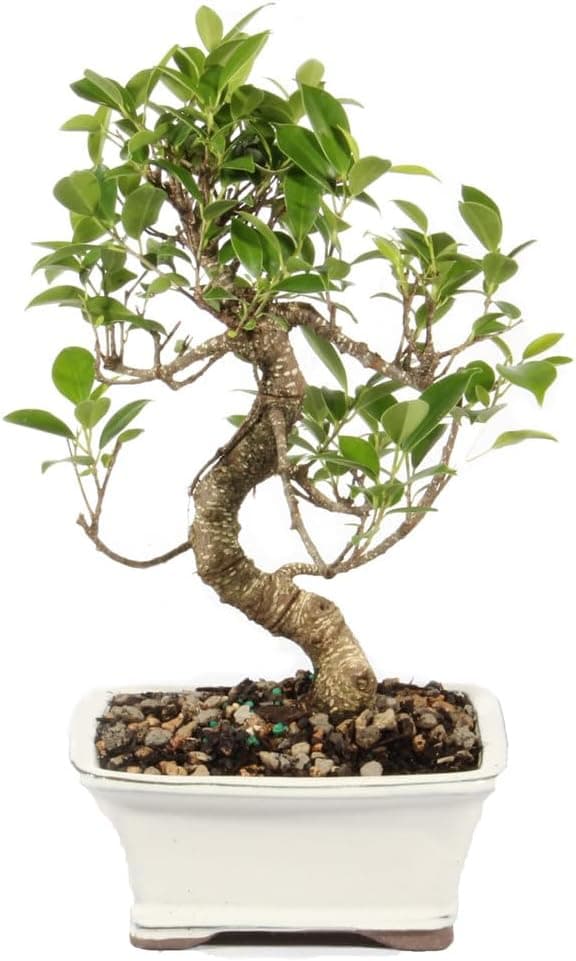
Ordinary garden nursery stock is the most underrated source of bonsai material available. For the price of a small imported bonsai you can buy a shrub with a trunk several times thicker, already carrying years of growth that no amount of patience will let you skip. The skill is in seeing past the shaggy foliage to the trunk hidden inside it, and the good news is that this skill develops quickly with practice.
Species availability varies by region, but the reliable candidates are widespread. Junipers of many kinds, cotoneaster, pyracantha, boxwood, hornbeam, field maple, Japanese maple, mugo and Scots pine, privet, and berberis all appear routinely in garden centres and all work as bonsai. Look in the shrub section rather than anywhere labelled bonsai. Neglected corners and end-of-season sale racks often hold the best material, because plants that have been in their pots for several years have thicker trunks and are usually discounted precisely because they look overgrown.
When assessing a plant, ignore the top half. Push the foliage aside and look at the base of the trunk where it enters the soil. You want thickness, visible surface roots spreading outward, and interesting movement in the lowest stretch of trunk, because that lower section is the part you will keep and the rest is likely to be cut away. Check for low branches, since a tree with nothing below waist height gives you very little to work with after a chop. Scrape the soil back at the base with a finger to see whether the plant was buried deep in the pot, which sometimes hides an excellent flare of roots and sometimes hides a graft union or an ugly straight stem.
Avoid a few things reliably. A trunk with no taper and no low branches will take many years to fix. Large old wounds low on the trunk are hard to design around. Grafted plants often show a visible mismatch of bark at the graft, which on a bonsai sits at eye level and cannot be hidden. And a plant that is clearly unhealthy, with sparse yellowing foliage or roots circling into a solid mass, is a rescue project rather than a starting point.
Once home, do nothing dramatic for a while. The single most productive first step is to leave the tree in its nursery pot and simply observe it through a season while watering and feeding normally, so you learn how it grows. When you are ready to begin, the usual first operation is a substantial reduction of the top: removing large unwanted branches and shortening the trunk to establish the eventual height. Do this in the right season, typically late winter or early spring for most species, and be aware that a hard chop and a repot in the same year is too much for many plants.
The soil question is important and often mishandled. Nursery plants sit in dense organic compost, which is unsuitable long term but should not be washed away all at once. The standard approach is to repot into a large training container with proper granular bonsai soil over two or three sessions, removing a portion of the old soil each time and working from one side rather than all round. This keeps the tree stable while the root system converts. A training pot or wooden grow box is the right destination for years, not a shallow display pot.
Expect the sequence to take time but not effort. Year one is usually reduction and recovery. Year two brings wiring of the branches that will form the structure. Year three onward is a cycle of letting growth extend, cutting back, and gradually building ramification, punctuated by repots. Somewhere around year four or five the tree becomes presentable, and at that point you will have a bonsai with a trunk that a mail-order sapling would not have matched in fifteen.
Products from this article
The highest-scoring picks from the buying guides mentioned above. Scores are our editorial assessment, not customer ratings.
+ Ficus tolerates indoor conditions far better than juniper, so it suits apartments
From our guide: Best Ficus Bonsai Trees
+ Three-in-one action covers insects, mites and fungus
From our guide: Best Bonsai Pest Treatments
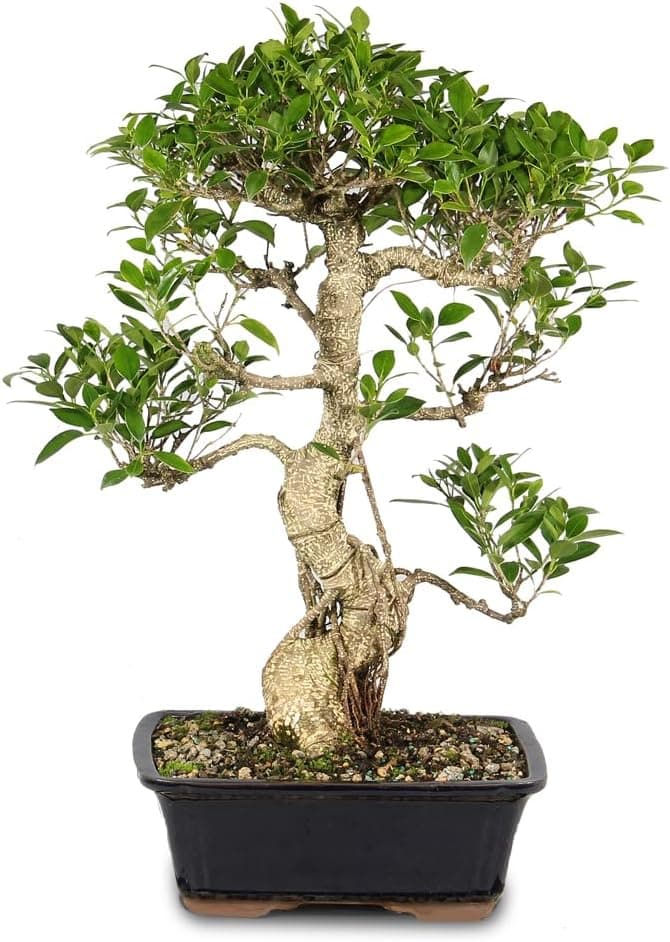
+ Ficus tolerates indoor light and dry air better than most bonsai species
From our guide: Best Ficus Bonsai Trees
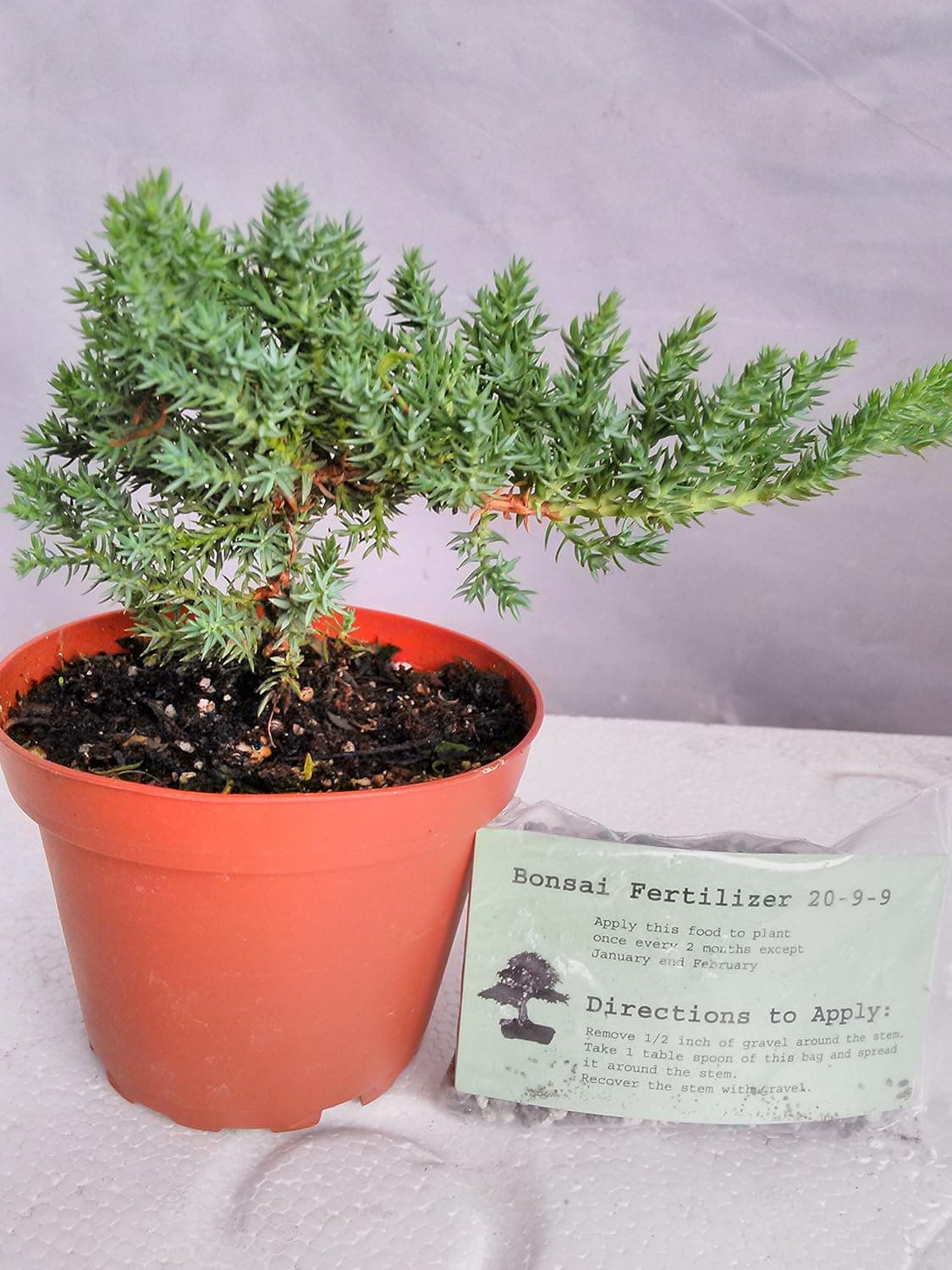
+ Named cultivar Juniperus procumbens Nana tells you exactly what you are getting
From our guide: Best Pre-Bonsai Stock to Buy

Popular right now
- Choosing the Right Bonsai Pot for Your TreeArticle
- Best Raffia and Wrapping for BonsaiBuying guide
- Bonsai Display and Presentation Basics at Home and at ShowsArticle
- Moss and Accent PlantingArticle
- Best Bonsai Seed KitsBuying guide
- Pinching vs CuttingArticle
Based on the last 28 days of search and visitor data.