KAKURI Bonsai Wire Cutter 8 inch (205 mm) Heavy Duty Professional Bonsai Tool, Japanese Carbon Steel, Black, Made in Japan Review (2026)
Updated September 14, 2026 · Research-based review
Our verdict
This 8 inch KAKURI wire cutter is a heavy duty, Japanese carbon steel tool built to cut aluminum and copper bonsai wire flush against the branch without nicking the bark. Its size handles thick wire on larger trees well, though the bigger head is less nimble than a smaller cutter when working in a dense shohin sized canopy.
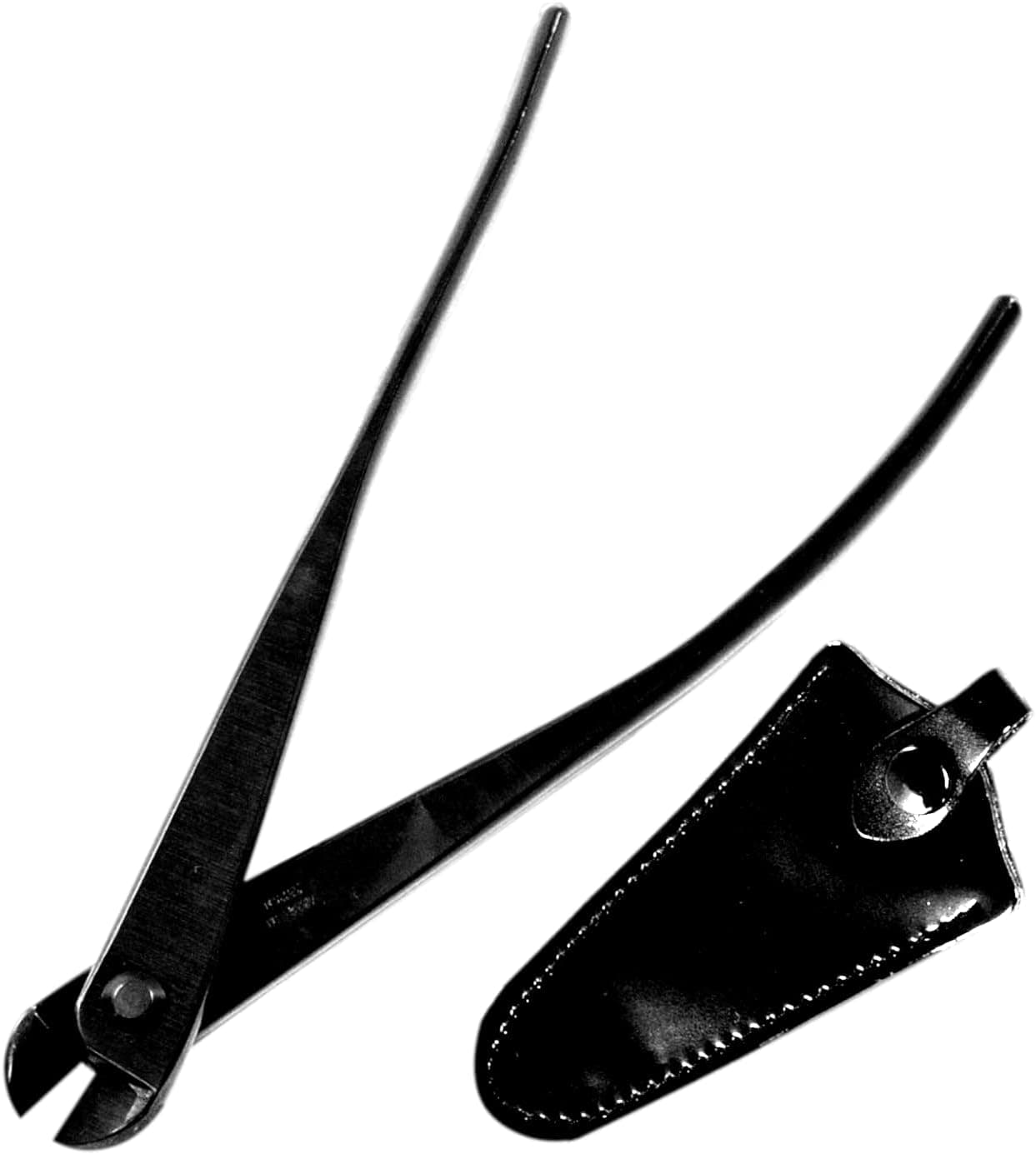
KAKURI's heavy duty 8 inch (205 mm) professional bonsai wire cutter in black Japanese carbon steel.
Price range: $ (Budget)
What we liked
- + Rounded head cuts wire flush without nicking the bark
- + 8 inch heavy duty build handles thick aluminum and copper
- + Made in Japan carbon steel keeps a sharp cutting edge
Trade-offs
- - Carbon steel needs cleaning and oil to prevent rust
- - Large head is less nimble in dense shohin canopies
Who this wire cutter fits
This tool is built for growers who regularly wire branches for shaping and need a cutter strong enough to bite through thick gauge wire without extra effort, our score of 8.6 out of 10 reflects a tool that leads its category. The 8 inch, 205 millimeter size and heavy duty build make it a good match for larger trees carrying thicker aluminum or copper wire, where a lighter cutter would struggle or require repeated squeezing to get through the same gauge. It is less ideal for growers who work mostly on small shohin or mame sized trees packed with fine branching, where a smaller, more compact cutter can maneuver into tight spaces more easily than this larger head allows.
Design and materials
The cutter is made from Japanese carbon steel and is described by the manufacturer as forged and precisely ground to deliver a narrow, sharp head that bites into wire with relatively light hand force. That geometry is meant to let the cutter reach in close and snip wire flush against the branch, avoiding gouges to the bark or trunk that a bulkier tool might leave behind. Carbon steel is chosen for edge retention, KAKURI states the blade stays sharp for years on work hardened copper wire and can be restored with a whetstone when it eventually dulls, rather than needing replacement. The black finish matches the rest of the brand's carbon steel line and is functional rather than purely decorative, helping resist minor surface marking during regular handling.
Living with it: cutting technique and upkeep
A clean cut from a sharp wire cutter like this one matters beyond convenience, a smooth cut surface avoids crushing plant cells at the cut point the way a dull or twisting cut can, which supports faster recovery for the branch. Because the steel is carbon rather than stainless, the same rust prevention routine applies as with other carbon steel bonsai tools, wiping the blade dry after use and adding a light coat of oil before storage, particularly important after cutting wire in humid conditions or right after watering. When the edge does eventually dull from repeated copper cutting, it can be brought back with a whetstone rather than needing a full replacement, which is a meaningful cost advantage over cutters that cannot be resharpened as effectively.
How it compares with other wire cutters
This cutter shares the top score of 8.6 in a guide of eight bonsai wire cutters with the smaller KAKURI 6.3 inch version and with the Tinyroots Bonsai Wire Cutters in traditional carbon steel, both of which use similar materials but in a more compact 6 to 8 inch range better suited to finer branch work. The Kiku Classic 8 inch cutter in Japanese black carbon steel scores close behind at 8.4 and is a similar size and material match, making it the nearest direct alternative for someone who wants comparable cutting power in a different brand. Growers choosing between this KAKURI cutter and the smaller KAKURI option in the same line should size their choice to the wire gauge and tree size they work on most, rather than defaulting to the larger tool.
Verdict and who should size down
With fit at 9 out of 10 and build at 9 out of 10, this is a leading choice for anyone regularly wiring larger bonsai with thicker gauge wire, backed by carbon steel that holds an edge and can be resharpened rather than discarded once dull. It rewards owners willing to do the small amount of drying and oiling carbon steel needs to avoid rust. Growers focused on small shohin or mame trees with fine, densely packed branches should consider the smaller KAKURI 6.3 inch wire cutter instead, since a more compact head maneuvers into tight canopies more easily than this larger, heavier duty tool.
Frequently asked questions
What wire gauges can this cutter handle?
Its heavy duty 8 inch build is designed for thicker aluminum and copper bonsai wire on larger trees, where a smaller cutter would need more effort or repeated squeezing.
Can a dull wire cutter like this be sharpened again?
Yes, the carbon steel blade can be restored with a whetstone when it eventually dulls, rather than needing to be replaced.
Does carbon steel on a wire cutter need special care?
It should be wiped dry and lightly oiled after use, especially after cutting wire in humid conditions, to prevent rust the way stainless steel would not need.
Is this cutter a good fit for small shohin sized bonsai?
Not ideally, its larger head is built for thicker wire on bigger trees, a smaller cutter such as the 6.3 inch KAKURI version maneuvers more easily in dense, small scale canopies.
Prices change often, so check the current price and availability on Amazon.
Check price on AmazonBonsai Nest may earn a commission from the link above.