Why Juniper Bonsai Turn Brown and What to Do
Published How we research
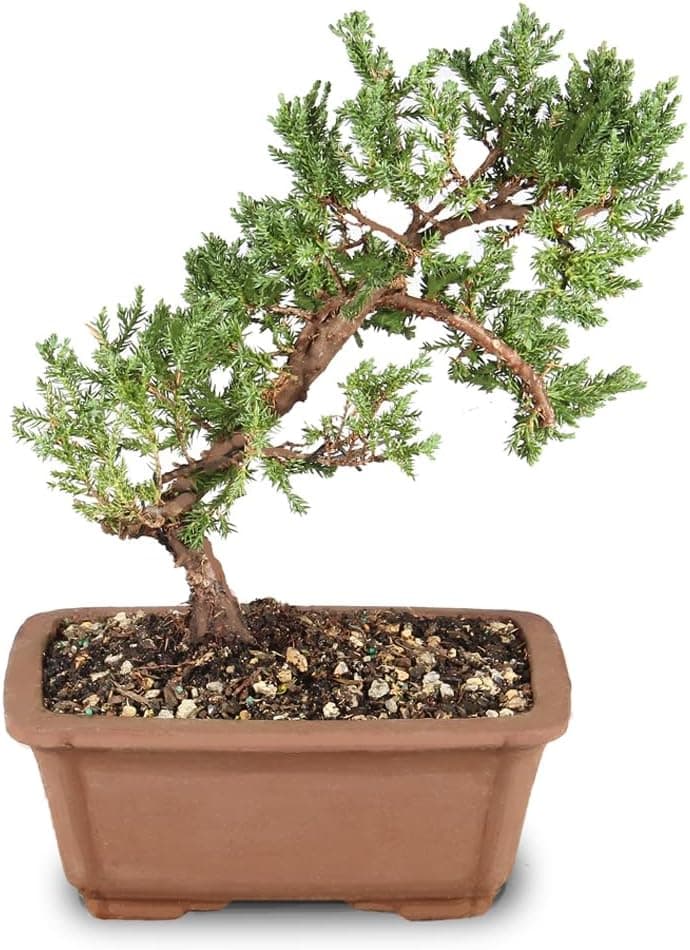
Junipers are among the most popular bonsai trees, often sold as beginner gifts. Unfortunately, they are also frequently kept in conditions they cannot tolerate, and browning foliage is a common result. Junipers show stress slowly, so by the time foliage turns brown the problem may have started weeks earlier. Identifying the cause quickly gives the tree the best chance of recovery.
Junipers need to live outdoors
The most common reason junipers decline is being kept indoors. Junipers are outdoor trees that need direct sunlight, fresh air and seasonal temperature changes, including winter dormancy.
Indoor junipers may look fine for a while before slowly turning brown and dying. Move the tree outside to a bright location, gradually increasing sun exposure if it has been indoors.
Check watering
Overwatering causes root rot, while underwatering dries foliage and roots. Juniper soil should be moist but never waterlogged, drying slightly between waterings.
Use well-draining bonsai soil. Check moisture daily and water thoroughly when the top layer begins to dry.
Inspect the roots
Root problems often show up as browning foliage. Gently check whether the soil smells sour or roots are dark and mushy.
Repotting a stressed juniper is risky, but severe root rot may require careful intervention during the appropriate season. Seek advice from experienced bonsai growers.
Look for pests
Spider mites are a common juniper pest, causing speckled, dull and browning foliage. Tap foliage over white paper and look for tiny moving specks.
Treat pests with appropriate horticultural products and improve airflow. Regular inspection prevents infestations.
Winter browning and burn
Some junipers naturally take on bronze or purple tones in winter, which is normal. This colour usually returns to green in spring.
Winter burn from cold, dry winds and frozen roots can cause true browning. Protect trees from harsh winds and freezing pots according to overwintering guidance.
What to do with brown foliage
Brown foliage will not turn green again. Leave it until the tree shows signs of recovery, then remove dead foliage carefully.
Avoid heavy pruning or wiring on stressed trees. Focus on correct light, watering and soil to support recovery.
Watch for recovery signs
A juniper that is recovering will start pushing fresh, bright green growth at the tips of healthy branches, usually in spring or during a mild growing period. Scratch a tiny area of bark on a branch with a fingernail; green, moist tissue underneath means that part of the tree is still alive, while dry brown tissue indicates the branch has died.
Keep care consistent for the whole season while you wait, with full sun, careful watering and no fertiliser until new growth is clearly visible. Many junipers that lose part of their foliage survive and can be restyled later around the branches that stayed healthy.
Products from this article
The highest-scoring picks from the buying guides mentioned above. Scores are our editorial assessment, not customer ratings.
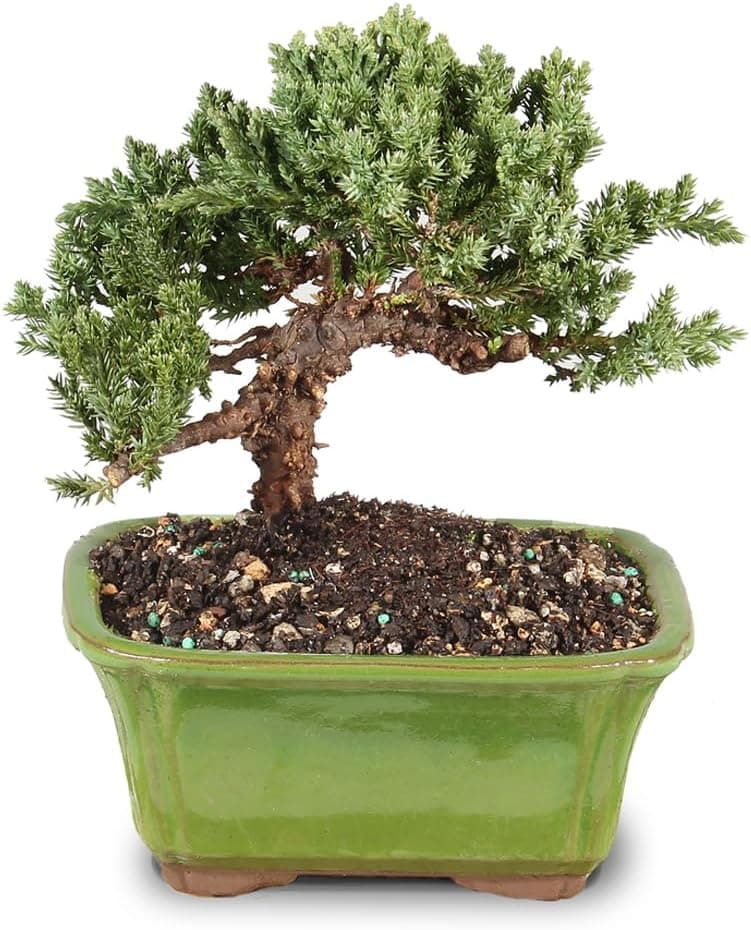
+ Green mound juniper takes pinching well, so beginners can shape it early
From our guide: Best Juniper Bonsai Trees
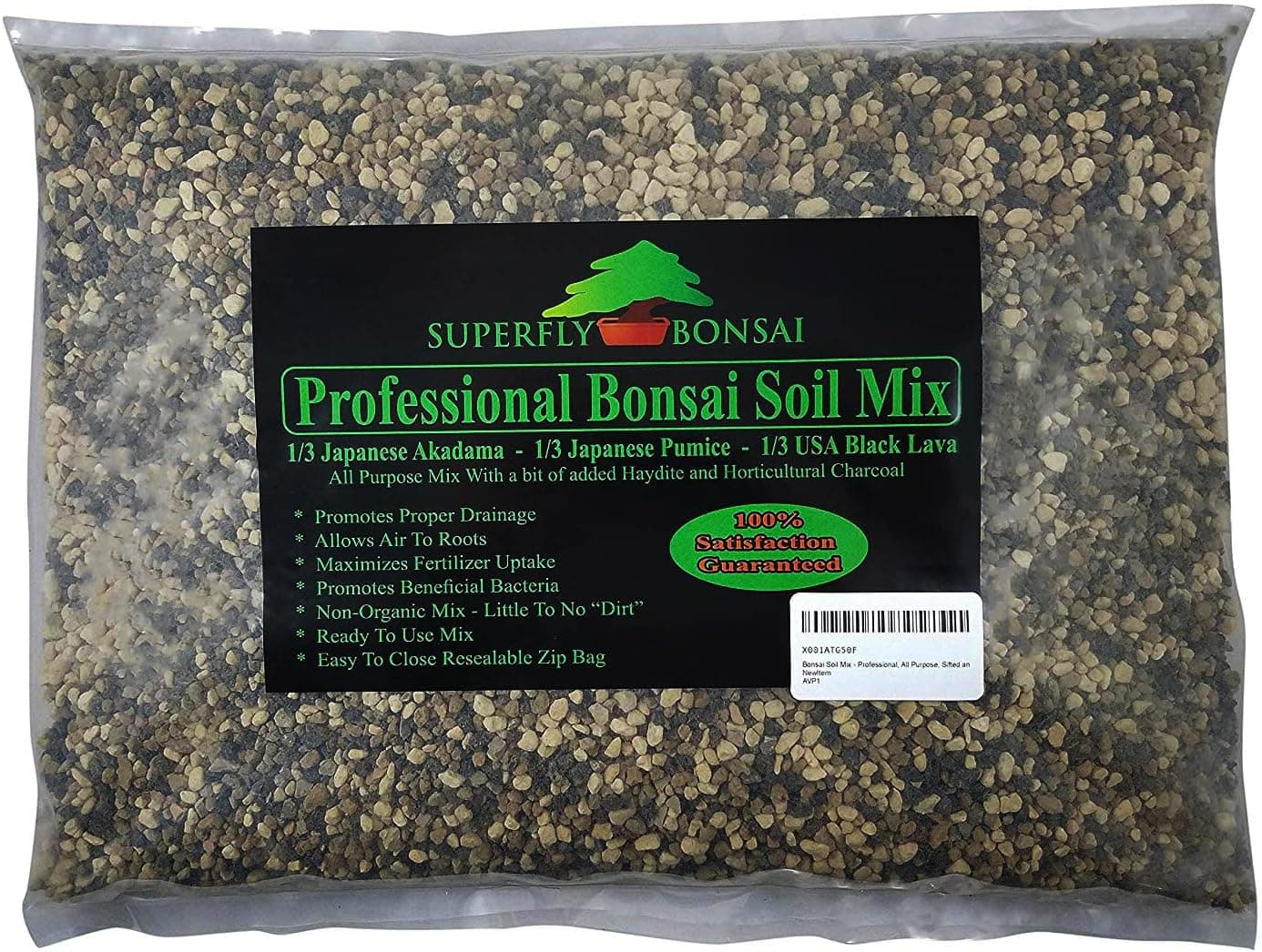
+ 6 quart bag lowers the cost per quart for bigger collections
From our guide: Best Premixed Bonsai Soil
+ Three-in-one action covers insects, mites and fungus
From our guide: Best Bonsai Pest Treatments
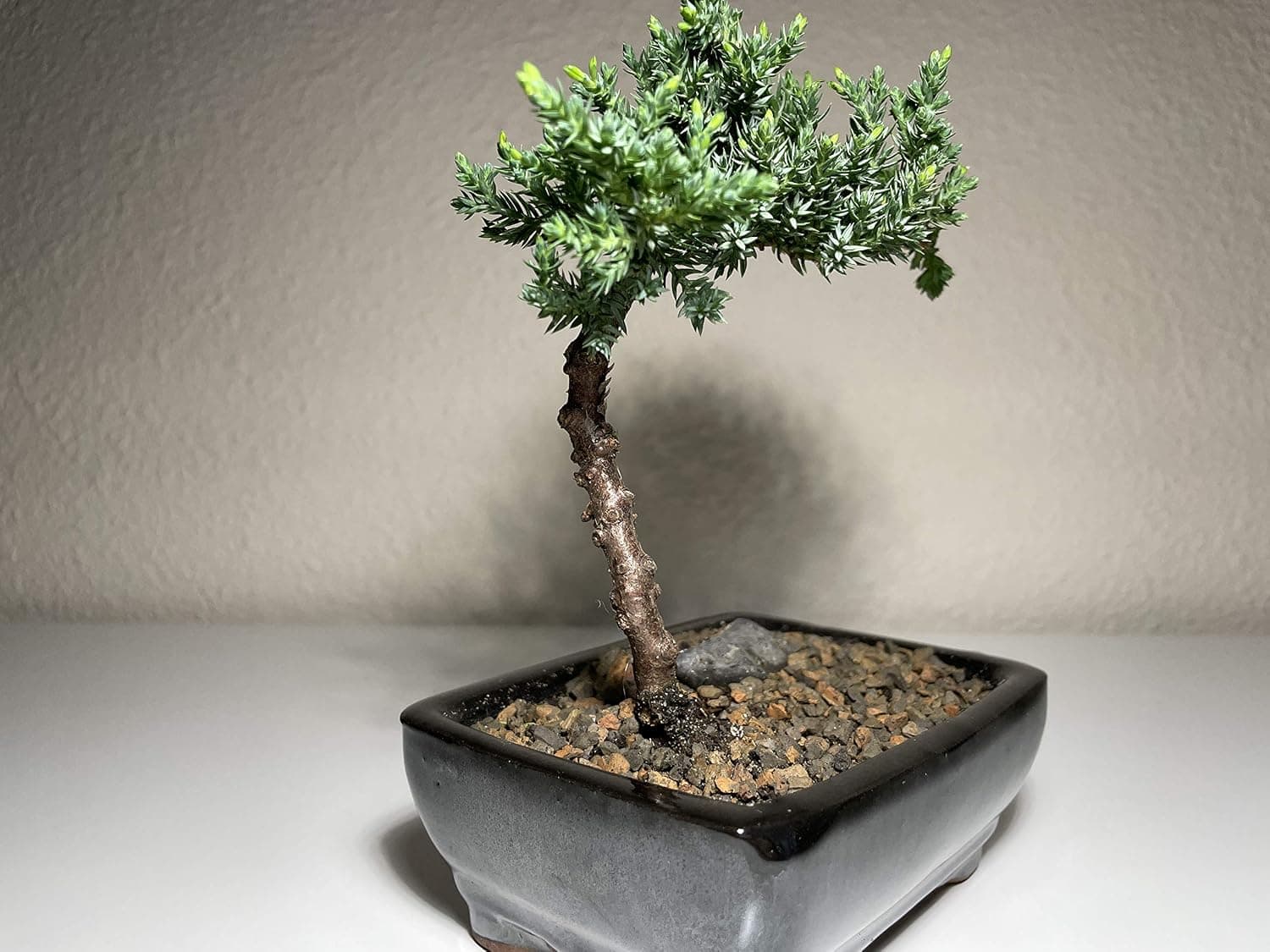
+ Procumbens nana is the classic compact juniper used for beginner bonsai
From our guide: Best Juniper Bonsai Trees

Popular right now
- Choosing the Right Bonsai Pot for Your TreeArticle
- Best Raffia and Wrapping for BonsaiBuying guide
- Bonsai Display and Presentation Basics at Home and at ShowsArticle
- Moss and Accent PlantingArticle
- Best Bonsai Seed KitsBuying guide
- Pinching vs CuttingArticle
Based on the last 28 days of search and visitor data.