Japanese Maple Bonsai Care: Sun, Water, Pruning and Winter
Published How we research
A Japanese maple makes one of the most rewarding bonsai, with delicate leaves, fine branching and strong autumn color in many varieties. It is also less forgiving than a juniper or a ficus about heat, wind and dry roots. The tree wants bright light with some protection from the harshest afternoon sun, steady moisture, and a cold winter outdoors. Pruning is best timed to the growing cycle, and repotting is done in early spring. This guide explains each part so the leaves stay healthy through summer.
Products from this article
The highest-scoring picks from the buying guides this article links to. Scores are our editorial assessment, not customer ratings.
As an Amazon Associate we earn from qualifying purchases. This does not change our picks. Affiliate disclosure
New to Prime? Try Prime free for fast, free shipping on eligible items.
+ Chinese elm is hardy outdoors and forgiving of pruning mistakes
From our guide: Best Outdoor Bonsai Trees
+ 1.5oz fabric weight is stated, giving a clear warmth level
From our guide: Best Winter Protection Supplies for Bonsai
+ Classic pumice, lava and clay blend gives fast drainage
From our guide: Best Premixed Bonsai Soil
+ Satsuki azaleas give large spring flowers in striking colors
From our guide: Best Outdoor Bonsai Trees
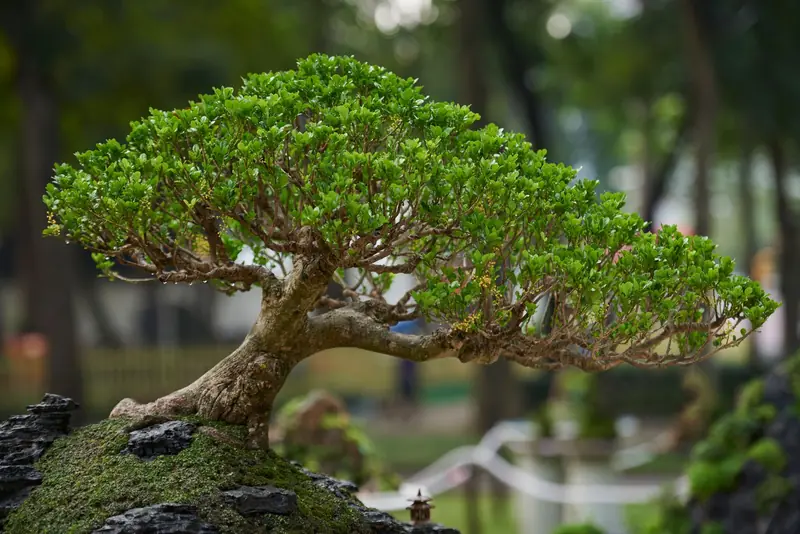
Sun and shelter
Japanese maples generally like bright light, and morning sun is usually ideal. Strong afternoon sun, hot wind and reflected heat can scorch the delicate leaves, leaving brown, crispy edges. In warm climates, shade cloth or a spot with afternoon shade protects the tree through the hottest weeks.
Wind is another risk. A small pot in a breezy spot dries rapidly and the leaves can tatter. A sheltered bench or a spot near a wall that blocks the worst gusts helps.
Different varieties have different leaf color and tolerance. Red-leaved types may fade to green in deep shade, while some thin-leaved types scorch more easily, so watch your own tree and adjust.
A tree that has been grown in shade can burn quickly when moved into strong sun. Move it gradually, giving a little more light each week, and the leaves will adapt.
Watering maples without scorch
Maple leaves lose water quickly, so the soil should never dry out completely in the growing season. Water as soon as the surface starts to dry and soak the pot until water runs out of the holes. In hot weather you may water daily or even twice a day for a small pot.
Avoid soggy soil, which can rot the fine roots. A free-draining mix lets you water generously without waterlogging, and a pot with good drainage holes is not optional for a tree this sensitive.
Leaf edge browning is a classic sign of drying, wind or heat. If it appears, check the soil, move the tree out of the strongest sun and keep watering consistent.
Pruning and leaf trimming
Prune structural branches in late winter or early spring, before the buds open, or as the species and your local advice suggest. Maples can bleed sap if cut at the wrong time, so avoid heavy cuts when the sap is rising. Use sharp, clean tools and take care with blades.
During the growing season, trim new shoots back to one or two pairs of leaves once they have hardened, to keep the canopy compact and the branches fine.
Some growers remove leaves in early summer to encourage smaller replacement leaves, but this is a stress on the tree and is only suitable for strong, healthy specimens. Skip it if you are a beginner or the tree is weak.
Wire can be used on maples, but the bark is thin and marks easily. Wire in the growing season only when you can check it often, and remove it before it cuts in. Many growers prefer to shape maples mainly by pruning and by guy wires on thicker branches.
Soil, feeding and repotting
Use a free-draining bonsai mix with some water-holding ability. Maples have fine roots that like moisture without sitting in mud. A good premixed bonsai soil is a fine choice for most owners.
Repot in early spring as the buds swell. Young trees are usually repotted every couple of years, older trees less often. Trim the roots lightly, because maples can be sensitive to heavy root work.
Feed during the growing season with a balanced fertilizer, following the label. Some growers ease off in the heat of summer and resume as it cools. Do not feed a stressed or dry tree.
A mulch or a thin layer of moss on the soil surface can reduce evaporation and keep the roots a little cooler on hot days. It also helps the pot look finished.
Winter care outdoors
Japanese maples are deciduous and need a cold winter rest, so they belong outdoors. After the leaves fall, the tree is dormant, but the roots still need protection from hard freezes in a pot.
Move the pot to a sheltered spot, such as an unheated garage or a protected corner, or mulch around it. Check the soil occasionally and water lightly if it is dry and not frozen.
Keeping a maple in a warm room through winter prevents dormancy and often weakens it by spring, so resist the temptation to bring it inside for the season.
Frozen roots in a small pot are a bigger worry than frozen branches. If a hard freeze is forecast, make sure the pot is sheltered, and avoid leaving it on bare concrete where the cold can transfer straight into the soil.
Common problems
Scorched leaf edges point to sun, wind or drying. Dieback of twigs can follow a hard freeze or a dry spell. Aphids sometimes cluster on tender new growth and can be rinsed off or treated early.
If a branch dies, remove it with a clean cut once you are sure it is dead. A healthy maple often pushes new buds the following season, so give it time before judging the tree.
Keep a sharp eye on new spring growth, since it is the most tender and the most attractive to aphids. A gentle rinse with water is often enough for a light infestation, and early action prevents a bigger problem.
Make a habit of looking at the tree closely once a week. Check the soil, the undersides of leaves, the tips of new shoots and the base of the trunk. Small changes, such as a few curled leaves or a patch of sticky residue, are much easier to deal with early than after they have spread through the whole canopy, and the habit also teaches you how a healthy tree looks.
Popular right now
- Common Bonsai Styles Explained and When to Use ThemArticle
- Bonsai Wire Gauge ChartArticle
- How to Bring Tropical Bonsai Indoors for WinterArticle
- One-third rule explainedGlossary
- Guy wire anchoring explainedGlossary
- Best Bonsai Tool SetsBuying guide
Based on the last 28 days of search and visitor data.