Boxwood Bonsai Care: Light, Water, Trimming and Winter
Published How we research
Boxwood is a slow-growing, small-leaved shrub that suits bonsai well because it keeps a tidy shape and builds dense foliage. It tolerates trimming, holds its leaves through the year and can look established in a modest number of seasons. It is not a houseplant, though. Boxwood generally wants bright light, evenly moist but well-drained soil and a cool winter outdoors. The sections below cover light, water, trimming, soil and the main problems, so you can keep a boxwood compact and healthy.
Products from this article
The highest-scoring picks from the buying guides this article links to. Scores are our editorial assessment, not customer ratings.
As an Amazon Associate we earn from qualifying purchases. This does not change our picks. Affiliate disclosure
New to Prime? Try Prime free for fast, free shipping on eligible items.
+ Chinese elm is hardy outdoors and forgiving of pruning mistakes
From our guide: Best Outdoor Bonsai Trees
+ Classic pumice, lava and clay blend gives fast drainage
From our guide: Best Premixed Bonsai Soil
+ Micro serrated blades grip stems and avoid slipping on cuts
From our guide: Best Bonsai Shears
+ Satsuki azaleas give large spring flowers in striking colors
From our guide: Best Outdoor Bonsai Trees
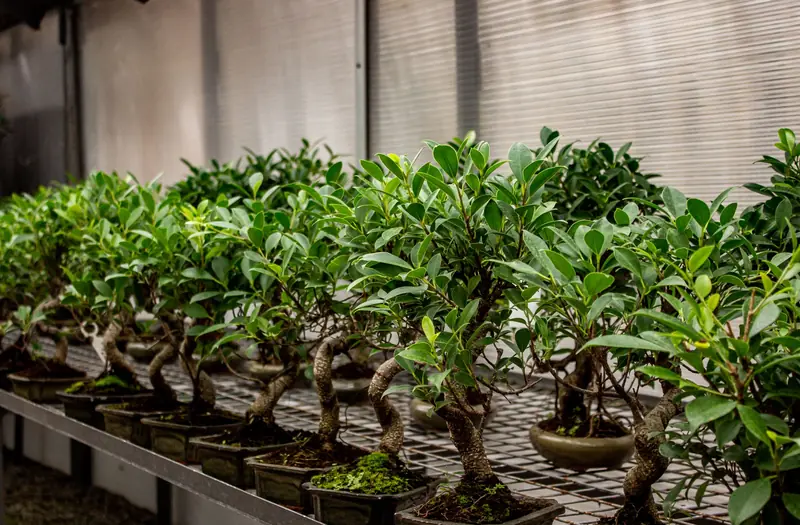
Light and location
Boxwood does well in bright light, with some direct sun in the morning or filtered light through the day. In hot climates, protect it from harsh afternoon sun, which can bleach or bronze the leaves. Too much shade leads to thin, leggy growth.
Keep it outdoors for most of the year. Indoors, the air is usually too warm and dry and the light too weak for a boxwood to thrive over the long term.
Good air movement helps prevent fungal problems, so avoid crowding the pot against walls or other plants, and clear fallen leaves from the soil surface and the bench regularly.
Rotate the pot occasionally so all sides of the tree receive light. Boxwood that always faces one direction can thin on the shaded side, and the dense look the species is known for depends on even light.
Watering
Water when the top of the soil starts to dry and soak the pot until water runs out of the drainage holes. Boxwood dislikes both drought and soggy roots, so consistent moisture and good drainage are the target.
Because boxwood is slow growing, it uses water more slowly than a fast grower, so avoid watering on a fixed schedule. Check the soil first.
In winter, reduce watering but do not let the soil dry out completely. Evergreen leaves still lose water in cold, windy weather.
A thin layer of moss or fine grit on the surface can slow evaporation between waterings and keeps the soil from crusting. Make sure it does not hold water against the base of the trunk.
Trimming for dense foliage
Boxwood responds well to trimming. Let new shoots extend a little, then cut back to a pair of leaves to encourage branching. Over time this builds the dense, cloud-like pads the plant is known for.
Boxwood often buds back from old wood, which gives you room to correct mistakes, but avoid cutting everything at once. Keep some foliage on every branch you shorten.
Use sharp, clean shears and take care with blades. Sap and leaves of boxwood are reported to be toxic if eaten, so wash your hands after trimming and keep clippings away from pets.
Trimming is also a good time to look at the whole shape. Step back after each session and check the outline from several angles, because dense foliage can hide an uneven shape until you view it from a distance.
Soil, feeding and repotting
Use a free-draining bonsai soil that holds some moisture. A good premixed bonsai blend suits most owners. Boxwood roots are fine and fibrous, so avoid heavy, compacted mixes.
Feed during the growing season following the label. Slow growth means the tree does not need a heavy diet, and overfeeding can burn roots or push soft growth.
Repot every two or three years for a young tree, less often for an older one, in early spring. Trim the roots lightly and protect the tree from drying wind and strong sun for a short while afterward.
If the soil drains slowly or stays wet for days, the mix is too fine or the pot is too big for the root system. Correct it at the next repot instead of cutting back on watering, which only hides the problem.
Winter care
Boxwood generally tolerates cold but a pot exposes the roots, so protect them in hard freezes. A sheltered spot, an unheated garage or mulch around the pot are common approaches. Avoid bringing the tree into a warm room, which interrupts its rest.
Winter sun and wind can bronze the leaves. A bit of shelter from drying wind helps. Check the soil occasionally and water lightly if it is dry and not frozen.
Heavy snow can bend or split the branches of a boxwood. Brush it off gently, or provide a shelter over the tree in regions where snow loads are heavy.
Move the tree back out slowly in spring if you sheltered it, because sudden strong sun on leaves that spent weeks in shade can scorch them.
Common problems
Bronzed or yellowing leaves can come from winter wind, sun scorch or watering extremes. Check the soil and the exposure first. Pests such as mites or scale can appear, so inspect the leaves closely and treat early.
Boxwood is also affected by certain fungal diseases in some regions, including blight. If you see sudden browning with dark spots or dieback, remove the affected parts, improve airflow and ask a local nursery or extension service what is common in your area.
A healthy boxwood in good light, with good drainage and regular trimming, is usually resilient, and most problems can be traced back to one of those three things.
Keep an eye on leaf drop. Some shedding of old inner leaves is normal in autumn, but heavy loss from the tips points to a problem with water, roots or disease. Compare the tree to how it looked at the same time last year before you worry.
If you are unsure what is wrong, take a clear photo and ask a local bonsai club or nursery. Boxwood problems are fairly regional, and local growers will know what is going around.
Popular right now
- Common Bonsai Styles Explained and When to Use ThemArticle
- Bonsai Wire Gauge ChartArticle
- How to Bring Tropical Bonsai Indoors for WinterArticle
- One-third rule explainedGlossary
- Guy wire anchoring explainedGlossary
- Best Bonsai Tool SetsBuying guide
Based on the last 28 days of search and visitor data.