Bonsai Tool Care and Sharpening for Clean Cuts
Published How we research
Bonsai tools are a small investment that pays back over decades if looked after and gets replaced constantly if not. More importantly, tool condition affects the tree. A sharp blade makes a clean cut that seals and heals quickly. A dull one crushes and tears the tissue at the edges of the wound, leaving damaged cells that heal slowly and give disease an entry point. Sterility matters too, since tools move sap and pathogens between trees as readily as any other vector.
A small kit covers almost everything. Bonsai shears with long handles and narrow blades for cutting shoots and small branches, concave cutters that leave a slightly hollow wound so it heals flush rather than as a stub, knob cutters for removing larger stubs and reducing swellings, wire cutters with a rounded head that can sit against a branch without gouging it, and a pair of tweezers for pinching and cleaning debris. Root work adds a root hook and a set of heavier scissors that you keep exclusively for soil, since grit destroys an edge faster than anything else.
The most valuable habit is separating clean tools from dirty ones. Root scissors, which meet soil and grit constantly, should never be the same pair you use for careful branch work. Similarly, never use bonsai shears to cut wire; wire cutters exist for that, and one careless snip through aluminium will notch a shear blade permanently. Keeping tools in defined roles does more for their lifespan than any amount of sharpening.
Daily care is quick. Wipe blades clean after every session, since sap dries hard and is far harder to remove later. Sap residue comes off with a little rubbing alcohol, mineral spirits or a proprietary sap remover on a cloth, followed by drying. Then apply a very thin film of oil, camellia oil traditionally but any light machine oil works, to prevent rust. Carbon steel tools, which hold the best edge, rust readily and need this every time. Stainless tools are more forgiving and slightly softer, which suits people who work outdoors in damp conditions.
Disinfecting between trees is a small habit with a real payoff. Wiping blades with rubbing alcohol takes seconds and stops you carrying disease from a struggling tree to a healthy one. It matters most when you are working on a tree you suspect is unwell, and when moving between species that share pathogens. If a tree has an active infection, treat its tools as contaminated until cleaned.
Sharpening is less intimidating than it sounds because most bonsai tools have a simple bevel on one side of each blade and a flat inner face. The rule is to sharpen only the outer bevel, following the existing angle, and never to grind the flat inner face, which is what makes the blades meet cleanly. A fine diamond file or a whetstone works; move it along the bevel with even pressure, keeping the angle consistent, and take off as little metal as will restore the edge. A small burr will form on the flat side, and it is removed by laying the stone flat against that face and drawing it once or twice, no more. Frequent light touch-ups beat occasional heavy grinding, which shortens the tool's life.
Cutters with two curved blades meeting at a point, such as concave and knob cutters, follow the same principle but need more care to preserve the curve, and a fine round or half-round file suits them better than a flat stone. If the blades no longer meet cleanly along their length, the problem is usually alignment rather than sharpness, and tightening or adjusting the pivot fixes it. Store everything dry, ideally in a roll or case rather than loose in a drawer where edges knock together, and a decent set of tools will comfortably outlast most of the trees you buy this year.
Products from this article
The highest-scoring picks from the buying guides mentioned above. Scores are our editorial assessment, not customer ratings.
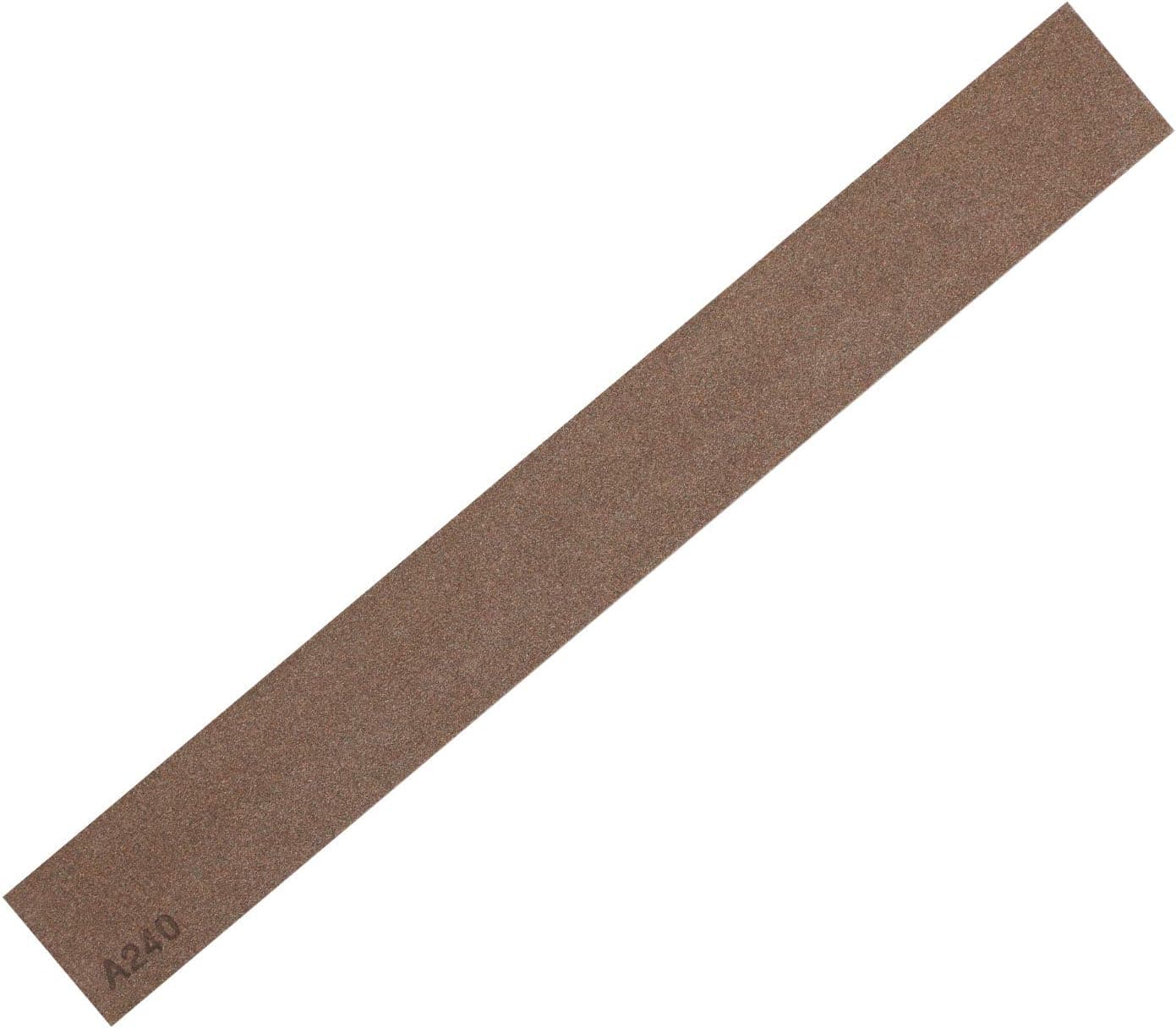
+ Medium #240 grit restores dull or nicked bonsai edges quickly
From our guide: Best Sharpening Stones for Bonsai Tools
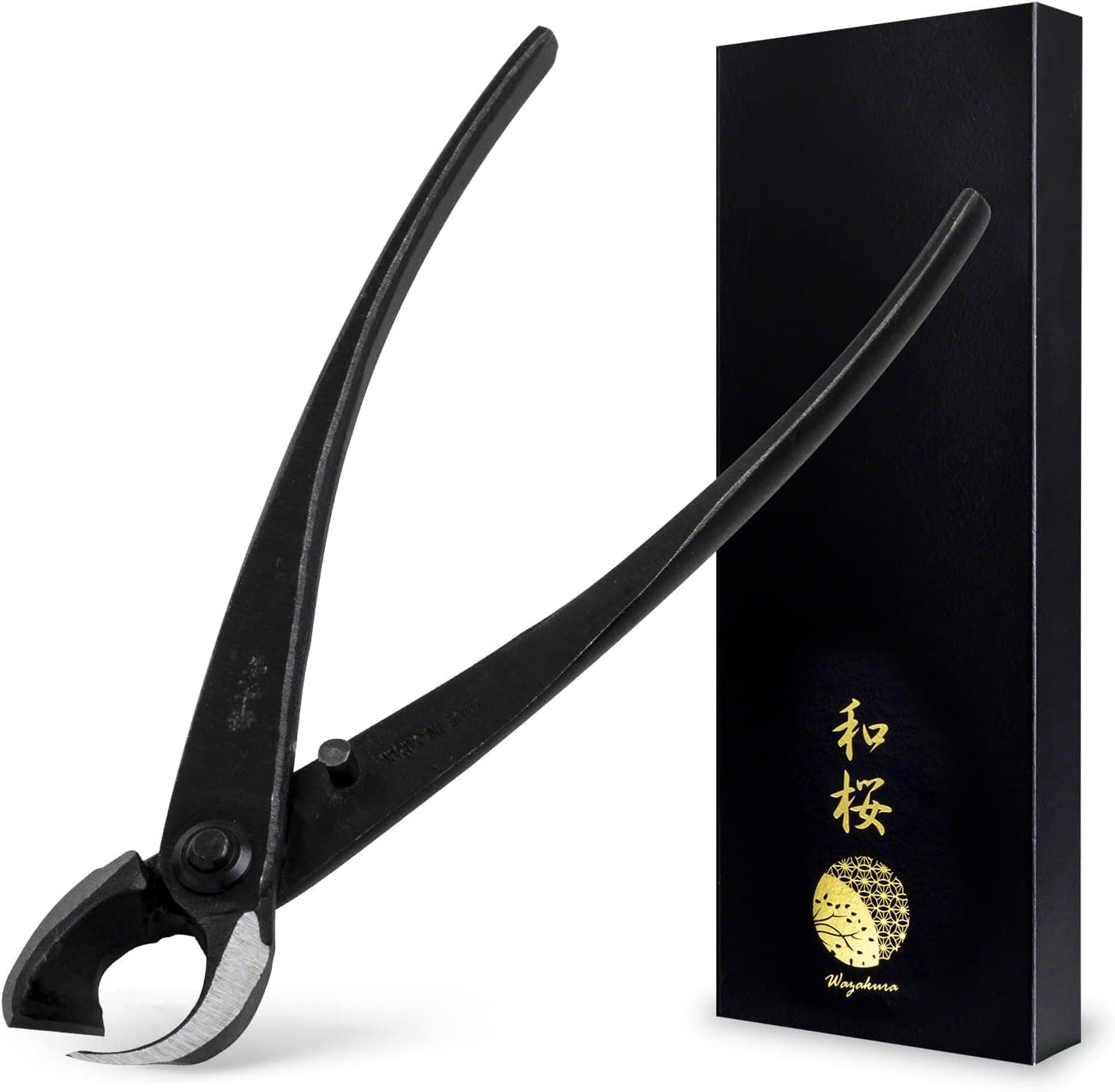
+ Hand forged Japanese steel keeps a keen edge for clean cuts
From our guide: Best Concave Cutters for Bonsai
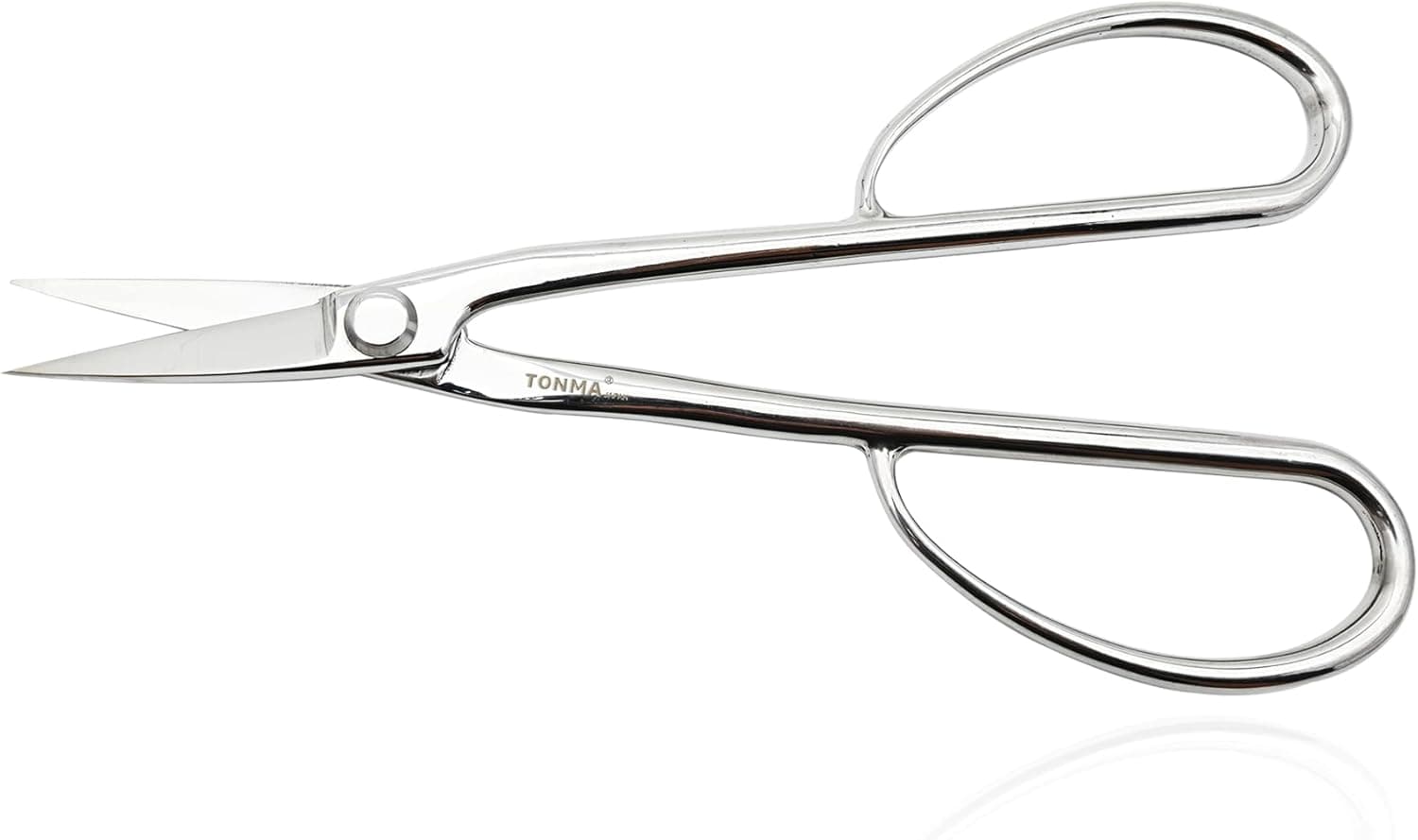
+ Micro serrated blades grip stems and avoid slipping on cuts
From our guide: Best Bonsai Shears
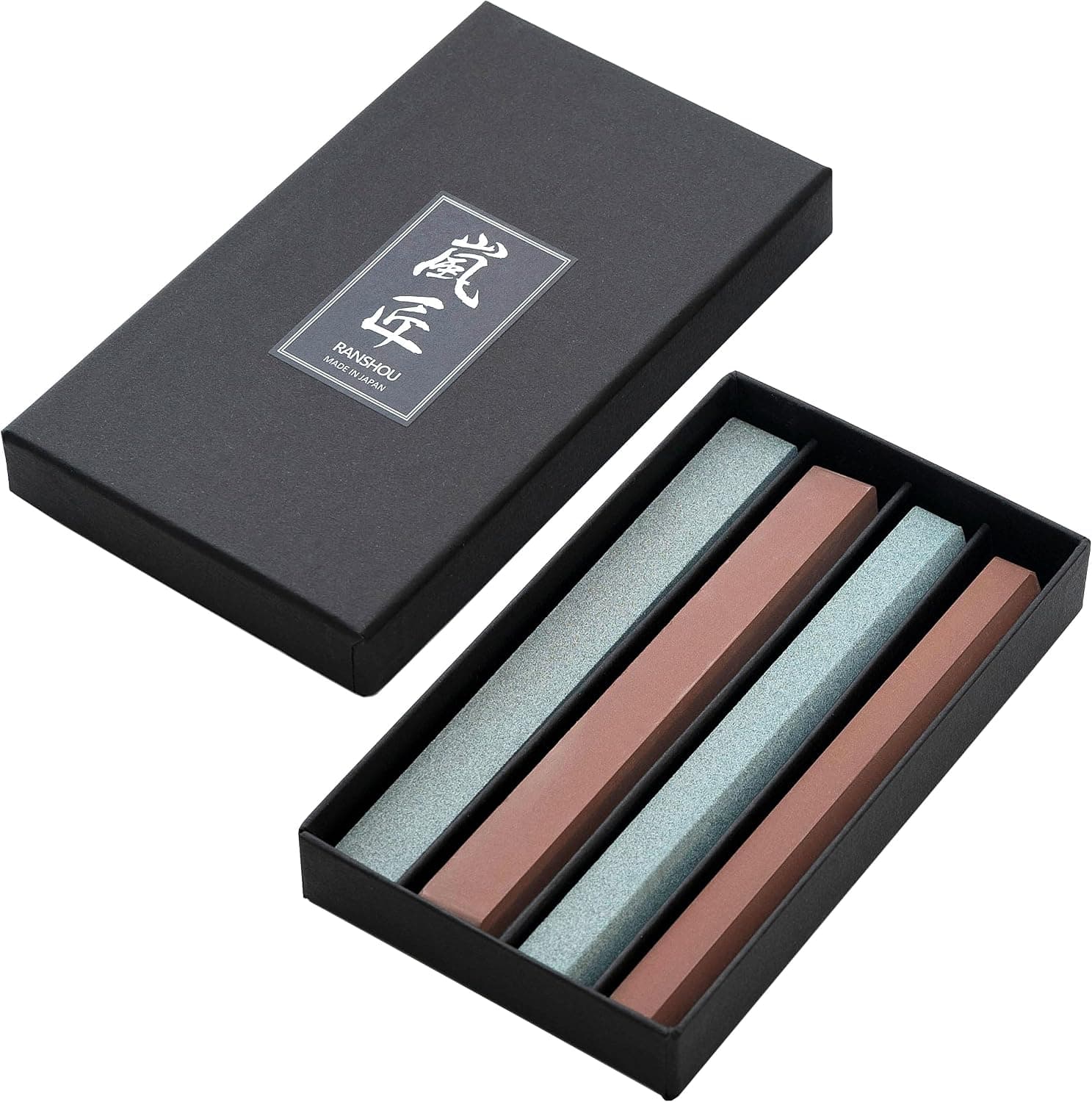
+ Stick shape fits into concave cutter and pruner curves
From our guide: Best Sharpening Stones for Bonsai Tools
Popular right now
- Choosing the Right Bonsai Pot for Your TreeArticle
- Best Raffia and Wrapping for BonsaiBuying guide
- Bonsai Display and Presentation Basics at Home and at ShowsArticle
- Moss and Accent PlantingArticle
- Best Bonsai Seed KitsBuying guide
- Pinching vs CuttingArticle
Based on the last 28 days of search and visitor data.