Tinyroots Akadama 2.25qt Bonsai Soil, Sifted Through 1/8 Inch Mesh Then Through 1/16 Mesh, Dust and Small Particles Removed Review (2026)
Updated September 14, 2026 · Research-based review
Our verdict
This double sifted akadama suits growers who want a dust free, ready to use soil component without screening it themselves. The two stage 1/8 inch then 1/16 inch sifting is the strength, and the trade-off is the listing does not state a hardness grade, so durability against breakdown is harder to judge upfront.
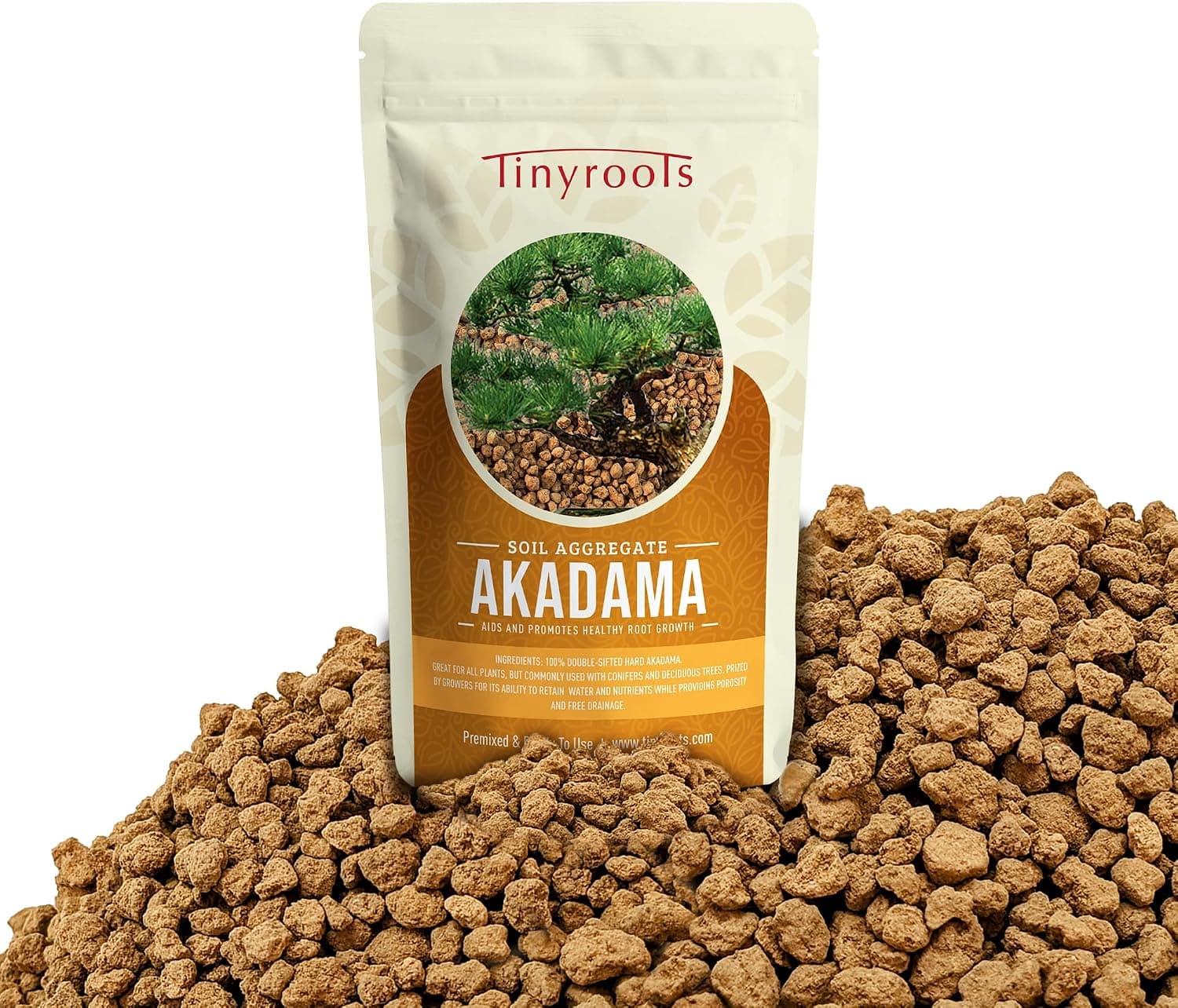
Tinyroots' 2.25qt akadama, sifted through 1/8 inch then 1/16 mesh to remove dust and small particles.
Price range: $ (Budget)
What we liked
- + Double sifting removes fines that can clog drainage in pots
- + Ready to use without spending time screening dust yourself
- + 2.25qt bag is a practical size for small collections
Trade-offs
- - Akadama softness varies by batch, so check before freezing climates
- - Small grain range may need coarser grit added for big trees
Who this sifted akadama fits
This bag suits a grower who wants akadama ready to mix into a soil blend or use on its own without first screening out dust and fine particles, which is a step many bonsai growers otherwise do by hand before every repotting. Akadama is volcanic clay mined in Japan and used widely in bonsai cultivation for both conifers and deciduous trees because of how it balances water retention with drainage at the root zone. Someone who already owns sieves and prefers to grade their own akadama from an unsifted bulk bag, or who needs a specific stated hardness grade for planning repotting cycles, may want a different listing that states that spec directly.
What the double sifting actually removes
The product is sifted first through a 1/8 inch mesh and then again through a 1/16 inch mesh, a two stage process intended to strip out dust and small particles that would otherwise compact in the pot and slow drainage over time. This matters in bonsai soil because fine dust and clay particles are the main cause of soil turning muddy and airless in the months after repotting, so starting with a bag that has already had those fines removed saves a preparation step and reduces the risk of a badly draining first season. The tradeoff of any sifted product is that you are paying for that labor already being done, compared with a cheaper unsifted bulk bag that requires you to sieve it yourself.
Using it in a soil mix or on its own
In practice, sifted akadama like this can be used as the majority component in a bonsai soil mix, blended with pumice and lava rock in roughly equal parts for a fast draining, well aerated mix suited to most conifers and deciduous trees, or used closer to 100 percent akadama for species that prefer more moisture retention. The clay visibly darkens when wet, which many growers use as a simple cue for when a pot needs watering again. Because it is unfired natural clay, it will still break down gradually over repeated wet and dry cycles regardless of how well it was sifted at purchase, so a typical repotting interval still applies rather than sifting extending the soil's working life indefinitely.
How it compares with a stated hardness grade product
Against a small grain hard akadama, such as ZzbTwinkle's super hard version, this Tinyroots bag leads with pre sifting and a slightly larger 2.25 quart quantity rather than a stated hardness claim, so growers who specifically want a documented hard grade for longer lasting structure should compare listings on that point. Against unsifted bulk akadama sold by the pound, this product costs more per unit of soil but saves the time and mess of screening a large bag by hand, which many growers consider worth the difference for smaller collections.
Verdict and who should look for a hardness grade instead
For a grower who wants a ready to use, dust reduced akadama for blending into a soil mix or potting directly, this double sifted 2.25 quart bag is a practical, time saving option that handles a meaningful step of soil preparation before it reaches you. Growers who need to know the specific hardness grade to plan how long the soil will hold its structure should look for a listing that states that spec, since this one focuses on sifting rather than hardness. Anyone repotting large outdoor trees in bulk should also budget for more than one bag, since 2.25 quarts covers a modest number of small to medium pots.
Frequently asked questions
What does the double sifting through 1/8 and 1/16 inch mesh do?
It removes dust and small particles from the akadama before it ships, reducing the amount of fine material that could otherwise compact in the pot and slow drainage.
Does this product state a hardness grade?
The listing emphasizes sifting rather than a specific hardness grade, so buyers who need that spec for planning repotting intervals should compare against a product that states it directly.
Can I use this akadama on its own or does it need to be blended?
It can be used as the main component in a blended soil mix with pumice and lava rock, or closer to pure akadama for species that prefer more moisture retention; either approach is common in bonsai cultivation.
How do I know when a pot with akadama needs watering?
Akadama darkens visibly when wet and lightens as it dries, which is a simple visual cue many growers rely on alongside checking the soil by touch.
Prices change often, so check the current price and availability on Amazon.
Check price on AmazonBonsai Nest may earn a commission from the link above.