How to Care for a Money Tree: Water, Light and Pruning
Published How we research
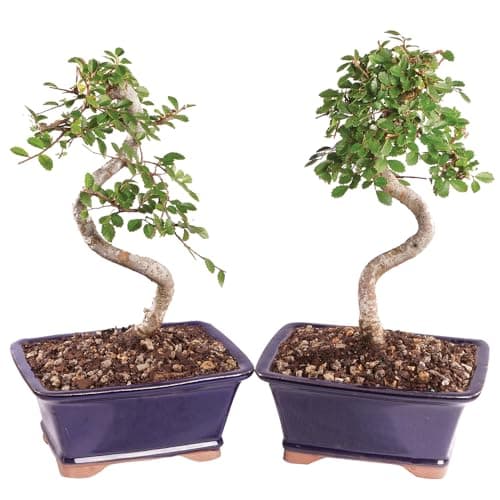
To care for a money tree (Pachira aquatica), give it bright indirect light, water thoroughly only when the top 2 inches of soil are dry, and keep it in a pot that drains freely. Most problems come from too much water or too little light, so get those two right first. A money tree also pairs well with bonsai techniques: its braided trunk and tidy canopy respond to pruning and a well-draining mix, and it makes an easy indoor small tree.
Products from this article
The highest-scoring picks from the buying guides this article links to. Scores are our editorial assessment, not customer ratings.
+ Stated specs: 5 years old, 6 to 8 inches tall, in a 6 inch container, so you know the size before it ships
From our guide: Best Indoor Bonsai Trees
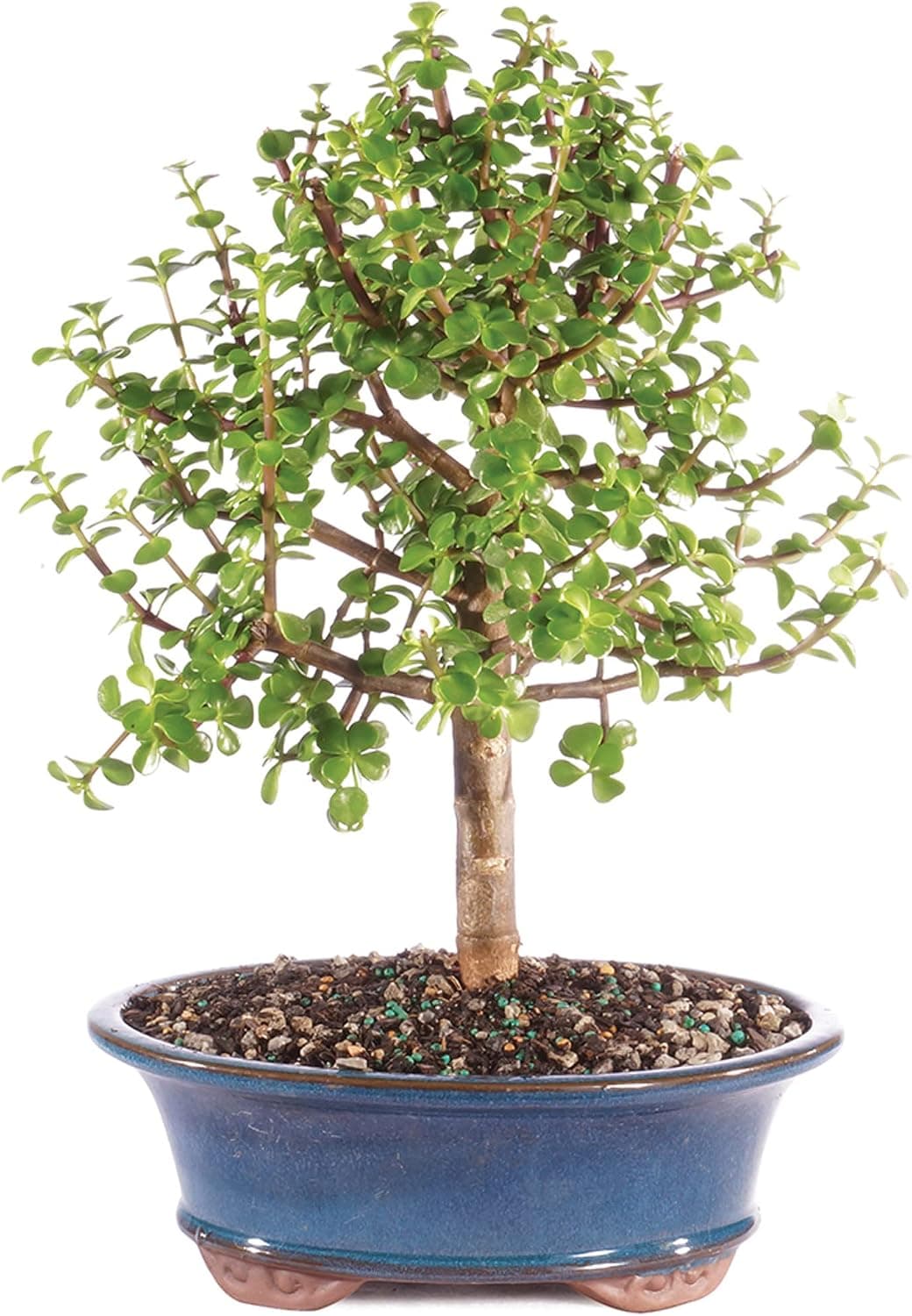
+ Large 10-14 inch jade makes a bold succulent centerpiece
From our guide: Best Jade Bonsai Trees
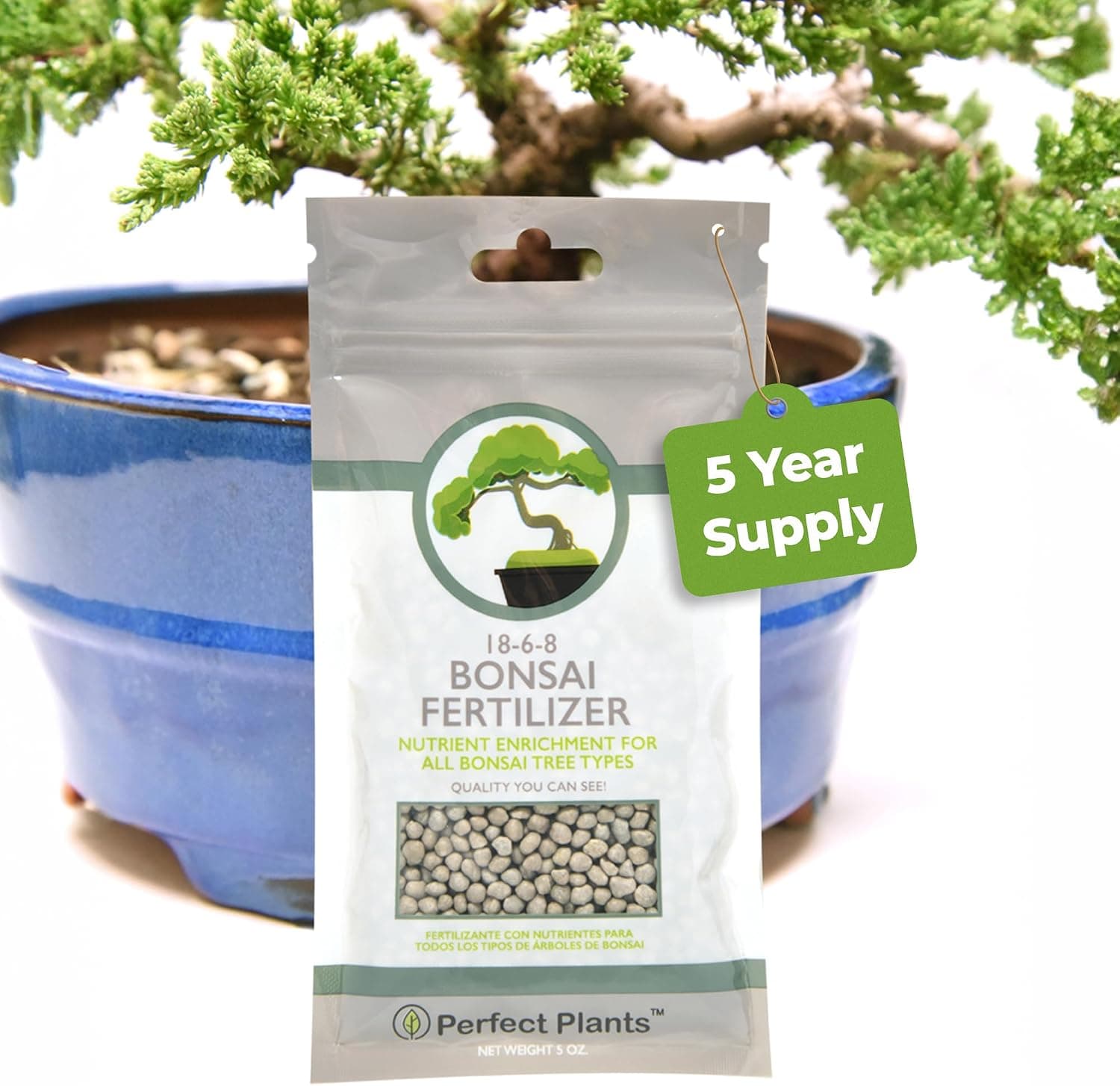
+ 5 year supply claim suggests very low yearly cost
From our guide: Best Bonsai Fertilizers
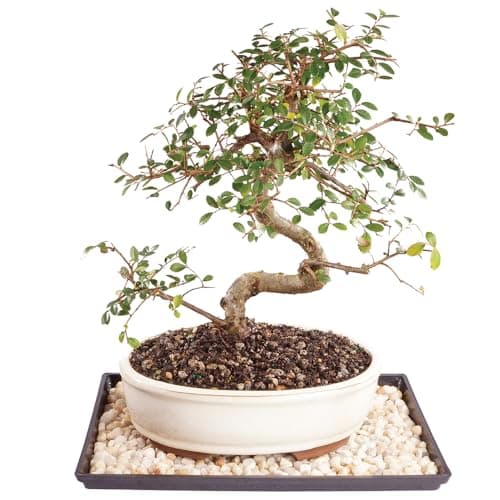
+ Established Chinese elm with a listed height of 10 to 14 inches, a good size for a desk or tabletop display.
From our guide: Best Indoor Bonsai Trees
Which plant is a money tree?
The name usually refers to Pachira aquatica, sold with a braided trunk made from several young stems twisted together and glossy, hand-shaped leaves in clusters of five to seven leaflets. The braid is created at the nursery and holds as the stems thicken and fuse over time.
Other plants share the nickname. The jade plant (Crassula ovata) is also called a money plant, and it is a succulent with completely different needs: less water and more sun. If you have a jade, see our [jade bonsai guide](/best/best-jade-bonsai) instead. The rest of this article covers Pachira.
Light and placement
Money trees do best in bright, indirect light, such as a spot a few feet back from an east or south window. They tolerate lower light for a while, but growth gets leggy and leaves fall. Direct afternoon sun through glass can scorch the foliage, so filter it with a sheer curtain.
Choose a spot with steady temperatures, roughly 60 to 85 F, away from heaters, air conditioners and cold doors. Rotate the pot a quarter turn every week or two so the canopy grows evenly instead of leaning toward the window. If your room is dim, a [grow light](/best/best-grow-lights-for-bonsai) keeps the plant compact.
How often to water
There is no fixed schedule. Push a finger into the soil, and when the top 2 inches are dry, water slowly until it runs out of the drainage holes, then empty the saucer. In a warm bright room that might be every week or so, and in winter often every two to three weeks.
Overwatering is the top cause of death. Signs are yellow leaves, a soft or squishy trunk base, a musty smell and fungus gnats. A [watering can with a narrow spout](/best/best-watering-cans-for-bonsai) lets you soak the soil without splashing the trunk. Dry air causes brown leaf edges, while underwatering makes leaves droop and curl, and the plant perks up quickly after a drink.
Soil, feeding and repotting
Use a loose, quick-draining mix. Standard potting soil with added perlite or pumice works, and heavy, water-holding soil raises the risk of root rot. Always use a pot with drainage holes, and never leave the plant standing in water.
Feed once a month in spring and summer with a balanced liquid fertilizer at half the label strength, and skip feeding in winter. See our [bonsai fertilizer guide](/best/best-bonsai-fertilizers) for options that suit small potted trees. Repot every two to three years in spring when roots circle the pot or poke from the holes, moving up one size only, or trim the roots lightly and return it to the same pot.
Pruning and shaping
Prune in spring or early summer. Cut just above a node or leaf cluster to push growth into side shoots, and remove dead, yellow or crossing branches at the base. Use clean, sharp shears so the cuts heal quickly, such as those in our [bonsai shears guide](/best/best-bonsai-shears).
To keep a small, tree-like shape, trim long shoots back to two or three leaf clusters and thin crowded growth so light reaches the inner branches. Money trees regrow well from cuts, so a trim of up to about a third of the foliage is generally safe on a healthy plant.
Humidity, pets and growing it outdoors
Average household humidity is fine, though a money tree appreciates a bit more in winter when heating dries the air. Grouping plants, using a [humidity tray](/best/best-humidity-trays) or misting lightly can help, but good light and correct watering matter far more than humidity.
Pachira is generally listed as non-toxic to cats and dogs, yet chewing on any plant can upset a pet, so keep it out of reach of animals that nibble. In warm climates it can live outdoors in partial shade, but bring it inside before nights drop toward 50 F, and acclimate it gradually to avoid leaf scorch when moving it back out in spring.
Why leaves turn yellow or drop
Yellow leaves with wet soil mean too much water, so let the pot dry down and check the roots for rot if it persists. Leaves dropping after a move or a cold draft are a stress reaction, and the plant usually recovers once conditions settle. Brown spots can come from sunburn or from mineral salts in tap water.
Pests are uncommon but possible: look for fine webbing (spider mites) or cottony patches (mealybugs) under leaves. Wipe leaves with a damp cloth and treat early, using one of the options in our [pest treatment guide](/best/best-bonsai-pest-treatments).
Frequently asked questions
How often should I water a money tree? Water when the top 2 inches of soil are dry, usually every one to two weeks in the growing season and less in winter. Always let excess water drain away.
Why are my money tree's leaves turning yellow? The most common cause is overwatering. Check that the soil dries between waterings and that the pot drains. Low light and sudden temperature changes can also cause it.
Does a money tree need direct sun? No. Bright, indirect light is best. A few hours of gentle morning sun is fine, but strong afternoon sun can burn the leaves.
Can I untwist or re-braid the trunk? Do not try to unbraid it. The stems fuse as they thicken, and forcing them apart can split the bark.
Popular right now
- Common Bonsai Styles Explained and When to Use ThemArticle
- Bonsai Wire Gauge ChartArticle
- How to Bring Tropical Bonsai Indoors for WinterArticle
- One-third rule explainedGlossary
- Guy wire anchoring explainedGlossary
- Best Bonsai Tool SetsBuying guide
Based on the last 28 days of search and visitor data.