Fertilizing Bonsai Through the Seasons Without Guesswork
Published How we research
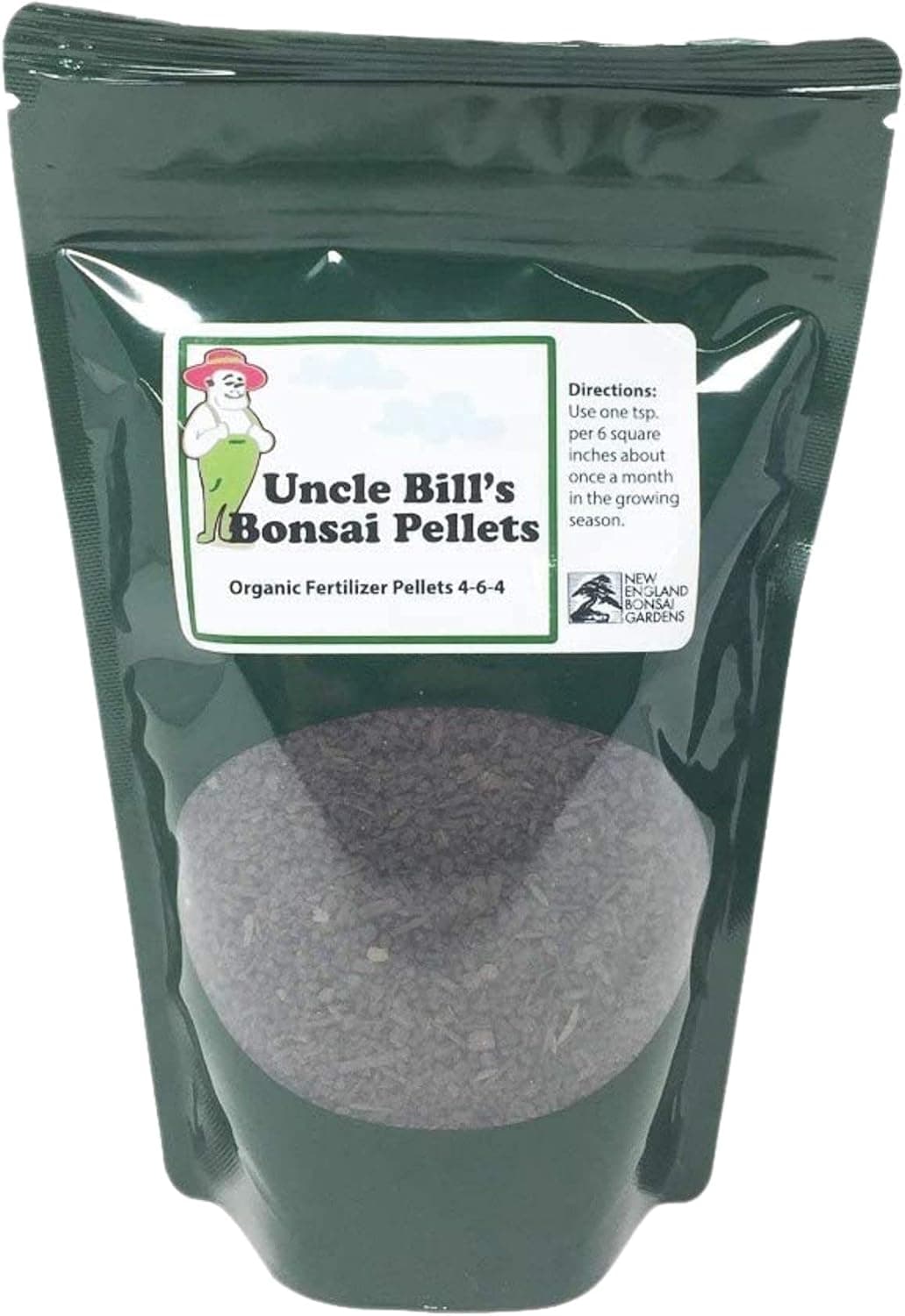
Bonsai soil is deliberately low in nutrients. The coarse granular mix that keeps roots aerated holds very little, and frequent watering flushes what is there straight out of the pot. That makes fertilising not an optional boost but a basic requirement. A tree in good soil that is never fed will survive for a while and then slowly decline, with pale foliage, weak growth and poor recovery from any work you do to it.
The three numbers on a fertiliser package describe nitrogen, phosphorus and potassium. Nitrogen drives leaf and shoot growth. Phosphorus supports roots and flowering. Potassium supports general vigour, wood hardening and cold tolerance. Trace elements such as iron, magnesium and manganese matter too, and a deficiency in one often shows as yellowing between the leaf veins. For most purposes a balanced fertiliser with roughly equal numbers covers a bonsai's needs perfectly well, and elaborate ratio theories matter far less than feeding consistently at all.
The seasonal pattern for temperate outdoor trees is straightforward. Begin feeding in spring once growth is genuinely under way, not while the tree is still dormant. Feed steadily through the growing season, following the product's stated rate. Many growers reduce nitrogen from late summer so the tree does not push soft new growth that will be caught by frost, while continuing potassium to help wood harden. Stop feeding as the tree goes dormant in late autumn, since a dormant tree cannot use nutrients and unused fertiliser simply washes away or accumulates. Tropical species kept indoors grow year round and can be fed lightly through winter, though usually at reduced strength because light levels are lower.
Solid and liquid fertilisers each have a role. Solid organic cakes or pellets sit on the soil surface, break down slowly with each watering, and deliver a gentle continuous supply that is hard to overdo. They are the low-effort choice, replaced every few weeks through the season, though they can attract flies and some smell strongly. Liquid feed mixed into the watering can gives you precise control and immediate effect, which is useful for pushing a tree in development or correcting a deficiency, but it must be repeated often since it flushes out quickly. Many growers use both, with solid cakes as the base and occasional liquid feeding on top.
The most important distinction is between trees in development and trees in refinement. A young tree you are trying to thicken wants as much growth as it can produce, so feed it generously and often. A refined tree you are trying to keep small and finely twigged wants the opposite: strong feeding produces long internodes, large leaves and coarse growth that undoes years of ramification work. Refined trees are fed more sparingly, and some growers deliberately withhold nitrogen in spring on deciduous trees to keep new leaves small, resuming normal feeding once the flush has hardened.
A few situations call for restraint. Do not feed a freshly repotted tree until you see new growth, usually three to six weeks, because cut roots cannot take up nutrients and concentrated feed can damage them. Do not feed a tree that is sick or badly stressed, since the problem is rarely nutritional and feeding adds to the load. Do not feed dry soil; water first, then feed, or you risk burning roots. And follow the stated dilution rather than improvising, because more is not better and salt build-up in a small pot damages roots.
Read the tree rather than the calendar where you can. Healthy foliage is evenly coloured, firm and appropriately sized, and shoots extend at a reasonable rate. Pale or yellowing leaves with weak growth usually mean underfeeding or a root problem. Very large leaves, long gaps between them and floppy shoots usually mean too much nitrogen for a tree at that stage. Adjust gradually, since a tree responds over weeks rather than days, and consistency will always beat frequent changes of approach.
Products from this article
The highest-scoring picks from the buying guides mentioned above. Scores are our editorial assessment, not customer ratings.
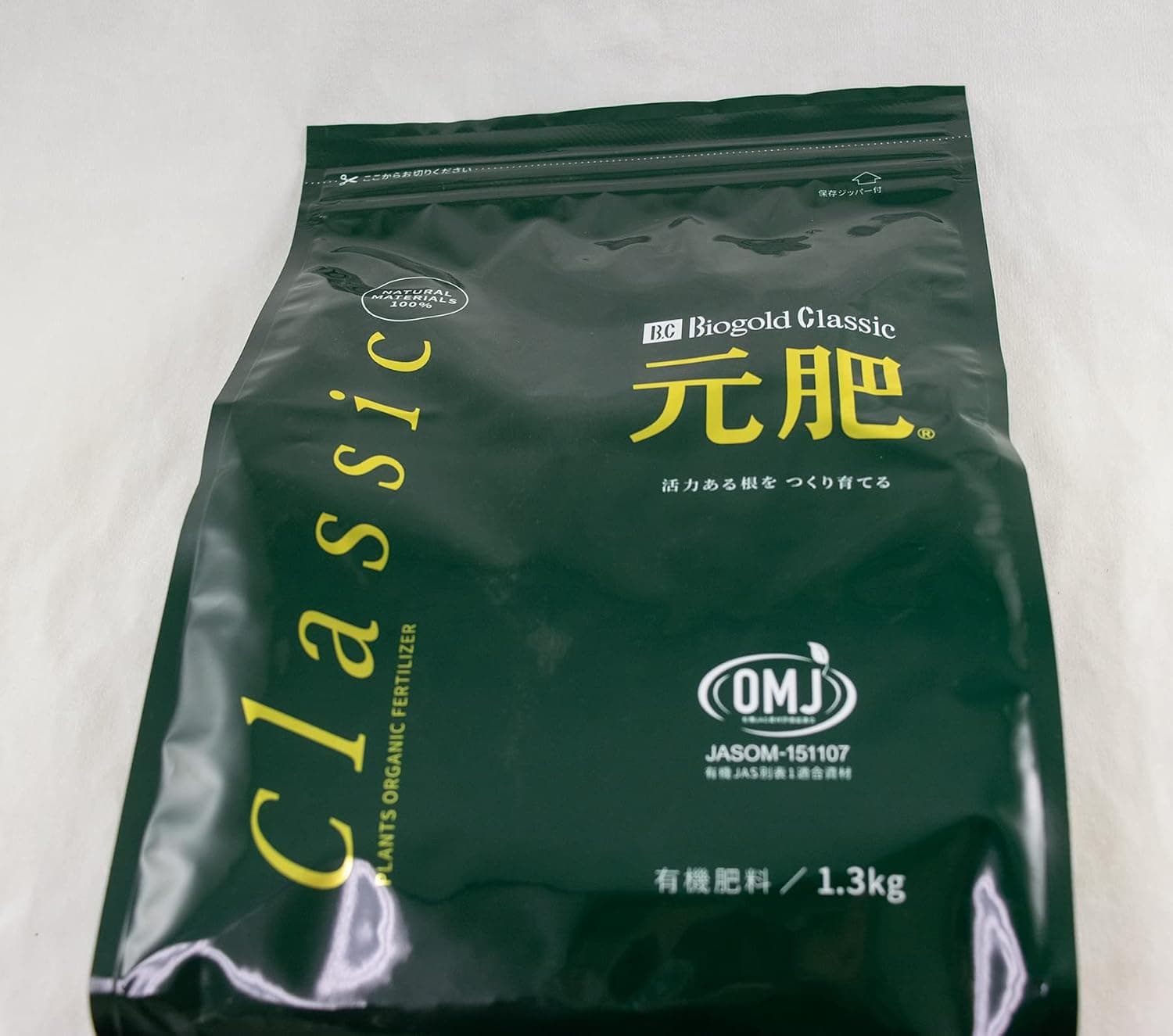
+ 1.3 kg bag offers strong value for larger collections
From our guide: Best Organic Bonsai Fertilizer
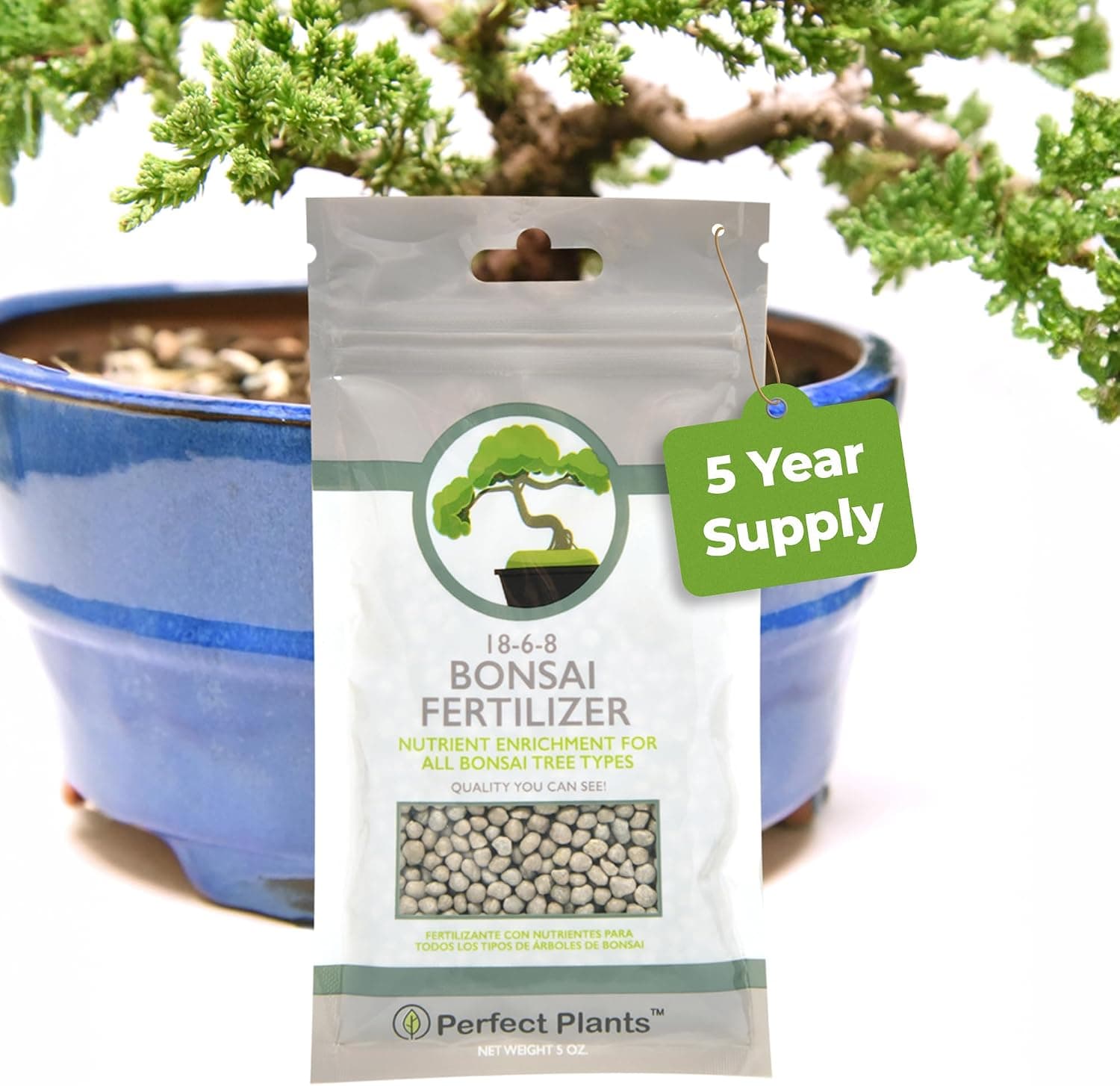
+ 5 year supply claim suggests very low yearly cost
From our guide: Best Bonsai Fertilizers
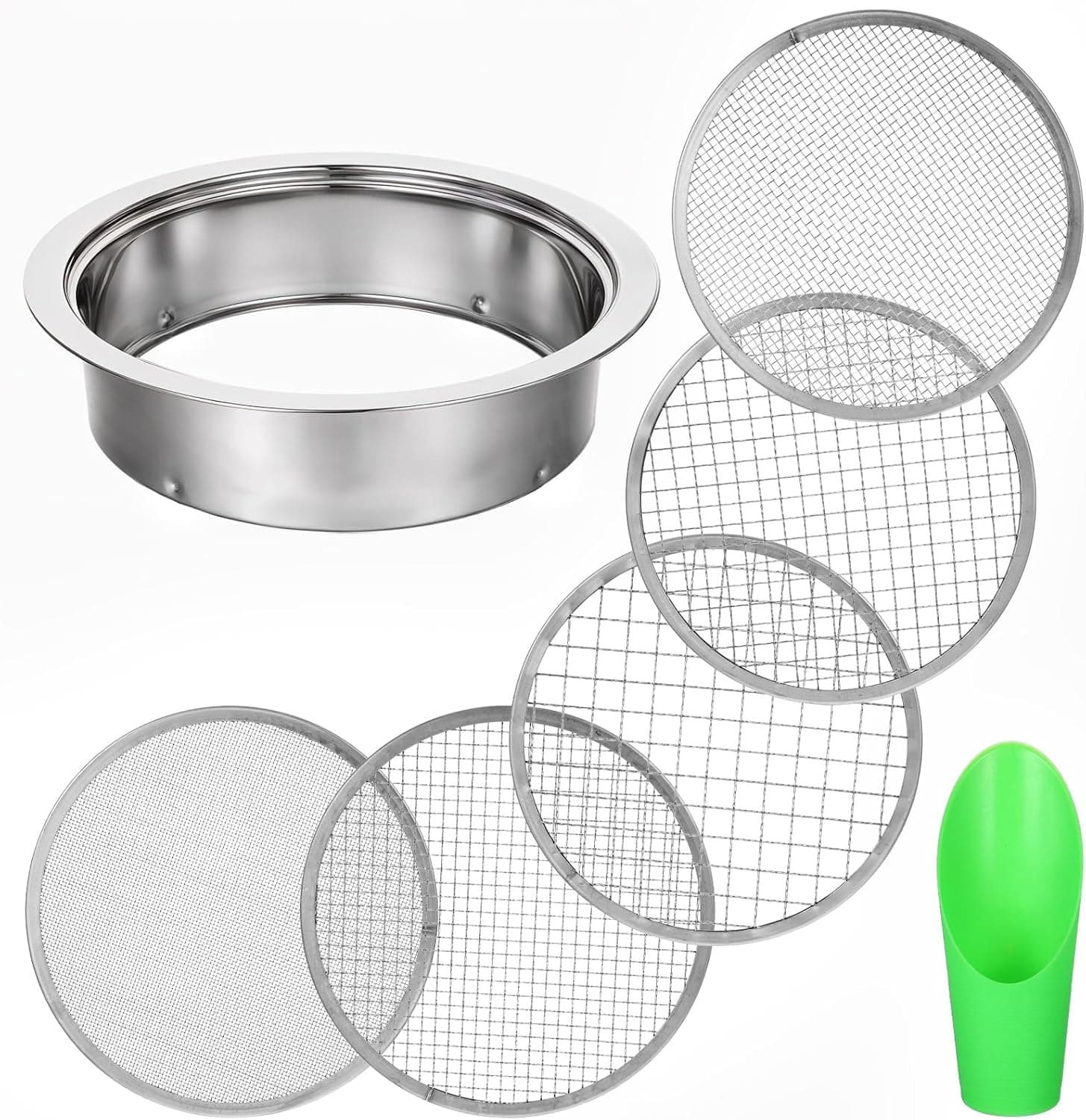
+ Five mesh sizes including 12mm handle coarse grit and bark
From our guide: Best Soil Sieves for Bonsai
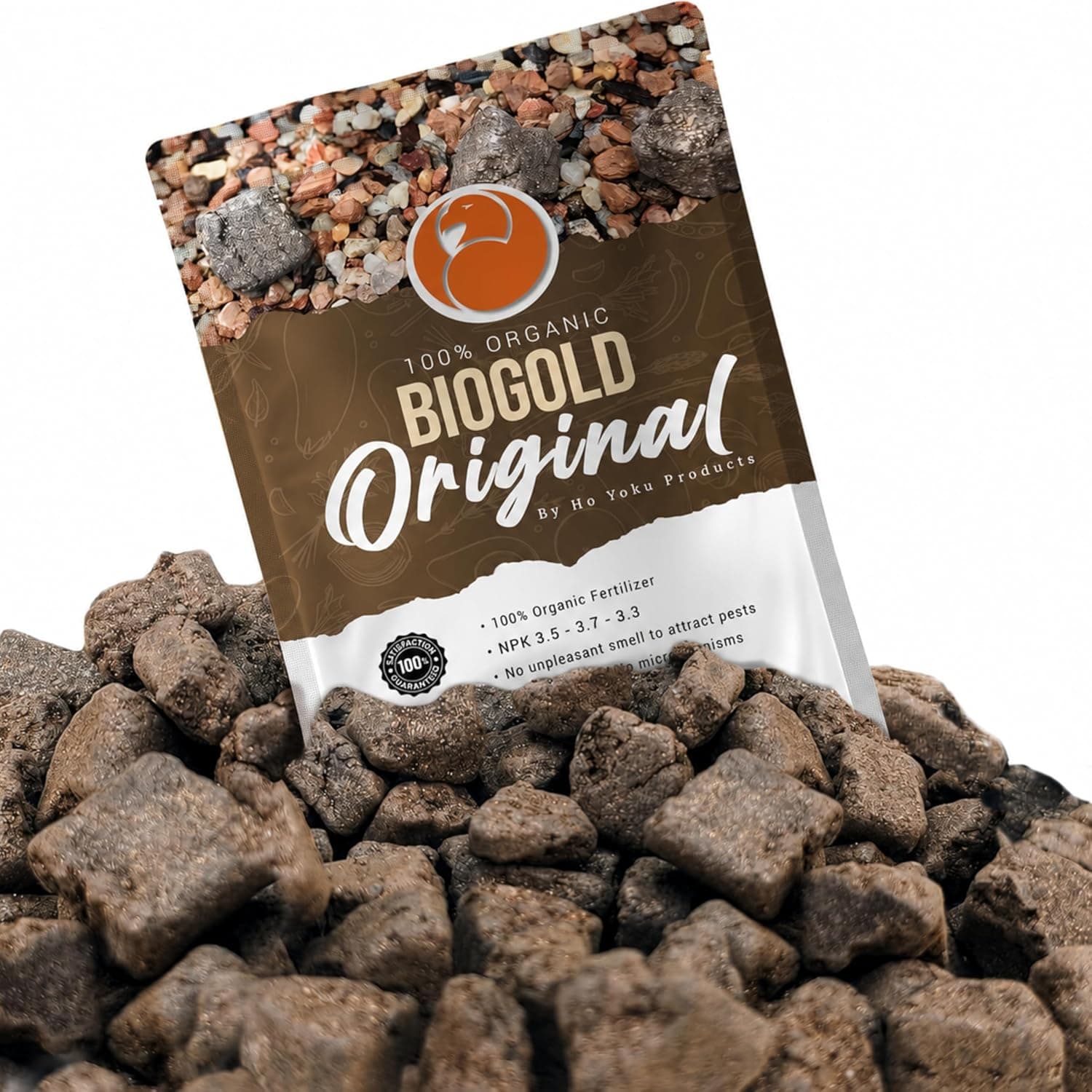
+ BioGold is a trusted organic feed among bonsai growers
From our guide: Best Organic Bonsai Fertilizer
Popular right now
- Choosing the Right Bonsai Pot for Your TreeArticle
- Best Raffia and Wrapping for BonsaiBuying guide
- Bonsai Display and Presentation Basics at Home and at ShowsArticle
- Moss and Accent PlantingArticle
- Best Bonsai Seed KitsBuying guide
- Pinching vs CuttingArticle
Based on the last 28 days of search and visitor data.