Japanese Biogold Classic Motohi Natural Organic Bonsai Fertilizer and Plant Food, 1.3 kg Review (2026)
Updated September 14, 2026 · Research-based review
Our verdict
This is a bulk bag of a staple Japanese organic bonsai fertilizer, best suited to growers with several trees who want a slow, steady feed through the season. The 1.3 kg size and trusted formula are the main strength, while a single small indoor tree will only use a fraction before it needs proper storage.
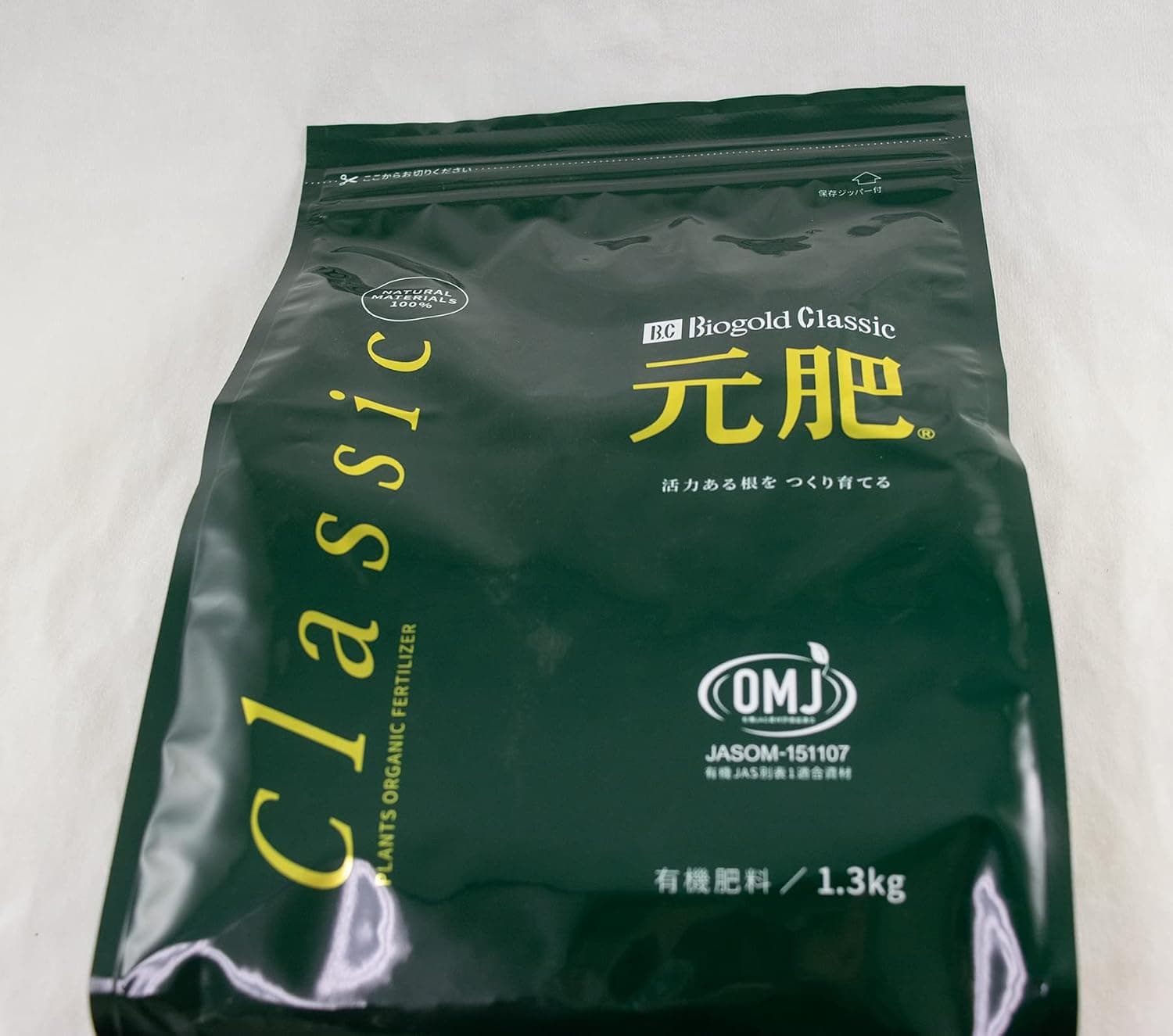
Biogold Classic Motohi Japanese natural organic bonsai fertilizer and plant food in a 1.3 kg bag.
Price range: $ (Budget)
What we liked
- + 1.3 kg bag offers strong value for larger collections
- + Biogold Classic is a staple organic feed in Japan
- + Slow organic release suits both growing and refining trees
Trade-offs
- - Large bag is more than a few indoor trees will use
- - Needs baskets or cages to keep pellets from washing off
Who a 1.3 kg bag of Motohi is really for
Biogold Classic Motohi is one of the most widely used organic pellet fertilizers among bonsai growers in Japan, and the 1.3 kg bag reflects that: it is sized for someone feeding several trees through a full growing season rather than a single houseplant. Anyone building out a collection of outdoor pines, junipers, or deciduous trees will get through this bag steadily across spring and summer applications, since pellets are typically placed in small baskets around the soil surface and replaced every several weeks. A grower with only one or two small indoor bonsai will find the bag lasts a long time and should plan to store the unused portion somewhere cool and dry rather than expecting to use it all in one season.
What is actually in the bag
Motohi is a 100 percent natural organic fertilizer with an NPK ratio of roughly 2-8-4, weighted toward phosphorus and potassium to support root development and overall plant health rather than pushing rapid leafy growth. The pellets run about 3 to 6 millimeters across, small enough to sit in a basket or cage on the soil surface without washing away in normal watering. As an organic pellet feed, it breaks down gradually rather than releasing all its nutrients at once, with each application generally providing a feeding effect that lasts several weeks before it needs topping up. The formula is intended as an all purpose fertilizer, suitable for bonsai as well as garden vegetables, flowering plants, and orchids, not a product formulated only for one species or style of tree.
Applying it and living with the smell
In practice, growers mix Motohi pellets into the top layer of bonsai soil at repotting time, commonly at a rate of around 15 to 20 percent by volume, or lay pellets in small plastic baskets on the surface for ongoing feeding through the season. Because it is an organic product made from natural ingredients, it carries a noticeable earthy smell while breaking down, which is normal for this style of fertilizer but worth knowing before using it on trees kept close to a patio seating area or indoors. Baskets or cages keep the pellets from scattering during heavy watering or wind, and replacing spent pellets every several weeks through the growing season keeps a steady, mild feed going rather than a single strong dose.
Trade-offs against other organic bonsai fertilizers
The bag size is the main trade-off here: at 1.3 kg it costs more upfront than the smaller pellet bags sold by rivals such as the 900g Japanese organic option or Yamamoto's concentrated 8 oz fertilizer, but it works out cheaper per feeding over a full season for anyone with more than a tree or two. Compared with a generic 2 pound organic pellet blend, Motohi carries a longer track record among dedicated bonsai growers in Japan specifically, which matters for anyone following traditional feeding schedules. The main practical downside carried over from any pellet fertilizer applies here too, loose pellets need a basket or cage, or they will wash off the soil surface during watering and end up wasted on the bench.
Verdict and who should choose a smaller bag instead
For a grower actively building or maintaining a collection of several bonsai, this 1.3 kg bag of Motohi delivers a trusted, slow release organic feed at a lower cost per application than buying smaller bags repeatedly. It suits both trees still being developed and mature trees in refinement, since the balanced organic release supports steady growth without forcing it. Anyone with just one or two small indoor trees, or anyone put off by the earthy smell of organic pellet fertilizers, should look at a smaller 15 oz size or a lower odor liquid feed instead. Stored in a cool, dry place, the bag should remain usable across more than one growing season for a modest collection.
Frequently asked questions
What is the NPK ratio of Biogold Classic Motohi?
It runs roughly 2-8-4, weighted toward phosphorus and potassium to support root development and general plant health rather than fast leaf growth.
How often should Motohi pellets be replaced?
Growers typically replace surface pellets every several weeks through the growing season, since the organic release slows and tapers off as each batch breaks down.
Does Motohi fertilizer smell bad?
It has a noticeable earthy organic smell while breaking down, which is normal for this type of natural pellet fertilizer but worth planning for if trees sit near a patio or indoors.
Can Motohi be mixed directly into bonsai soil at repotting?
Yes, growers commonly mix it into the top layer of soil at around 15 to 20 percent by volume at repotting time, in addition to using it as a surface feed in baskets.
Prices change often, so check the current price and availability on Amazon.
Check price on AmazonBonsai Nest may earn a commission from the link above.