Choosing Your First Bonsai Tree Without Regretting It
Published How we research
The tree you start with shapes how long you stay in the hobby. A forgiving species that tolerates a few mistakes gives you room to learn. A demanding one punishes ordinary beginner errors with death, and most people conclude they have no talent for bonsai when in truth they were handed a difficult patient. Choosing well is less about finding a beautiful tree and more about finding one that will survive your first year of learning.
For outdoor growing, the most reliable beginner species are junipers, cotoneaster, Japanese maple, and pines such as mugo. Junipers are tough, cheap, and respond well to wiring, though they hide their distress and can look green for weeks after they have effectively died. Cotoneaster grows fast, backbuds readily, and flowers, which makes progress visible. Maples are forgiving of pruning and spectacular in autumn, but they resent drying out even once. Pines are slow and have their own rules, so they reward patience rather than experimentation.
If the tree must live indoors, the shortlist is different. Ficus is the standard recommendation for good reason: it tolerates low light, irregular watering, indoor heating, and heavy pruning, and it heals wounds quickly. Chinese elm is nearly as tolerant and produces finer branching. Jade and portulacaria handle drought well, which suits people who travel or forget. Avoid tropical species with fussy humidity requirements until you have a season or two of experience reading a tree's condition.
Where you buy matters as much as what you buy. The small trees sold in supermarkets and gift shops are usually cuttings that were rooted, potted into dense organic soil, glued over with decorative gravel, and shipped in a dark box. They can be rescued, but the rescue is a project in itself. A regular garden nursery is often a better source: for the price of a gift-shop bonsai you can buy a healthy shrub with a thick trunk and years of growth already in it, which is the raw material serious hobbyists actually want.
Before handing over money, inspect the tree the way you would inspect a used bicycle. Look at the base of the trunk where it meets the soil and check for roots spreading outward rather than a stem that plunges straight down like a pencil. Look for foliage that is evenly coloured and firm, not dull, sparse, or shedding. Scratch a small hidden spot of bark with a fingernail and confirm there is green underneath. Push a finger into the soil and see whether it is a solid organic block or something open and granular. Lift the tree gently by the trunk and check that it is anchored, not rocking loose in the pot.
Be realistic about what a tree will cost to bring on. An inexpensive nursery shrub with a good trunk may need three to five years of development before it looks like anything. A refined imported tree can look finished on the day you buy it and costs accordingly. Neither is wrong, but they are different hobbies. Many people find it satisfying to own one attractive tree that teaches them what quality looks like, alongside two or three cheap ones to practise on without fear.
Whatever you choose, buy in spring or early summer if you can. That gives the tree the strongest part of the growing season to settle in, and it gives you months of active growth to observe before the first winter tests both of you. Starting in autumn is possible, but you will spend the first stretch of the relationship watching a dormant tree and guessing whether it is fine.
Products from this article
The highest-scoring picks from the buying guides mentioned above. Scores are our editorial assessment, not customer ratings.
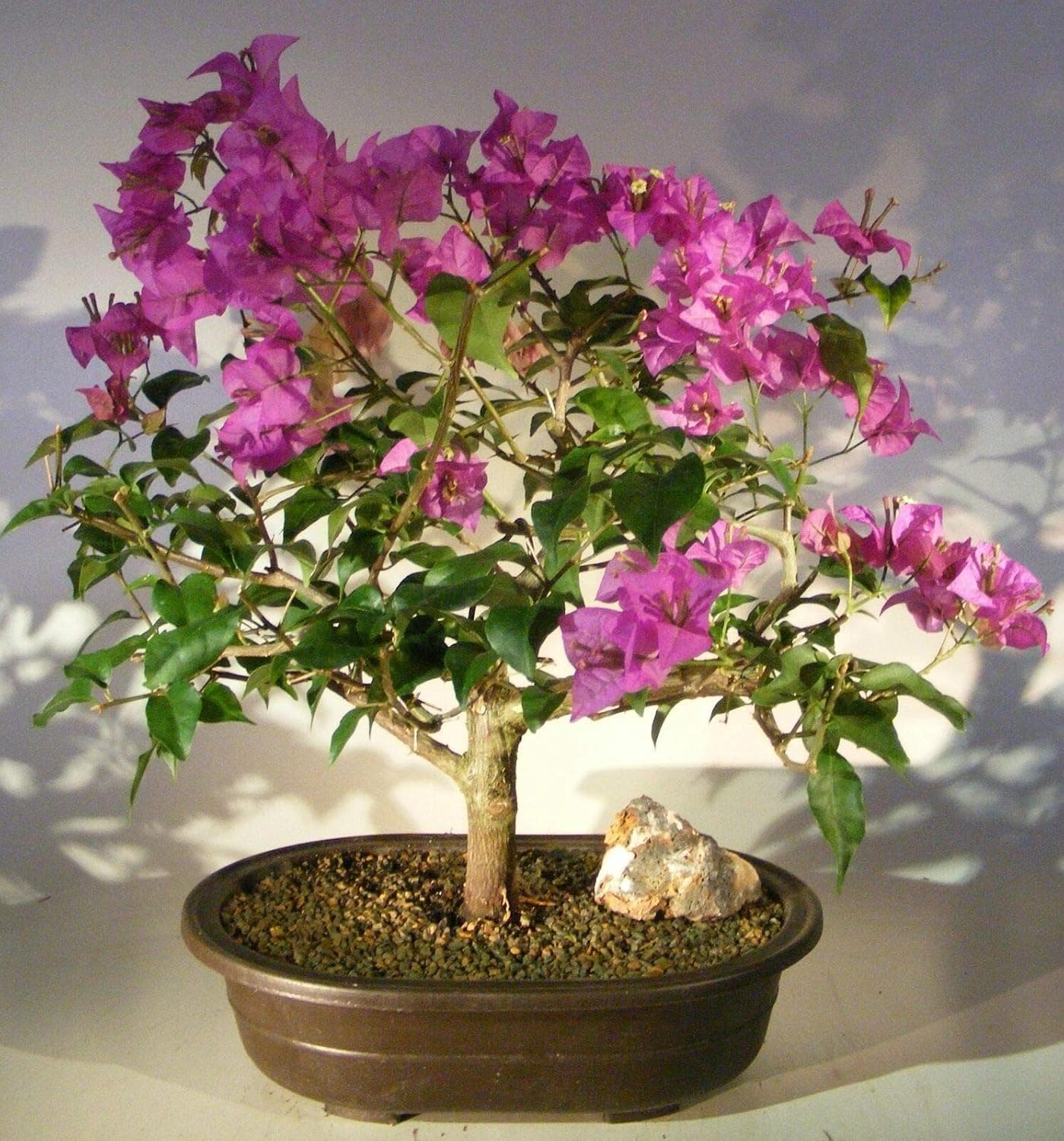
+ Pink Pixie bougainvillea gives vivid bracts that few bonsai species can match
From our guide: Best Flowering Bonsai Trees
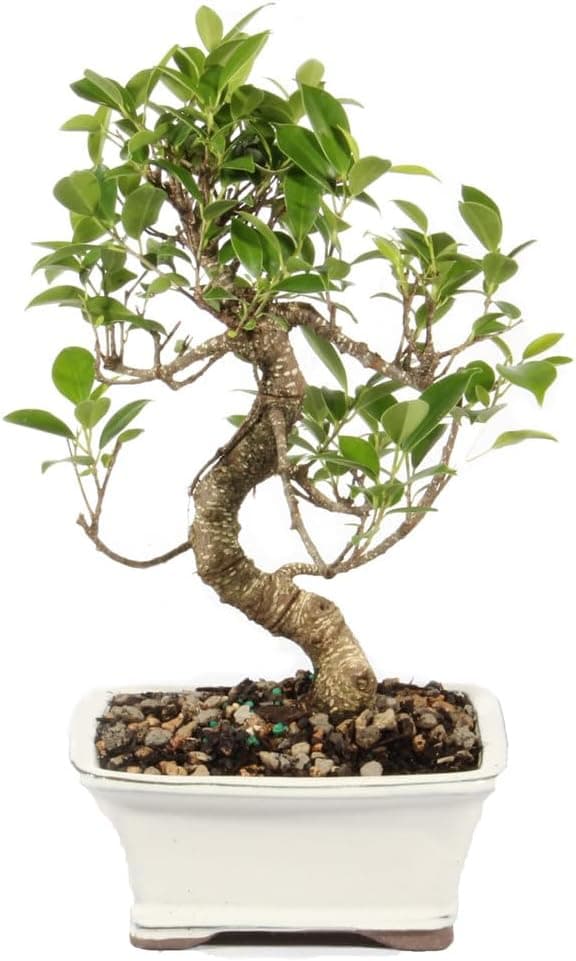
+ Ficus tolerates indoor conditions far better than juniper, so it suits apartments
From our guide: Best Ficus Bonsai Trees
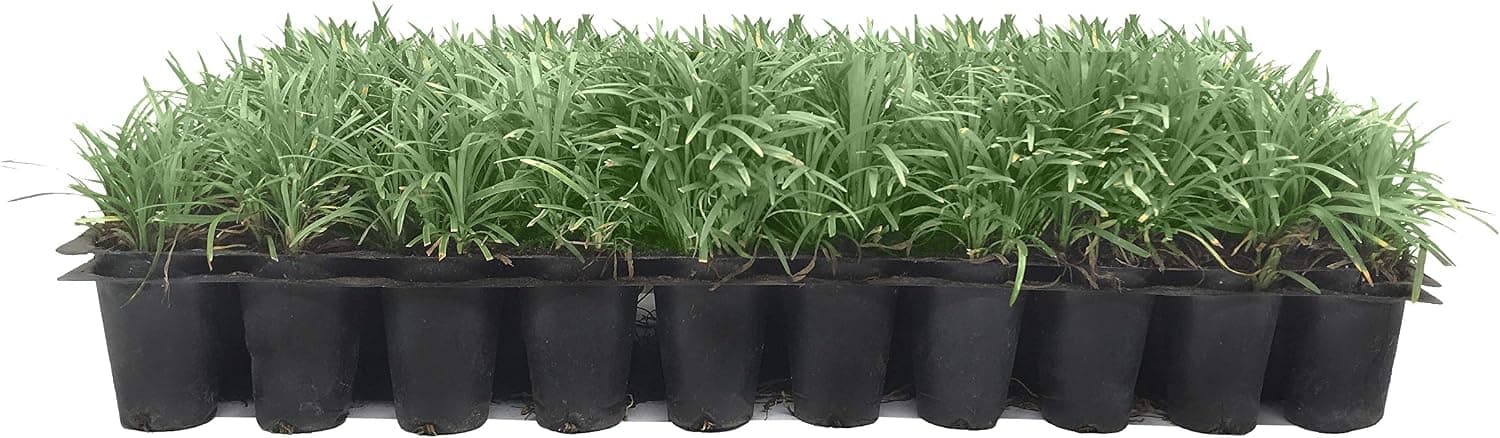
+ 20 live plants give plenty of divisions for accent pots
From our guide: Best Accent Plants and Kusamono
+ Fukien tea produces small white flowers against glossy dark leaves
From our guide: Best Flowering Bonsai Trees
Popular right now
- Choosing the Right Bonsai Pot for Your TreeArticle
- Best Raffia and Wrapping for BonsaiBuying guide
- Bonsai Display and Presentation Basics at Home and at ShowsArticle
- Moss and Accent PlantingArticle
- Best Bonsai Seed KitsBuying guide
- Pinching vs CuttingArticle
Based on the last 28 days of search and visitor data.