What to Do When Water Sits on Top of Bonsai Soil
Published How we research
Healthy bonsai soil lets water pass through quickly, holding just enough moisture for roots while allowing air back into the pot. When water pools on the surface, runs off the sides instead of soaking in, or the soil stays soggy for days, roots can suffocate and begin to rot. Poor drainage usually develops slowly as soil breaks down, roots fill the pot or drainage holes become blocked. Recognising the signs early protects the tree.
Signs of poor drainage
Water that sits on the surface for more than a few seconds, a soil surface covered in thick moss or algae, and soil that still feels wet several days after watering are all warning signs. Some trees also show yellowing leaves, weak growth or a sour smell from the pot.
Another sign is water running straight down the gap between the root ball and the pot wall while the centre stays dry. This happens when the root mass has become so dense that water cannot penetrate it evenly.
Why bonsai soil stops draining
Many beginner trees are sold in dense, organic potting compost that holds far too much water for a small container. Even good bonsai mixes break down over time, since particles like akadama gradually crumble into fine dust that clogs the spaces between particles.
Roots also fill the pot over the years, leaving little space for air and water to move. Mesh covering the drainage holes can become blocked by roots, fine soil or debris, trapping water at the bottom of the pot.
Short-term fixes
Check that drainage holes are open and not blocked by roots, sitting directly on a flat tray or clogged with debris. Raise the pot slightly on pot feet so water can drain freely.
Water more carefully by applying water slowly in several passes, letting it soak in each time. Temporarily reduce watering frequency and allow the surface to dry slightly between waterings, while never letting the tree dry out completely.
Loosen the surface
A thick layer of moss or a crust of fine particles on top can repel water. Gently scrape away some moss and loosen the top layer with a chopstick, avoiding damage to surface roots.
Poke a few small holes into compacted areas with a chopstick to help water penetrate. This is a temporary improvement rather than a long-term solution.
Repot at the right time
The real fix for broken-down or unsuitable soil is repotting into a free-draining bonsai mix. Many deciduous and coniferous trees are repotted in early spring as buds swell, while tropical species are often repotted in warm weather.
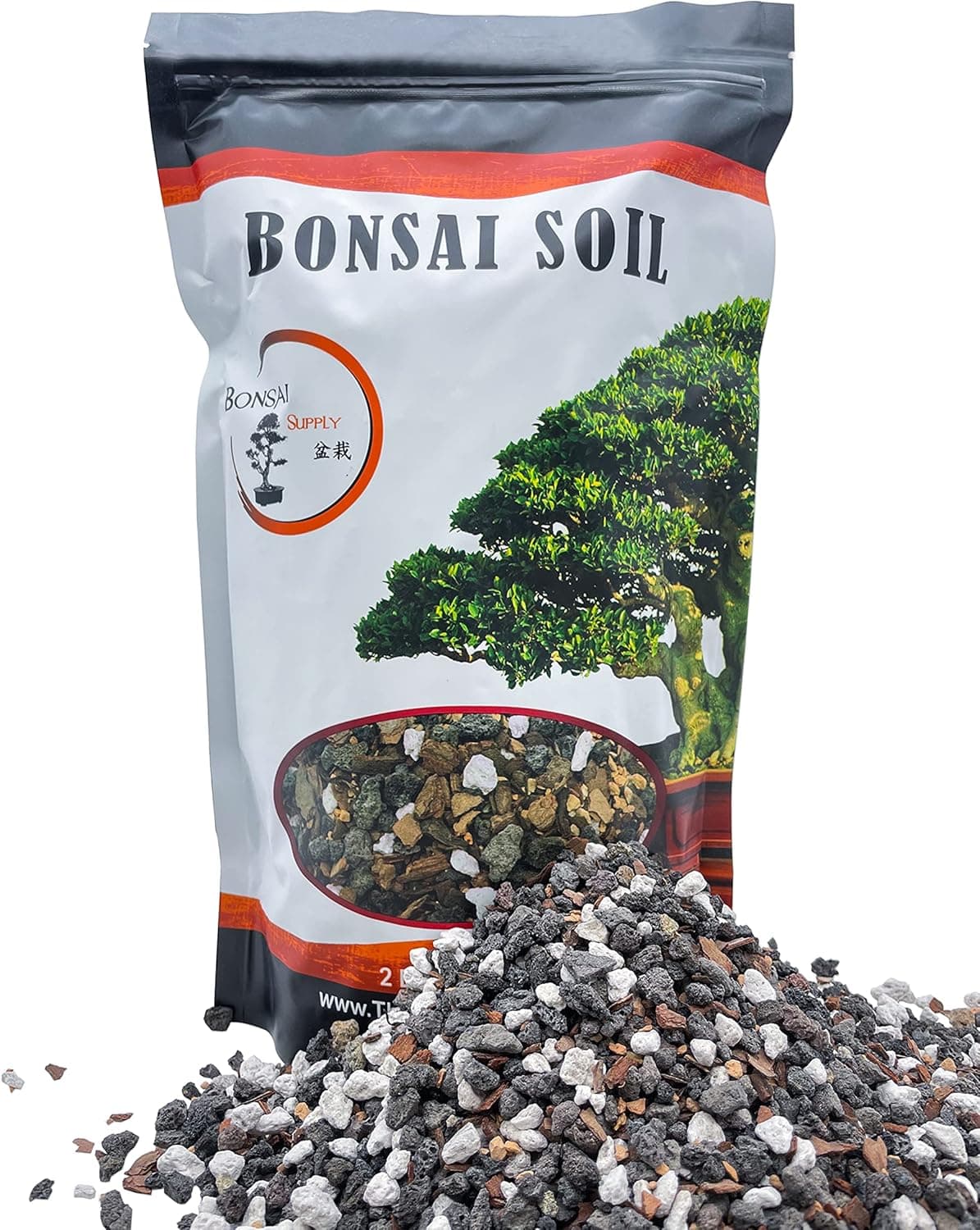
Use a mix of materials such as akadama, pumice and lava rock, sieved to remove dust. Trim roots appropriately and check drainage mesh is secure.
Prevent future drainage problems
Repot regularly according to species and age, and sieve soil components before use. Avoid garden soil or dense compost in bonsai pots.
Monitor watering by checking soil moisture rather than following a fixed schedule. Good drainage keeps roots healthy and trees vigorous.
Products from this article
The highest-scoring picks from the buying guides mentioned above. Scores are our editorial assessment, not customer ratings.
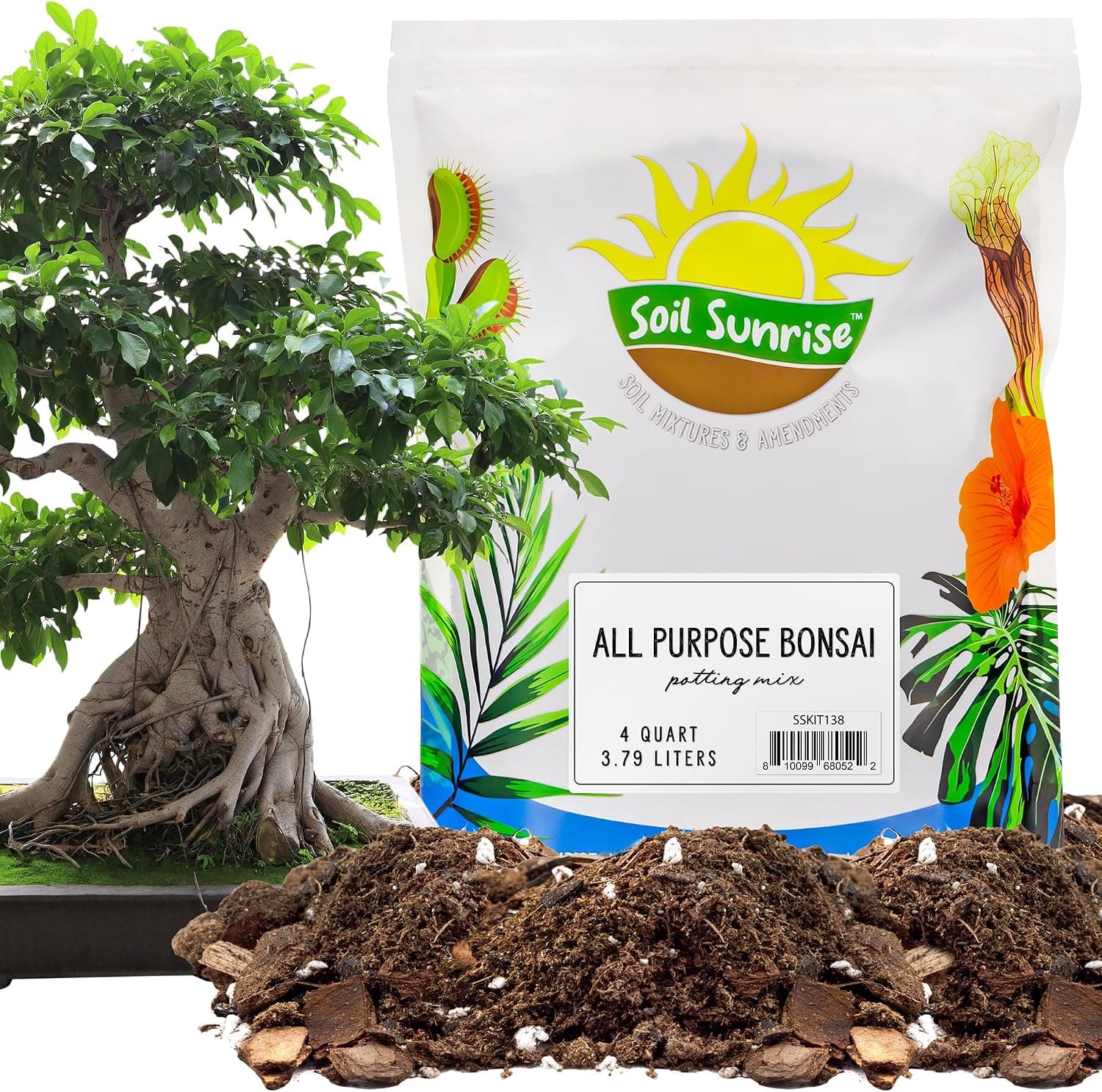
+ 6 quart bag lowers the cost per quart for bigger collections
From our guide: Best Premixed Bonsai Soil
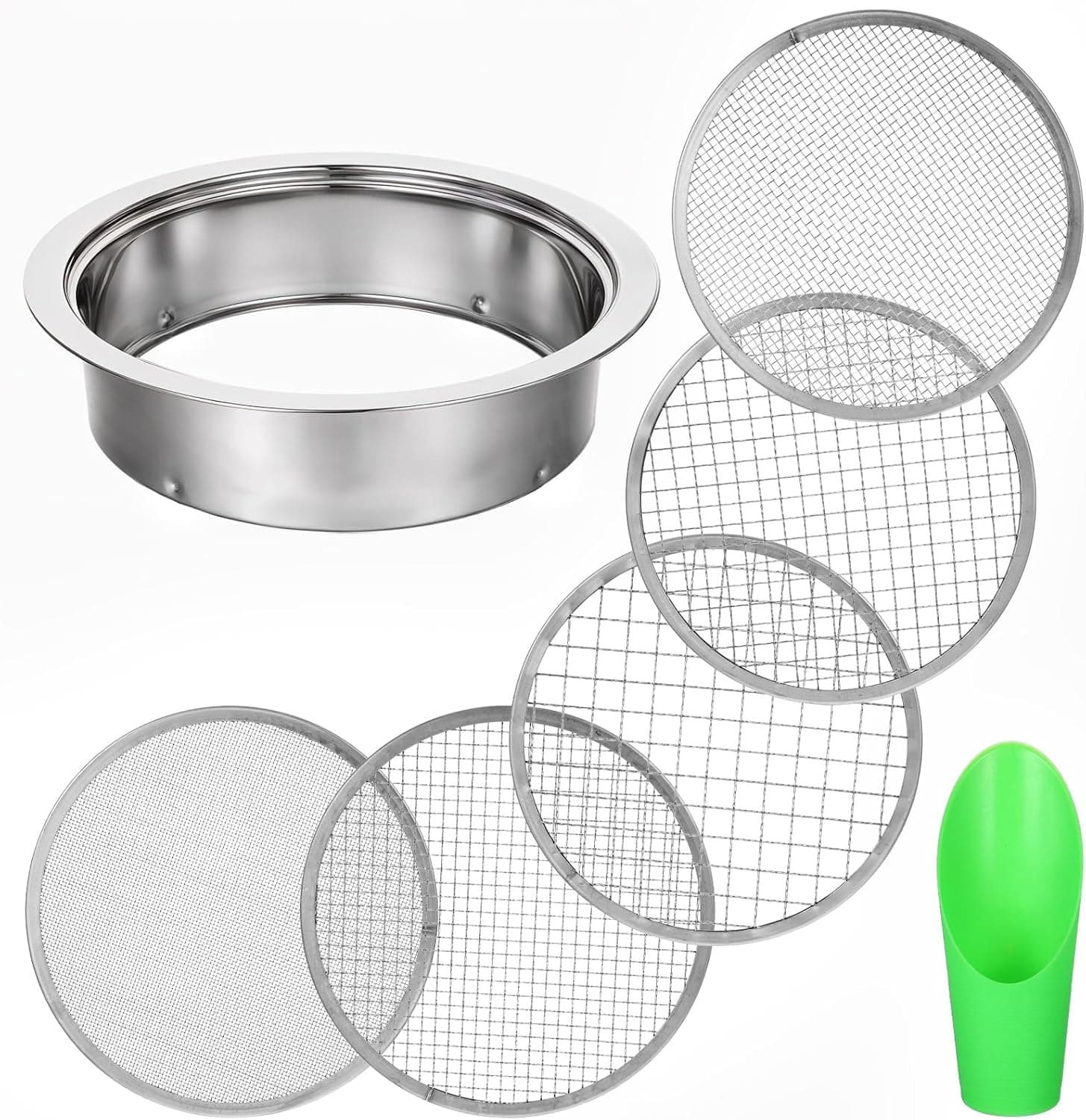
+ Five mesh sizes including 12mm handle coarse grit and bark
From our guide: Best Soil Sieves for Bonsai
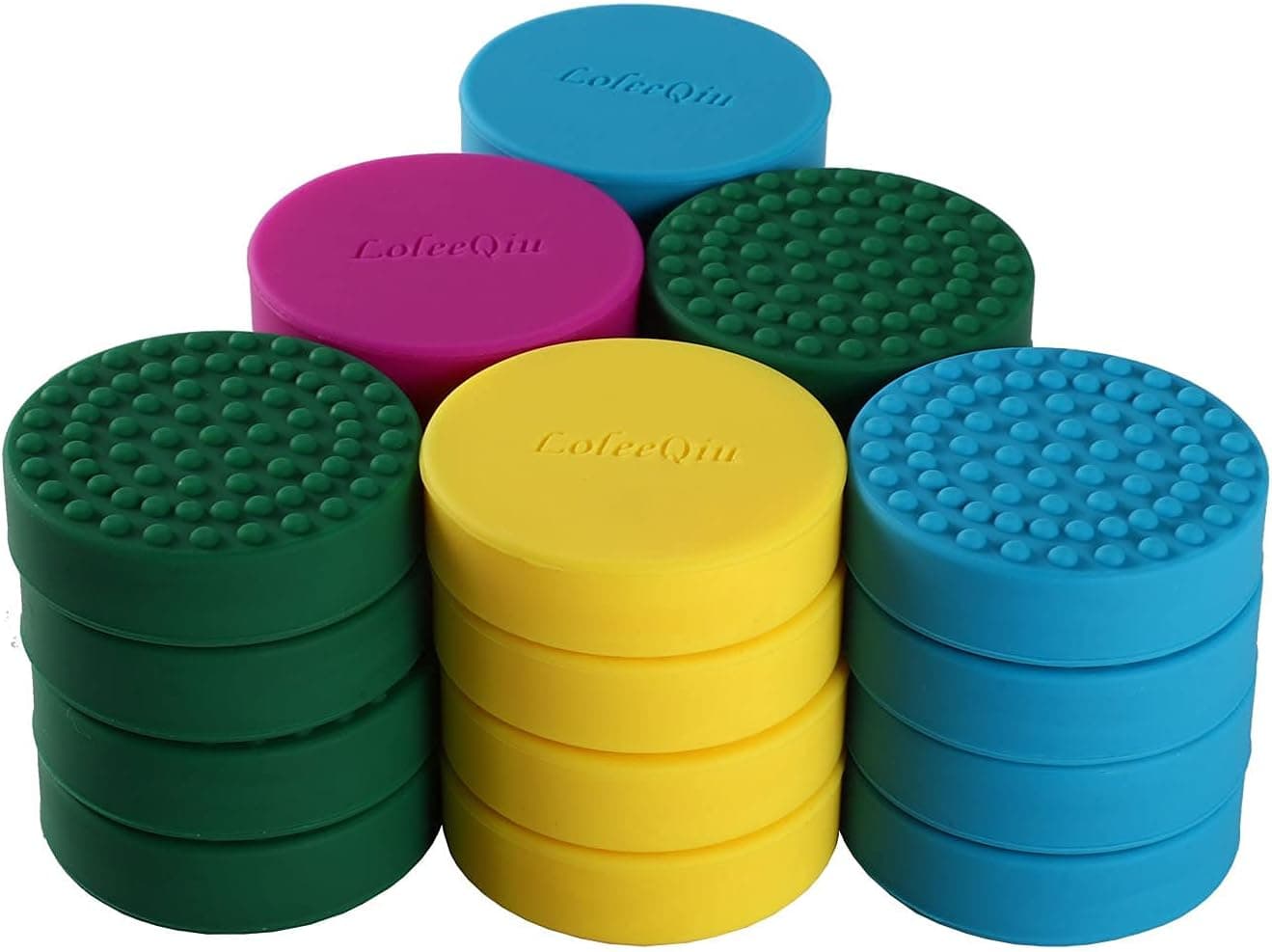
+ 24 feet handle a whole shelf of bonsai at a low cost per pot
From our guide: Best Bonsai Pot Feet
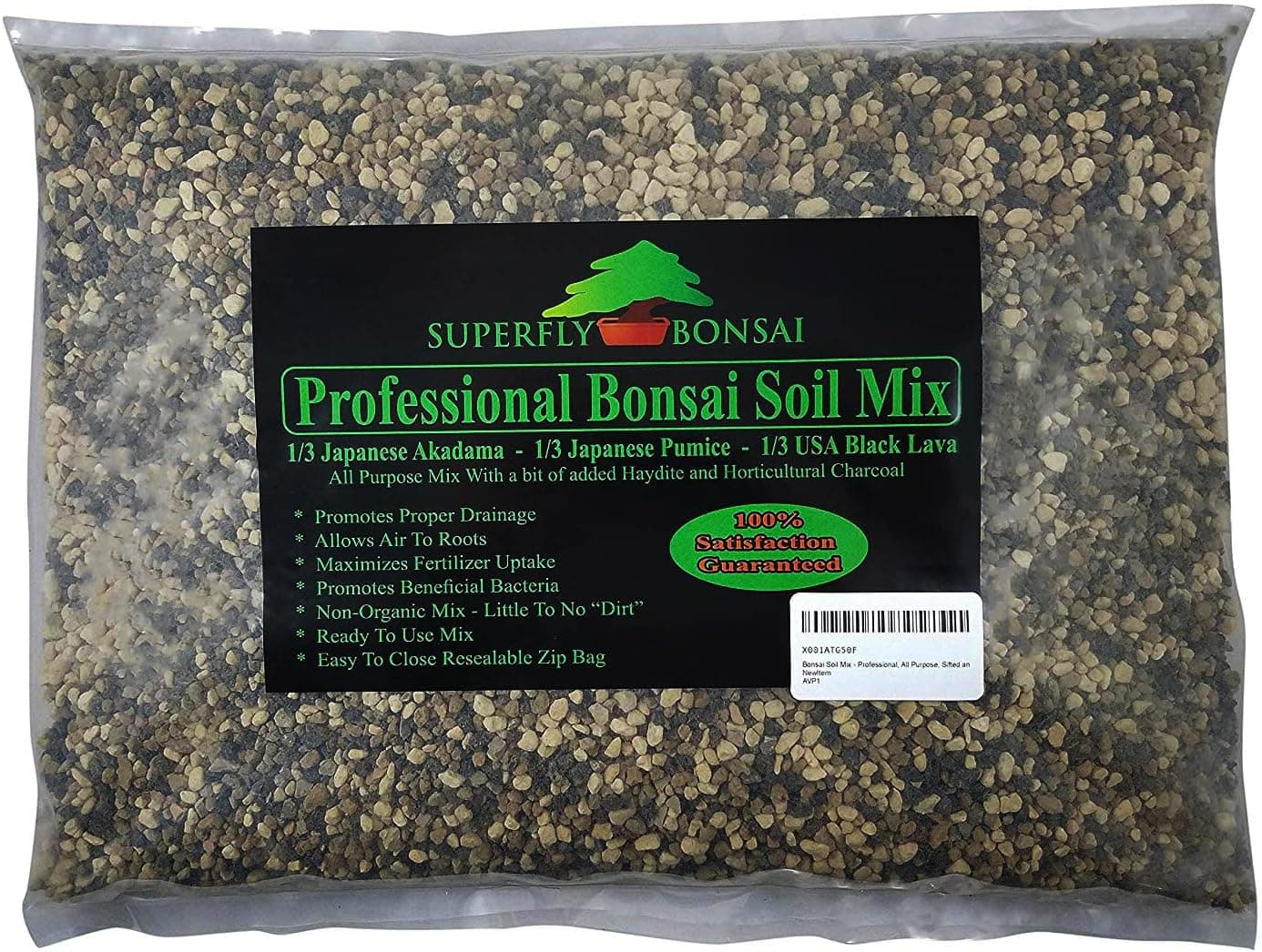
+ Classic pumice, lava and clay blend gives fast drainage
From our guide: Best Premixed Bonsai Soil
Popular right now
- Choosing the Right Bonsai Pot for Your TreeArticle
- Best Raffia and Wrapping for BonsaiBuying guide
- Bonsai Display and Presentation Basics at Home and at ShowsArticle
- Moss and Accent PlantingArticle
- Best Bonsai Seed KitsBuying guide
- Pinching vs CuttingArticle
Based on the last 28 days of search and visitor data.