Bonsai Display and Presentation Basics at Home and at Shows
Published How we research
A bonsai is finished only when someone looks at it, and how it is presented changes how it reads. The same tree can look cramped on a low table and dignified on a stand at the right height. Display is not a separate art from growing; it is the moment where all the growing decisions get tested, and thinking about it early tends to improve the tree itself, because you start asking what the viewer will actually see.
Everything begins with the front. Every bonsai has one angle from which it makes the most sense, and finding it means turning the tree slowly and looking for a combination of features: the root base spreading evenly and visibly, the trunk showing its best movement and taper, the lowest branch not pointing directly at the viewer, and a slight forward lean that feels welcoming rather than a backward lean that feels aloof. There should be a sense of depth, with some branches receding behind the trunk. Once the front is settled, all pruning, wiring and potting decisions are made in reference to it.
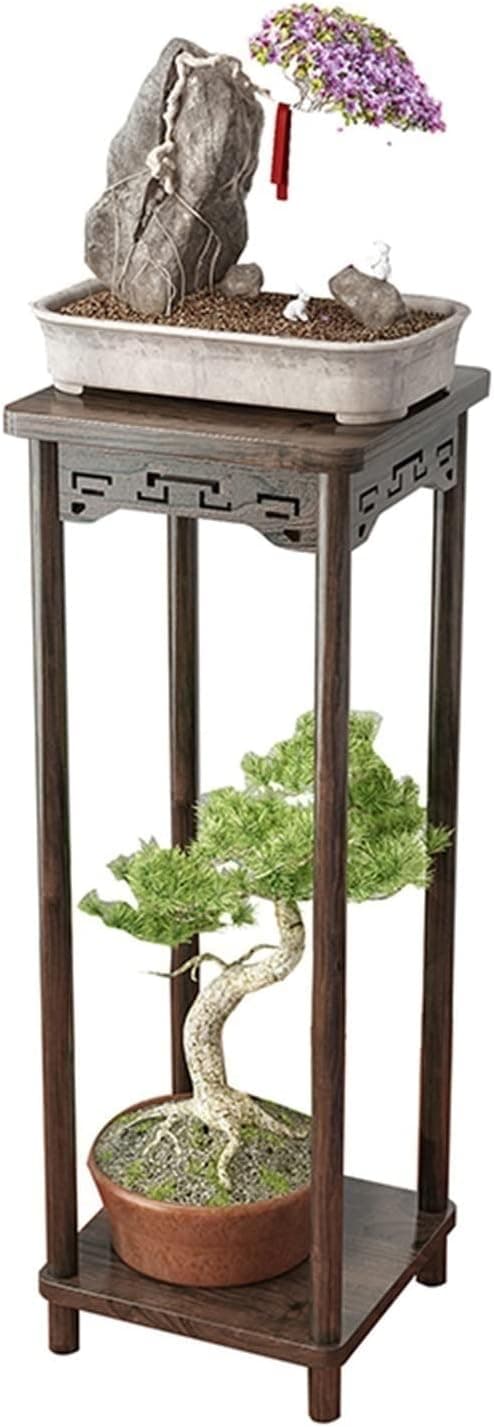
Viewing height is the most commonly neglected element in home display. Bonsai are designed to be seen from slightly below the canopy, roughly at the level of the first branch, which is how you would view a full-sized tree from a distance. A tree sitting on the ground or a low table is seen from above, which flattens the canopy and destroys the illusion of scale. Benches and stands that bring trees to somewhere between waist and chest height solve this instantly and cost nothing but a little carpentry.
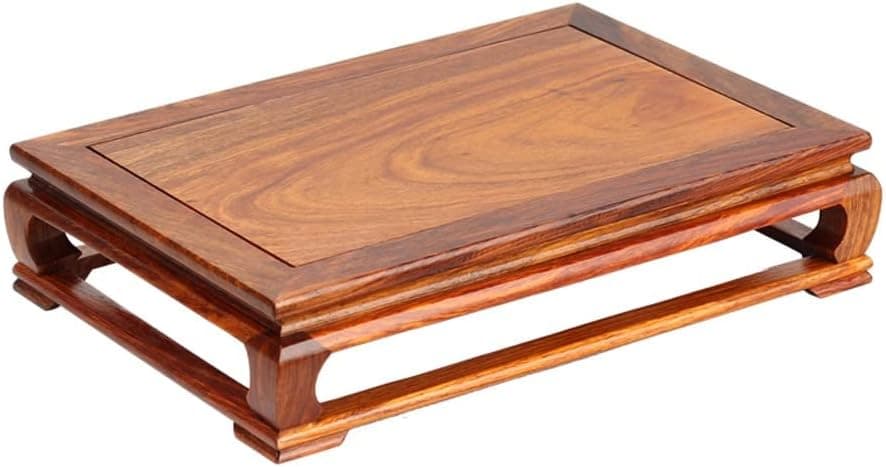
The traditional formal display, the tokonoma alcove, is worth understanding even if you never build one. It contains three elements: the tree, an accent plant or small figure, and a hanging scroll. They are arranged so that the composition forms an implied triangle and so that the visual movement of each element leads inward toward the others rather than out of the display. The tree sits on a stand chosen to suit its weight, with a heavy carved stand for a rugged conifer and a light thin one for a delicate deciduous tree. The accent sits lower and to one side. Nothing is centred, and empty space is treated as part of the composition rather than something to fill.
The underlying principles transfer directly to a shelf, a windowsill or a garden bench. Give each tree space so it is seen alone rather than as part of a row. Use a plain background, since a busy fence or patterned wall competes with the fine branching that took you years to build. Keep the ground plane tidy: moss trimmed back from the trunk, soil surface level, pot cleaned of algae and water marks, and no labels or wire ends visible. Small details of tidiness account for a surprising share of whether a tree looks cared for.
Seasonality is one of the pleasures of display and one of the reasons to keep more than one tree. A flowering species is brought forward when it blooms and returned to the growing bench afterwards. A deciduous tree with fine ramification is at its best in winter, when the bare structure shows. An autumn colour tree has a window of two weeks. Rotating what is on display through the year keeps the collection interesting and means no tree is asked to look its best year round, which none of them can.
If you take a tree to a show, prepare it well ahead. Clean the trunk gently with a soft brush and water, remove any remaining wire, tidy dead leaves and needles, top-dress the soil, apply moss a few weeks in advance so it settles, and oil the pot lightly on the day so the surface reads evenly. None of this improves the tree, but all of it removes distractions, and a display is judged largely on whether anything pulls the eye away from what you spent years building.
Products from this article
The highest-scoring picks from the buying guides mentioned above. Scores are our editorial assessment, not customer ratings.
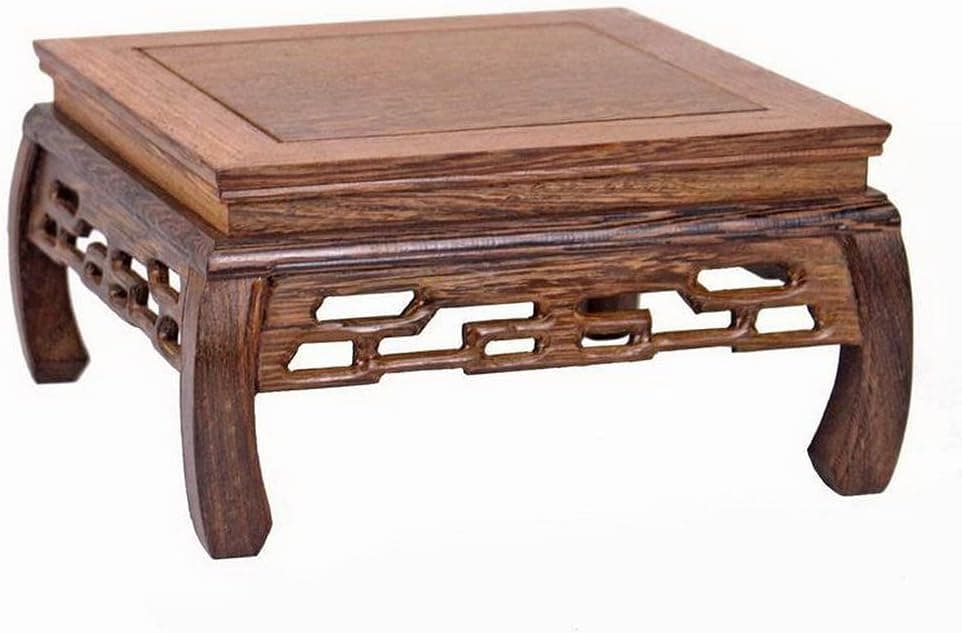
+ Solid rosewood gives a heavier, more premium feel than veneer
From our guide: Best Bonsai Display Stands
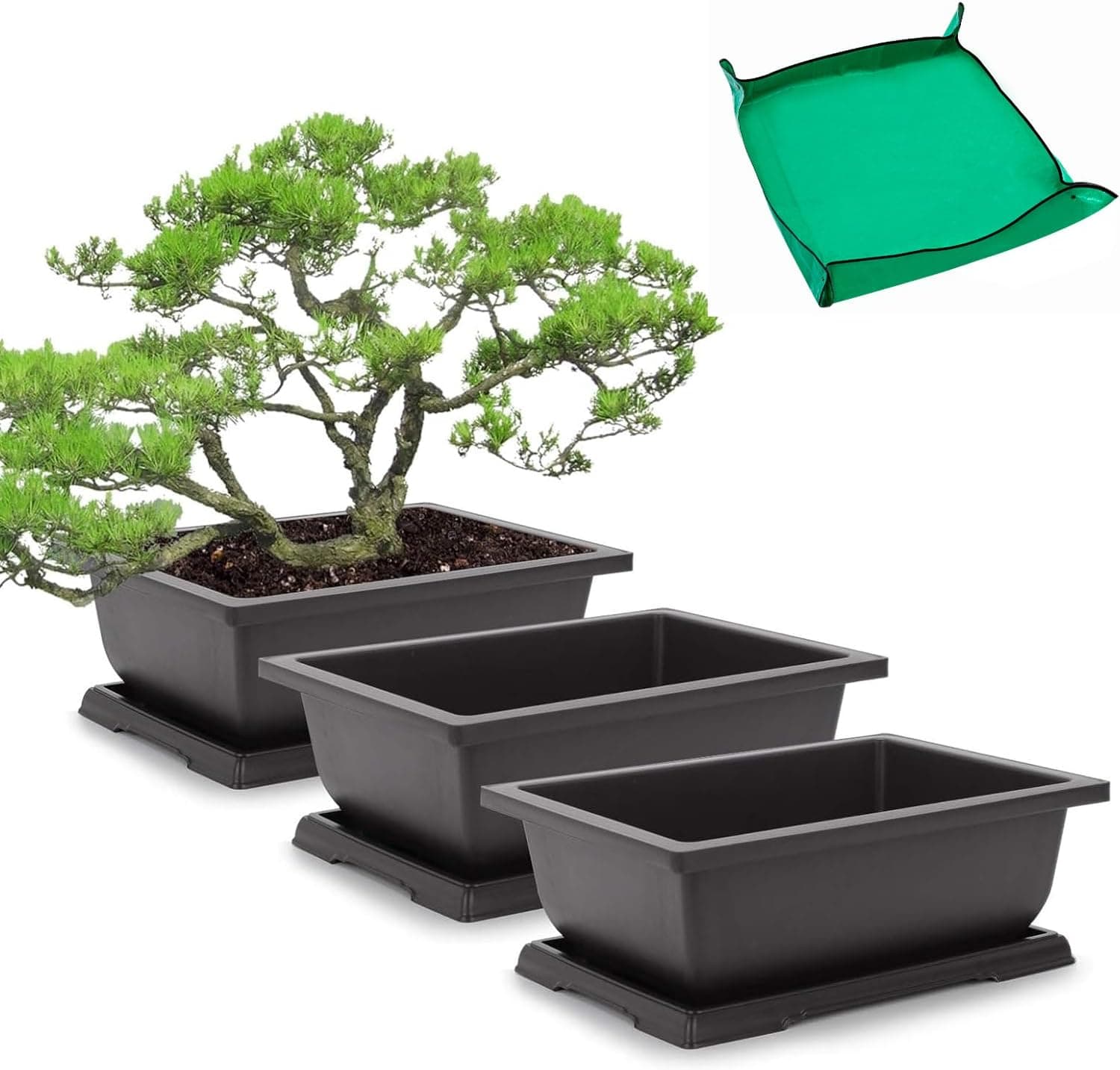
+ Repotting mat keeps soil contained when working indoors
From our guide: Best Bonsai Pots
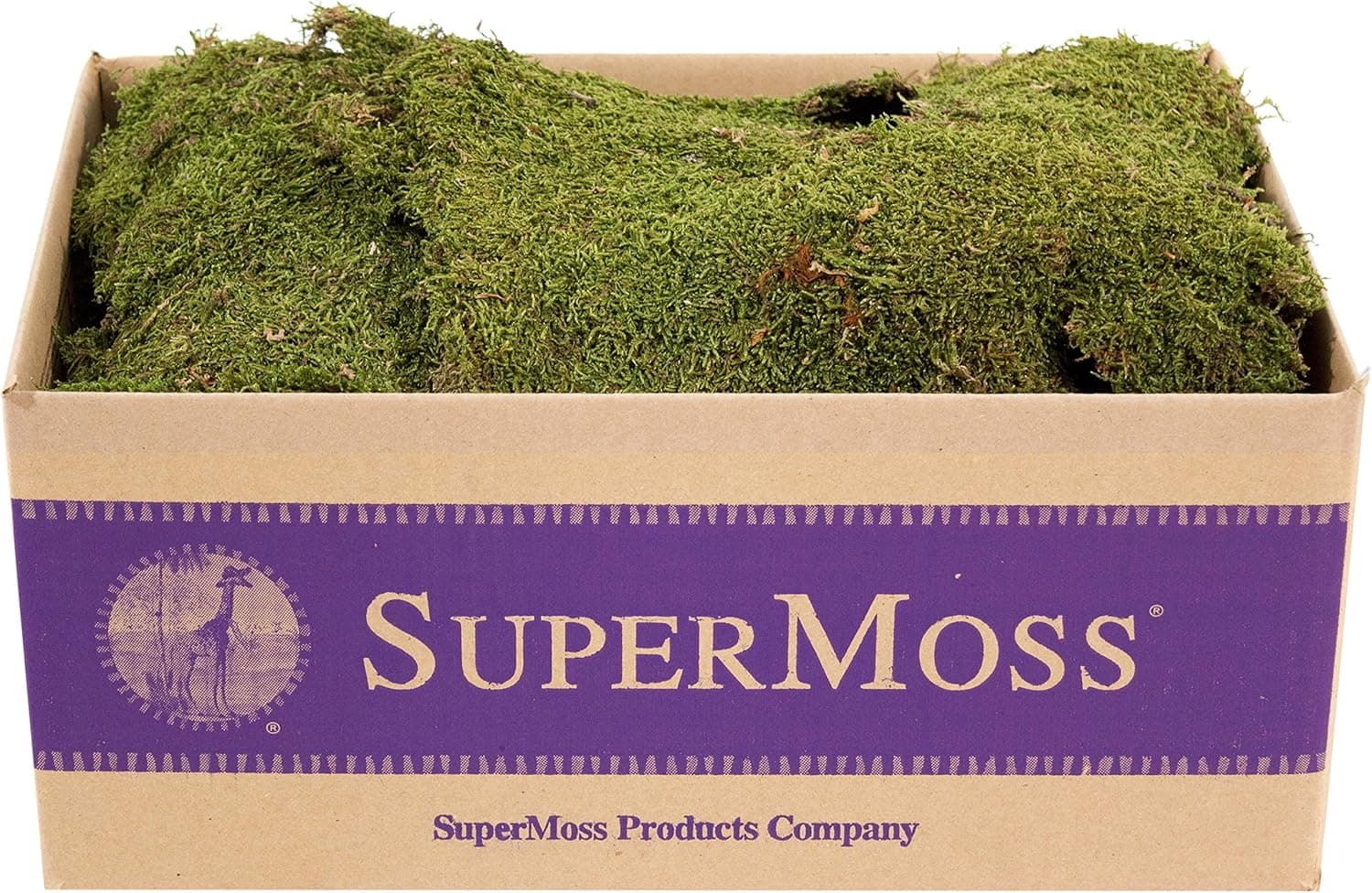
+ 5 pounds covering 20-24 sq ft suits bulk display and event use
From our guide: Best Decorative Moss for Bonsai Display
+ Rosewood has an attractive grain that suits formal displays
From our guide: Best Bonsai Display Stands
Popular right now
- Choosing the Right Bonsai Pot for Your TreeArticle
- Best Raffia and Wrapping for BonsaiBuying guide
- Moss and Accent PlantingArticle
- Best Bonsai Seed KitsBuying guide
- Pinching vs CuttingArticle
- Reviving a Neglected Bonsai Step by StepArticle
Based on the last 28 days of search and visitor data.