Pinching vs Cutting
Published How we research
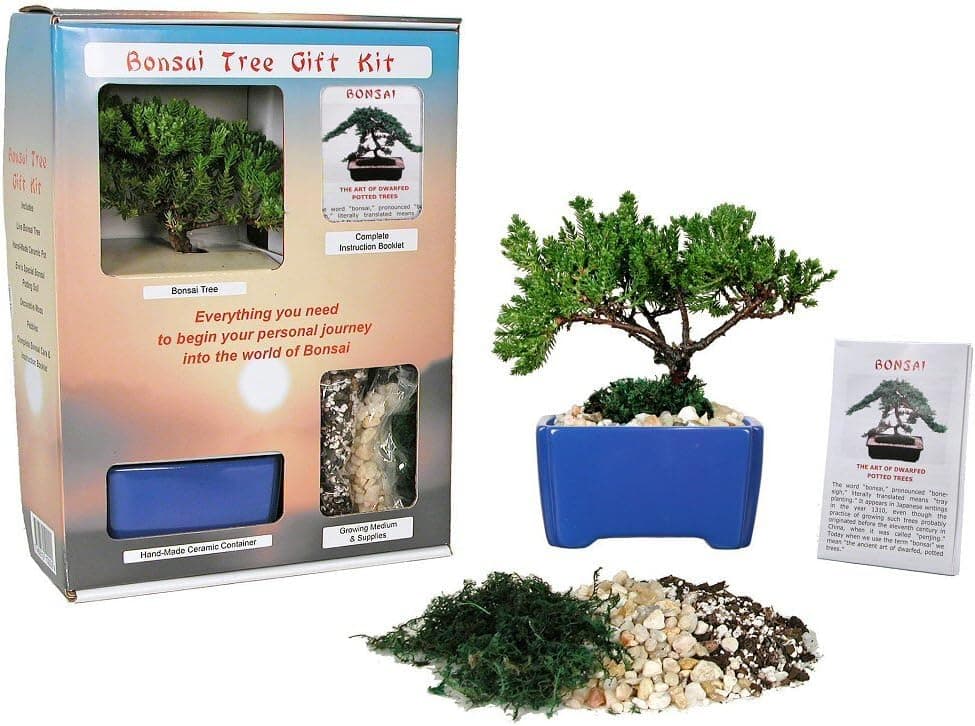
Pinching and cutting both shorten growth, which is why beginners treat them as the same operation performed with different equipment. They are not. Pinching removes soft, unhardened new growth with fingers, usually at the very tip. Cutting removes hardened shoots with a blade, usually back to a chosen point. They send different signals to the tree, suit different species, and belong at different stages of a tree's development. Using the wrong one for years can permanently weaken a tree or stall its progress.
Pinching is a refinement technique. By removing the growing tip of a soft new shoot before it extends, you interrupt apical dominance at that point and encourage the buds behind it to activate. The result is shorter internodes, smaller leaves, and denser twigging. It is precise, gentle, and easy to repeat. On a deciduous tree that already has the branch structure you want, pinching through the growing season steadily builds the fine ramification that makes a bonsai look convincing at a distance.
Cutting is a structural technique. Letting a shoot run, harden, and thicken before cutting it back to one or two nodes allows the branch to gain girth and allows you to choose exactly where the new growth will emerge. This grow-and-cut cycle is how taper is built into branches and how a spindly twig becomes a branch with visible structure. It looks messier along the way than constant pinching, and that untidiness is the point: the extension is what does the thickening.
The critical species distinction concerns conifers. Junipers are commonly ruined by well-intentioned pinching. Repeatedly pinching every tip removes the strongest growth, weakens the interior, and can leave the tree with tired, brown, congested foliage over time. The modern approach for most junipers is to let shoots extend and then remove them selectively with fingers or scissors back into the pad, thinning the foliage so light and air reach the interior, rather than shearing the outer surface. Pines are similar in spirit but have their own specific vocabulary of candle pinching, decandling, and needle plucking, each tied to a particular window in the season.
Development stage matters as much as species. A young tree being grown out for trunk thickness should barely be pinched at all, because unrestricted growth is what adds girth. Pinching a developing tree keeps it small in exactly the way you do not want. Conversely, a refined tree that has reached its intended size does not need long extensions, and letting shoots run on a finished tree coarsens the silhouette and produces long ugly internodes that take years to correct.
The technique details are worth getting right. When pinching, use fingertips or tweezers, take only the softest tip, and do it early while growth is still tender. When cutting, use sharp scissors, cut just above a node or a pair of leaves, and choose the direction the remaining bud faces, because that is where the branch will head next. Cutting back to an outward-facing bud spreads the branch; cutting to an inward one crowds it.
A practical rule covers most situations. If you are still building the tree, cut. If you are refining a tree you are happy with, pinch on deciduous species and thin rather than pinch on conifers. And in either case, balance strength across the tree by working the strong areas harder than the weak ones. Tips at the top and outer edges naturally grow strongest, so cutting those back more aggressively while leaving weaker interior and lower growth alone gradually evens out the tree rather than reinforcing its natural imbalance.
Products from this article
The highest-scoring picks from the buying guides mentioned above. Scores are our editorial assessment, not customer ratings.
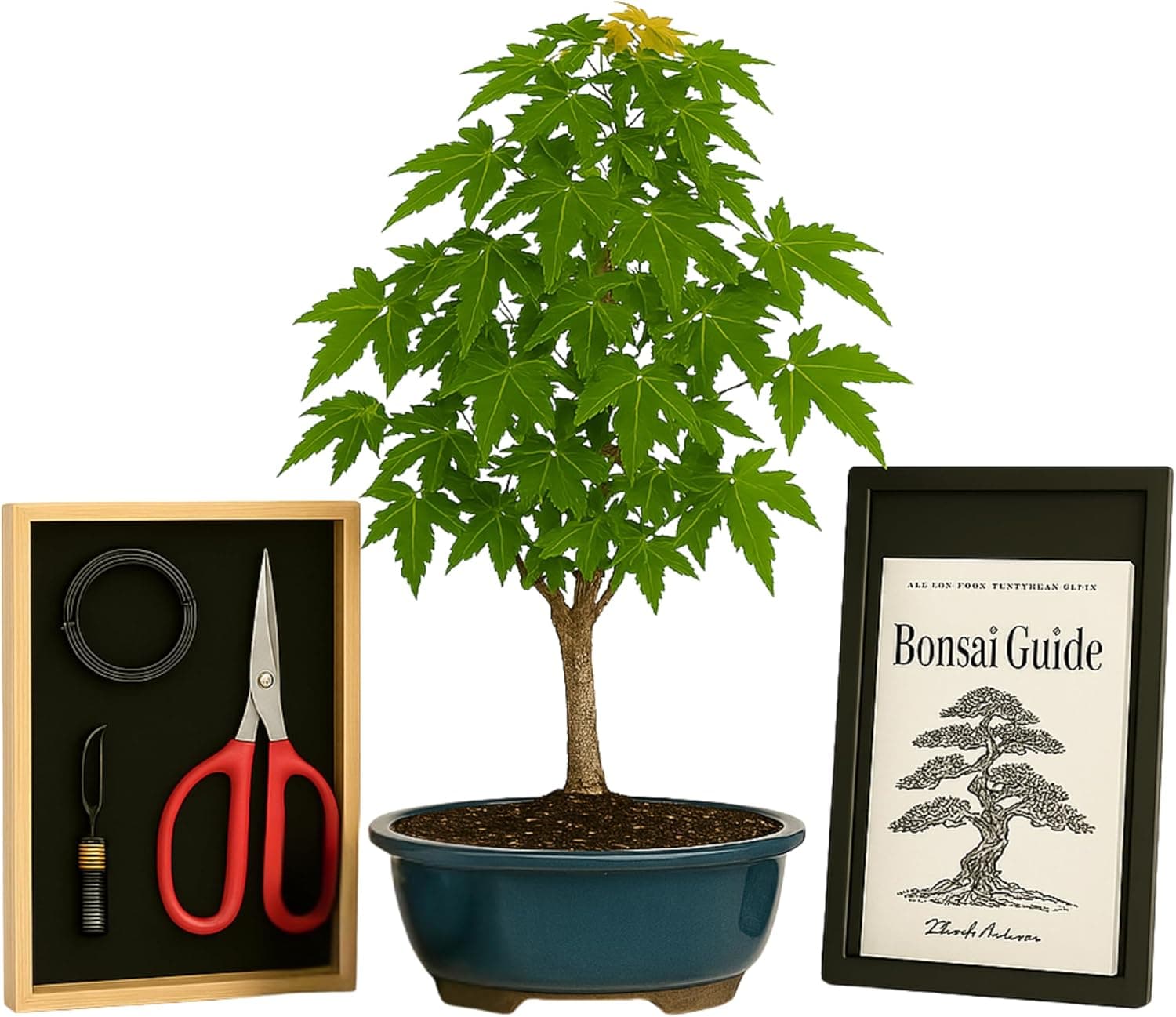
+ Trident maple is a vigorous outdoor species that recovers quickly from pruning
From our guide: Best Bonsai Starter Trees for Beginners
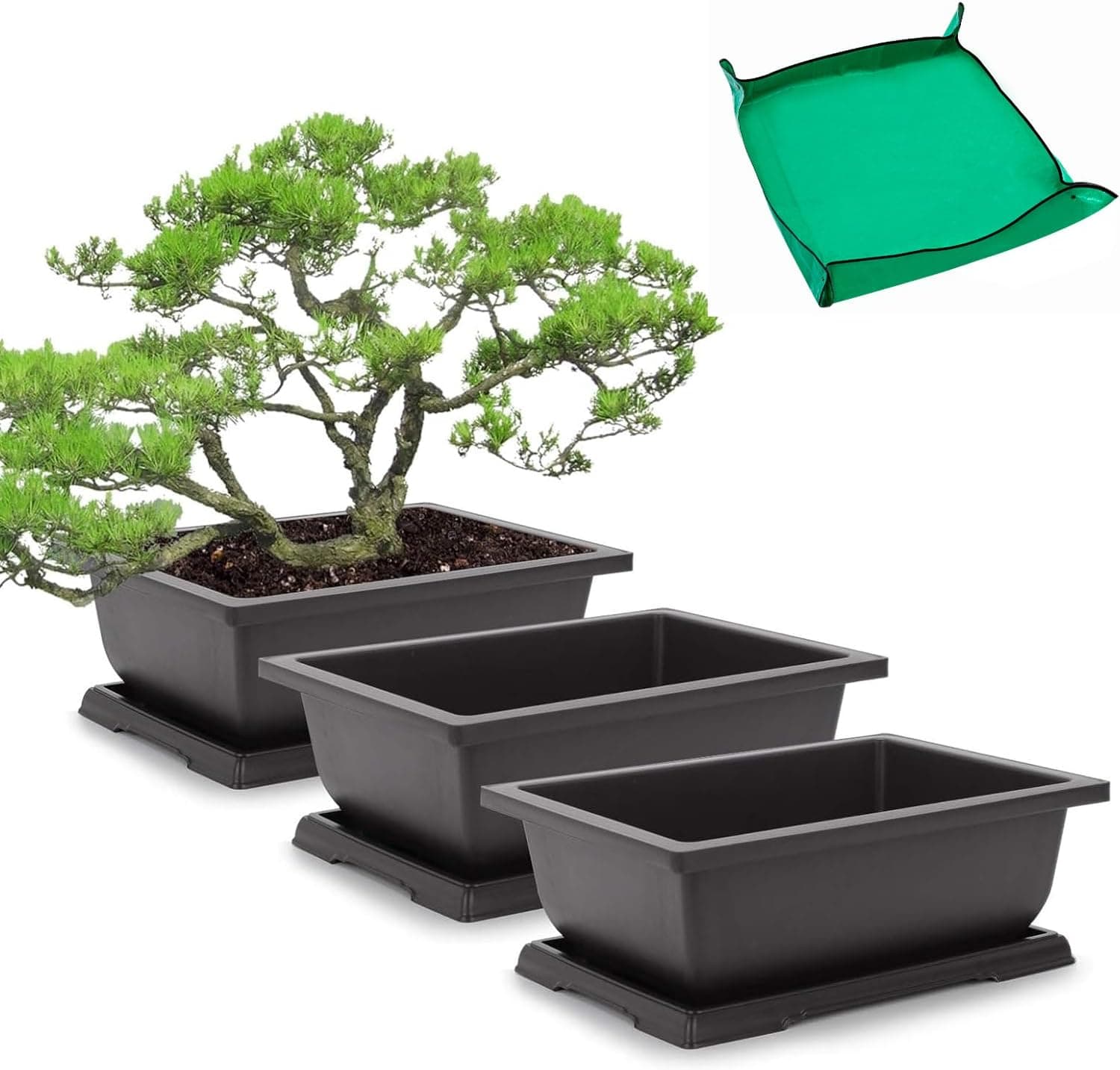
+ Repotting mat keeps soil contained when working indoors
From our guide: Best Bonsai Pots
+ Three-in-one action covers insects, mites and fungus
From our guide: Best Bonsai Pest Treatments
+ Starting with a live juniper skips the long wait of growing from seed
From our guide: Best Bonsai Starter Trees for Beginners

Popular right now
- Choosing the Right Bonsai Pot for Your TreeArticle
- Best Raffia and Wrapping for BonsaiBuying guide
- Bonsai Display and Presentation Basics at Home and at ShowsArticle
- Moss and Accent PlantingArticle
- Best Bonsai Seed KitsBuying guide
- Reviving a Neglected Bonsai Step by StepArticle
Based on the last 28 days of search and visitor data.