Moss and Accent Planting
Published How we research
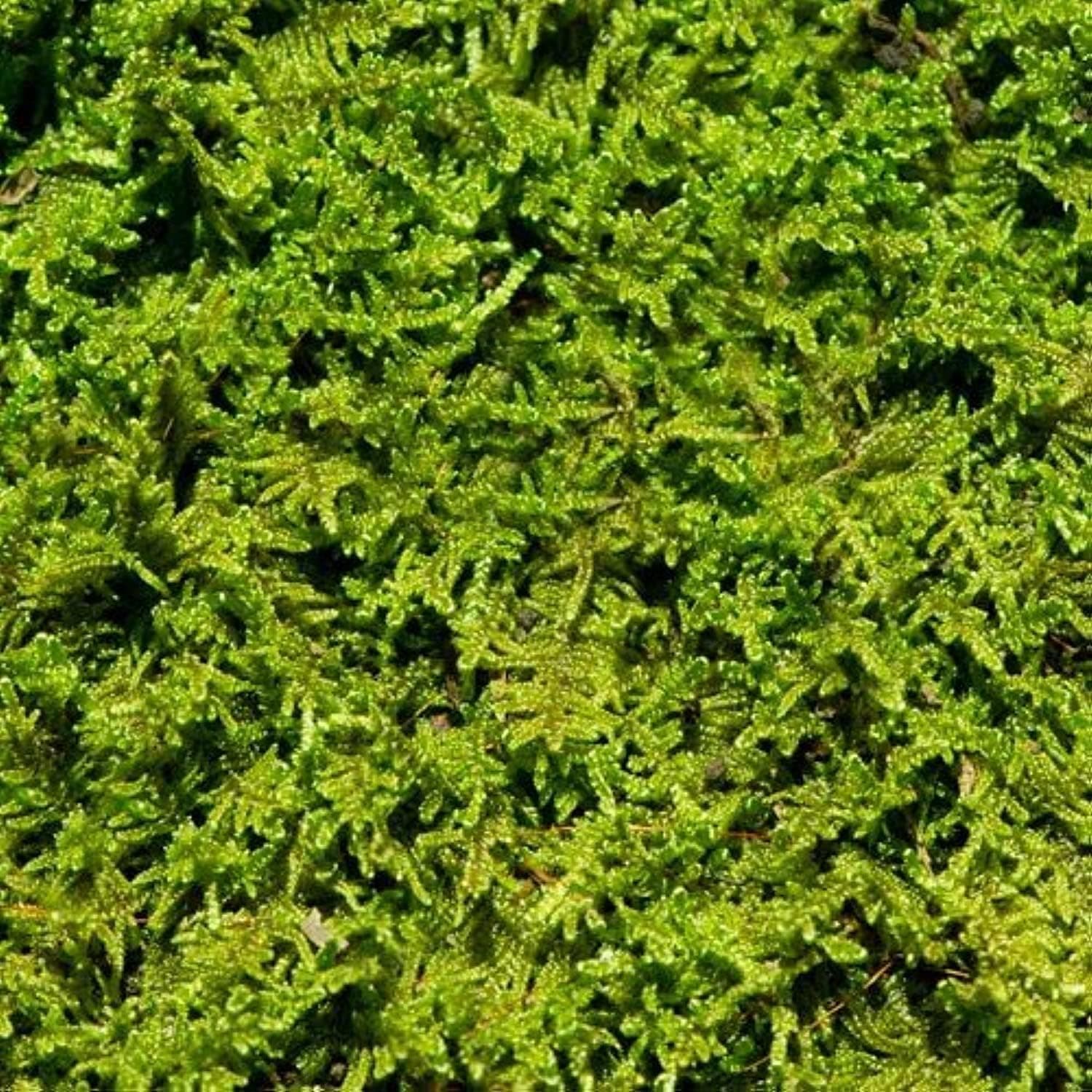
Moss is usually applied for display rather than kept year-round, since a dense carpet holds moisture and slows the gas exchange bonsai soil needs, so establish it a few weeks before a show. Collect fine, low, dense moss from compacted ground rather than spongy woodland moss, and press it down firmly, keeping it back from the trunk base so the nebari stays visible. Accent plants (kusamono) indicate season and setting, chosen to be smaller, quieter, and different in form from the tree, placed low and to one side. Both moss and accents should serve the tree rather than compete with it. Moss and accent plants are the last layer of a bonsai composition, and they do a surprising amount of work. Moss covers bare soil, holds the surface in place, and provides the sense of a settled ground plane that makes a tree look established rather than freshly potted. An accent plant sitting beside the tree in a small separate pot adds season, scale and a note of contrast. Both are easy to overdo, and both should serve the tree rather than compete with it.
Moss is applied for display, not kept year round
Moss is generally applied for display rather than kept year round, and the reason is practical. A dense moss carpet holds moisture at the soil surface, hides how wet or dry the soil actually is, and can slow the gas exchange that granular bonsai soil exists to provide. On a tree that is being actively developed, permanent moss is a liability. The usual practice is to establish moss a few weeks before a show or when you want the tree to look its best, and to keep the surface open the rest of the time.
Collecting moss is straightforward if you choose carefully
Collecting moss is straightforward if you choose carefully. Look for fine, low, dense species growing on compacted ground, paths, walls and gravel rather than the deep spongy kinds from woodland floors, which look out of scale and hold far too much water. Moss growing in conditions similar to where your tree lives will adapt best. Lift it in sheets with a thin layer of substrate attached, keep it damp, and use it fresh if you can.
Application: press it down firmly and keep it back from the base
Application is simple. Clear loose debris from the soil surface, level it, and press the moss down firmly so it makes full contact, since moss that sits proud dries out and dies. Trim the edges neatly and keep the moss slightly back from the trunk base so the nebari stays visible; covering the root flare hides the feature that most conveys age. Mist regularly for the first couple of weeks while it establishes. Many growers also propagate moss by drying collected pieces, crumbling them to a powder, and sprinkling that over damp soil, which spreads slowly but produces a very fine even carpet.
Accent plants indicate the season and setting
Accent plants, known as kusamono or shitakusa depending on how they are used, are small plantings displayed alongside a bonsai. Typical choices include grasses, sedges, ferns, wild flowers, small bulbs, and creeping perennials, usually in a modest pot chosen not to draw attention. Their job is to indicate the season and the setting: a spring flower beside a tree in fresh leaf, a seed head or autumn grass beside a tree turning colour. Because they change through the year while the tree changes slowly, they carry a lot of the seasonal narrative in a display.
Choosing an accent is mostly about restraint and contrast
Choosing an accent is mostly about restraint and contrast. It should be clearly smaller and visually quieter than the tree, so a bold flowering plant beside a subtle conifer usually fails. It should suggest the same environment: a wetland sedge next to a mountain pine sends mixed signals. And it should differ in form from the tree, so an upright grass complements a spreading canopy while a mounded plant suits a tall slender literati. In display, the accent is placed low and to one side, angled so that the composition leads the eye toward the tree rather than away from it.
Accent plants become a rewarding hobby of their own
Grown well, accent plants become a small hobby of their own, and many people find them a welcome contrast to the decade-long timescales of bonsai. A pot of grass can be assembled in an afternoon and look complete in a season. That immediacy is worth having alongside trees that measure their progress in years, and it sharpens your eye for composition in a way that carries directly back to the trees themselves.
Frequently asked questions
Should moss be left permanently on a bonsai? Not on a tree being actively developed. Permanent moss holds moisture at the surface and slows gas exchange, so the usual practice is establishing it a few weeks before a show and keeping the surface open otherwise.
What kind of moss is best for bonsai? Fine, low, dense species growing on compacted ground, paths, walls, and gravel, rather than deep spongy woodland moss, which looks out of scale and holds too much water.
Why should moss be kept away from the trunk base on a bonsai? Covering the root flare hides the nebari, the feature that most conveys age, so moss should be trimmed and kept slightly back from the trunk base.
What makes a good accent plant for a bonsai display? It should be clearly smaller and visually quieter than the tree, suggest the same environment, and differ in form from the tree, so an upright grass complements a spreading canopy rather than competing with it.
Products from this article
The highest-scoring picks from the buying guides mentioned above. Scores are our editorial assessment, not customer ratings.
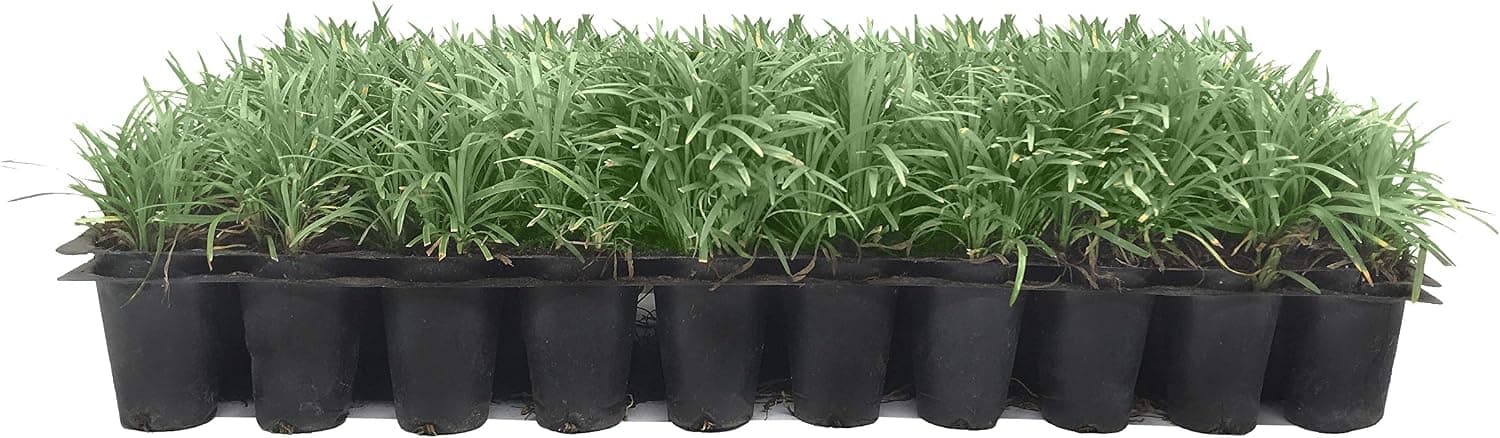
+ 20 live plants give plenty of divisions for accent pots
From our guide: Best Accent Plants and Kusamono
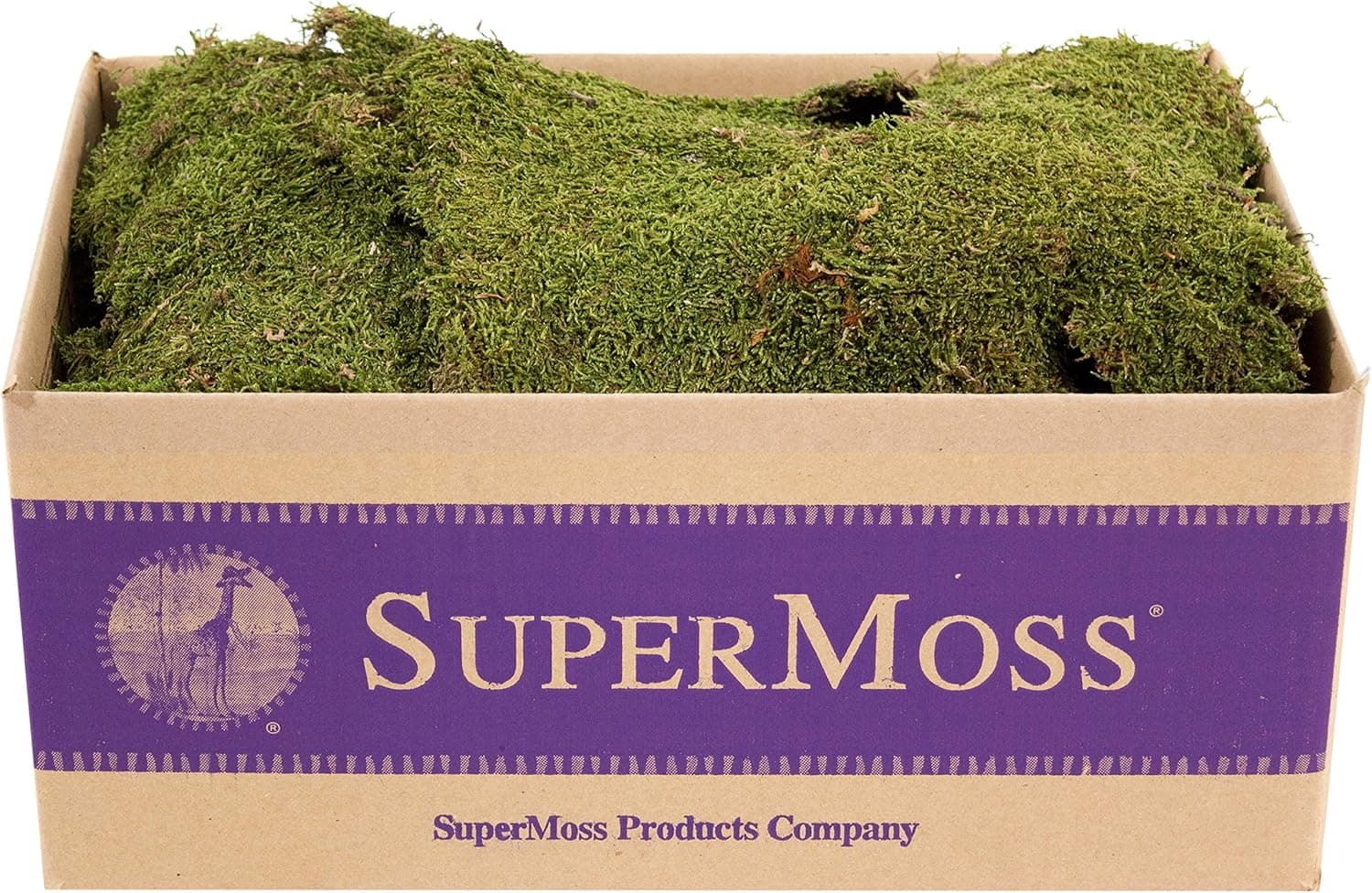
+ 5 pounds covering 20-24 sq ft suits bulk display and event use
From our guide: Best Decorative Moss for Bonsai Display
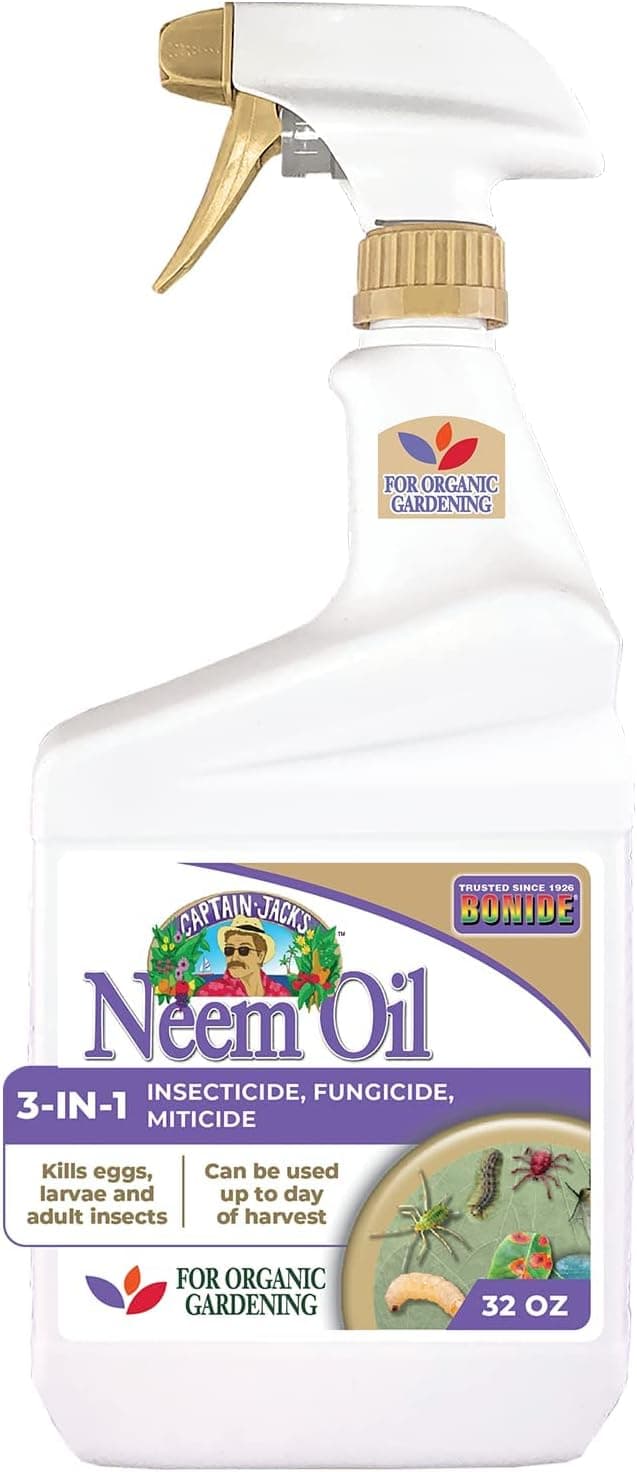
+ Three-in-one action covers insects, mites and fungus
From our guide: Best Bonsai Pest Treatments
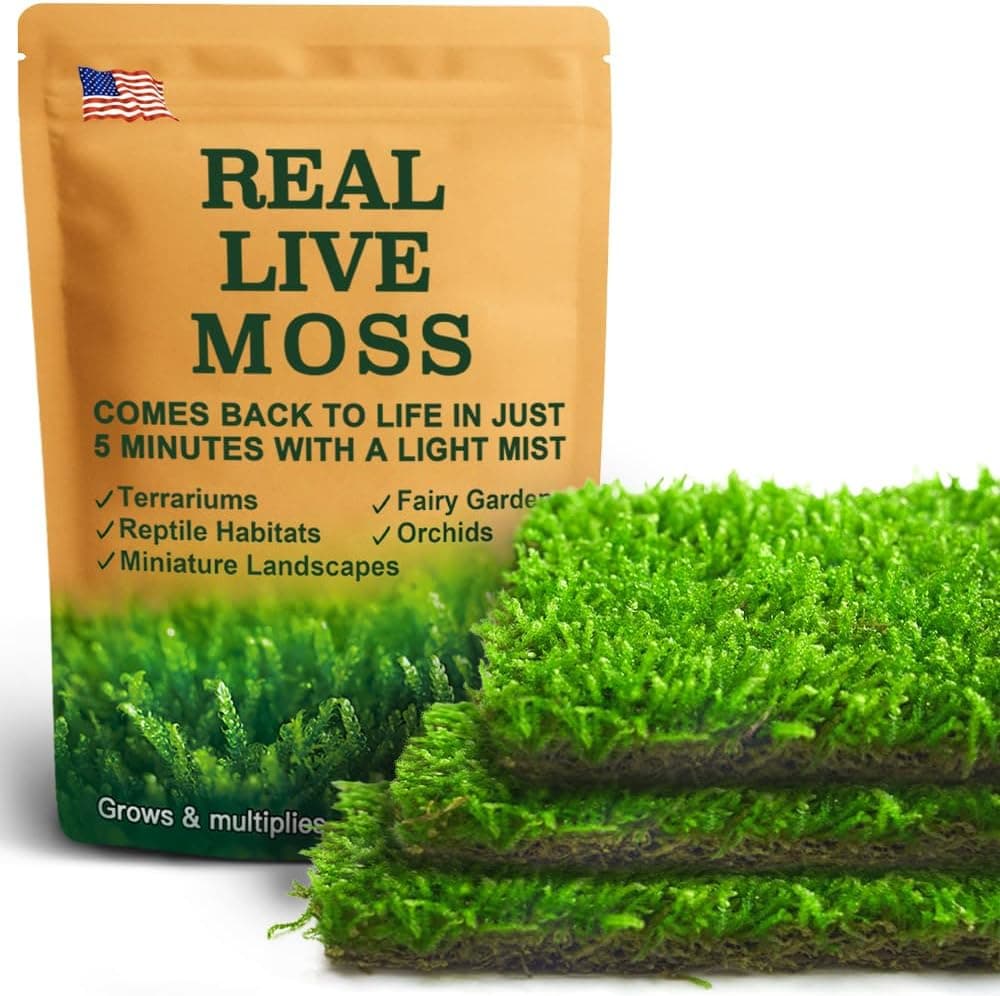
+ 3-pack of 3.5x7in pieces is sized well for covering small bonsai pots
From our guide: Best Accent Plants and Kusamono
Popular right now
- Choosing the Right Bonsai Pot for Your TreeArticle
- Best Raffia and Wrapping for BonsaiBuying guide
- Bonsai Display and Presentation Basics at Home and at ShowsArticle
- Best Bonsai Seed KitsBuying guide
- Pinching vs CuttingArticle
- Reviving a Neglected Bonsai Step by StepArticle
Based on the last 28 days of search and visitor data.