Flowering Bonsai Species: When Each One Blooms and How to Keep the Flowers
Published How we research
Yes, bonsai trees flower, but only if the species is a flowering one and you prune it at the right time of year. Azalea, flowering quince, cherry, crabapple, wisteria, pomegranate, bougainvillea, Fukien tea, serissa and gardenia all bloom in a pot. The two things that decide whether you see flowers are whether the species sets its buds on last year's wood or on this year's new shoots, and whether it gets the light and, for temperate trees, the winter cold it needs. The chart below sorts the common species by those points.
Products from this article
The highest-scoring picks from the buying guides this article links to. Scores are our editorial assessment, not customer ratings.
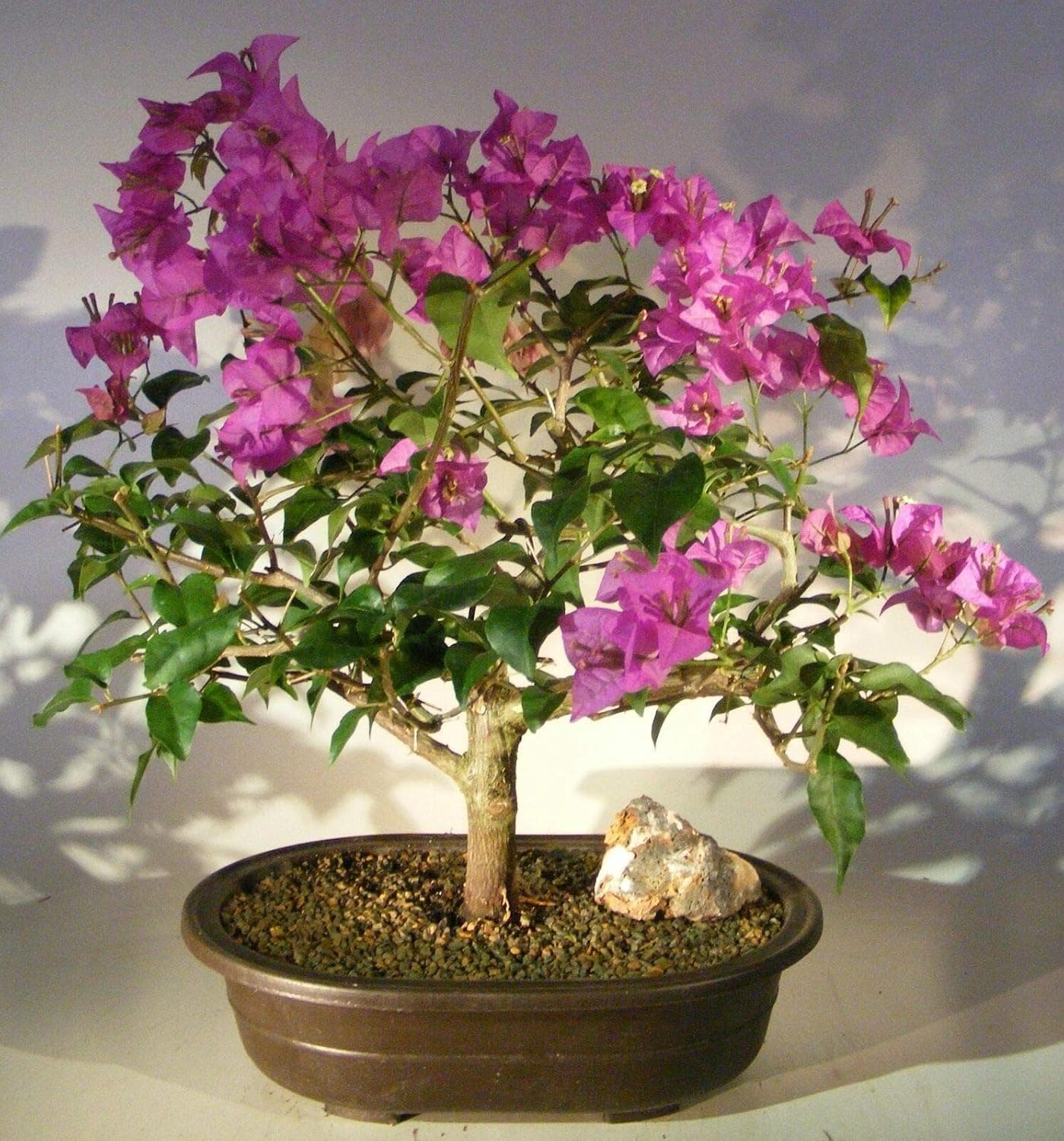
+ Pink Pixie bougainvillea gives vivid bracts that few bonsai species can match
From our guide: Best Flowering Bonsai Trees
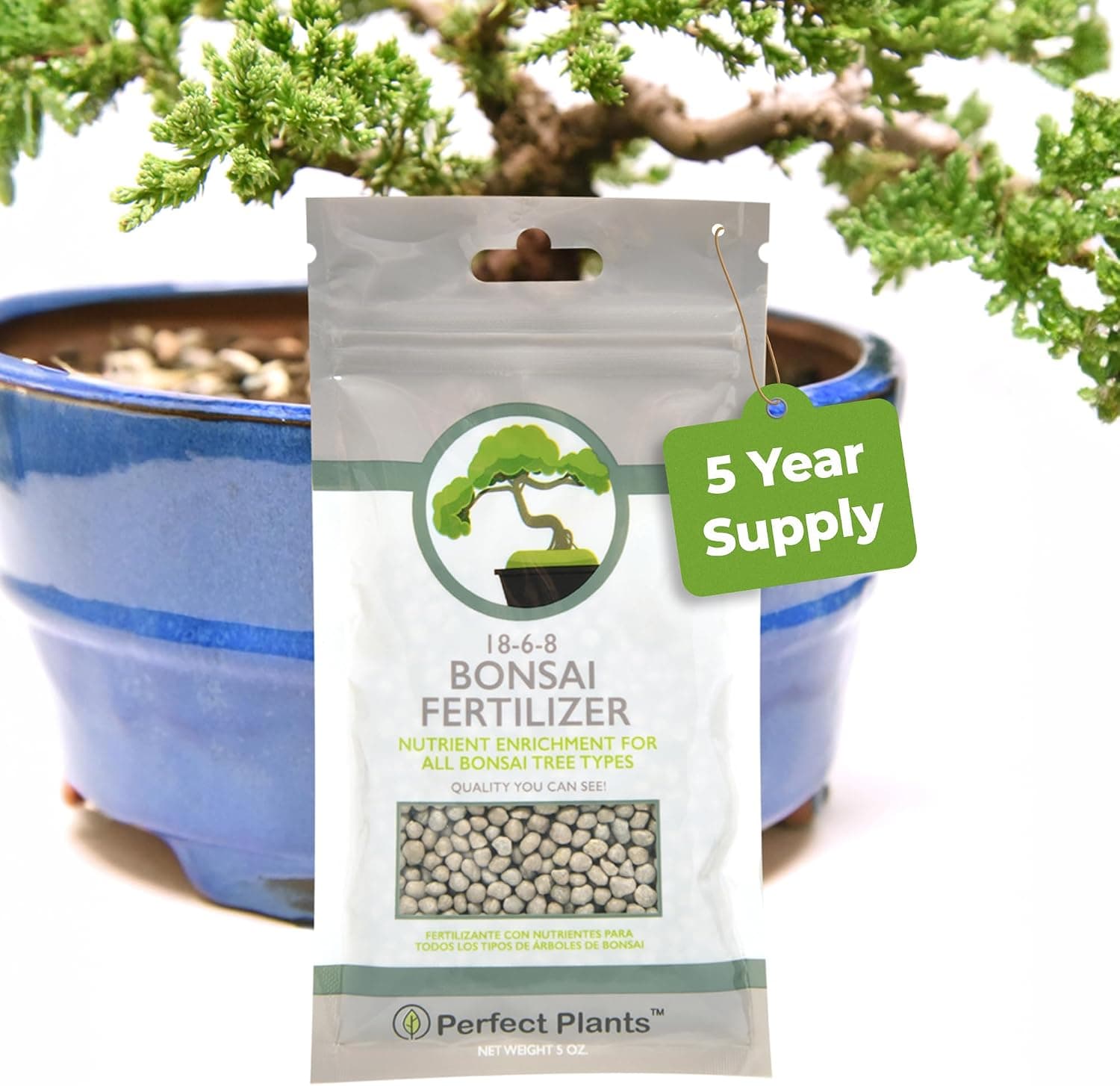
+ 5 year supply claim suggests very low yearly cost
From our guide: Best Bonsai Fertilizers
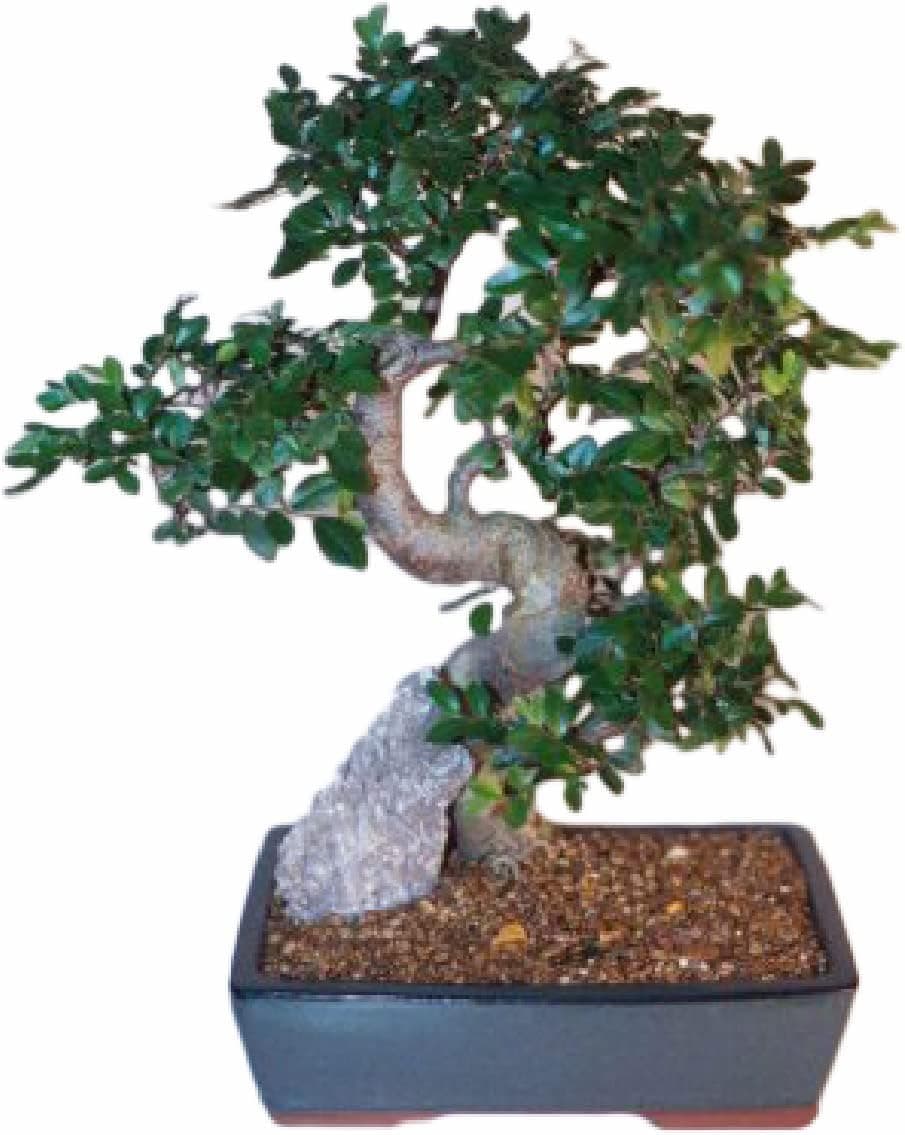
+ Curved trunk and 14 years of growth give a mature, styled appearance
From our guide: Best Indoor Bonsai Trees
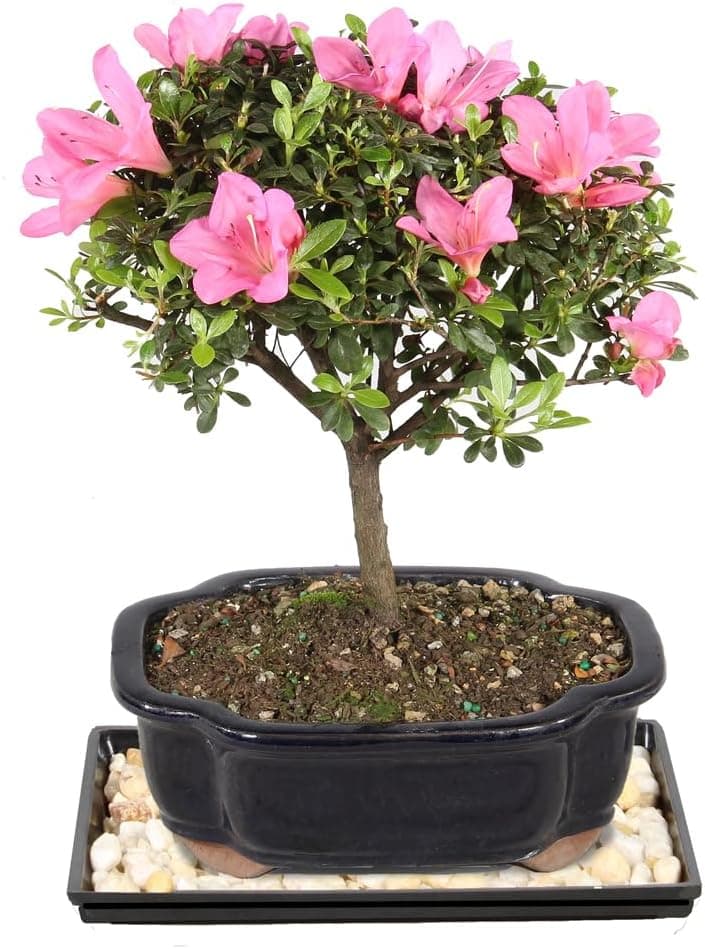
+ Medium size shows off more flowers than the small version
From our guide: Best Outdoor Bonsai Trees
Old wood or new wood: the rule that decides pruning
Most spring-flowering bonsai form next year's flower buds during the previous summer and autumn. Azalea, flowering quince, Japanese flowering apricot, cherry, crabapple and wisteria all work this way. If you cut these trees back hard in late summer, autumn or winter, you remove the buds and get a tree full of leaves the next spring. The working rule is simple: do the main pruning and pinching right after the flowers fade, then let the tree grow and set buds for the rest of the season.
Summer-flowering species bloom on shoots that grow in the same year. Pomegranate, crape myrtle and bougainvillea are the usual examples. With these you do structural pruning in late winter or early spring, then let the new shoots extend until the flowers appear at or near their tips. Pinching every new shoot as soon as it appears, the way you would on a juniper or an elm, removes exactly the growth that would have carried flowers.
Learn to tell flower buds from leaf buds on your own tree. On quince, apricot and crabapple the flower buds are noticeably fatter and rounder than the slim leaf buds, and they often sit on short spurs. On azalea the flower bud is the plump bud at the shoot tip. Once you can spot them, you can thin and tidy in autumn without cutting off the display.
Bloom time chart: temperate outdoor species
Flowering quince (Chaenomeles): late winter to early spring, flowers open on bare branches before or with the first leaves. Flowers on old wood, often on short spurs. Very cold hardy and one of the easiest flowering bonsai for northern growers. Prune right after flowering; in autumn only shorten long shoots that carry no fat buds.
Japanese flowering apricot (Prunus mume): late winter, often the first tree to bloom in the collection, with a scent. Old wood. Prune back hard right after flowering, because it blooms on the shoots that grow after that cut.
Flowering cherry (Prunus species): spring. Old wood, spurs. Cherry wounds heal slowly and the trees resent heavy cuts, so keep pruning modest and do it after bloom.
Crabapple (Malus): spring flowers, then small fruit in late summer and autumn. Old wood and spurs. Many varieties set fruit better with another crabapple or apple flowering nearby. If you want fruit, thin it to a few per branch so the tree does not exhaust itself.
Satsuki azalea (Rhododendron indicum and hybrids): late spring to early summer, later than most garden azaleas, often May to June. Flower buds form on the shoot tips after bloom. Remove spent flowers and the small seed pods behind them, then prune and pinch straight away. Needs acidic, free-draining soil; kanuma is the traditional choice. Keep water off open flowers, which spot and rot when wet.
Wisteria: spring, with long hanging racemes. Flowers on short spurs of old wood. Grafted or cutting-grown plants flower far sooner than seedlings, which can go many years without a bloom. Very thirsty and vigorous in summer: cut long whippy shoots back to a few leaves through the growing season and keep heavy nitrogen feeding away from it.
Bloom time chart: summer bloomers and indoor flowering bonsai
Pomegranate (Punica granatum, dwarf forms such as 'Nana'): summer, orange-red flowers at the ends of the current year's shoots, then small fruit. Prune in late winter or early spring, then let shoots run until buds show. Outdoors in summer; it takes only light frost, so it needs a frost-free winter spot in cold zones.
Crape myrtle (Lagerstroemia): mid to late summer, flowers on new wood. Outdoor tree with smooth, peeling bark that looks good even out of bloom. Prune in late winter, then leave the spring growth alone until it flowers.
Bougainvillea: warm season, in flushes. The color comes from papery bracts around tiny true flowers. Blooms on new growth when it gets full sun and warmth; a shaded or dim indoor spot stops it flowering. Many growers let the soil dry slightly more between waterings once the tree is established, which tends to favor bloom over leaf. Thorny, so wear gloves when pruning.
Fukien tea (Carmona or Ehretia microphylla): small white flowers on and off through the year, followed by small berries that ripen from green to red or dark. Tropical, so it lives indoors in winter in most of the US. Keep it in strong light and out of drafts; it reacts to sudden changes by dropping leaves.
Serissa (Serissa japonica): small white flowers mainly from spring to summer, sometimes sporadically at other times. Indoor or sheltered tree that dislikes being moved and sulks by shedding leaves.
Gardenia: fragrant white flowers in late spring and summer. Acid-loving like azalea. Buds drop when watering swings between wet and dry or when the air is very dry, so steady care matters more than with most species.
Why a flowering bonsai does not bloom
Wrong pruning time is the most common cause. If a spring bloomer was cut back in autumn or winter, the buds went with the cuttings. If a summer bloomer was pinched all through spring, it never had shoots long enough to flower. Check the old wood or new wood rule for your species before changing anything else.
Light is the second cause. Flowering species need more light than foliage bonsai. Temperate trees should spend the growing season outdoors in sun, with afternoon shade for azalea in hot regions. Indoors, a south-facing window is often not enough for bougainvillea or Fukien tea through the winter, and a grow light run for 12 to 14 hours a day makes a clear difference to tropical trees.
Temperate species also need a real winter. Quince, apricot, cherry, crabapple, wisteria and azalea need a period of cold dormancy to bloom well. Kept indoors in a warm room all winter, they weaken and flower poorly if at all. Protect the roots from hard freezes, but let the tree feel the season.
Age and origin matter too. Seed-grown trees can take several years before their first flowers, wisteria often much longer, while cutting-grown and grafted nursery stock usually flowers within a season or two. Finally, a lot of high-nitrogen fertilizer pushes long leafy shoots at the expense of buds, and a heavy repot just before the bloom season can cost you that year's flowers.
Feeding and watering around the bloom
Feed flowering bonsai through the growing season like any other tree, but watch the nitrogen. Many growers use a balanced or lower-nitrogen fertilizer on flowering species from midsummer, when spring bloomers are forming next year's buds. Avoid feeding heavily while the tree is in full flower; restart after flowering, when the tree is rebuilding its energy and pushing new shoots.
Use an acid-loving plant fertilizer for azalea and gardenia, since standard feeds and hard tap water slowly raise the soil pH and the leaves turn yellow between the veins. Organic pellets placed on the soil surface release slowly and are a common choice for outdoor flowering trees through spring and early autumn.
Water at the soil, not over the flowers, while the tree is in bloom. Wet azalea and cherry petals brown quickly. A tree in full flower and fruit also uses more water than usual, so check the soil daily in warm weather; letting a flowering tree wilt once can make it drop open flowers and buds.
Frequently asked questions
Do all bonsai trees flower? Every tree species that flowers in nature can flower as a bonsai, but many popular species have tiny, inconspicuous flowers. Junipers and pines produce cones rather than showy flowers, and maples and elms have small flowers most people never notice. Grow a flowering species if bloom is the point.
Which flowering bonsai is easiest for a beginner? For an outdoor tree in a cold climate, flowering quince is hardy and forgiving. For indoor growing, Fukien tea flowers on and off all year if it gets enough light, although it dislikes drafts and sudden moves. Satsuki azalea gives the biggest display but needs acidic soil and careful timing.
Should I remove the flowers or fruit? On azalea, remove spent flowers and seed pods as they fade, because seed production costs the tree energy. On crabapple, pomegranate and quince, keep a few fruits if you like the look and remove the rest, especially on a young or weak tree.
Can I prune a flowering bonsai while it is in bloom? Light tidying is fine, but the main pruning for spring bloomers should wait until just after the flowers drop. That timing gives the tree the rest of the season to grow and set next year's buds.
Popular right now
- Common Bonsai Styles Explained and When to Use ThemArticle
- Bonsai Wire Gauge ChartArticle
- How to Bring Tropical Bonsai Indoors for WinterArticle
- One-third rule explainedGlossary
- Guy wire anchoring explainedGlossary
- Best Bonsai Tool SetsBuying guide
Based on the last 28 days of search and visitor data.