Why Your Ficus Bonsai Is Losing Leaves and How to Help It
Published How we research
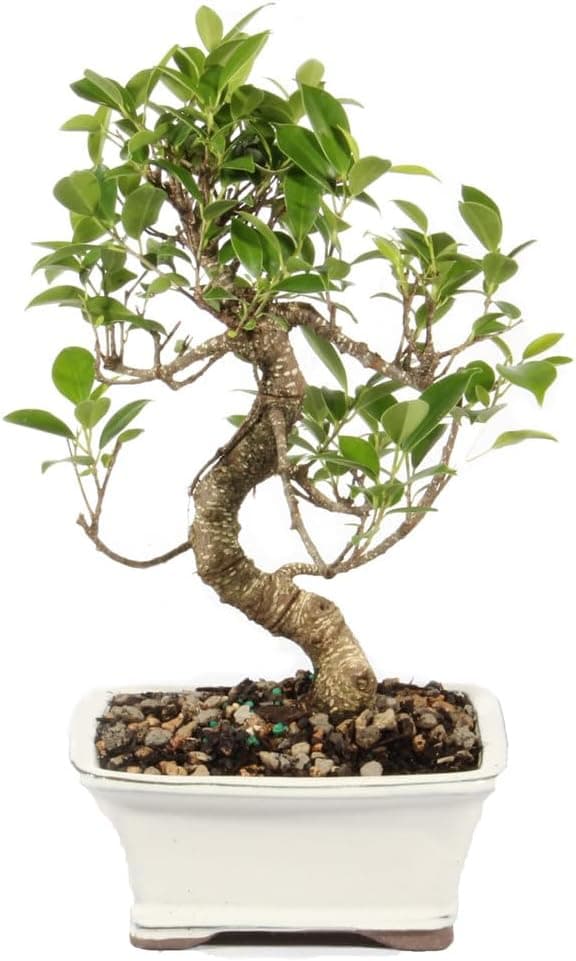
Ficus is one of the most popular indoor bonsai trees because it tolerates household conditions better than most species. Even so, many owners watch in dismay as leaves turn yellow and drop, sometimes within days of bringing a tree home or moving it to a new spot. Ficus drops leaves as a stress response, and the cause is usually a change in light, watering or temperature. The good news is that healthy ficus trees recover well once conditions settle.
Why ficus trees drop leaves
Ficus trees adapt their leaves to the light they receive. When light levels change suddenly, for example moving from a bright greenhouse or garden centre into a living room, the tree may shed leaves that no longer suit its new conditions and grow new ones adapted to lower light.
Leaf drop can also be triggered by overwatering, underwatering, cold drafts, dry air from heating and repotting stress. Looking at when the drop started and what changed around that time usually points to the cause.
Give it enough light
Indoor light is much weaker than outdoor light, even near a window. Place ficus bonsai in the brightest location available, ideally close to a south or west-facing window in the Northern Hemisphere, and avoid dark corners.
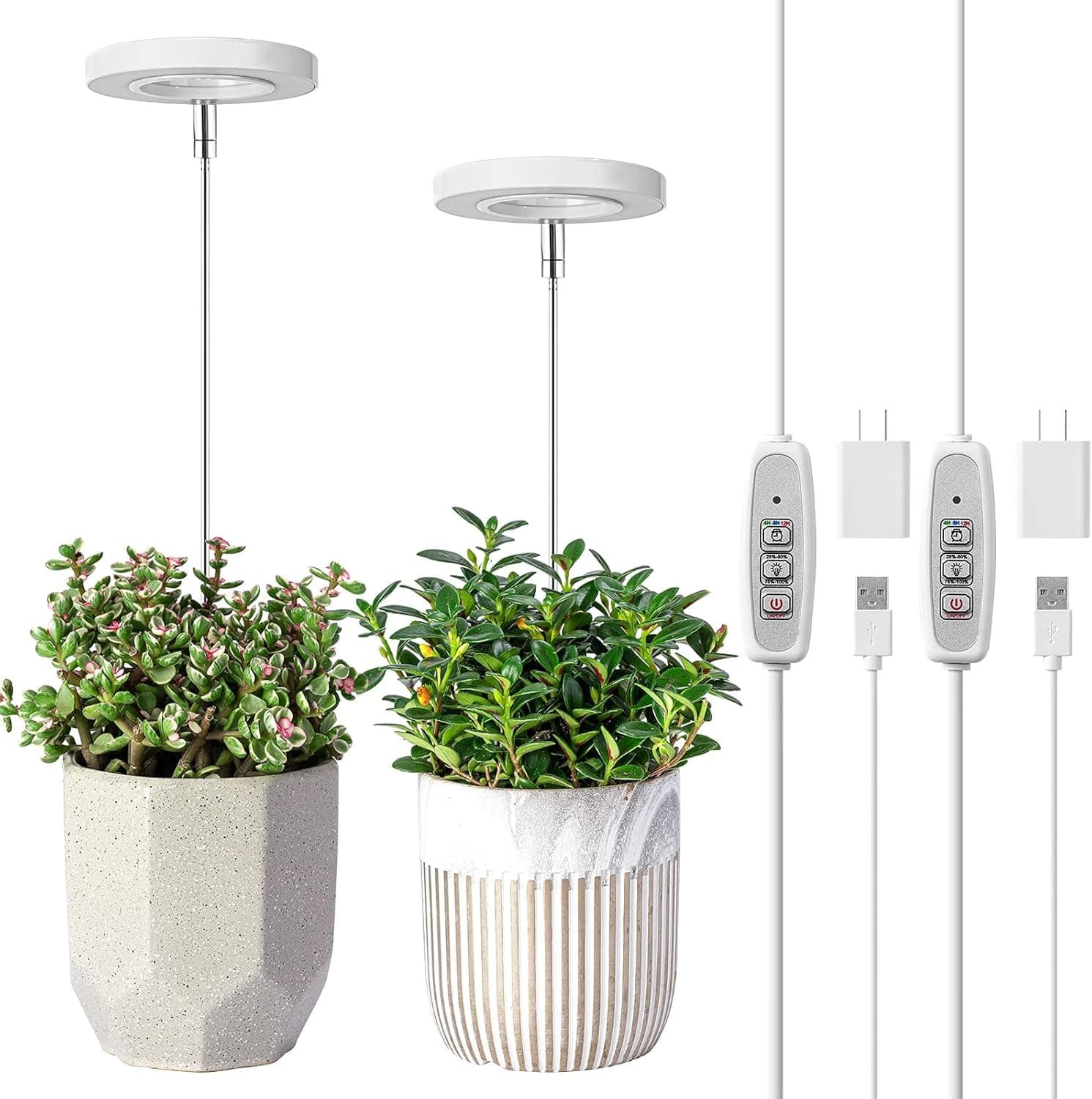
In autumn and winter, daylight becomes short and weak, and many ficus trees benefit from a grow light placed above the canopy. Keep the tree in the same spot once it adjusts, since frequent moves cause repeated leaf drop.
Water correctly
Overwatering is a leading cause of yellow leaves and leaf drop, especially in dense soil that stays wet. Water thoroughly when the top layer of soil begins to feel slightly dry, rather than on a fixed schedule.
Underwatering also causes leaves to wilt and fall. Check the soil daily with a finger or moisture meter, particularly in warm heated rooms where soil dries quickly.
Avoid drafts and heat sources
Cold drafts from doors and windows or hot air from radiators and heating vents stress ficus trees. Move the tree away from these sources while keeping it in good light.
Sudden temperature changes, such as a cold window at night, can trigger leaf drop. Stable conditions help the tree recover.
Increase humidity
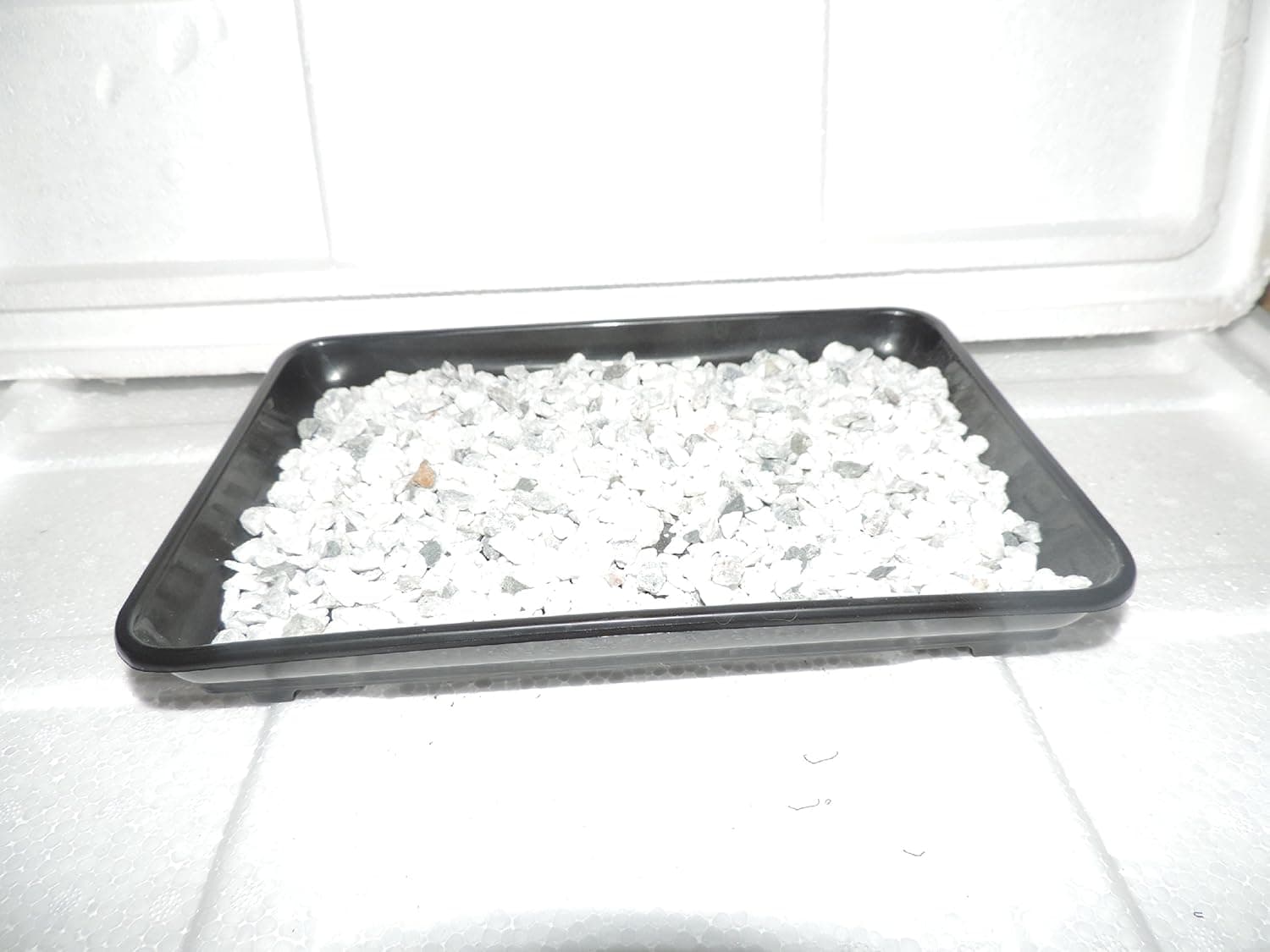
Indoor heating dries the air, causing leaves to dry and fall. A humidity tray filled with gravel and water under the pot raises local humidity.
Grouping plants together and occasional misting can help, but humidity trays and good watering are more reliable. Avoid letting the pot sit directly in water.
Be patient during recovery
Once conditions are stable, ficus trees usually push new leaves within a few weeks. Avoid heavy pruning, repotting or fertilising a stressed tree.
Resume normal care when new growth appears. Healthy roots and consistent light are the foundation for a full canopy.
Products from this article
The highest-scoring picks from the buying guides mentioned above. Scores are our editorial assessment, not customer ratings.
+ Ficus tolerates indoor conditions far better than juniper, so it suits apartments
From our guide: Best Ficus Bonsai Trees
+ 2 lights cover two trees or one tree from both sides
From our guide: Best Grow Lights for Bonsai
+ Pebbles are included, so the tray works as a humidity tray right away
From our guide: Best Humidity Trays for Bonsai
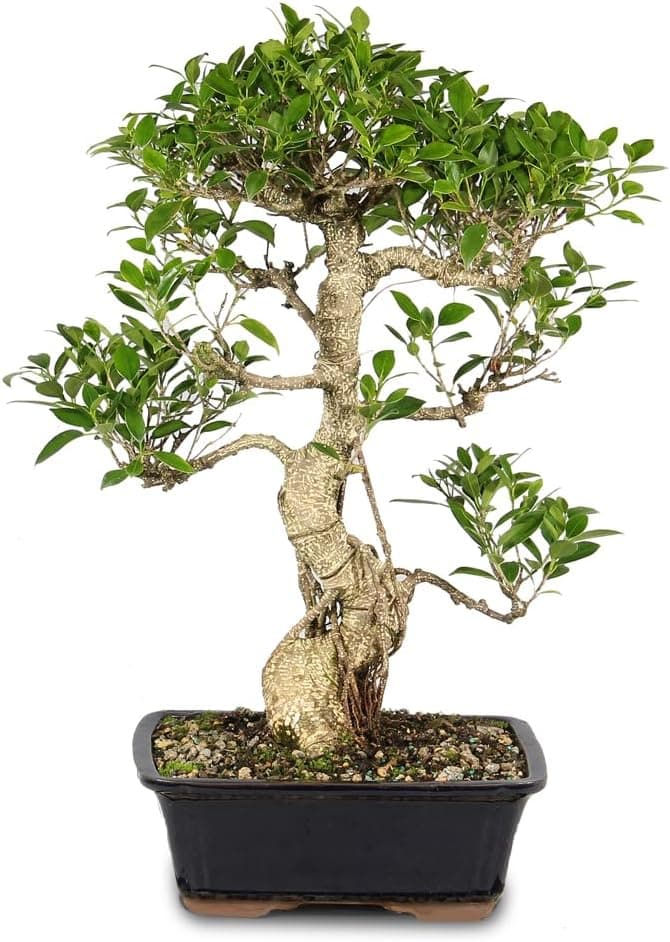
+ Ficus tolerates indoor light and dry air better than most bonsai species
From our guide: Best Ficus Bonsai Trees
Popular right now
- Choosing the Right Bonsai Pot for Your TreeArticle
- Best Raffia and Wrapping for BonsaiBuying guide
- Bonsai Display and Presentation Basics at Home and at ShowsArticle
- Moss and Accent PlantingArticle
- Best Bonsai Seed KitsBuying guide
- Pinching vs CuttingArticle
Based on the last 28 days of search and visitor data.