Dealing With Common Bonsai Pests Before They Take Hold
Published How we research
Pests find bonsai the same way they find any other plant, but a small tree in a small pot has less margin for error. An aphid colony that a garden shrub would outgrow can noticeably weaken a bonsai, and a spider mite infestation on an indoor ficus can strip it in weeks. The good news is that the common offenders are few, easy to identify once you know what to look for, and mostly manageable without anything drastic.
Spider mites are the most frequent problem, especially on indoor trees and on junipers in hot dry weather. They are barely visible to the naked eye, so you usually notice the symptoms first: foliage that looks dull, dusty or faintly speckled, losing colour overall rather than in patches. Fine webbing between shoots appears in heavier infestations. The reliable test is to hold a sheet of white paper under a branch and tap it, then look for tiny moving specks. Mites thrive in hot, dry, still air, so raising humidity, improving airflow and periodically spraying the foliage with plain water suppresses them considerably. For active infestations, insecticidal soap or horticultural oil applied thoroughly, including the undersides of leaves, and repeated at intervals to catch newly hatched mites, is the standard treatment.
Scale insects look less like insects than like small brown or white bumps stuck to bark and stems, and they do not move once settled. They feed on sap and excrete a sticky honeydew, so the first sign is often a shiny sticky residue on leaves or the surface below the tree, sometimes with black sooty mould growing on it. Light infestations can be scraped off with a fingernail or a soft brush and dabbed with rubbing alcohol on a cotton bud. Heavier ones need horticultural oil, which works by smothering, and repeat applications because the protective shell resists most contact sprays.
Aphids cluster on soft new shoots and flower buds in spring, are visible without magnification, and come in green, black and other colours. They multiply fast but are among the easiest pests to remove: a strong jet of water knocks them off, and insecticidal soap deals with what remains. They also produce honeydew, and a sudden appearance of ants marching up a trunk usually means aphids or scale above, since ants farm them for the sugar.
Mealybugs appear as small white cottony masses in leaf joints and around the base of shoots, and are common on indoor trees. Like scale, they respond to alcohol on a cotton bud for small outbreaks and to oil sprays for larger ones. Fungus gnats, the small dark flies that hover around the soil surface, are mostly a nuisance rather than a threat, but their presence is a useful diagnostic: they breed in persistently wet organic material, so an infestation usually means the soil is staying too wet or contains too much organic matter. Letting the surface dry between waterings normally ends the problem.
Vine weevil deserves a mention because it is the one that kills without warning. Adults chew distinctive notches from the edges of leaves, which is unsightly but harmless. The larvae live in the soil and eat roots, and the first symptom is often a tree that suddenly wilts and cannot be revived. If you see the adult notching, check the root ball at the next repot for creamy grubs with brown heads, and treat the soil accordingly.
Prevention beats treatment throughout. Inspect trees regularly, especially the undersides of leaves and the crotches where branches meet, since that is where problems start and where they are easiest to stop. Keep foliage thinned so air moves through the tree. Quarantine new arrivals for a few weeks before placing them among your others. Clear fallen leaves and debris from the soil surface. And treat a struggling tree's condition as a question rather than an assumption, because weak growth caused by root problems, poor light or bad watering looks a lot like pest damage and will not improve no matter how much you spray.
Products from this article
The highest-scoring picks from the buying guides mentioned above. Scores are our editorial assessment, not customer ratings.
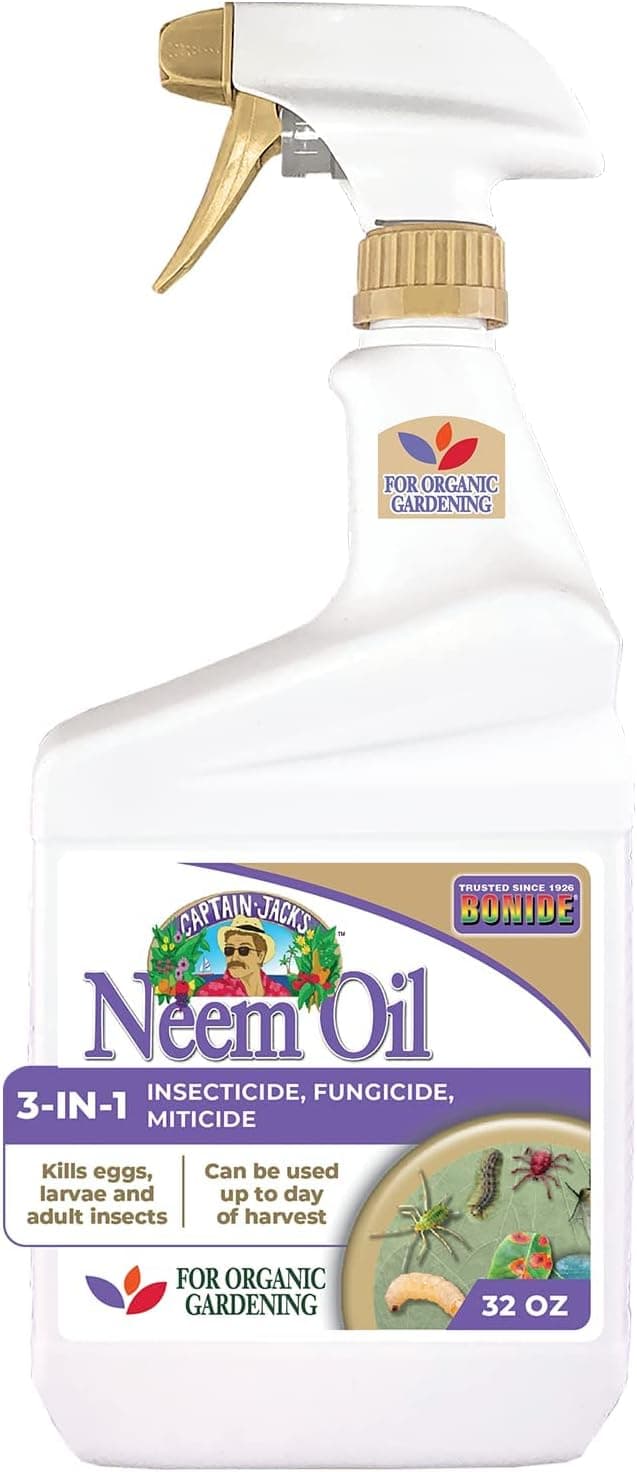
+ Three-in-one action covers insects, mites and fungus
From our guide: Best Bonsai Pest Treatments
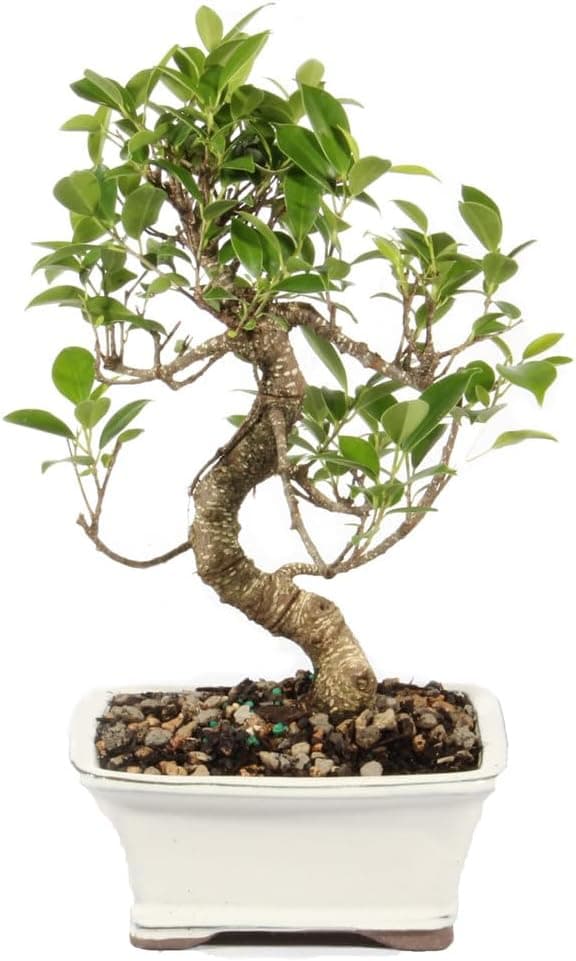
+ Ficus tolerates indoor conditions far better than juniper, so it suits apartments
From our guide: Best Ficus Bonsai Trees
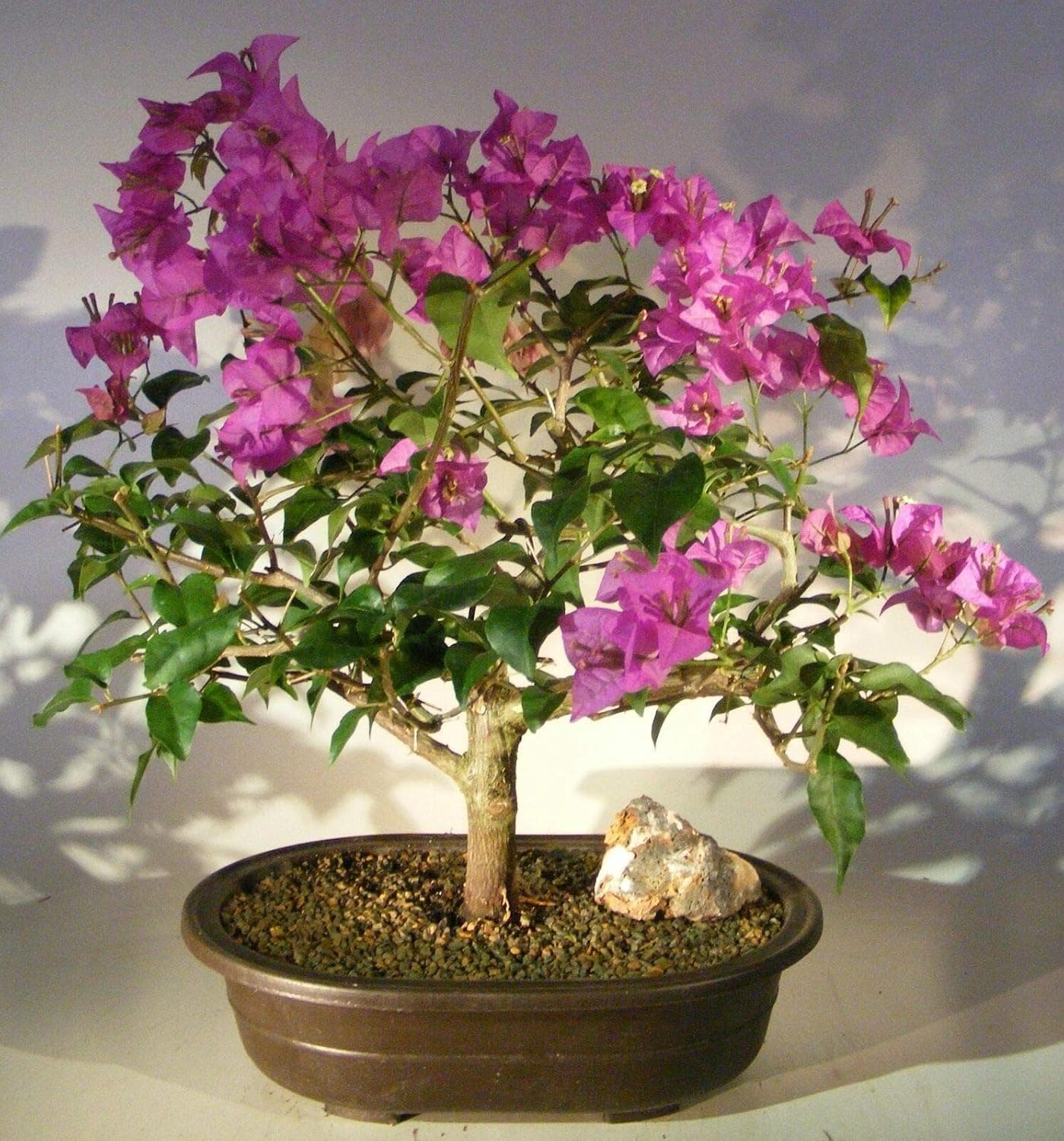
+ Pink Pixie bougainvillea gives vivid bracts that few bonsai species can match
From our guide: Best Flowering Bonsai Trees
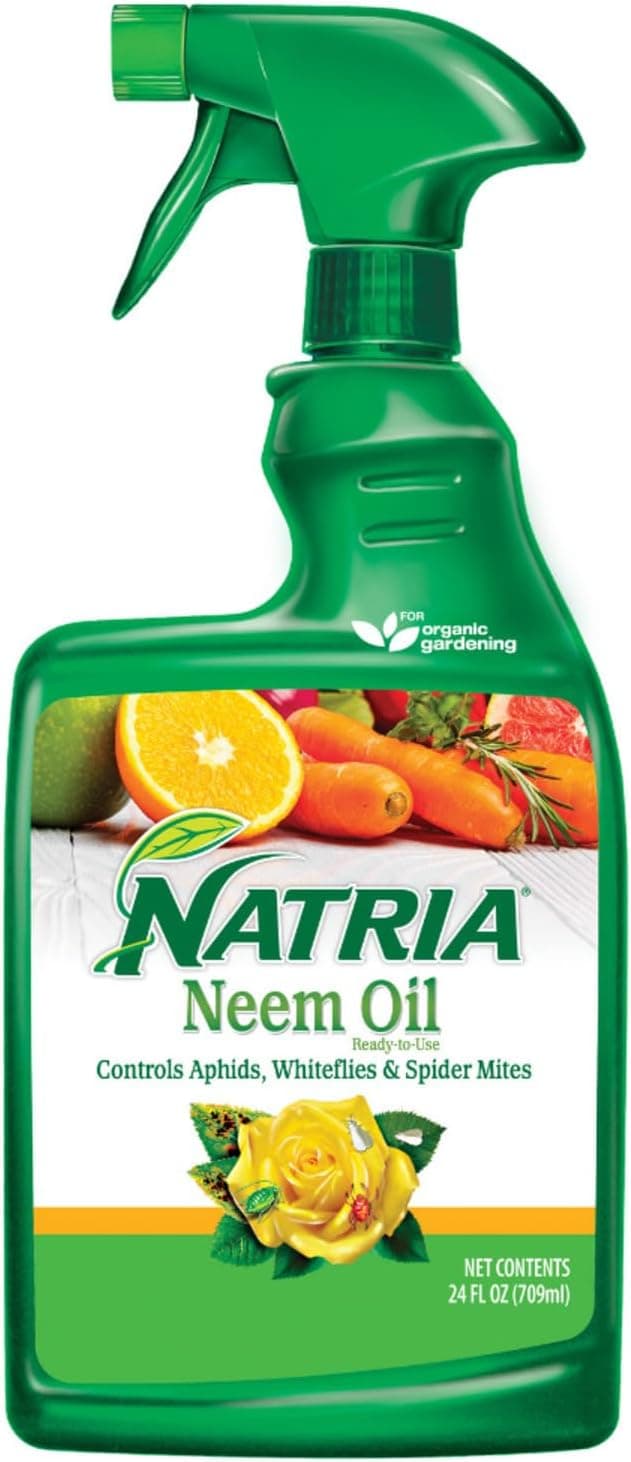
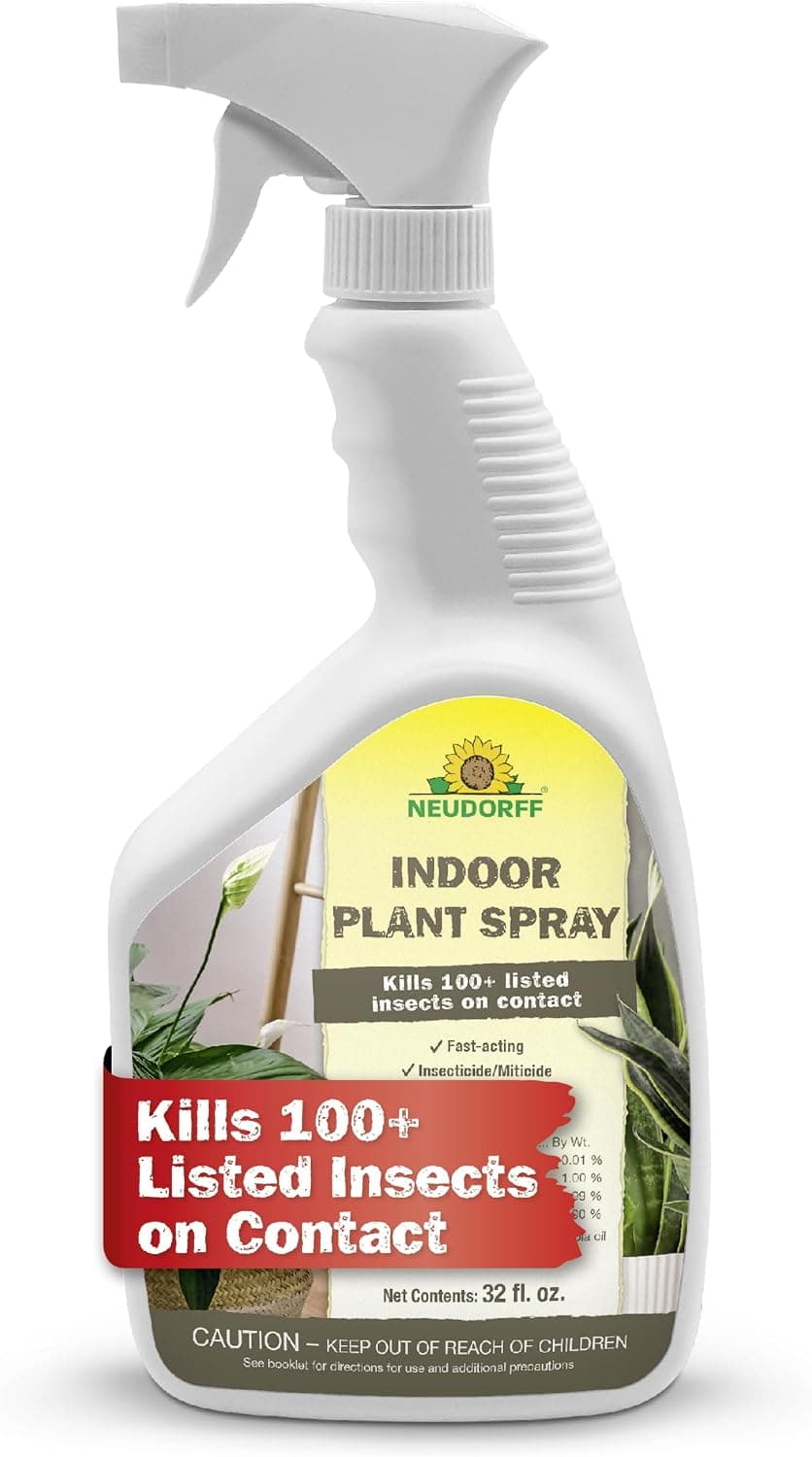
+ Targets spider mites and scale, two major indoor bonsai pests
From our guide: Best Bonsai Pest Treatments
Popular right now
- Choosing the Right Bonsai Pot for Your TreeArticle
- Best Raffia and Wrapping for BonsaiBuying guide
- Bonsai Display and Presentation Basics at Home and at ShowsArticle
- Moss and Accent PlantingArticle
- Best Bonsai Seed KitsBuying guide
- Pinching vs CuttingArticle
Based on the last 28 days of search and visitor data.