Kiku Classic 8 inch Bonsai Wire Cutter Made With Japanese Black Carbon Steel 19221 Review (2026)
Updated September 14, 2026 · Research-based review
Our verdict
The Kiku Classic 19221 is an 8 inch wire cutter made from Japanese black carbon steel, for growers who want a precise, long lasting wiring tool from an established maker. Its rounded head is shaped specifically for cutting bonsai wire cleanly. It costs more than Chinese made alternatives and needs regular oiling to stay rust free.
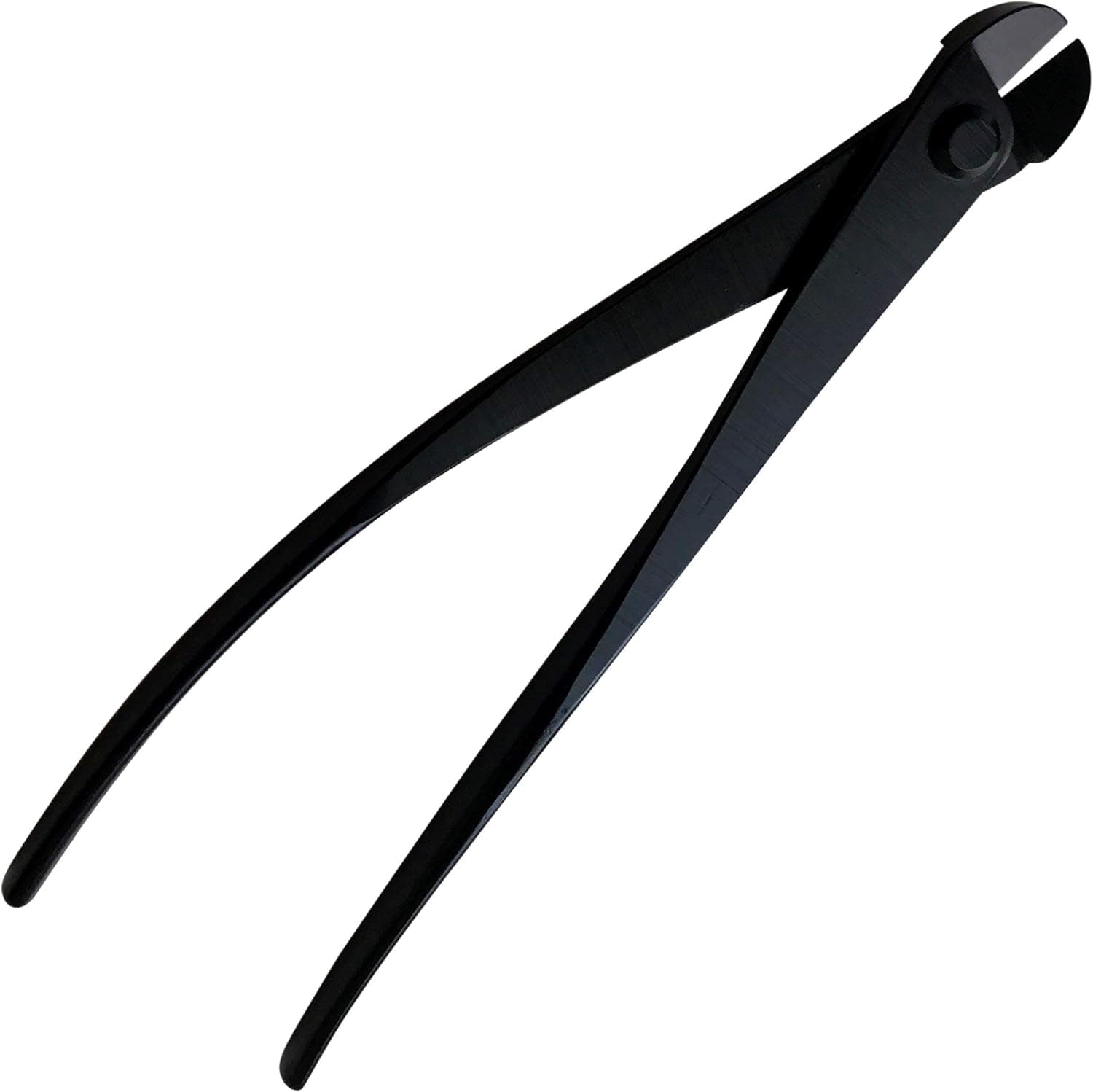
Kiku's Classic 8 inch bonsai wire cutter, model 19221, made with Japanese black carbon steel.
Price range: $ (Budget)
What we liked
- + Kiku Classic line is a respected choice for bonsai tools
- + 8 inch length cuts thick wire with good leverage
- + Black carbon steel jaws stay sharp through repeated use
Trade-offs
- - Premium price is higher than Chinese-made alternatives
- - Carbon steel requires drying and occasional oiling
Who this wire cutter suits
KIKU has supplied the bonsai community with tools since 1962, and the Classic line sits as the brand's core offering for growers who want a dependable Japanese made cutter rather than an entry level import. This 8 inch wire cutter is built for one job, removing training wire from branches and trunks without nicking the bark underneath, and it is sized for small to medium bonsai where precise, controlled cuts matter more than raw cutting force. Hobbyists who wire regularly, whether for seasonal styling or ongoing refinement of an established tree, will get the most use from a dedicated wire cutter like this rather than relying on a general purpose scissor for the job.
Japanese black carbon steel explained
The 19221 model is made with Japanese black carbon steel, part of KIKU's Classic tier which sits below their stainless Gold line in price but is prized by many growers for the sharper edge carbon steel typically holds. Bonsai wire cutters are designed with a rounded, blunt nosed head rather than a pointed tip, which lets the jaws slip flat wire cutters under coiled wire and snip it away from the branch without gouging the bark, a design detail specific to this tool category rather than general wire cutters. KIKU backs its tools with what the brand calls a lifetime warranty, which is a meaningful signal of confidence in the steel and construction quality behind the Classic line.
Keeping carbon steel tools in shape
Because this is carbon steel rather than stainless, it will develop surface rust if left wet or dirty, so the routine that keeps it performing well is simple but non negotiable: wipe the blades dry after each wiring session and apply a light coat of camellia oil or a similar tool oil before storing it. Growers who already maintain other carbon steel bonsai tools will find this fits the same care routine, and the reward is a cutter that keeps a cleaner, sharper bite on wire over years of use than many stainless alternatives. Storing it in a dry tool roll pocket rather than a damp shed or garage further reduces the risk of pitting on the blade edges.
Comparing it with other wire cutters
Against KAKURI's 8 inch Japanese carbon steel wire cutter, the two brands are close competitors on paper, both offering black carbon steel construction and Japanese manufacturing, so the choice often comes down to handle feel and brand preference more than a clear technical gap. Against Tinyroots' 210 mm carbon steel wire cutter, this KIKU tool carries a higher price for its Japanese origin and established reputation, while the Tinyroots option is the more budget friendly way to get a similar carbon steel cutting edge. Compared with TianBonsai's 205 mm 4Cr13MoV alloy wire cutter, the KIKU's black carbon steel is generally regarded as capable of a sharper, longer lasting edge, at the cost of needing more diligent rust prevention.
Verdict for wiring work
Choose this cutter if you wire trees often enough to justify a dedicated Japanese made tool and are willing to dry and oil it after each use. It rewards that small maintenance habit with a precise, long lasting edge backed by a lifetime warranty from an established bonsai tool maker. If you wire only occasionally or want to minimize upkeep, a stainless steel wire cutter from KIKU's own Gold line or a budget alloy steel option will demand less care, even if the edge does not stay quite as sharp over time.
Frequently asked questions
Why does a bonsai wire cutter have a rounded head?
The rounded, blunt nose lets the jaws slip flat under coiled training wire so it can be snipped and removed without cutting into the branch bark underneath.
Does this wire cutter rust?
It is made from black carbon steel, which can develop surface rust if left wet or dirty, so wiping it dry and oiling it after use is important.
What size trees is the 8 inch model for?
It is sized for small to medium bonsai where precise wire removal matters, rather than heavy duty root or branch cutting on large specimens.
Does KIKU offer a warranty on the Classic line?
KIKU states its tools, including the Classic 8 inch wire cutter, are covered by what the brand describes as a lifetime warranty.
Prices change often, so check the current price and availability on Amazon.
Check price on AmazonBonsai Nest may earn a commission from the link above.