Tinyroots Bonsai Wire Cutters, Traditional Carbon Steel, Designed to Cut Wire Without Damaging The Branch, 210 mm Review (2026)
Updated September 14, 2026 · Research-based review
Our verdict
A traditional carbon steel wire cutter with short, rounded jaws that snip training wire close to the branch without marking it. At 210 millimeters it suits hobbyists wanting a genuine bonsai cutter, though it needs basic rust care and sits a step below premium Japanese cutters in fit and finish.
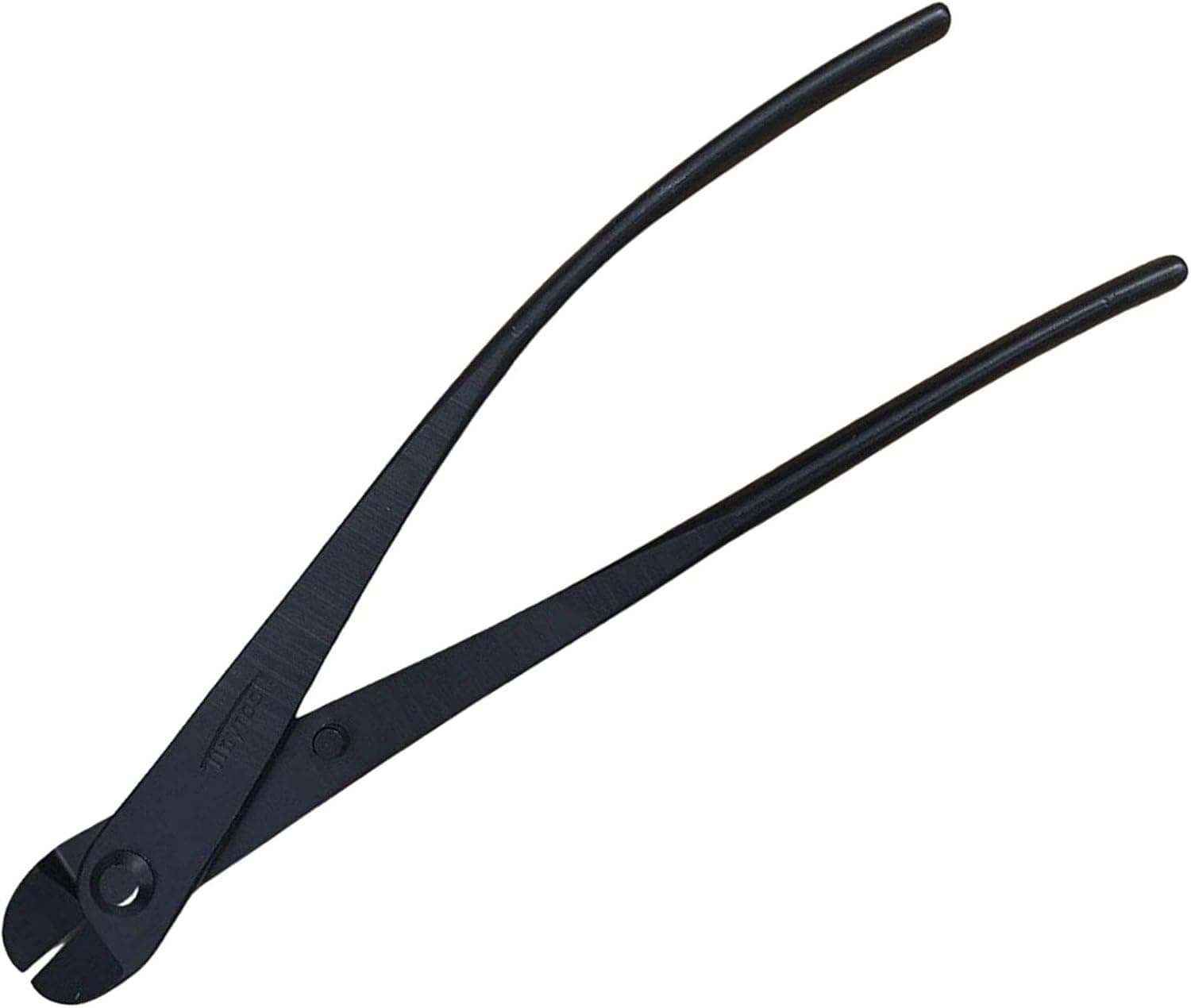
Tinyroots' traditional carbon steel bonsai wire cutters, 210 mm, designed to cut wire without damaging the branch.
Price range: $ (Budget)
What we liked
- + Short rounded jaws snip wire right against the branch safely
- + 210 mm length handles common aluminum and copper gauges
- + Priced for hobbyists wanting a real bonsai wire cutter
Trade-offs
- - Carbon steel will rust without basic care
- - Jaw alignment may not match premium Japanese cutters
Who this cutter is for
This is a good entry into a dedicated bonsai wire cutter for someone who has been using general purpose pliers or wire snips and wants a tool actually shaped for the job. The short, rounded jaw tip is the defining feature of a real bonsai wire cutter, letting you cut wire flush against a branch without the long, tapered jaws of ordinary cutters gouging the bark. At 210 millimeters overall length, it is sized for the aluminum and copper gauges most hobbyists train with on small to medium trees. Someone assembling a first proper tool kit, rather than a collector chasing premium Japanese steel, is the target buyer here.
Design and materials explained
The cutter is built from carbon steel with a traditional profile the brand describes as drawing on Japanese curves, and the short cutting blades increase the mechanical advantage available at the jaw tip. The rounded tip is intentional, giving the user control over how deep the blade sits against the branch so the wire is severed without the jaw biting into the wood underneath. At 210 millimeters, it is comparable in size to other mid sized bonsai wire cutters, offering enough leverage for aluminum wire and lighter copper gauges without the bulk of a heavy duty cutter meant for thick training wire. Being carbon steel, it can be resharpened rather than discarded once the edge dulls.
Using and caring for it
As with any carbon steel bonsai tool, this cutter needs to be dried after use and given a light coat of oil before it goes back in the tool roll, since carbon steel corrodes faster than stainless if left damp. Many owners store bonsai carbon steel tools with a rust preventative oil applied periodically, which keeps the jaws moving smoothly at the pivot and protects the cutting edge between sharpenings. The rounded jaw tip should be worked carefully rather than forced when removing tightly wound wire, angling the tool to slide the tip along the branch rather than pressing straight in, which reduces the chance of nicking the bark beneath the wire.
Trade offs and how it compares
Against KAKURI's 160 millimeter and 205 millimeter Japanese carbon steel cutters, this Tinyroots model is priced as a more accessible way into a dedicated wire cutter, though the fit, finish and steel quality on the premium Japanese options generally edges it out for owners who prune and unwire trees constantly. Compared with Kiku Classic's 8 inch black carbon steel cutter, the two sit in a similar bracket, both offering traditional carbon steel construction at a size suited to hobbyist wire gauges rather than heavy duty training wire. The choice between them often comes down to which jaw shape and grip feel better in your hand.
Verdict and who should pick something else
Choose this cutter if you want your first dedicated bonsai wire cutter with the correct short, rounded jaw profile, sized for aluminum and copper wire on small to medium trees, without paying for premium Japanese steel. Look at KAKURI's Japanese carbon steel cutters instead if you already know you will be unwiring trees often and want the sharper, longer lasting edge that comes with higher grade steel. Anyone working mainly with heavy gauge copper training wire on large specimens should also look at a heavier duty cutter, since this tool is built around finesse rather than brute cutting force.
Frequently asked questions
What makes this different from an ordinary wire cutter
The short, rounded jaw tip is shaped specifically to cut wire flush against a branch without the jaw digging into the bark, which is different from the longer tapered jaws on general purpose cutters.
What wire gauges does it handle
It is built for aluminum and lighter copper training wire on small to medium bonsai. Heavy gauge copper wire is better handled by a heavier duty cutter.
Does the carbon steel need special care
Yes. Dry the jaws after use and apply a light coat of oil before storage, since carbon steel rusts faster than stainless steel if left damp.
How does it compare with KAKURI's Japanese carbon steel wire cutters
KAKURI's cutters generally offer sharper, longer lasting edges thanks to higher grade steel, while this Tinyroots cutter is a more accessible way to get the correct bonsai jaw shape for occasional use.
Prices change often, so check the current price and availability on Amazon.
Check price on AmazonBonsai Nest may earn a commission from the link above.