KAKURI Bonsai Wire Cutter 6.3 inch (160 mm) Professional Bonsai Tool, Japanese Carbon Steel, Black, Made in Japan Review (2026)
Updated September 14, 2026 · Research-based review
Our verdict
A compact Japanese carbon steel wire cutter sized for removing fine aluminum and copper wire from small bonsai without marking the bark. The short 6.3 inch body reaches into tight branch junctions that a larger cutter cannot, though it is not built for thick heavy gauge wire.
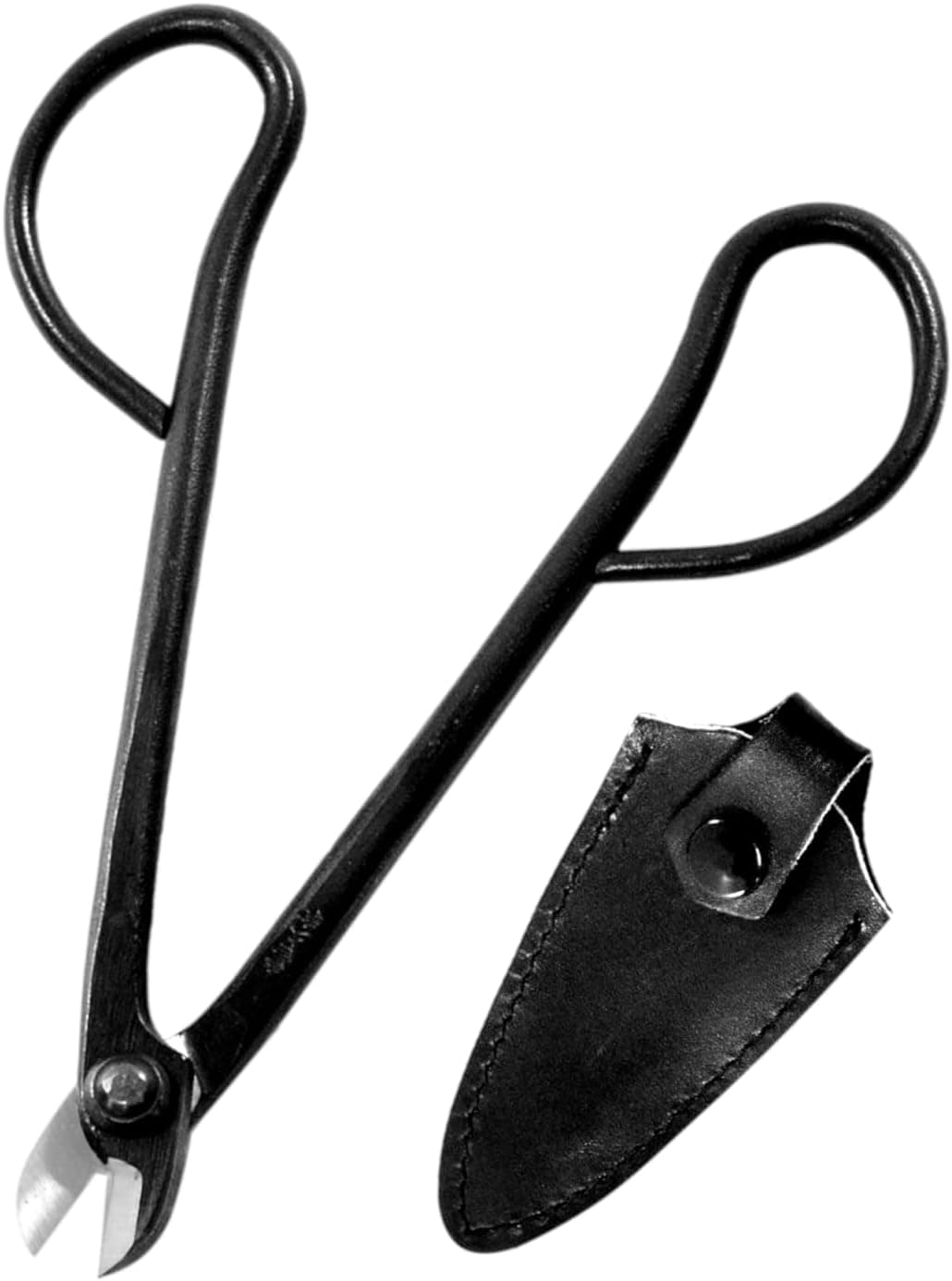
KAKURI's 6.3 inch (160 mm) professional bonsai wire cutter in black Japanese carbon steel for fine wire.
Price range: $ (Budget)
What we liked
- + Compact 6.3 inch cutter reaches into tight branch areas
- + Japanese carbon steel jaws cut fine wire cleanly
- + Ideal for unwiring small trees without damaging twigs
Trade-offs
- - Not suited to heavy copper or thick aluminum gauges
- - Rusts if put away wet after use
Who this cutter is for
This tool is aimed at anyone unwiring small to medium bonsai where the wire sits close against thin branches and twigs. The compact size is the whole point here, letting the jaws slip into narrow gaps between branches to snip wire without having to bend or lever a larger tool into place. If you mainly work on larger material wired with heavier gauge aluminum or copper, this is not the primary cutter you want, since its jaws are sized for finer work. For hobbyists and collectors with a mixed bench of smaller trees and shohin sized material, this is a practical everyday cutter to keep in the tool roll alongside a larger pair for bigger jobs.
Design and materials explained
The cutter measures 6.3 inches, or 160 millimeters, and is made from Japanese carbon steel, finished in black and made in Japan. The cutting edge is shaped to bite into the wire with light pressure, so pulling the wire free after cutting removes only the wire rather than catching or scarring the branch beneath it. Being carbon steel rather than stainless, the blade can be restored to a sharp edge with a whetstone when it eventually dulls, which extends the working life of the tool well beyond what a disposable cutter offers. The compact scale of the jaws and handles is what sets this apart from general purpose wire cutters, since bonsai wire removal calls for precision more than raw cutting force.
Using and caring for it
In daily use, the short jaws make it easy to angle the tool into the crook of a branch where wire has been wrapped tightly, cutting the wire in short segments so it lifts away cleanly instead of unwinding and stressing the branch. Because the steel is carbon rather than stainless, it needs to be dried and lightly oiled after use, particularly if you have been misting the tree or working in humid conditions, since carbon steel will rust if put away wet. Periodic sharpening on a whetstone keeps the bite of the jaws consistent, which matters more here than on a larger cutter since a dull edge on a small tool struggles more visibly on thicker wire gauges.
Trade offs and how it compares
The main limitation is capacity. This cutter is not meant for heavy gauge copper or thick aluminum training wire, where a larger 205 millimeter cutter from the same brand or a comparable heavy duty model will cut more easily and last longer under that load. Against Tinyroots' 210 millimeter traditional wire cutter, which is built with similarly short rounded jaws for close cutting but in a longer overall body, this KAKURI cutter is more compact for reaching into dense canopies, while the Tinyroots tool offers a bit more leverage on medium gauge wire. Choosing between them mostly comes down to the average wire thickness on your trees.
Verdict and who should pick something else
Get this cutter if your bench leans toward smaller bonsai and shohin material wrapped in thin to medium aluminum or copper wire, and you want a compact Japanese made tool that reaches tight spots without damaging bark. Look at a larger 200 millimeter class cutter instead if you regularly work heavier gauge training wire on bigger trees, since this smaller tool will struggle and wear faster under that load. Owners who only occasionally remove wire and do not want to maintain carbon steel may also prefer a lower maintenance stainless option, accepting a shorter edge life in exchange for less upkeep.
Frequently asked questions
What wire gauges does this cutter handle best
It is sized for thin to medium aluminum and copper bonsai wire on small to medium trees. Heavy gauge training wire on larger material is better handled with a longer 200 millimeter class cutter.
Will the cutter damage the bark when removing wire
The jaws are shaped to bite into the wire itself with light pressure, so pulling the cut wire away typically leaves the branch and bark beneath it undamaged when used carefully.
Is the steel prone to rust
Yes, it is carbon steel rather than stainless, so it should be dried and lightly oiled after use, especially in humid conditions, to prevent rust from forming on the blade.
Can a dull blade be sharpened
Yes. Because the jaws are carbon steel, the edge can be restored with a whetstone, which extends the tool's working life compared with a disposable cutter.
Prices change often, so check the current price and availability on Amazon.
Check price on AmazonBonsai Nest may earn a commission from the link above.