Master Grade Bonsai Tools 215 mm Root Cutter 5Cr15MoV Alloy Steel Review (2026)
Updated September 14, 2026 · Research-based review
Our verdict
This 215 mm root cutter from TianBonsai's Master Craftsman line suits growers who repot larger specimens and need to slice through thick taproots in one pass. The main strength is leverage from the long handles. The trade off is bulk, since it is too heavy for delicate work on small indoor trees.
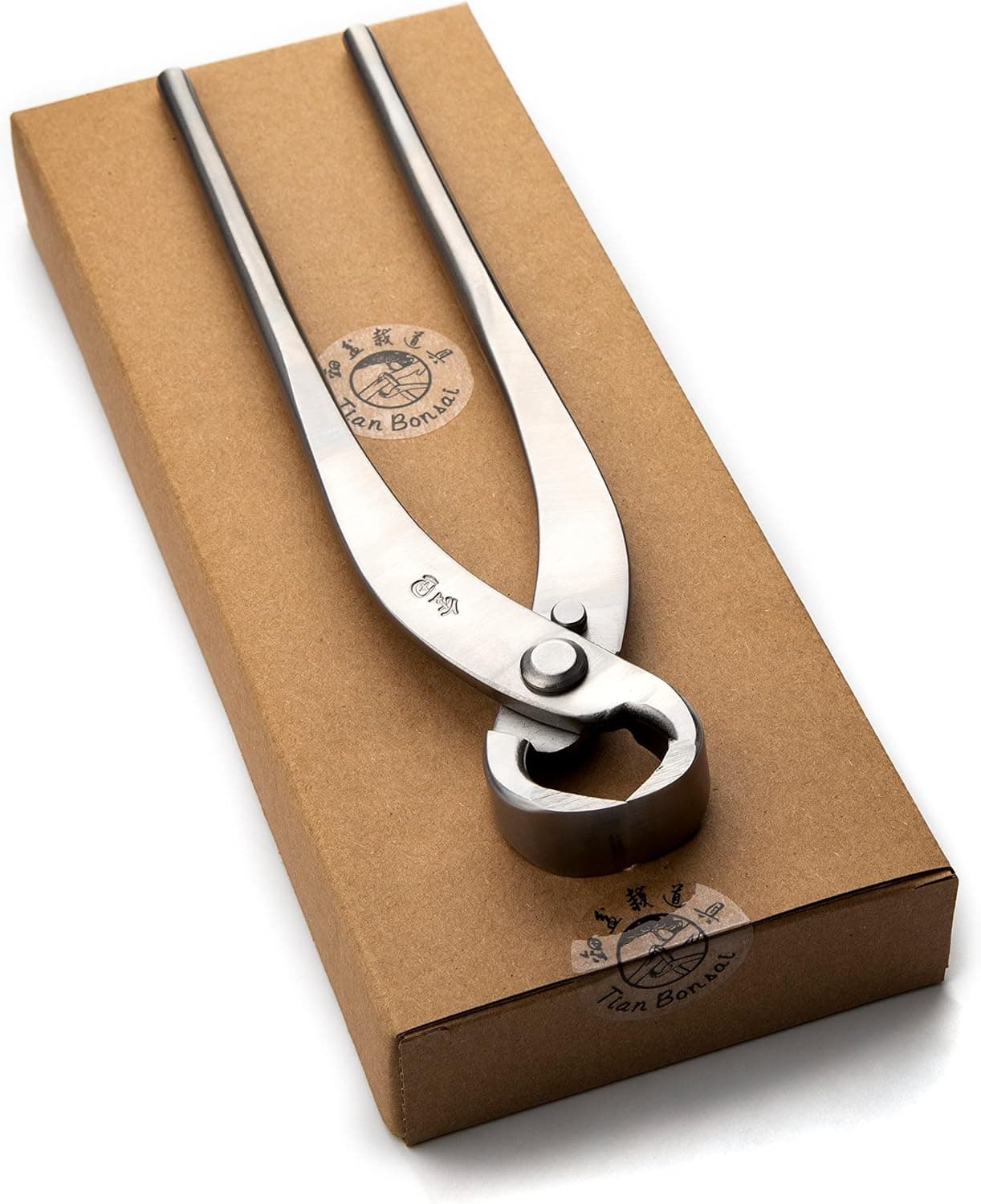
Master grade 215 mm root cutter in 5Cr15MoV alloy steel for cutting thick roots during bonsai repotting.
Price range: $ (Budget)
What we liked
- + 5Cr15MoV alloy steel resists rust in wet root work
- + 215 mm root cutter gives leverage on thick taproots
- + Heavy jaws handle roots that would damage fine scissors
Trade-offs
- - Bulky cutter is overkill for small indoor trees
- - Stainless alloy is softer than high-carbon Japanese steel
Who this root cutter fits
This is a tool for hobbyists and collectors working on medium to large bonsai, not shohin or mame sized trees. The 215 mm length puts it firmly in the category of a repotting specialist rather than an everyday scissor. Anyone who regularly bare roots field grown material, thickens nebari, or trims fibrous root balls before setting a tree into a new pot will get the most from the extra reach. If your collection is mostly small indoor trees in four inch pots, the size of this cutter will feel like overkill, and a smaller root or knob cutter will be easier to control. The tool is part of TianBonsai's Master Craftsman series, described as hand finished by the company's senior toolmakers, which puts it above the brand's entry level lines in fit and finish.
Steel and build explained
The cutter is made from 5Cr15MoV alloy steel, a Chinese cutlery grade steel that blends chromium for stain resistance with molybdenum and vanadium for edge toughness and wear resistance. Manufacturer material data puts the carbon content around 0.5 percent and chromium near 1.5 percent, with a hardness above HRC58 once the blades are quenched. That hardness range sits below premium Japanese white or blue carbon steel but above soft stamped steel, which is why the site's pros call out rust resistance rather than outright edge retention. The jaws are heavy and concave ground so they compress and cut root wood cleanly instead of crushing it, which matters more for root work than for fine wire or foliage trimming where a lighter blade is easier to control.
Using it through a repotting season
In practice this cutter earns its keep at repotting time, when several trees need their root mass reduced before they go back into shallow bonsai pots. The long handles give enough leverage to cut through woody taproots that would otherwise need a saw, and the alloy steel jaws shrug off the wet, gritty conditions of working soil off bare roots. Between uses, alloy steel tools like this still benefit from a wipe down and a light coat of camellia or mineral oil, since any carbon bearing steel can spot if left wet in a tool roll. Because the head is large, storage in a standard tool roll pocket can be tight, so owners often keep it in a dedicated slot or a rigid case rather than bundled with finer scissors.
Trade offs against other root tools
Within TianBonsai's own range, the Professional Series MT 215 root cutter covers similar ground at a lower price point, so buyers who do not need the Master Craftsman finish have a cheaper in house alternative. Against Japanese options like the Wazakura Ashinaga long handled pruning scissors in carbon steel, the trade off flips: the Wazakura tool is lighter and more precise for finer root and branch work but will rust faster if left dirty, while this alloy steel cutter is the more forgiving, lower maintenance choice for heavy root reduction. Compared with a 190 mm master grade root scissor from the same brand, this 215 mm cutter trades a little nimbleness for noticeably more cutting power on thick roots.
Bottom line
Buy this if your bonsai practice includes regular repotting of medium to large trees and you want one heavy duty tool that can chew through thick roots without babying. Skip it if your collection is mostly small trees, since the size and weight will be more tool than most shohin work needs, and a compact root or knob cutter will be easier to handle. Growers who prioritize the sharpest possible edge over rust resistance may still prefer a Japanese carbon steel equivalent, accepting the extra care that steel demands in exchange for a keener, more precise cut on woody roots.
Frequently asked questions
What is 5Cr15MoV steel used on this root cutter?
It is a Chinese alloy steel with roughly 0.5 percent carbon and 1.5 percent chromium, plus molybdenum and vanadium, quenched to a hardness above HRC58. It resists rust better than plain carbon steel but is softer than premium Japanese blade steel.
Is this cutter too big for small bonsai?
Yes, at 215 mm it is sized for medium to large trees and repotting work. Owners of small shohin or indoor trees will find a shorter root or knob cutter easier to control.
Does this tool need special care?
Wipe the jaws dry after wet root work and apply a light coat of tool oil occasionally. It resists rust better than carbon steel but is not stainless in the kitchen sense.
How does it compare with TianBonsai's Professional Series root cutter?
The Professional Series MT 215 covers similar cutting tasks at a lower price, while this Master Craftsman version is positioned as a hand finished, higher tier tool from the same maker.
Prices change often, so check the current price and availability on Amazon.
Check price on AmazonBonsai Nest may earn a commission from the link above.