ZzbTwinkle Japanese Super Hard Akadama Bonsai Soil - Small Grain (3-6mm), 2 lb (1.2 QT) Premium Volcanic Clay Medium Review (2026)
Updated September 14, 2026 · Research-based review
Our verdict
This small bag of super hard akadama suits shohin and indoor bonsai growers who need a small grain, high durability soil component without committing to a bulk bag. The stated hardness and consistent 3 to 6mm grain size are the main strengths, and the trade-off is that a 2 pound bag depletes quickly on anything larger than a small pot.
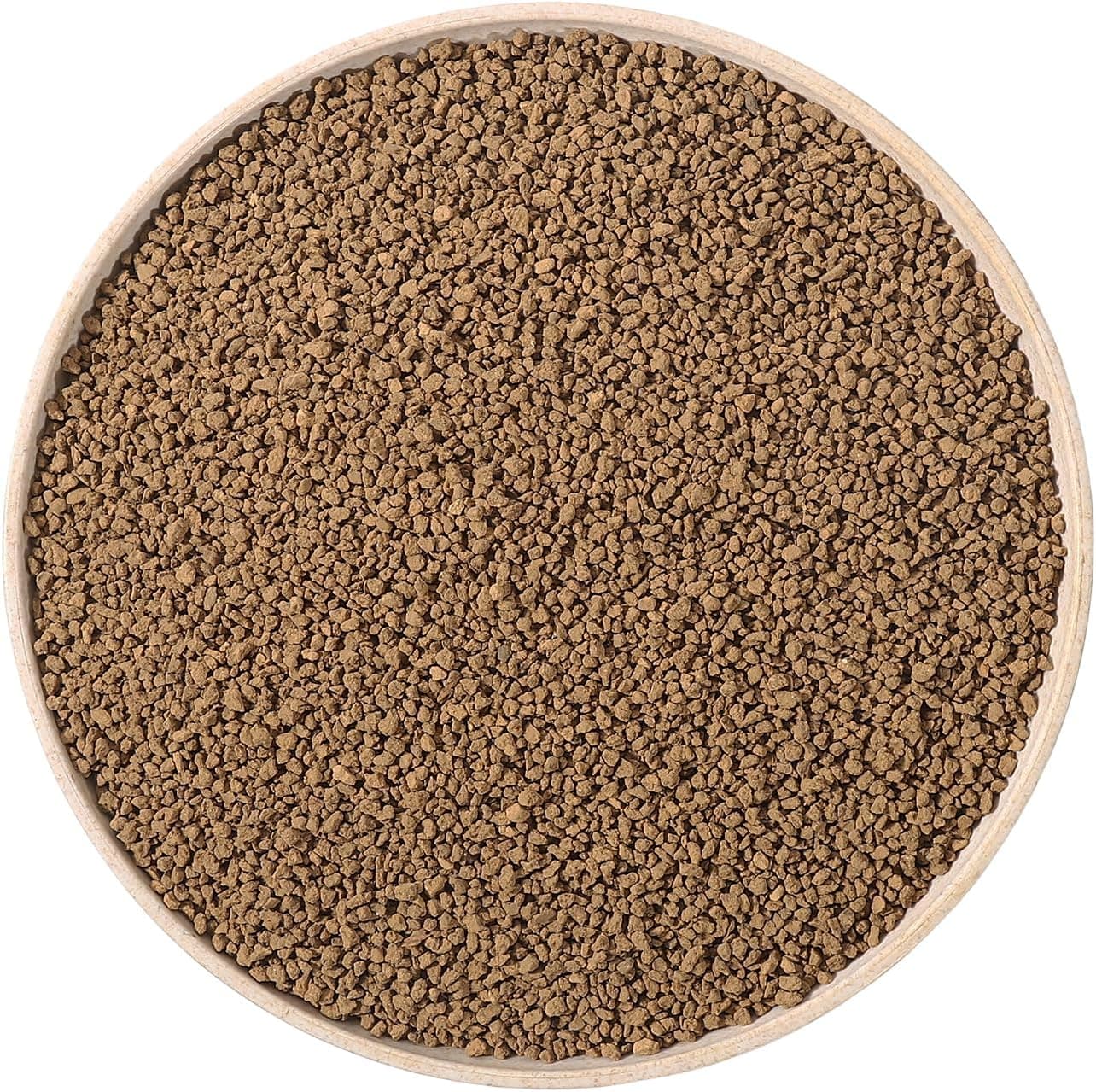
ZzbTwinkle's Japanese super hard akadama, small grain (3-6mm), 2 lb (1.2 QT) of volcanic clay for bonsai.
Price range: $ (Budget)
What we liked
- + Super hard grade resists breakdown for longer between repottings
- + Small 3-6mm grain suits shohin and indoor bonsai pots
- + Stated grain size makes mixing a consistent soil blend easy
Trade-offs
- - 2 lb bag runs out quickly when repotting larger trees
- - Small grain can pack tighter than medium grain in big pots
Who this small grain akadama fits
This bag targets growers working with shohin and other small to medium bonsai, since the 3 to 6mm small grain size suits pots where a coarser mix would leave too little surface area for fine root development. Akadama is a naturally occurring volcanic clay mined in Japan and is one of the most widely used single ingredient or blended soil components in bonsai cultivation because of how it manages moisture and air at the root zone. Someone repotting larger outdoor trees in bigger containers will get better value from a bulk sized bag or a medium grain product, since this 2 pound quantity is sized for smaller pots and topdressing rather than large scale repotting.
Hardness grade and grain consistency
The product is marketed as super hard akadama, a grading that matters because softer akadama grades break down into fine, compacted particles faster under repeated wet and dry cycles, which can choke drainage over a season or two. A harder grade is intended to resist that breakdown for longer between repottings, which reduces how often the soil needs to be refreshed on a given tree. The listed 3 to 6mm grain size gives growers a known starting point for blending a custom soil mix with pumice, lava rock or other aggregates, since consistent particle size across all components is part of what makes a bonsai soil mix drain and aerate evenly.
Moisture management and everyday use
Akadama's porous internal structure lets it absorb water and release it gradually, and the clay itself darkens visibly when wet, which growers commonly use as a quick visual cue for whether a pot needs watering. That water holding capacity, combined with the free drainage a well graded small grain size provides, is part of why akadama remains a standard ingredient rather than a novelty product in bonsai soil recipes for both conifers and deciduous species. Because it is unfired natural clay rather than a calcined or kiln fired aggregate, it will eventually soften and break down over multiple growing seasons regardless of hardness grade, which is the trade-off every akadama product carries compared with more inert aggregates like lava rock or pumice.
How the small bag size compares with bulk options
At 2 pounds, this bag is sized closer to a topdressing or small pot repotting quantity than a full soil mix for several trees, so growers with more than a couple of pots to service in a season will likely find themselves reordering or should instead look at multi pound bulk bags of the same small grain hard akadama. Against a sifted, dust free akadama product like Tinyroots' offering, which emphasizes removing fines through double sieving rather than stating a specific hardness grade, this ZzbTwinkle bag leads with hardness as its main selling point, so the choice between the two often comes down to whether a buyer prioritizes a stated durability grade or a dust free start.
Verdict and who should size up
For a grower maintaining a small collection of shohin or indoor bonsai who wants a small grain, purportedly harder wearing akadama to blend into their own soil mix, this 2 pound bag is a reasonable way to try the product without committing to a large bulk purchase. Anyone repotting several larger outdoor trees in one season should plan on a bigger bag size or a different listing entirely, since this quantity will run out quickly at that scale. Growers who specifically need a coarser grain for bigger root systems should also look at a medium or large grain akadama instead of this small grain product.
Frequently asked questions
What does 'super hard' akadama mean?
It refers to a hardness grading intended to resist breaking down into fine, compacted particles for longer than softer grades of akadama, though all natural akadama eventually softens over repeated growing seasons.
What grain size is in this bag?
The listing states a 3 to 6mm small grain size, which suits shohin and other small to medium bonsai pots.
How do I know when a tree potted in akadama needs water?
Akadama darkens visibly when wet and lightens as it dries, which growers commonly use as a rough visual cue alongside checking soil moisture by touch.
Is 2 pounds enough to repot a full size outdoor bonsai?
Likely not on its own; this small bag size suits shohin, indoor bonsai, or topdressing, and larger trees typically need a bulk sized bag or a blended mix.
Prices change often, so check the current price and availability on Amazon.
Check price on AmazonBonsai Nest may earn a commission from the link above.