Calibonsai Japanese Hard Ibaraki Akadama for Bonsai / Succulent Soil - Medium Size Grains 14 Liter Review (2026)
Updated September 14, 2026 · Research-based review
Our verdict
This 14 liter bag of medium grain Ibaraki akadama suits owners repotting several larger bonsai in a season rather than a single small tree. Its main strength is a generous volume from a recognized hard akadama source. The trade off is that medium sized grains are coarser than what small mame or shohin pots typically need.
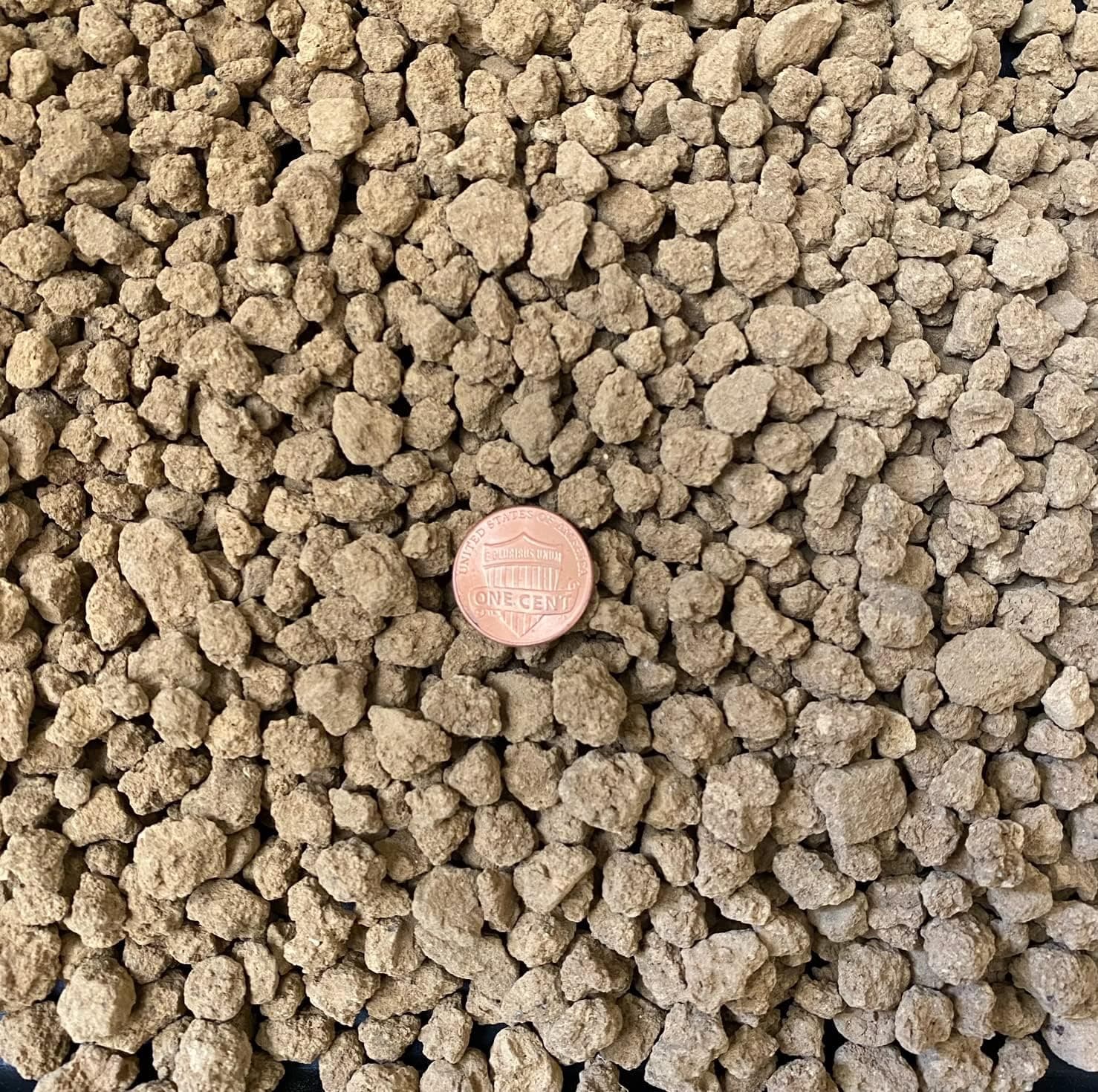
Calibonsai's Japanese hard Ibaraki akadama in medium size grains, a 14 liter bag for serious bonsai repotting.
Price range: $ (Budget)
What we liked
- + 14 liter bag covers many trees in a single repotting season
- + Ibaraki origin is a recognized source of hard bonsai akadama
- + Medium grains suit larger training and display pots
Trade-offs
- - Medium grain is coarse for mame and small shohin pots
- - Large bag needs dry storage to keep grains from breaking down
Who this akadama bag is for
Calibonsai's 14 liter bag of Japanese hard Ibaraki akadama in medium size grains is built for owners with several larger bonsai to repot in a season, or a single collection sized tree in a training or display pot, rather than someone with just one or two small trees. Akadama is a fired clay soil component widely used in bonsai mixes for its porous structure, and Ibaraki is a recognized source region for the hard, more durable version of the material that resists breaking down as quickly as softer akadama under repeated watering. Because a 14 liter bag is a substantial volume, it suits owners doing their own bulk mixing for a collection rather than someone buying a small bag for a single repotting session.
What hard akadama and medium grain actually mean
Akadama's defining property is its natural porous structure, which improves drainage and aeration in a bonsai pot while still holding enough water and nutrients for root uptake, and the material's color visibly darkens when moist, which experienced growers use as a rough visual cue for watering timing. The hard designation matters because standard akadama tends to break down into finer particles over one to two years of watering and freeze thaw cycles, while hard akadama, and Ibaraki sourced material in particular, holds its structure for longer, meaning fewer particles collapse into compacted, poorly draining fines between repottings. Medium grain size sits between the fine particles suited to small pots and the coarser large grade used for bigger training containers, making it a middle ground choice for typical collection sized trees.
Using akadama in a bonsai soil mix
In practice, akadama is rarely used alone; owners typically combine it with other components such as pumice, lava rock, or composted bark to build a mix suited to a given species and pot size, and the general search results for this material note it is often blended with materials like Hyuga, Kanuma, or Kiryu depending on the tree. Because the bag may contain some fine dust or minor debris from transport, many growers sift the material before use to remove the smallest particles that can compact and reduce drainage, a common step regardless of brand. Stored dry and kept out of prolonged damp conditions before use, hard akadama like this should keep its grain structure intact until it goes into a pot.
Trade-offs and how it compares with other akadama
Against smaller bagged akadama products sized for small grain cactus and succulent use, this 14 liter medium grain bag is positioned for bonsai owners working at a larger scale, where a small bag would run out after one or two repottings. Compared with softer, non hard akadama sold at a lower price, the Ibaraki hard designation here is the main reason to pay more, since it should need replacing less often as part of a soil mix. For owners working with small mame or shohin sized trees, the medium grain here is coarser than ideal, and a finer grade akadama, sifted down further, would give better results in a small pot where root space is limited.
Verdict and who should pick something else
For an owner mixing soil for several collection sized bonsai or one larger training tree, this 14 liter bag of medium grain hard Ibaraki akadama is a solid, practical volume that matches our score of 8.6 out of 10 for fit and build quality. Store it dry and expect to sift out fine debris before mixing, which is normal for akadama regardless of source. Owners tending small mame or shohin trees should look for a finer grain akadama product instead, since medium grain is coarser than ideal for very small pots, and anyone repotting only a single small tree may find a smaller bag size more practical than a full 14 liters.
Frequently asked questions
What does hard akadama mean compared to regular akadama?
Hard akadama, including material sourced from Ibaraki, holds its granular structure for longer under repeated watering and freeze thaw cycles, breaking down into fine, compacted particles more slowly than softer akadama.
Is medium grain akadama suitable for small bonsai pots?
Medium grain is better suited to larger training and collection sized pots; small mame or shohin pots generally do better with a finer sifted grade.
Should akadama be used alone or mixed with other soil components?
Akadama is typically blended with other components such as pumice, lava rock, or composted bark rather than used alone, with the exact mix depending on the tree species and pot size.
Prices change often, so check the current price and availability on Amazon.
Check price on AmazonBonsai Nest may earn a commission from the link above.