KIKU Gold 8 inch Bonsai Wire Jin Plier - Stainless Steel - 19131 Review (2026)
Updated September 14, 2026 · Research-based review
Our verdict
This KIKU Gold jin plier suits an owner ready to invest in a premium, long lasting tool for wiring and deadwood work rather than replacing a budget plier every season. Its main strength is Japanese stainless steel that resists rust with minimal care. The trade off is a cost that is hard to justify for only occasional wiring.
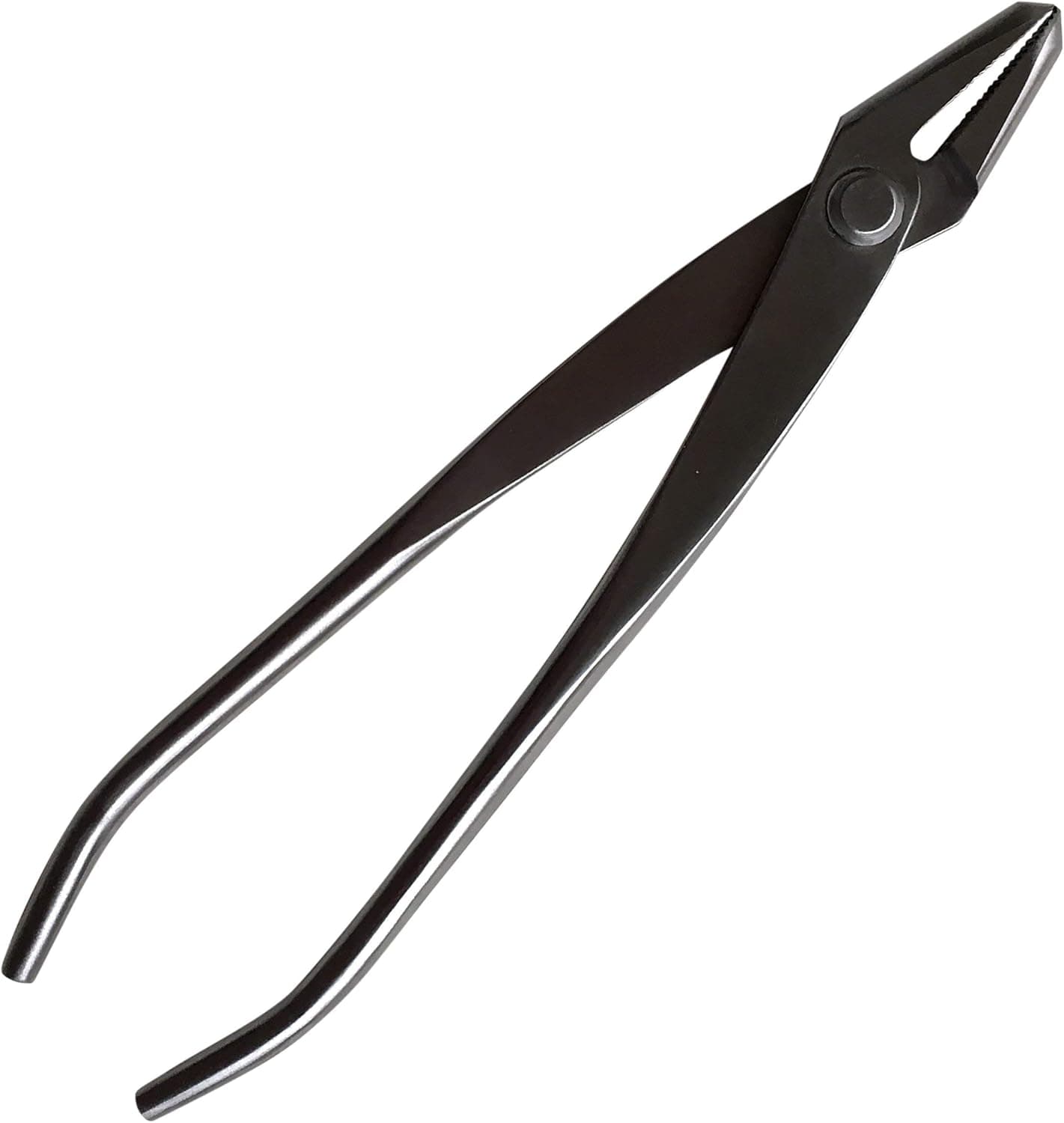
KIKU's Gold 8 inch stainless steel bonsai wire jin plier, model 19131, a premium Japanese brand tool.
Price range: $ (Budget)
What we liked
- + KIKU Gold stainless steel resists rust with little care
- + 8 inch length gives good control for wiring and jin work
- + Premium brand pliers stay aligned after years of use
Trade-offs
- - Premium price is high for occasional wiring
- - Stainless jaws can be slightly slicker on smooth wire
Who this jin plier is for
KIKU's Gold 8 inch jin plier is aimed at bonsai owners who wire and shape trees often enough to justify a premium, long lasting tool rather than replacing a cheaper plier every season or two. Jin pliers are used both to apply and remove bonsai training wire and to strip or crush bark and wood when creating jin or shari, the deadwood features common on junipers and pines, so this tool sees regular, sometimes heavy use in a working bonsai practice. Because it comes from KIKU, a recognized name in Japanese bonsai tools, it suits an owner who already has the basic tool set covered and is upgrading a specific, frequently used tool to a higher grade, rather than someone assembling their first kit from scratch.
Material, length, and what Gold means in this line
The plier is made from Japanese stainless steel and measures 8 inches in length, giving enough leverage for both fine wire work and heavier deadwood shaping without the tool feeling unwieldy. KIKU's Gold line uses a harder edge than the brand's standard Silver line, and the harder edge is described as staying sharp for longer under regular use, which matters for a tool that is gripping and crushing wood fibers rather than only cutting. The stainless steel construction resists rust and staining better than plain carbon steel would, reducing the routine maintenance an owner needs to do compared with a carbon steel tool that requires more diligent oiling and drying after each use, and the listing notes a limited lifetime warranty on the tool.
Using jin pliers through a wiring and shaping session
In a typical session, jin pliers grip and twist bark or thin wood to peel it away and reveal the paler wood underneath when creating a jin, the bleached, bark stripped branch tip technique used on many coniferous bonsai, and the same jaws can grip and pull tight training wire off a branch once it has set without needing to unwind it by hand. Because the tool is doing physical, sometimes forceful work rather than delicate cutting, jaw alignment matters more here than on a simple cutter, and premium pliers like this are built to stay true after repeated heavy use rather than the jaws drifting out of alignment the way a lower grade tool might over time. Rinsing and drying after outdoor sessions keeps the stainless steel looking clean.
How it compares with other jin pliers
Against the Tian Bonsai Master Quality plier, which is also stainless alloy steel at a similar 225mm length, and the Tinyroots heavy duty carbon steel plier at 210mm, this KIKU Gold model sits at the upper end on material and finish, trading a higher cost for steel that needs less routine maintenance than the carbon steel alternative. Compared with more budget alloy steel jin pliers in the 4Cr13MoV or manganese steel range, the KIKU Gold's stated edge retention and stainless construction are the main reasons an owner would pay more for it rather than a cheaper alternative that will likely need replacing sooner under heavy, repeated use on jin and shari work.
Verdict and who should pick something else
For an owner doing regular wiring and deadwood work who wants a tool built to last years rather than seasons, this KIKU Gold jin plier is a strong pick, matching our score of 8.4 out of 10 for fit and build quality, backed by a limited lifetime warranty. Its cost is the main consideration, and it is a harder purchase to justify for someone who wires a tree only once or twice a year. Owners on a tighter budget, or those just starting out and unsure how often they will use a dedicated jin plier, should consider a more affordable alloy steel option first and upgrade to a premium tool like this once their practice grows.
Frequently asked questions
What is a jin plier used for on a bonsai tree?
Jin pliers grip and strip bark or wood to create jin and shari deadwood features on conifers, and they are also used to grip and remove training wire from branches once it has set.
What does the Gold line mean compared to KIKU's Silver line?
KIKU's Gold line uses a harder edge than the Silver line, which the brand describes as staying sharp for longer under regular use, at a higher price point.
Does this plier come with a warranty?
The listing states a limited lifetime warranty on this tool, which is one reason it suits an owner planning to use it regularly for years rather than occasionally.
Prices change often, so check the current price and availability on Amazon.
Check price on AmazonBonsai Nest may earn a commission from the link above.