The Essential Bonsai Book: Techniques for Creating Beautiful Trees by Jonas Dupuich Review (2026)
Updated September 14, 2026 · Research-based review
Our verdict
A technique-focused guide from an established author that goes past basic watering advice into real styling work, pruning, wiring, repotting and seasonal timing, with case studies to show the methods applied. It suits a grower ready to develop a tree, not someone who just wants to keep one gift tree alive.
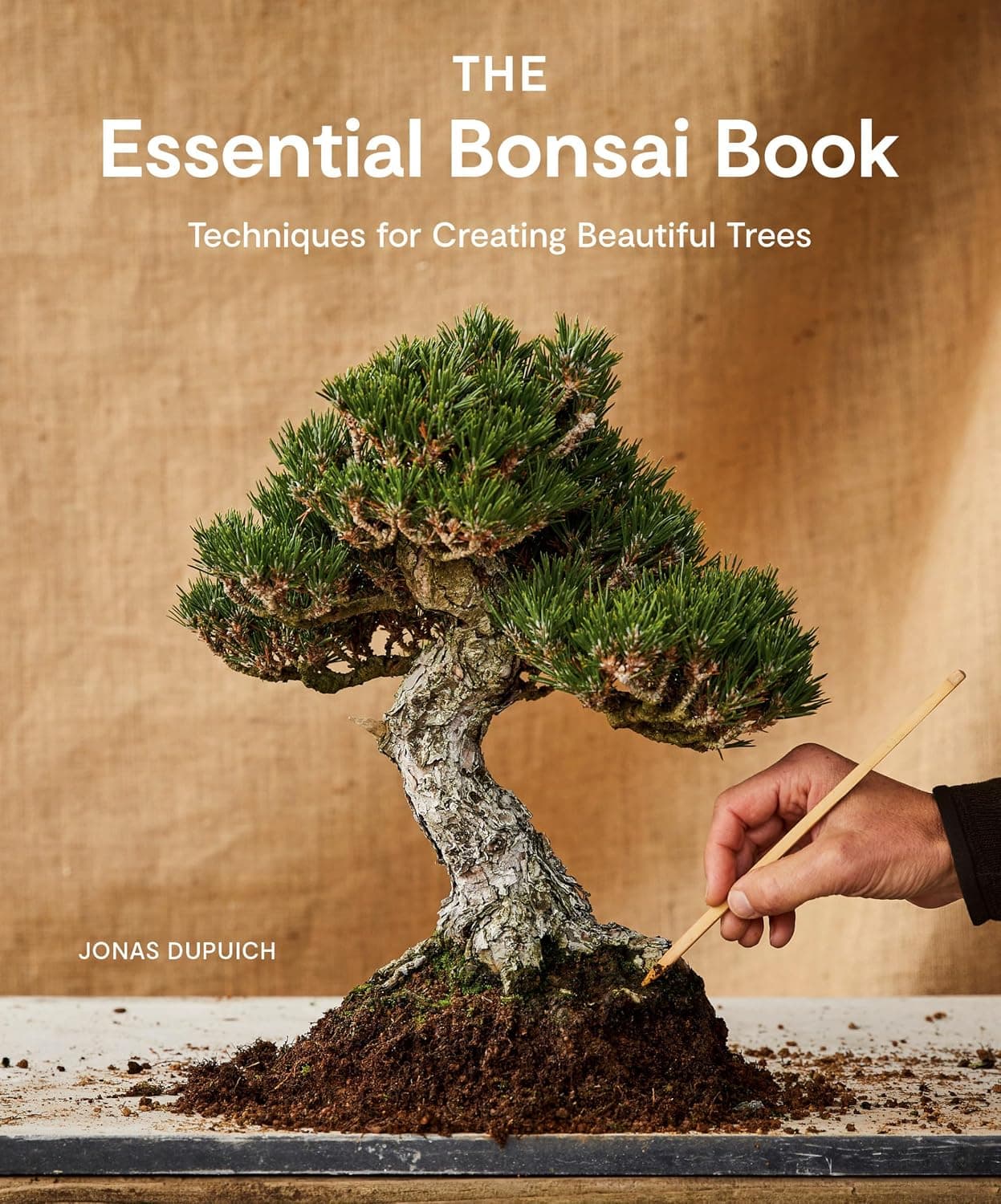
The Essential Bonsai Book by Jonas Dupuich, covering techniques for creating beautiful trees.
Price range: $ (Budget)
What we liked
- + Technique-focused content goes beyond basic watering and light
- + Written by the author of The Little Book of Bonsai
- + Suits growers ready to style and develop their own trees
Trade-offs
- - More detail than someone with one gift tree needs
- - Technique books still need hands-on practice to apply
Who this book is written for
The Essential Bonsai Book is a 224 page paperback from Ten Speed Press, published in April 2025 by Jonas Dupuich, who runs a bonsai nursery in Northern California, writes the long running Bonsai Tonight blog, and co-founded the Pacific Bonsai Expo. This is his second book after The Little Book of Bonsai, and the shift in focus is clear from the title, this one is built around technique rather than the basics of keeping a single tree alive. It suits someone who already has a tree or two and wants to start actively developing them, pruning for structure, wiring branches into position, and working with the seasons, rather than a first time owner still learning to water correctly.
What is actually covered
The book walks through core techniques, pruning, wiring and repotting, then moves into more advanced practices like decandling, a technique specific to certain pine species, and defoliating, removing leaves mid-season to encourage finer growth. It also covers working with the calendar, timing techniques to a tree's seasonal growth cycle rather than applying them year round, plus design principles for shaping a tree's overall silhouette. According to the publisher, the book includes case studies showing these techniques applied to real trees, and draws in perspectives from other bonsai practitioners rather than being written purely from one grower's viewpoint.
How it fits into actually growing bonsai
A technique book like this earns its keep only when the reader has a tree to practice on, since pruning and wiring instructions read very differently once applied to an actual branch than they do on the page. Growers with access to Dupuich's Bonsai Tonight blog will find some conceptual overlap, since it draws on years of the same author's field experience, but a printed, organized reference has real value over scattered blog posts when trying to look something up mid-project rather than searching online while soil is still on your hands. Having chapters organized by technique rather than by individual blog post date also makes it easier to find a specific method again months later.
Where this book is not the right fit
Someone with a single gift tree and no plans to actively style or develop it will find more depth here than they need, most of the content assumes an intent to shape and improve a tree over years rather than simply keep it healthy. It is also worth being realistic that no technique book substitutes for actual practice on a real tree, reading about wiring a branch and actually doing it correctly are different skills, and this book works best as a reference alongside real practice rather than a stand-alone substitute for it. Pairing a chapter with an actual attempt on a tree, rather than reading the whole book cover to cover first, tends to make the techniques stick better.
Verdict against other bonsai books
Against Dupuich's own earlier book, The Little Book of Bonsai, this one is the more advanced, technique-heavy companion rather than a replacement, useful once basic care is already comfortable and the reader is ready to shape a tree rather than simply keep it alive. Against Introduction to Bonsai's species-by-species format, this book organizes around technique instead of individual tree types, so the two work well as a pair rather than as substitutes for each other on a shared bookshelf. It earns our score of 8.4 out of 10 on strong features and fit for a grower ready to develop trees rather than a beginner still learning to keep one alive.
Frequently asked questions
Is this book suitable for a first time bonsai owner?
It is better suited to someone ready to actively style and develop a tree. A newer owner focused on basic care may get more immediate use from a species-specific care guide first.
What techniques does the book cover?
Pruning, wiring, repotting, plus more advanced practices like decandling and defoliating, along with seasonal timing and design principles, according to the publisher's description.
Who is the author?
Jonas Dupuich, who runs a Northern California bonsai nursery, writes the Bonsai Tonight blog, co-founded the Pacific Bonsai Expo, and previously wrote The Little Book of Bonsai.
How long is the book?
It is 224 pages, published as a paperback by Ten Speed Press in April 2025.
Prices change often, so check the current price and availability on Amazon.
Check price on AmazonBonsai Nest may earn a commission from the link above.