Bonsai Survival Manual: Tree-by-Tree Guide to Buying, Maintaining, and Problem Solving by Colin Lewis Review (2026)
Updated September 14, 2026 · Research-based review
Our verdict
This tree by tree guide from Colin Lewis suits owners who want to look up care and troubleshooting for a specific species rather than read general advice. Its main strength is organizing information by individual tree type. The trade off is a reference structure that reads less naturally front to back than a narrative guide.
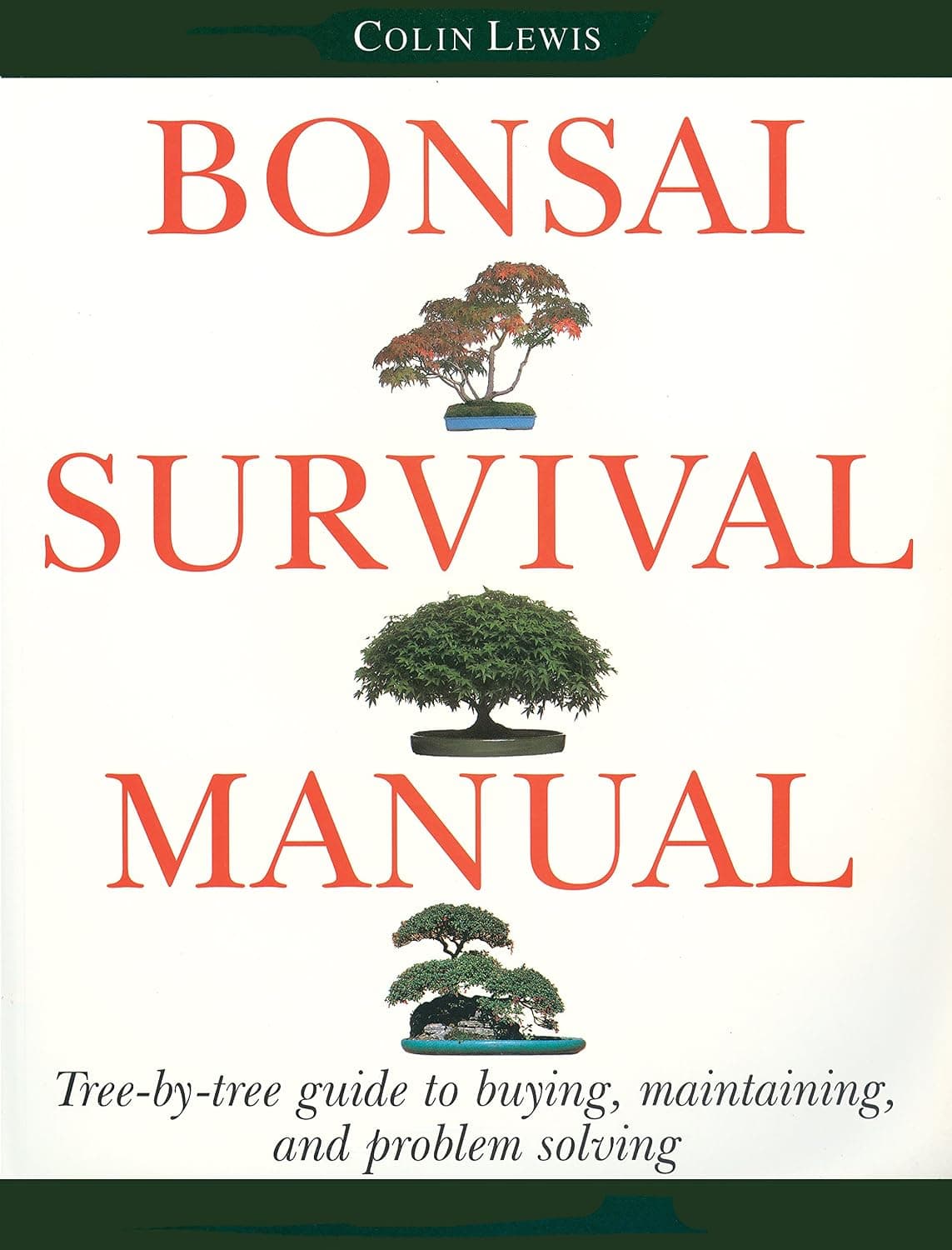
Bonsai Survival Manual by Colin Lewis, a tree-by-tree guide to buying, maintaining and problem solving.
Price range: $ (Budget)
What we liked
- + Tree-by-tree layout makes species care easy to look up
- + Covers buying decisions, so it helps avoid poor purchases
- + Problem solving sections help diagnose struggling trees
Trade-offs
- - Survival focus is lighter on advanced styling design
- - Reference format is less of a front-to-back read
Who this manual is for
The Bonsai Survival Manual is built for owners who want to look up detailed guidance for the specific species of tree they already own or are considering buying, rather than reading general bonsai theory that applies loosely across all trees. Author Colin Lewis structures the book tree by tree, which suits someone standing in front of a struggling tree and needing to know what that particular species specifically needs, as much as it suits someone at a nursery trying to decide whether a given tree is a sensible choice for their climate and experience level. It is a natural fit for owners who already have some bonsai basics down and now want species specific detail rather than another beginner overview.
What the manual actually covers
Published as a 160 page paperback by Storey Publishing, the book profiles around 50 popular bonsai varieties with guidance on selecting suitable species, along with step by step advice on feeding, watering, shaping, maintaining proper temperatures, and troubleshooting common problems for each one. The tree by tree structure means a reader can go directly to their species of interest rather than piecing together general advice and hoping it applies, and the buying guidance is a notable inclusion, helping a reader avoid purchasing a tree that is mismatched to their climate, light conditions, or experience level before problems start rather than only after. Its title reflects that troubleshooting and problem diagnosis are treated as a core function of the book rather than an afterthought.
How owners actually use a reference like this
In practice, a species organized manual like this tends to sit on a shelf near the growing area and gets pulled out when something looks wrong, yellowing leaves, dropped needles, or slow growth, so the reader can turn to their specific tree's profile rather than search through general troubleshooting advice that may not apply to that species. Because it also covers buying decisions, it is useful before a purchase is even made, letting a prospective owner check whether a tree being sold at a garden center or nursery suits their indoor or outdoor setup. The problem solving sections are aimed at diagnosing a struggling tree by symptom, which is a different reading experience than a narrative guide meant to be read start to finish.
How it compares with other bonsai books
Against The Little Book of Bonsai by Jonas Dupuich, which takes a general, beginner focused approach without species specific chapters, this manual asks more of a reader upfront, since you need to find your tree's profile rather than follow one linear set of instructions, but it pays that off with much more targeted detail once you do. Compared with The Essential Bonsai Book, which focuses more on styling technique across species, this manual's strength is species specific troubleshooting and buying advice rather than design and shaping instruction. Larger illustrated titles like The Complete Book of Bonsai cover similar ground but in a denser, more comprehensive format aimed at a more committed reader.
Verdict and who should pick something else
For an owner who wants to diagnose problems or choose a new tree with species specific confidence, this manual is a strong reference that matches our score of 8.6 out of 10 for fit and value, and its buying guidance is a genuinely useful inclusion many general bonsai books skip. Its reference structure means it reads less naturally as a front to back introduction than a beginner focused narrative guide. Readers who want one simple set of care habits to follow regardless of species should start with a general guide like The Little Book of Bonsai, and those wanting deep styling and wiring technique should pair this manual with a dedicated design focused title.
Frequently asked questions
How many tree species does this manual cover?
It profiles around 50 popular bonsai varieties, each with its own guidance on buying, care, and common problems.
Is this book better for beginners or for owners who already have a tree?
It works well for both, but it is especially useful for owners troubleshooting a specific species or deciding whether a particular tree at a nursery is a good fit, rather than as a first general introduction.
Does this manual include advice on buying a bonsai, not just caring for one?
Yes, the tree by tree profiles include guidance on selecting suitable species, which helps a buyer avoid a tree that is mismatched to their climate or experience level before problems start.
Prices change often, so check the current price and availability on Amazon.
Check price on AmazonBonsai Nest may earn a commission from the link above.