Senkichi 8.3 inch Japanese Bonsai Concave Cutter - Professional Branch Cutter for Clean Flush Cuts, High-Carbon Forged Steel, Made in Japan Review (2026)
Updated September 14, 2026 · Research-based review
Our verdict
Senkichi's 8.3 inch concave cutter uses high carbon forged steel and concave jaws to leave branches flush with the trunk and no visible stub. Its long, slim handles reach into dense canopies with good leverage, but the high carbon blade rusts quickly without prompt cleaning and oiling.
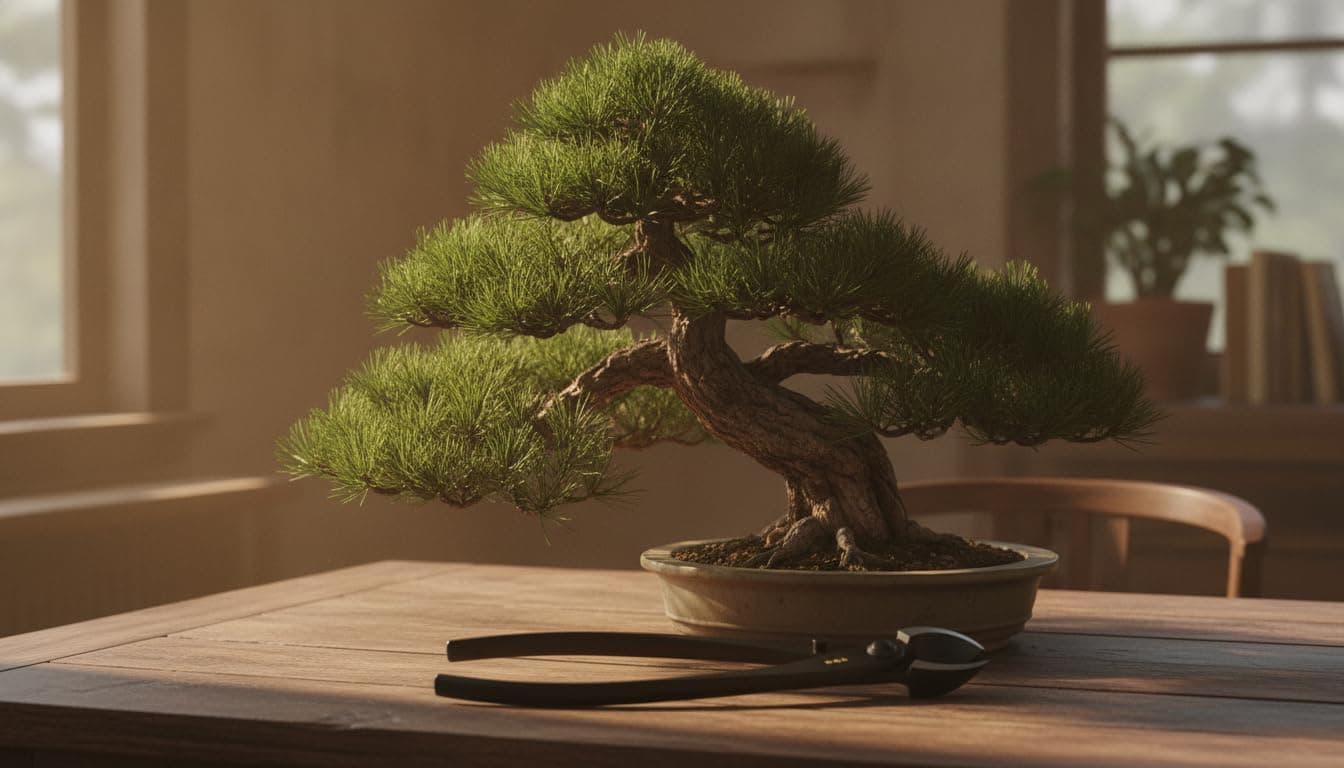
Senkichi's 8.3 inch professional Japanese concave cutter in high-carbon forged steel, made in Japan for flush cuts.
Price range: $ (Budget)
What we liked
- + High-carbon forged steel takes and holds a very sharp edge
- + 8.3 inch length gives good leverage on medium branches
- + Made in Japan tool aimed at clean, flush cuts that callus well
Trade-offs
- - High-carbon steel rusts quickly if sap and moisture are left on it
- - Professional pricing may be more than a casual grower needs
Who this concave cutter is for
This is a full size concave branch cutter aimed at growers working on developing trees where clean, flush branch removal matters for how the wound scars over. Made in Japan from high carbon forged steel, the tool measures 8.3 inches and weighs about 7 ounces, sized to give reach into denser canopies while staying light enough for extended styling sessions without much hand fatigue. Its jaws are shaped specifically to leave no stub behind, cutting flush to the trunk or parent branch rather than leaving a short nub that would need a follow up cut later, which suits growers who want to finish branch removal in a single clean pass rather than trimming a stub down gradually over subsequent sessions.
What the concave jaws and forged steel deliver
The concave jaw shape is built to cut flush and leave a shallow hollow at the wound site, a profile bonsai growers rely on because it gives callus tissue a recess to grow into rather than a raised scar to grow over, generally healing flatter and less visibly than a straight cut. The blade steel is hand forged rather than stamped, which the maker states gives it strong edge retention through repeated cuts and the ability to be resharpened rather than discarded once it dulls. The long, slim handle design is meant to separate the hand from the cutting head, giving reach into crowded branch structures where a shorter or bulkier tool would struggle to get a clean angle on the target branch.
Living with a high carbon steel tool
High carbon steel of this kind takes and holds a sharp edge better than most stainless alternatives, but it is also the most reactive to moisture of the common bonsai tool steels, meaning sap, water and even humid air left on the blade can start surface rust within a short time if the tool is not cleaned and dried promptly after use. Keeping a small cloth and a light oil on hand for wiping the jaws down after each pruning session is the practical way to protect the edge, and dry, enclosed storage between uses matters more with this steel than with a stainless tool. Done consistently, this routine keeps the forged edge performing well across seasons.
How it compares with other concave cutters
Wazakura's 8 inch concave cutter is close in size and also forged from carbon steel, but uses a straight edge rather than this Senkichi's flush cutting concave jaws, so growers who specifically want a stub free, hollowed cut will find this tool's jaw geometry more purpose built for that result. KAKURI's 7 inch cutter is more compact with a round curved blade, trading some of this Senkichi's extra reach for a lighter, more maneuverable tool on smaller material. Across all three, the practical differences come down to jaw shape and handle length rather than one being clearly sharper or more durable, since all use forged Japanese carbon steel.
Verdict and who might prefer another cutter
For growers who want flush, no stub branch removal with good reach into dense canopies, this 8.3 inch Senkichi cutter matches its site score of 8.6 out of 10, backed by forged steel construction and jaws purpose built for clean healing. The clear trade off is upkeep, since high carbon steel rusts faster than stainless or even other carbon steel grades if sap and moisture are left on the blade, so this is not the lowest maintenance option in the category. Growers who want a more compact tool for detail work on smaller trees, or who are not confident they will clean and oil a blade after every session, may be better served by KAKURI's shorter 7 inch cutter or a stainless alternative instead.
Frequently asked questions
What makes a concave cutter different from regular pruning shears?
A concave cutter's jaws are shaped to remove a branch flush with the trunk and leave a shallow hollow, which helps the wound callus over cleanly rather than leaving a raised scar.
Does this cutter leave a stub after cutting?
The jaws are designed to cut flush to the trunk with no stub left behind, according to the maker.
How do I stop the blade from rusting?
Because it is high carbon forged steel, wiping the jaws clean and applying a light coat of oil promptly after each use is important to prevent surface rust.
How does the 8.3 inch size compare with shorter concave cutters?
The longer handles give more reach into dense canopies than a compact 7 inch cutter, at the cost of slightly less maneuverability on very small trees.
Prices change often, so check the current price and availability on Amazon.
Check price on AmazonBonsai Nest may earn a commission from the link above.