KAKURI Bonsai Concave Branch Cutter 7 inch (180 mm) Professional Bonsai Tool, Japanese Carbon Steel, Round Curved Blade, Black, Made in JAPAN Review (2026)
Updated September 14, 2026 · Research-based review
Our verdict
KAKURI's 7 inch concave branch cutter uses a round curved blade in Japanese carbon steel for a deeper hollow cut that heals cleanly. The compact size balances control on medium trees, though carbon steel needs consistent oiling and the reach is short for very thick branches.
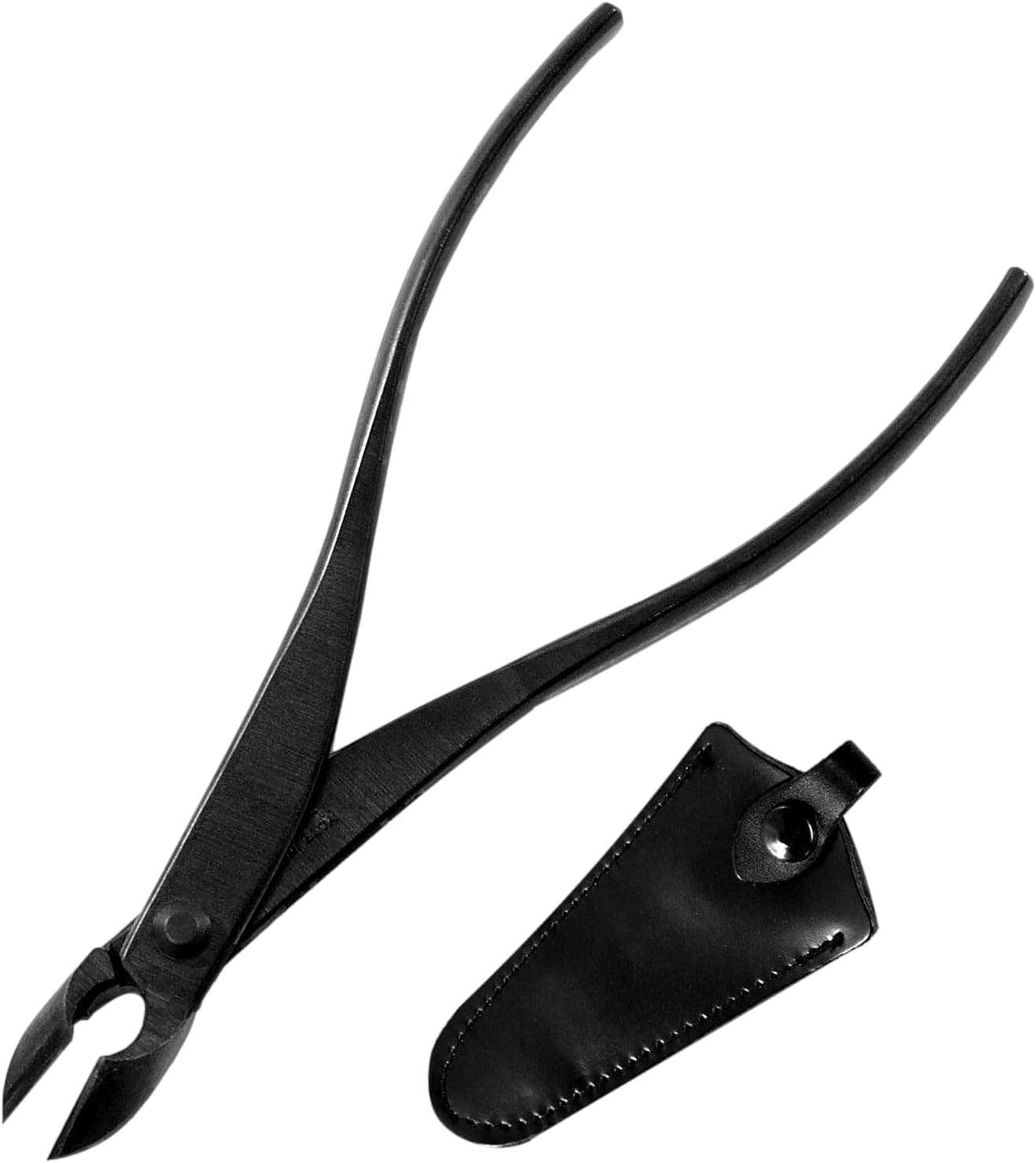
KAKURI's 7 inch (180 mm) professional concave branch cutter with a round curved blade in Japanese carbon steel.
Price range: $ (Budget)
What we liked
- + Round curved blade hollows the cut for smooth callus growth
- + Made in Japan carbon steel from a respected bonsai tool maker
- + 7 inch size balances control and leverage on medium trees
Trade-offs
- - Carbon steel must be kept dry to avoid rust spots
- - Slightly short for very thick branches on large trees
Who this cutter is for
This is a concave branch cutter sized for growers working on small to medium bonsai who want a deeper, more hollowed cut than a straight edge tool produces. KAKURI Corporation, founded in 1946 in Sanjo City and still making its tools there by hand, builds this cutter from Japanese carbon steel with a round curved blade, a shape designed to bite into the branch collar and leave a concave scar that callus tissue grows into rather than over. At 7 inches, it is on the compact side for a concave cutter, giving good control for detail work on shohin and mid size material, though growers regularly removing large branches on bigger trees may find the shorter handles offer less leverage than an 8 inch or longer cutter.
Blade design and what it means for the cut
The defining feature here is the round curved blade rather than a straight edge, which produces a deeper, more rounded hollow at the cut site. On a healthy branch collar, that hollow gives new callus tissue more room to grow inward and close over the wound with a flatter, smoother scar than a shallower straight cut would leave. Measuring about 7 by 2 by 0.4 inches and weighing 7.7 ounces, the tool is compact enough for one handed control during detailed styling work. KAKURI states the blade tip is intentionally thin, which the maker says helps it reach into tight spaces between crowded branches and foliage without needing to force nearby growth out of the way first.
Living with a carbon steel cutter
As a carbon steel tool, the blade holds a sharp edge well and can be restored with a standard sharpening whetstone when it eventually dulls, which KAKURI notes directly in its product information. That sharpness comes with the usual carbon steel trade off, since the blade is more prone to rust than stainless steel if left wet or stored in a humid space, so wiping it down after each session and applying a light coat of oil is worth building into a regular routine. Kept dry between uses, the tool should hold its edge and finish well across repeated seasons of pruning and styling work.
How it compares with other concave cutters
Wazakura's 8 inch concave cutter uses a straight edge rather than this KAKURI's round curved blade, trading some hollow depth for an inch of extra reach that suits slightly larger branches. Senkichi's 8.3 inch cutter is longer still and also uses high carbon forged steel, positioning it closer to Wazakura's size than this more compact KAKURI tool. Growers who specifically want the deepest concave scar in a smaller package will find this KAKURI's round blade the most specialized option of the three, while those cutting larger material regularly will likely get more practical leverage from the longer 8 inch or 8.3 inch alternatives.
Verdict and who should size up
For growers focused on shohin or mid size bonsai who want a compact tool that leaves a deep, clean healing hollow, this 7 inch KAKURI cutter matches its site score of 8.6 out of 10 with a documented, resharpenable carbon steel edge from an established Japanese maker. The main trade offs are the rust risk any carbon steel tool carries without regular oiling, and the shorter 7 inch length giving less leverage than longer cutters on thick branches. Growers working primarily on larger trees with thicker branches would likely get more practical reach from Wazakura's 8 inch or Senkichi's 8.3 inch concave cutter instead of this more compact KAKURI tool.
Frequently asked questions
How is this different from a straight edge concave cutter?
The round curved blade on this KAKURI cutter produces a deeper, more hollowed cut than a straight edge design, which some growers prefer for how the wound calluses over.
What steel is the blade made from?
It is made from Japanese carbon steel, which KAKURI says can be resharpened on a standard whetstone when it dulls.
Does the blade need special care?
As a carbon steel tool it can rust if left wet, so wiping the blade dry and applying a light coat of oil after use is recommended.
Is 7 inches enough for thick branches?
The 7 inch size is best suited to small and medium bonsai; growers regularly cutting thick branches may prefer an 8 inch or longer concave cutter for more leverage.
Prices change often, so check the current price and availability on Amazon.
Check price on AmazonBonsai Nest may earn a commission from the link above.