Tinyroots Heavy Duty Carbon Steel Jin Pliers, Perfect for Jin and Great for Applying or Removing Bonsai Wire, 210 mm Review (2026)
Updated September 14, 2026 · Research-based review
Our verdict
Tinyroots' 210 mm carbon steel jin pliers are a budget friendly way to add dedicated deadwood and wiring tools to a growing kit. The carbon steel jaws bite well into wood and wire. Owners need to dry and oil them after wet work, since carbon steel marks faster than stainless alloys.
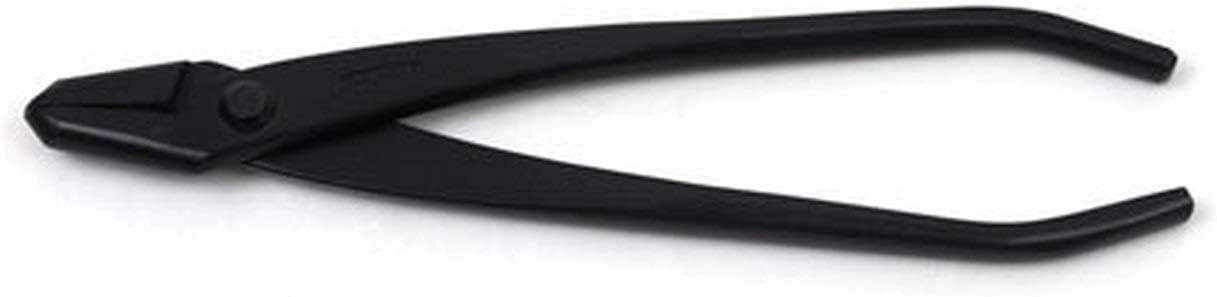
Tinyroots' heavy duty carbon steel jin pliers, 210 mm, for jin creation and applying or removing bonsai wire.
Price range: $ (Budget)
What we liked
- + Heavy duty carbon steel jaws grip firmly on thick wire
- + 210 mm length suits both wiring and bark stripping
- + Tinyroots tools are priced for hobbyists building a kit
Trade-offs
- - Carbon steel must be dried to prevent rust spots
- - Heavy jaws are less delicate for fine wire removal
Who these pliers are for
Tinyroots positions this as an entry to mid range tool for hobbyists building out a kit beyond basic shears, priced for people who want a dedicated jin plier without committing to a premium Japanese brand. At 210 mm it sits in the same general size class as other mid length jin pliers, suited to jin and shari work on established trees and to applying or removing heavier gauge training wire. Beginners doing their first deadwood work on a nursery tree, and intermediate growers who want a second plier as a backup to a nicer tool, are both a good match. Someone who only ever does light wiring on small indoor trees may not need a dedicated jin plier at all.
Carbon steel construction
The jaws are forged from carbon steel rather than a stainless leaning alloy, which is the main technical difference from pricier stainless jin pliers in the same size range. Carbon steel typically takes and holds a sharper bite on wood fiber and wire than softer stainless blends, which is why this style of tool is still popular for jin and bark stripping work despite needing more upkeep. The retailer's own product page describes the tool as offering elegance, balance and precision with a surgical instrument feel, and backs it with a one year warranty, noting that with reasonable care the tool can last a lifetime. The long nose and gripping mouth design is standard for jin pliers, letting the tool both twist wire and peel bark in the same motion.
Care during regular use
Because the jaws are carbon steel, they will develop light surface rust if left wet or dirty after a session, especially during bark stripping when sap and moisture get onto the metal. Wiping the tool dry immediately after use and adding a drop of camellia or mineral oil to the pivot and jaws keeps it working smoothly and prevents pitting. Growers who store their kit in a canvas tool roll should let carbon steel tools like this dry fully before rolling them away, since trapped moisture is the most common cause of rust spots on this class of tool. With that routine, the retailer's warranty policy frames the tool as durable enough for long term daily use in an active bonsai practice.
How it compares with other jin pliers
Against TianBonsai's 225 mm Master Quality jin plier, this Tinyroots tool is shorter and uses carbon steel instead of a stainless leaning alloy, trading some rust resistance for a firmer bite and a lower price point. Against the KIKU Gold 8 inch stainless jin plier, the difference is similar: KIKU's stainless steel needs less maintenance, while this carbon steel tool rewards owners who keep up with drying and oiling with a sharper working edge. Compared with basic 4Cr13MoV alloy jin pliers from unbranded listings, the retailer backing and stated one year warranty give this option more assurance if a defect shows up early.
Bottom line on the Tinyroots jin plier
Pick this if you want a capable, reasonably priced jin plier and do not mind the small extra step of drying and oiling carbon steel after use. It is a solid second tool for hobbyists who already dry and oil other carbon steel bonsai tools as part of their routine. Growers who want to minimize maintenance, or who work in a humid climate and cannot always dry tools right away, should lean toward a stainless leaning alloy plier instead, even if it costs somewhat more or has a slightly softer edge.
Frequently asked questions
Will this jin plier rust?
The jaws are carbon steel, so light surface rust can appear if the tool is left wet or dirty. Drying it and adding a drop of oil after use prevents this.
What is the length good for?
At 210 mm it suits jin and shari deadwood work and applying or removing heavier training wire on established trees, rather than fine wiring on small shohin material.
Does Tinyroots back this tool with a warranty?
The seller states a one year warranty and describes the tool as able to last a lifetime with reasonable care.
Carbon steel or stainless alloy jin pliers, which is better?
Carbon steel like this typically holds a sharper bite but needs drying and oiling, while stainless leaning alloys resist rust better with less upkeep. The right choice depends on how much maintenance you want to do.
Prices change often, so check the current price and availability on Amazon.
Check price on AmazonBonsai Nest may earn a commission from the link above.