New Jin Pliers from Tian Bonsai Tools Master Quality Stainless Steel Alloy Steel (5Cr15MoV) 225 mm (8.86 inch) Review (2026)
Updated September 14, 2026 · Research-based review
Our verdict
These 225 mm jin pliers from TianBonsai's Master Quality line give serious hobbyists extra leverage for stripping bark and shaping deadwood on bigger trees. The 5Cr15MoV steel resists rust well in wet conditions. Being the longest option in this comparison, they are less nimble on small shohin material.
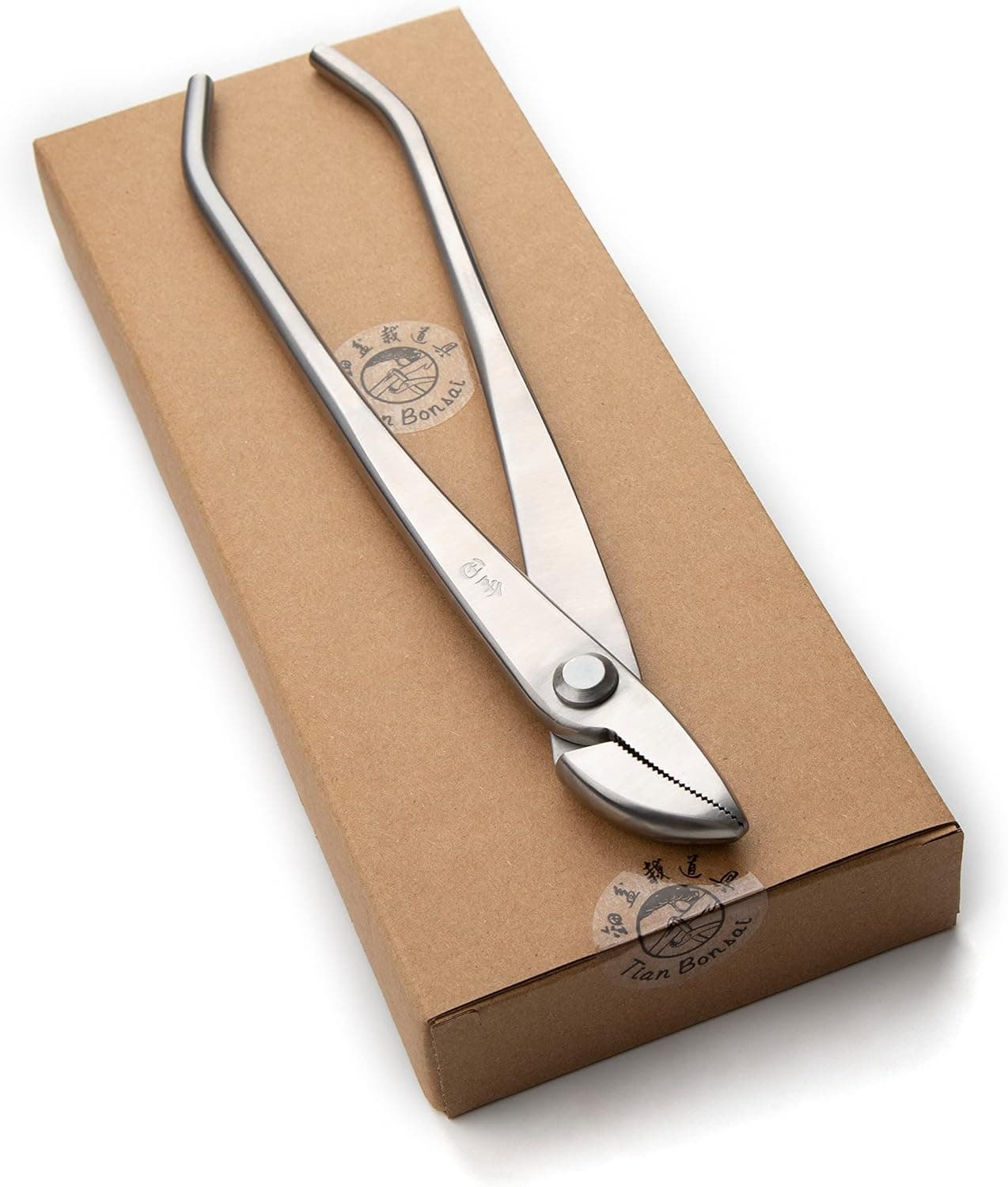
Tian Bonsai's new jin pliers in 5Cr15MoV stainless alloy steel, 225 mm (8.86 inch), master quality.
Price range: $ (Budget)
What we liked
- + 225 mm length adds leverage for heavy wire and jin work
- + 5Cr15MoV stainless steel holds up well in wet conditions
- + Tian Bonsai master quality line targets serious hobbyists
Trade-offs
- - Longer pliers are less nimble on small shohin trees
- - Heavier tool can tire hands during long wiring sessions
Who these jin pliers suit
At 225 mm these are the longest jin pliers in TianBonsai's lineup, aimed at growers who already own a basic tool kit and want a dedicated implement for deadwood work on medium to large bonsai. Jin pliers grip and twist wood fibers to create the bleached, weathered branch stubs and shari sections that give conifers an aged look, and they double as a way to apply or remove heavy training wire. The extra length over the brand's shorter 205 mm plier gives more torque when peeling bark off thick branches, which matters most on collected yamadori or older nursery stock rather than young, thin skinned material where a shorter tool is easier to control.
Material and design
The pliers are made from 5Cr15MoV stainless alloy steel and are marketed as part of TianBonsai's Master Quality tier, described as handmade by the company's senior workers rather than machine stamped. Manufacturer specifications for this steel grade describe differential heat treatment by a high frequency process, bringing the working edge hardness above HRC58 while keeping the body of the tool tougher and less brittle. The jaws have a long handle and hardened teeth for gripping training wire, and the tip of the head is closed tightly, which is what lets it get under bark for tearing rather than just crushing it. TianBonsai backs the tool with a three year repair policy for manufacturing problems.
Living with a longer jin plier
The extra reach pays off most during a deadwood session on an established tree, where a shorter tool would need more hand strength to get the same grip on thick bark or wire. Because the steel is a stainless leaning alloy rather than pure carbon steel, it tolerates the wet, sappy mess of bark stripping better than a plain high carbon tool, though a wipe down after use still keeps the pivot moving smoothly. The longer handles also add weight, and growers who spend long sessions wiring fine branches on smaller trees may find their hand tires faster than with a compact plier. Most owners keep a jin plier as a specialist addition alongside standard wire pliers rather than a single do everything tool.
How it stacks up against rivals
Against the KIKU Gold 8 inch stainless jin plier, the trade off is largely about brand positioning, since both use rust resistant steel in a similar size class, and the choice often comes down to handle feel and price. Against Tinyroots' 210 mm carbon steel jin plier, this TianBonsai tool is slightly longer and leans on a stainless leaning alloy that needs less drying diligence, while the Tinyroots version uses a harder carbon steel edge that can hold a keener bite on wire but needs more attention to rust. Compared with cheaper 4Cr13MoV alloy pliers from other budget lines, the 5Cr15MoV steel here has a higher chromium content, which typically translates into better corrosion resistance over years of use.
Verdict for bonsai wiring and deadwood work
Choose these if you already do jin and shari work on bigger trees and want a longer, stainless leaning plier backed by a multi year repair policy. They are less suited to growers focused mainly on shohin or mame trees, where a shorter, lighter jin plier or even a standard wire plier will be easier to maneuver in tight spaces. Anyone assembling a first bonsai tool kit should treat this as a second or third purchase after basic shears and a wire cutter, since jin pliers are a specialist tool rather than an everyday essential.
Frequently asked questions
What is a jin plier used for?
It grips and twists wood or bark to create bleached, weathered deadwood features on bonsai, and it can also apply or remove heavy training wire.
Why is this plier 225 mm instead of a shorter size?
The extra length gives more leverage for stripping bark and gripping thick wire on medium to large trees, at the cost of being less nimble on small shohin trees.
Is 5Cr15MoV steel rust proof?
It is a stainless leaning alloy that resists rust better than plain carbon steel, but it still benefits from being dried and wiped down after wet work.
Does TianBonsai offer a warranty on this tool?
The brand states a three year policy to repair tools that develop manufacturing problems at no charge.
Prices change often, so check the current price and availability on Amazon.
Check price on AmazonBonsai Nest may earn a commission from the link above.