Premium New Zealand Sphagnum Moss, 500g Premier AAA Grade, 6 Inch Strands, 40L When Hydrated Review (2026)
Updated September 14, 2026 · Research-based review
Our verdict
This bulk sphagnum moss suits growers doing air layering, kokedama, or repotting across several trees who need long strands and real volume on hand. The 40 liters of hydrated moss from a 500g bag is the main strength, and the trade-off is that the packaging itself does not name the actual producing brand.
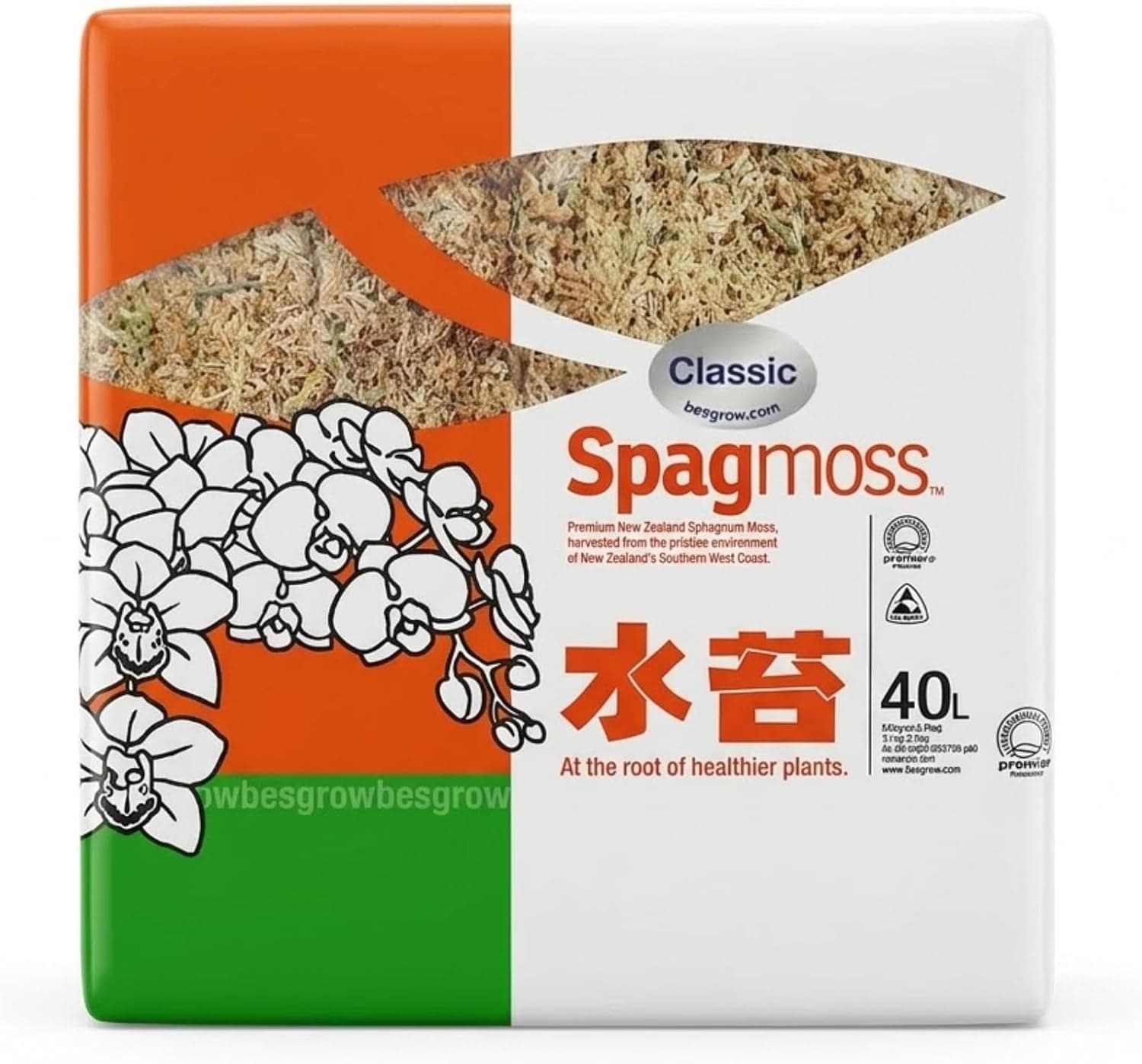
Premium New Zealand sphagnum moss, 500g of Premier AAA grade with 6 inch strands, 40L when hydrated.
Price range: $ (Budget)
What we liked
- + 40L hydrated volume covers a whole season of air layering
- + 6 inch AAA strands are ideal for wrapping and kokedama
- + Bulk 500g pack lowers the cost per gram considerably
Trade-offs
- - Check the seller name if you want to reorder the same grade
- - Large quantity may be more than a casual grower needs
Who needs a 500g bag of sphagnum moss
Long fiber New Zealand sphagnum moss shows up across several core bonsai techniques: wrapped around an air layer to hold moisture while roots form, packed into a kokedama moss ball, used as a top dressing to keep surface roots humid, or mixed into potting media for trees that like extra moisture retention. A 500g bag that expands to roughly 40 liters once hydrated is sized for growers doing several of these tasks across a season, not a single small project. It suits anyone with multiple trees needing air layers at once, club members sharing supplies, or growers who regularly build kokedama displays and would rather buy in bulk than repurchase a small bag every few projects. A grower with one small tree and an occasional top dressing need will use only a fraction of this bag.
Grade, strand length, and where it comes from
This is Premier AAA grade moss with strands averaging around 6 inches long, harvested from wetlands on New Zealand's South Island, then dried for long term storage rather than sold fresh. Long, unbroken strands like this are valued in bonsai work because they wrap cleanly around an air layer or root ball without falling apart the way shorter, broken moss does. New Zealand sphagnum in general is known for holding a large amount of water relative to its dry weight, commonly cited as many times its own weight, while staying naturally low in soluble salts, which matters for young roots that are sensitive to salt buildup. It is dried, clean, and largely free of foreign material like sticks or debris mixed in.
Rehydrating and storing the moss
Before use, dried strands need to be soaked in water until they soften and expand to their full hydrated volume, typically taking a good soak of at least several minutes to plump up fully rather than just a quick rinse. Once hydrated and used, whether wrapped around an air layer or packed as top dressing, it should be kept consistently moist, since letting sphagnum dry out partway through an air layer can stall root formation. The unused dry portion of the bag stores well in a sealed container away from moisture, keeping it ready for the next project without degrading, since dried sphagnum has a long shelf life if kept away from damp conditions.
Trade-offs against other sphagnum listings
The clearest gap is that this specific 500g listing does not name a brand on the packaging, even though its exact figures, 40 liters hydrated from 500g of Premier AAA grade 6 inch strands, match established New Zealand sphagnum suppliers selling the same specification under their own name. That makes it hard to confirm consistency batch to batch the way a named brand's reputation would. Against a smaller 150g bag of the same AAA grade, this size delivers a much lower cost per liter for anyone who will use most of it within a reasonable time, though a grower who only needs a small amount occasionally may prefer the smaller bag to avoid dried moss sitting unused for years.
Verdict and who should buy a smaller bag
For growers doing regular air layering, kokedama, or bulk top dressing across a collection, this bag delivers genuine long strand AAA grade New Zealand sphagnum at a strong volume for the size, with the 40 liter hydrated yield covering many projects before running low. The long strands and low salt content make it a solid, safe choice for sensitive new root growth. Growers who only need moss occasionally, or who want the reassurance of a clearly named brand on the packaging, should compare this against a smaller labeled bag instead, accepting a higher cost per liter in exchange for that certainty. For anyone building several kokedama or running multiple air layers this season, the bulk size is the practical pick.
Frequently asked questions
How much does this sphagnum moss expand once soaked in water?
A 500g bag expands to roughly 40 liters of hydrated moss, so a little dry moss goes a long way once it has soaked and plumped up.
Is this moss good for air layering a bonsai?
Yes, its long 6 inch AAA grade strands are well suited to wrapping cleanly around an air layer site and holding moisture while new roots form.
Where is this sphagnum moss harvested from?
It is harvested from wetlands on New Zealand's South Island, then dried for storage, which is the traditional source region for premium long fiber sphagnum.
How should unused sphagnum moss be stored?
Keep the dry, unused portion sealed away from moisture in a closed container, where it will keep for a long time until the next project needs it.
Prices change often, so check the current price and availability on Amazon.
Check price on AmazonBonsai Nest may earn a commission from the link above.